
Deciding what business to start is one of the most critical financial decisions an individual can make. It is not merely a choice of “what to do with your time,” but rather a strategic allocation of capital, energy, and resources into a vehicle designed to generate a return on investment (ROI). In an era defined by digital accessibility and shifting consumer behaviors, the barriers to entry have never been lower, yet the complexity of choosing a sustainable, high-margin model has never been higher.
To build a business that serves your personal finance goals, you must look beyond passion and focus on unit economics, scalability, and cash flow. This guide explores the most viable business categories within the “Money” niche—focusing on online income, side hustles, and business finance—to help you identify the right path for your financial future.
1. High-Margin Digital Service Models
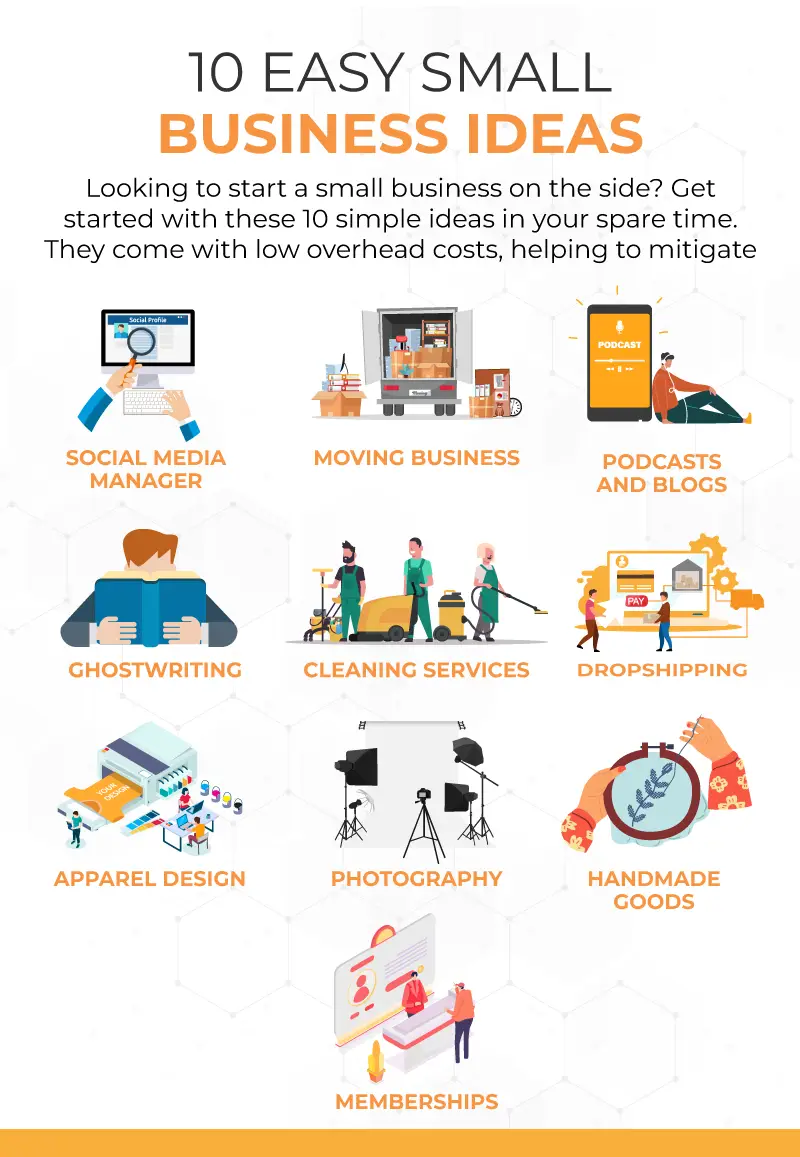
For many first-time entrepreneurs, the most logical starting point is a service-based business. From a financial perspective, services are attractive because they often require near-zero upfront capital. You are essentially “arbitraging” your time and expertise for a premium fee.
Specialized Freelance Consulting
Consulting is the purest form of a low-overhead business. If you possess a high-value skill—such as financial auditing, legal research, or specialized marketing strategy—you can command hourly rates or project fees that far exceed a standard salary. The financial advantage here is the “Margin.” Unlike physical products, where you must subtract the cost of goods sold (COGS), a consulting business’s primary expense is your own time. As you scale, the focus shifts toward “Productized Services,” where you package your expertise into a fixed-price offering, allowing for better cash flow predictability and streamlined operations.
High-Ticket Coaching and Mentorship
Within the realm of online income, high-ticket coaching has emerged as a powerhouse for wealth generation. By solving a specific, high-stakes problem for a client—such as helping them improve their investment portfolio or scaling their own small business—you can charge premium prices (often ranging from $2,000 to $10,000+ per client). The financial merit of this model lies in the “Customer Acquisition Cost” (CAC) to “Lifetime Value” (LTV) ratio. Because the price point is high, you only need a few clients per month to sustain a highly profitable enterprise.
2. Scalable E-commerce and Asset-Light Retail
The traditional retail model required significant capital for storefronts and inventory. Modern business finance allows for “asset-light” models that minimize risk while maximizing the potential for online income.
Dropshipping and Third-Party Fulfillment
Dropshipping remains a popular side hustle because it shifts the financial burden of inventory onto the supplier. As the business owner, you act as the marketing and financial intermediary. While the margins are typically lower than in other models (often between 10% and 30%), the “Return on Capital” is theoretically infinite because you do not pay for the product until the customer pays you. To succeed here, one must master the finance of digital advertising, ensuring that the cost to acquire a customer does not exceed the profit margin of the sale.
Direct-to-Consumer (DTC) Niche Branding
For those with a small amount of startup capital, building a DTC brand offers a path to long-term equity. By identifying a gap in the market—such as eco-friendly office supplies or ergonomic home-gym equipment—you can source products and sell them directly to the consumer via platforms like Shopify. The financial goal of a DTC business is to build “Brand Equity,” which eventually allows the business to be sold for a multiple of its annual earnings (EBITDA). This is the transition from “income generation” to “wealth creation.”
3. Passive Income via Digital Assets
One of the most effective ways to secure your personal finance future is to build or buy assets that decouple your time from your income. Digital assets are unique because they have a high initial “time cost” but nearly zero “marginal cost of replication.”

Digital Products and Online Courses
If you can solve a recurring problem for a specific audience, you can package that solution into a digital product—an e-book, a template, or a comprehensive video course. From a financial standpoint, this is a “Build Once, Sell Forever” model. Once the content is produced, every subsequent sale is almost 100% profit. These businesses are highly attractive because they provide “Scalable Income”—your ability to earn is no longer limited by the number of hours in a day.
Paid Newsletters and Membership Communities
Recurring revenue is the “Holy Grail” of business finance. Starting a paid newsletter (via platforms like Substack) or a private membership community allows you to build a predictable income stream. Unlike a one-time sale, a subscription model provides “Monthly Recurring Revenue” (MRR), which makes financial planning and reinvestment much easier. Investors value businesses with high recurring revenue much more than those with erratic sales, making this a prime choice for someone looking to build a high-value asset.
4. Evaluating the Financial Viability of Your Idea
Before launching any venture, it is essential to conduct a rigorous financial analysis. Many businesses fail not because the idea was bad, but because the “Unit Economics” did not make sense.
Assessing Startup Costs and Burn Rate
Every business owner must understand their “Burn Rate”—the amount of money the business spends each month before it becomes profitable. If you are starting a side hustle, your goal should be “Default Alive,” meaning your expenses are low enough that your current income or small initial sales can sustain the business indefinitely. Minimizing fixed costs (rent, expensive software, high salaries) in the beginning is the best way to ensure your business survives the critical first year.
Understanding Profit Margins and Cash Flow
There is a common saying in business finance: “Profit is an opinion; Cash is a fact.” You can have a profitable business on paper, but if your customers take 90 days to pay you while your suppliers require payment in 30 days, you will run out of cash. When choosing what business to start, prioritize models with “Positive Cash Flow Cycles,” where you get paid upfront or at the time of service. This reduces the need for external financing or high-interest loans.
5. Transitioning from Side Hustle to Wealth-Generating Entity
The ultimate goal for many entrepreneurs is to turn a small income-generating project into a full-scale business that contributes significantly to their personal net worth.
Reinvestment and Compound Growth
In the early stages, the most effective use of your profits is not personal consumption, but reinvestment into the business. Whether it is hiring a virtual assistant to free up your time or increasing your advertising budget to reach more customers, reinvestment is the engine of growth. By treating your business as a financial portfolio, you can achieve compound growth that far outpaces traditional stock market returns.
Risk Mitigation and Diversification
As your business grows, it becomes a significant part of your financial profile. To protect your personal finance, you must eventually diversify. This might involve taking a portion of the business profits to invest in real estate, index funds, or other low-risk assets. Additionally, ensuring your business has “Multi-Channel Revenue”—not relying on a single platform like Amazon or a single client—protects you from sudden market shifts or policy changes that could jeopardize your income.
Conclusion: Taking the First Step
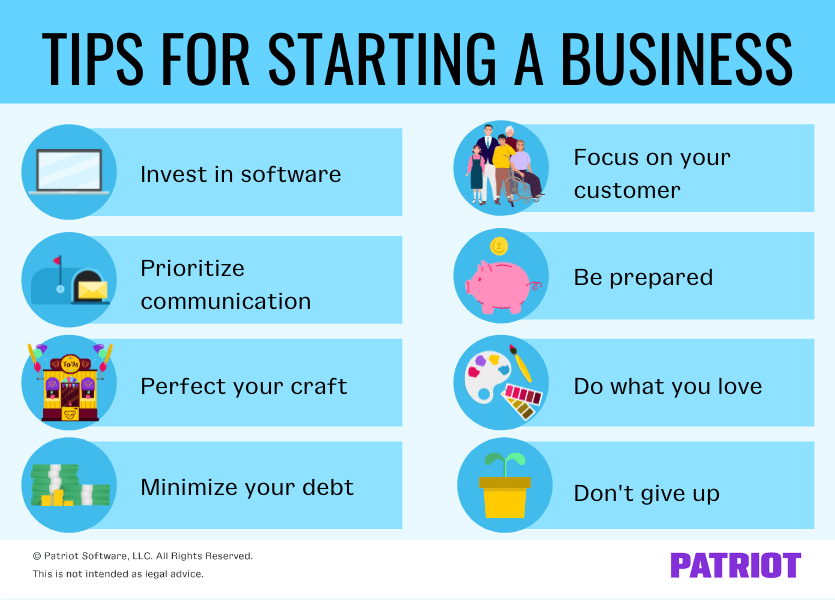
The question of “what business to start” is best answered by looking at the intersection of your current capital, your available time, and the market’s demand for value. Whether you opt for the high-margin world of specialized consulting, the scalable potential of digital products, or the structured growth of an e-commerce brand, the key is to prioritize the financial health of the venture from day one.
Focus on cash flow, manage your margins aggressively, and view your business as a tool for financial freedom. In the modern economy, the most successful entrepreneurs are those who treat their business not just as a job, but as a sophisticated financial asset designed to grow their wealth over time. Start small, validate your financial assumptions, and then scale with the discipline of a seasoned investor.
aViewFromTheCave is a participant in the Amazon Services LLC Associates Program, an affiliate advertising program designed to provide a means for sites to earn advertising fees by advertising and linking to Amazon.com. Amazon, the Amazon logo, AmazonSupply, and the AmazonSupply logo are trademarks of Amazon.com, Inc. or its affiliates. As an Amazon Associate we earn affiliate commissions from qualifying purchases.