
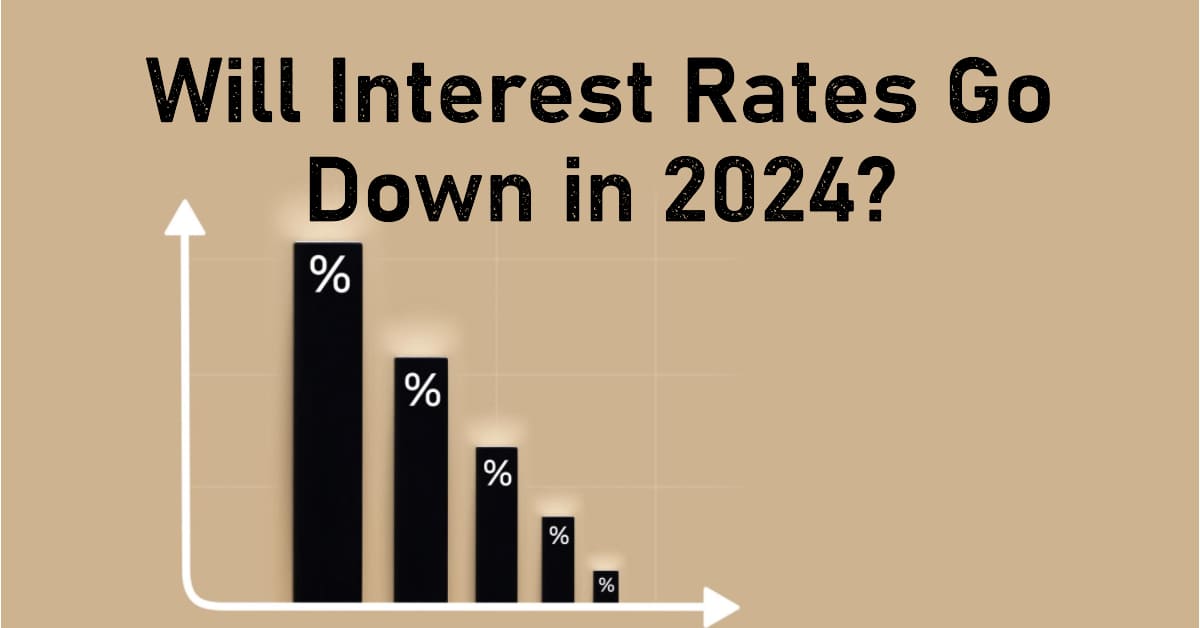
The question of “When will the interest rate drop?” is arguably one of the most pressing inquiries for individuals, businesses, and investors across the globe today. After a period of aggressive monetary tightening by central banks worldwide aimed at curbing rampant inflation, the economic landscape is now ripe with anticipation for a pivot. Understanding the complex interplay of economic indicators, central bank mandates, and market sentiment is crucial to forecasting this pivotal moment and preparing for its widespread implications. This article delves into the core mechanics driving interest rate decisions, identifies the key signals to watch, explores the far-reaching impacts of a rate cut, and offers strategies to navigate the evolving financial environment.
The Central Bank’s Mandate: Inflation, Employment, and Stability
At the heart of interest rate decisions are central banks – institutions like the Federal Reserve in the U.S., the European Central Bank (ECB), and the Bank of England (BoE). These powerful entities are tasked with maintaining economic stability, a responsibility typically encapsulated in a dual mandate: achieving price stability (controlling inflation) and fostering maximum sustainable employment.
The Dual Mandate Explained (Price Stability & Maximum Sustainable Employment)
The concept of a dual mandate means that central banks must strike a delicate balance. When inflation spirals out of control, as it did in the wake of the pandemic and supply chain disruptions, their primary focus shifts to taming rising prices, often through interest rate hikes. Higher rates make borrowing more expensive, slowing down economic activity and theoretically reducing demand, which in turn should cool inflation. Conversely, when inflation is under control but the economy is sputtering and unemployment is high, the focus shifts to stimulating growth, often through rate cuts. Lower rates encourage borrowing and spending, boosting economic activity and job creation. The challenge lies in managing these objectives without overshooting in either direction, risking either a recession or a resurgence of inflation.
The Role of Inflation: The Primary Catalyst for Rate Hikes and Potential Cuts
Inflation isn’t just a number; it’s a direct erosion of purchasing power, making everyday goods and services more expensive. Central banks typically target a specific inflation rate, often around 2%, as a healthy level for economic growth. When inflation significantly exceeds this target, as it has in recent years, central banks respond aggressively. The recent cycle of rate hikes was a direct response to inflation climbing to multi-decade highs. For interest rates to drop, central banks need convincing evidence that inflation is not only declining but is also on a sustainable path back to their target. They look beyond headline numbers, scrutinizing core inflation (which excludes volatile food and energy prices) and various inflation expectations.
How Economic Data Guides Monetary Policy Decisions
Central banks are data-dependent. Their decisions are not based on speculation but on a continuous stream of economic reports and analyses. They meticulously track a wide array of indicators to assess the health of the economy and the trajectory of inflation and employment. This data forms the bedrock of their forward guidance and policy adjustments. Key data points include Consumer Price Index (CPI), Producer Price Index (PPI), Personal Consumption Expenditures (PCE) price index (the Fed’s preferred inflation gauge), Gross Domestic Product (GDP) growth, unemployment rates, non-farm payrolls, wage growth, manufacturing indices (ISM, PMI), consumer confidence surveys, and retail sales figures. A sustained trend in these indicators, rather than isolated monthly fluctuations, is what truly sways central bank policy.
Key Indicators Signaling a Shift in Policy
The journey from interest rate hikes to cuts is paved with economic data. For central banks to pivot, they need compelling evidence that their restrictive monetary policy has achieved its intended effect and that economic conditions warrant a less stringent approach.
Inflationary Trends: Is the Dragon Tamed? (CPI, PCE)
The most critical signal for a rate drop will be a sustained and significant decline in inflation. Central banks will closely monitor measures like the Consumer Price Index (CPI) and the Personal Consumption Expenditures (PCE) price index, particularly their core readings. They need to see a clear trend of disinflation, indicating that price pressures are easing across various sectors and that inflation expectations are well-anchored. A few months of declining inflation might not be enough; they will seek confidence that inflation is not only falling but will remain stable at or near their target without rebounding. They also consider the “stickiness” of certain components, such as services inflation, which can be more persistent than goods inflation.
Labor Market Health: From Tightness to Easing
A robust labor market, characterized by low unemployment and strong wage growth, often accompanies inflationary pressures. Conversely, a loosening labor market can signal that the economy is slowing down and that inflationary pressures are subsiding. Central banks will watch for signs of softening in the jobs market, such as a rising unemployment rate, slowing job creation (non-farm payrolls), declining job openings, and a moderation in wage growth. However, they aim for a “soft landing” – enough easing to control inflation without triggering a sharp rise in unemployment or a recession. The balance here is delicate; too much weakening could prompt aggressive rate cuts, while too little might delay them.
Economic Growth: Gauging the Pace of Expansion and Contraction
Economic growth, typically measured by Gross Domestic Product (GDP), provides a broad snapshot of economic activity. A period of strong economic growth can fuel inflation, necessitating higher rates. Conversely, slowing or contracting GDP growth can signal an economy teetering on the brink of recession, often prompting central banks to consider rate cuts to stimulate activity. Central banks will analyze not just the headline GDP number but also its components, such as consumer spending, business investment, and net exports, to understand the underlying momentum. A significant slowdown, particularly alongside falling inflation, would be a strong indicator for rate reductions.
Global Economic Landscape and Geopolitical Factors
While domestic data is paramount, central banks also operate within a global economic context. International trade dynamics, geopolitical events (like conflicts or energy crises), and the economic health of major trading partners can all influence domestic inflation and growth. A global slowdown, for instance, could exacerbate domestic economic challenges and accelerate the need for rate cuts. Currency fluctuations, driven by global interest rate differentials, also play a role, impacting import/export costs and inflation. Central banks must weigh these external factors in their decision-making process, as they can have a material impact on the effectiveness of domestic monetary policy.

The Ripple Effect: How Rate Drops Impact Your Money
The decision to cut interest rates reverberates throughout the entire financial system, impacting everything from the cost of borrowing to investment returns. Understanding these effects is key to positioning your finances strategically.
For Borrowers: Mortgage Rates, Personal Loans, and Credit Card Debt
For borrowers, a drop in interest rates is generally welcome news. The most significant impact is often seen in mortgage rates, particularly for those with adjustable-rate mortgages (ARMs) or those looking to refinance. Lower rates make homeownership more affordable, potentially stimulating the housing market. Similarly, the interest rates on personal loans, auto loans, and certain types of student loans could decrease, reducing monthly payments and the total cost of borrowing. While credit card interest rates are often less directly tied to central bank rates (due to their higher risk premium), a sustained period of lower benchmark rates could eventually trickle down, albeit more slowly. Businesses looking to expand or invest will also find it cheaper to borrow, potentially spurring economic activity.
For Savers: Reassessing Your High-Yield Accounts
While borrowers cheer, savers may face a less favorable environment. During periods of high interest rates, high-yield savings accounts, money market accounts, and Certificates of Deposit (CDs) offer attractive returns. When rates drop, the interest earned on these accounts will likely decline, reducing passive income for savers. This prompts individuals to re-evaluate where they stash their cash. Some might seek alternatives that offer higher potential returns, such as bonds or stocks, albeit with increased risk. However, it’s crucial for savers to remember the importance of an emergency fund, regardless of interest rate movements.
For Investors: Stocks, Bonds, and Real Estate Implications
The investment landscape undergoes a significant shift with interest rate cuts.
-
Stocks: Lower interest rates can be a boon for the stock market. Reduced borrowing costs boost corporate profits, and lower discount rates make future earnings more valuable, potentially increasing stock valuations. Growth stocks, in particular, tend to perform well in lower-rate environments as their future earnings potential becomes more attractive. However, the initial reason for rate cuts (slowing economy) can sometimes create short-term volatility.
-
Bonds: Bond prices and interest rates move inversely. When interest rates fall, newly issued bonds offer lower yields, making existing bonds with higher yields more attractive, thus increasing their market value. However, if you’re buying new bonds, you’ll be locking in lower yields.
-
Real Estate: Besides making mortgages more affordable, lower rates can also boost real estate values by increasing demand and making property investments more attractive compared to other asset classes. Commercial real estate financing also becomes cheaper, encouraging development and transactions.
For Businesses: Costs of Capital and Expansion Opportunities
For businesses, lower interest rates translate directly into a reduced cost of capital. This makes it cheaper to borrow money for investments in new equipment, research and development, facility expansions, and hiring. Lower financing costs can boost profitability, encourage innovation, and stimulate job creation. It can also make mergers and acquisitions more attractive, as financing deals becomes less expensive. Conversely, businesses that rely heavily on short-term debt during high-rate periods may see their interest expenses fall significantly, improving their bottom line.
Navigating the Anticipation: Strategies for Individuals and Businesses
The period leading up to and immediately following interest rate drops requires thoughtful financial planning. Proactive adjustments can help both individuals and businesses capitalize on new opportunities and mitigate potential risks.
Personal Financial Planning in a Changing Rate Environment
For individuals, the anticipation of rate cuts is a critical time for financial review.
-
Debt Management: If you have high-interest variable-rate debt (like credit cards or ARMs), consider refinancing or consolidating before rates fall too much, locking in a potentially lower rate. For fixed-rate debt, the impact is minimal.
-
Savings: As high-yield savings rates are likely to decline, re-evaluate your emergency fund and cash holdings. While maintaining liquidity is crucial, consider if you have excess cash that could be put to work in other investments.
-
Budgeting: With potentially lower borrowing costs and stable prices (if inflation is tamed), review your budget for potential savings or opportunities to increase investments.
Investment Portfolio Adjustments and Opportunities
Investors should assess their portfolios to align with the changing interest rate outlook.
-
Diversification: Maintain a diversified portfolio across various asset classes (stocks, bonds, real estate, commodities) to hedge against market volatility and uncertainty.
-
Equities: Consider increasing exposure to sectors that typically benefit from lower rates, such as technology, growth stocks, and interest-rate-sensitive sectors like real estate (REITs).
-
Fixed Income: For bond investors, existing longer-duration bonds may appreciate in value as rates fall. However, new bond purchases will yield less. Laddering bond maturities can be a strategy to manage reinvestment risk.
-
Real Estate: If considering a property purchase, lower mortgage rates could make it more affordable, but also be aware that increased demand could push up prices.
Business Strategy and Capital Management
Businesses must also adapt their financial strategies.
-
Debt Refinancing: Companies with existing high-interest debt, especially variable-rate loans, should explore refinancing opportunities to reduce their interest burden.
-
Capital Expenditure: Lower borrowing costs make capital expenditures more attractive. Businesses might accelerate plans for expansion, equipment upgrades, or R&D that were put on hold during high-rate periods.
-
Working Capital Management: Optimize cash flow and working capital management, as the opportunity cost of holding cash may decrease.
-
Scenario Planning: Develop contingency plans for different interest rate scenarios, including the possibility of rates staying higher for longer, to maintain financial resilience.
The Importance of Diversification and Long-Term Vision
Regardless of the immediate interest rate outlook, the core principles of sound financial planning remain paramount. For both individuals and businesses, diversification is key to managing risk. Spreading investments across different asset classes, industries, and geographies can cushion the impact of adverse movements in any single area. Equally important is maintaining a long-term vision. While short-term market fluctuations can be tempting to react to, focusing on long-term financial goals, consistent saving, and strategic investment decisions tends to yield the most favorable outcomes. The anticipation of interest rate drops is an opportunity to review, adjust, and reinforce these fundamental principles, ensuring your financial health is robust enough to thrive in whatever economic climate emerges.
aViewFromTheCave is a participant in the Amazon Services LLC Associates Program, an affiliate advertising program designed to provide a means for sites to earn advertising fees by advertising and linking to Amazon.com. Amazon, the Amazon logo, AmazonSupply, and the AmazonSupply logo are trademarks of Amazon.com, Inc. or its affiliates. As an Amazon Associate we earn affiliate commissions from qualifying purchases.