
Securing a mortgage is arguably the most significant financial commitment the average person will make in their lifetime. It is not merely a loan; it is a complex financial instrument that dictates your monthly cash flow, your long-term wealth accumulation, and your overall financial stability for decades. Finding the right mortgage requires a blend of rigorous self-assessment, market research, and strategic negotiation. In a fluctuating economic environment where interest rates and lending standards are constantly shifting, a haphazard approach can cost a borrower tens of thousands of dollars over the life of the loan. This guide outlines the systematic process of identifying, evaluating, and securing a mortgage that aligns with your broader financial goals.
Assessing Your Financial Foundation Before the Hunt
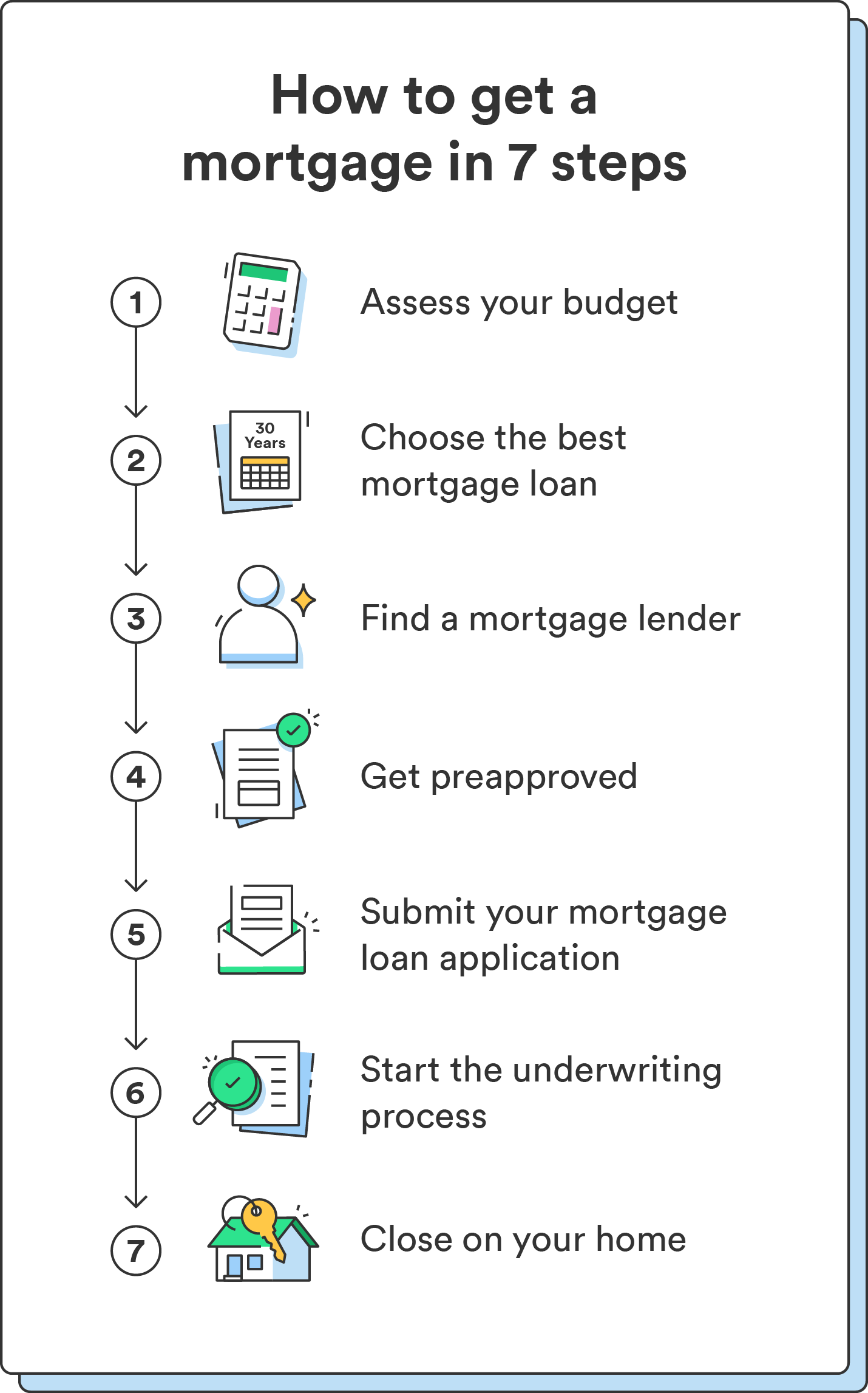
The process of finding a mortgage does not begin at the bank; it begins with your personal balance sheet. Lenders view you through a lens of risk, and your goal is to present yourself as the lowest risk possible to earn the lowest possible interest rate.
Analyzing Your Credit Score and History
Your credit score is the primary determinant of the interest rate you will be offered. Even a difference of 20 points can move you into a different pricing tier. Before contacting a lender, obtain your credit reports from the three major bureaus. Look for inaccuracies or outdated information that could be dragging your score down. High-level lenders typically look for a FICO score of 740 or higher to offer their “prime” rates. If your score is lower, you may need to focus on government-backed options or spend six months improving your credit utilization and payment history before applying.
Calculating Your Debt-to-Income (DTI) Ratio
Lenders use the Debt-to-Income ratio to determine how much of your monthly gross income is already committed to debt obligations. Most conventional lenders prefer a DTI of 36% or lower, though some programs allow up to 43% or even 50% in specific circumstances. To calculate this, add up your monthly minimum payments for credit cards, auto loans, and student loans, then add your projected mortgage payment (including taxes and insurance). Divide this by your gross monthly income. If the number is too high, your priority should be paying down existing debt to increase your borrowing power.
Determining Your Down Payment Strategy
While the 20% down payment is often touted as the gold standard to avoid Private Mortgage Insurance (PMI), it is not a strict requirement. Many conventional loans allow for as little as 3% down, and FHA loans require 3.5%. However, a larger down payment reduces the principal amount, lowers your monthly payment, and demonstrates financial discipline to the lender. You must also account for closing costs, which typically range from 2% to 5% of the home’s purchase price. Finding a mortgage involves balancing your liquid cash for a down payment with the need for an emergency fund post-purchase.
Understanding the Diverse Landscape of Mortgage Products
Not all mortgages are created equal. The “best” mortgage is the one that fits your specific timeline and risk tolerance. Understanding the nuances of different loan types is essential to making an informed choice.
Conventional Loans: The Standard Choice
Conventional loans are not insured by the federal government. They typically follow the guidelines set by Fannie Mae and Freddie Mac. These loans are ideal for borrowers with strong credit scores and stable incomes. They offer the most flexibility in terms of property types and loan terms. One significant advantage of conventional loans is that PMI can be canceled once you reach 20% equity in the home, unlike FHA loans where the insurance often lasts for the life of the loan.
Government-Backed Loans: FHA, VA, and USDA
For those who do not fit the traditional conventional profile, government-backed loans provide a path to homeownership.
-
FHA Loans: Insured by the Federal Housing Administration, these are popular for first-time buyers due to lower credit score requirements and low down payments.
-
VA Loans: Available to veterans and active-duty service members, these often require no down payment and have no private mortgage insurance requirements, making them one of the most powerful financial tools available to those who qualify.
-
USDA Loans: Targeted at rural and suburban buyers with low-to-moderate incomes, these also offer 0% down payment options for eligible properties.
Fixed-Rate vs. Adjustable-Rate Mortgages (ARMs)
The choice between a fixed-rate and an adjustable-rate mortgage depends on your expected duration in the home. A 30-year fixed-rate mortgage offers the ultimate stability; your principal and interest payment will never change. This is the preferred choice in a low-rate environment. Conversely, an ARM typically offers a lower introductory rate for a set period (e.g., 5, 7, or 10 years) before adjusting annually based on market indices. An ARM might be a savvy move if you plan to sell or refinance before the introductory period ends, but it carries the risk of significantly higher payments in the future.
The Art of Shopping for Lenders
Many homebuyers make the mistake of simply using the bank where they have a checking account. While convenience is a factor, it is rarely the most cost-effective strategy. To find the best mortgage, you must create competition among lenders.

Mortgage Brokers vs. Direct Lenders
Direct lenders include retail banks, credit unions, and online mortgage companies. They fund loans directly from their own capital. A mortgage broker, on the other hand, acts as a middleman who has access to dozens of different lenders. Brokers can be particularly helpful if you have a unique financial situation or if you want to save time, as they do the “shopping” for you. However, you should compare the broker’s fees against the rates offered by direct lenders to ensure you are getting a net benefit.
Why You Should Get Multiple Quotes
Research by various financial consumer bureaus suggests that getting at least three to five quotes can save a borrower thousands of dollars over the first few years of a loan. When you apply with multiple lenders within a short window (usually 14 to 45 days), the credit inquiries are treated as a single event, minimizing the impact on your credit score. This allows you to compare Loan Estimates side-by-side.
Looking Beyond the Interest Rate: The Importance of APR
When comparing offers, do not focus solely on the “sticker price” interest rate. Look at the Annual Percentage Rate (APR). The APR reflects the total cost of the loan, including the interest rate, origination fees, points, and other lender charges. A loan with a lower interest rate but higher fees may actually be more expensive than a loan with a slightly higher rate and no fees. Always ask for a breakdown of “origination charges” and “discount points” to understand exactly what you are paying for.
Navigating the Pre-Approval and Application Process
Once you have identified a few competitive lenders, the next step is moving from research to formal pre-approval. This is a critical step that transforms you from a “browser” into a “buyer” in the eyes of real estate agents and sellers.
Gathering Essential Documentation
The mortgage application process is document-intensive. To expedite the process, organize your financial life into a digital folder. You will typically need:
-
Two years of federal tax returns and W-2s.
-
Thirty days of recent pay stubs.
-
Two months of bank statements for all accounts (checking, savings, investment).
-
Documentation of any other assets or debts.
-
Identification (Driver’s license or Passport).
Understanding the Pre-Approval Letter’s Power
A pre-approval is a conditional commitment from a lender to provide you with a mortgage up to a certain amount. It is based on a preliminary verification of your financial information. In a competitive housing market, a pre-approval letter is mandatory for making an offer. It proves to the seller that you have the financial backing to close the deal. Be careful not to confuse “pre-qualified” with “pre-approved”; a pre-qualification is a surface-level estimate, whereas a pre-approval involves a hard credit pull and an underwriter’s initial review.
From Application to Underwriting
Once you have a signed purchase agreement on a home, you transition into the formal application and underwriting phase. This is where the lender’s team verifies every detail of your financial history and the value of the property itself. The underwriter’s job is to ensure the loan meets all internal and regulatory guidelines. During this time, it is vital to maintain “financial stasis.” Do not open new credit cards, do not buy a new car, and do not make large, unexplained deposits into your bank accounts, as these can trigger a re-evaluation of your loan eligibility.
Finalizing Your Mortgage and Closing the Deal
The final stretch of finding and securing a mortgage involves managing the transition from the “offer” to the “closing table.”
Locking in Your Interest Rate
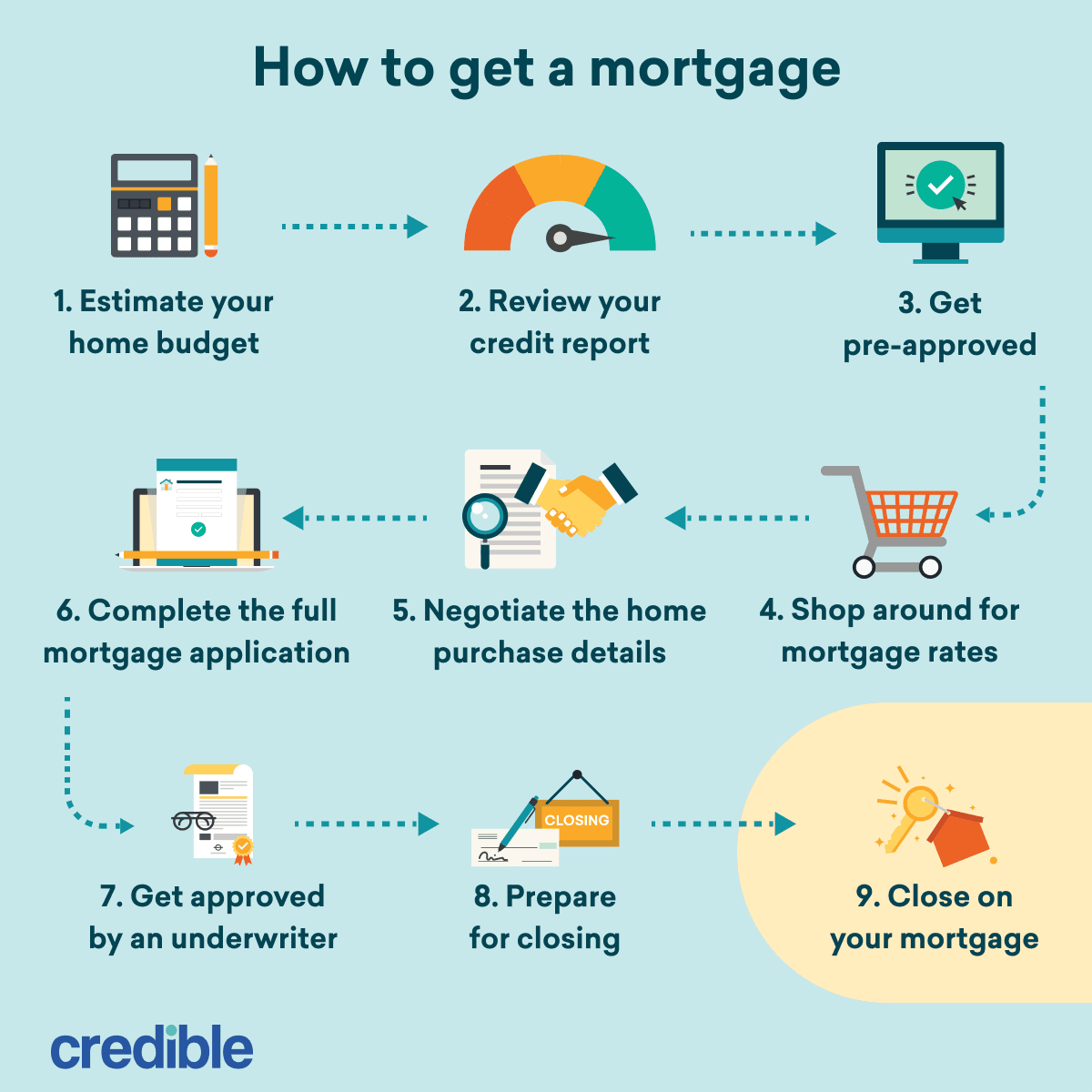
Interest rates change daily, and sometimes hourly. A rate lock guarantees your interest rate for a specific period (typically 30, 45, or 60 days) while your loan is processed. Discuss the timing of your lock with your lender. If rates are trending upward, locking early is wise. If rates are falling, you might consider a “float-down” option, which allows you to lock in a lower rate if the market improves before you close.
Reviewing the Closing Disclosure
At least three business days before you close, your lender is legally required to provide you with a Closing Disclosure (CD). This document summarizes the final terms of your loan, including the final interest rate, monthly payment, and the exact “cash to close” amount. Compare this document carefully against the initial Loan Estimate you received. If there are significant discrepancies in the fees or terms, ask for an explanation immediately. This 72-hour window is your final opportunity to ensure the mortgage you are signing is the one you agreed to.
Preparation for Closing Costs
On closing day, you will be required to provide the funds for your down payment and closing costs. This is typically handled via a wire transfer or a cashier’s check. Ensure you have coordinated with your bank in advance, as wire transfers can sometimes take several hours to process. Once the documents are signed and the funds are distributed, the mortgage process is complete, and you officially become a homeowner.
Finding the right mortgage is a marathon, not a sprint. By prioritizing your credit health, understanding the nuances of loan products, and aggressively shopping the market, you can secure financing that serves as a foundation for your long-term financial success. The effort put into the front end of the process—researching, comparing, and documenting—pays dividends for years to come in the form of lower interest expenses and peace of mind.
aViewFromTheCave is a participant in the Amazon Services LLC Associates Program, an affiliate advertising program designed to provide a means for sites to earn advertising fees by advertising and linking to Amazon.com. Amazon, the Amazon logo, AmazonSupply, and the AmazonSupply logo are trademarks of Amazon.com, Inc. or its affiliates. As an Amazon Associate we earn affiliate commissions from qualifying purchases.