
For most people, purchasing a home represents the single largest financial commitment of their lives. It’s a monumental step, often accompanied by a complex web of financial decisions, none more critical than understanding the mortgage loan itself. One of the fundamental questions every prospective homeowner asks is, “How many years is a house loan?” While the answer might seem straightforward on the surface, the reality is nuanced, offering a spectrum of choices that significantly impact affordability, long-term costs, and overall financial well-being. This article aims to demystify mortgage terms, exploring the standard options available, the factors influencing your decision, and strategies to make the most informed choice for your unique financial situation.

The Standard Mortgage Landscape: Common Loan Durations
When you apply for a mortgage, you’re essentially borrowing a substantial sum of money that you agree to repay, with interest, over a specified period. This period is known as the loan term or amortization period. While a variety of terms exist, a few standard durations dominate the market, each with its own set of implications.
The Ubiquitous 30-Year Fixed-Rate Mortgage
The 30-year fixed-rate mortgage is, without a doubt, the most popular choice for homebuyers in many parts of the world. Its widespread appeal stems primarily from its affordability. By stretching the repayment period over three decades, monthly payments are significantly lower compared to shorter-term loans for the same principal amount. This makes homeownership accessible to a broader demographic, allowing individuals and families to purchase properties that might otherwise be out of reach with higher monthly obligations. The “fixed-rate” aspect means your interest rate, and thus your principal and interest payment, remains constant for the entire 30 years, providing unparalleled predictability and protection against rising interest rates. However, the trade-off is substantial: over 30 years, you will pay considerably more in total interest than you would with a shorter-term loan, as interest accrues for a longer duration. It offers flexibility in monthly budgeting but comes at a higher long-term cost.
The Accelerated Path: 15-Year Fixed-Rate Mortgages
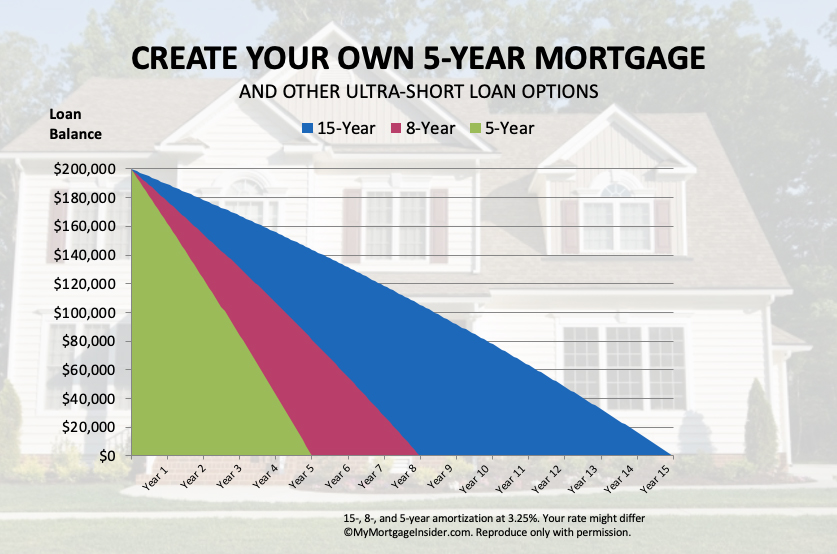
For those with stronger financial footing or a desire to shed debt quickly, the 15-year fixed-rate mortgage presents an attractive alternative. As the name suggests, this loan term halves the repayment period compared to its 30-year counterpart. The most significant advantage of a 15-year mortgage is the dramatic reduction in the total amount of interest paid over the life of the loan. Because the principal is paid down much faster, less interest has time to accrue, leading to substantial savings. Often, 15-year mortgages also come with slightly lower interest rates than 30-year loans, further amplifying these savings. The primary disadvantage, however, is the significantly higher monthly payment. To pay off the same loan amount in half the time, your monthly obligations will be considerably larger, demanding a more robust income and tighter budgeting. For those who can comfortably afford the elevated payments, a 15-year mortgage is a powerful tool for building equity faster and achieving financial freedom sooner.
Exploring Other Loan Terms: 10, 20, and 25-Year Options
While 30-year and 15-year terms dominate, the mortgage market isn’t strictly binary. Lenders often offer other fixed-rate options, such as 10-year, 20-year, or 25-year mortgages. These terms serve as intermediaries, allowing borrowers to customize their loan structure to better fit their unique financial profiles and goals. A 20-year loan, for example, offers lower total interest than a 30-year loan while still having more manageable monthly payments than a 15-year loan. Similarly, a 10-year loan provides the quickest path to mortgage freedom and the lowest total interest paid, but demands the highest monthly commitment. These less common terms provide flexibility for niche situations, perhaps for homeowners who are nearing retirement, have received a significant inheritance, or are looking to pay off their home before a major life event. Understanding this spectrum of options empowers borrowers to find a sweet spot between affordability, interest savings, and debt repayment speed.
Factors Influencing Your Loan Term Decision
Choosing the right mortgage term is a highly personal decision, influenced by a confluence of financial, personal, and economic factors. There’s no one-size-fits-all answer, making a careful evaluation crucial.
Financial Capacity and Monthly Budget
Your income, existing debt obligations, and overall financial stability are paramount in determining which loan term is feasible. A 30-year mortgage, with its lower monthly payments, offers greater flexibility in your budget, allowing you to allocate funds to other financial goals like retirement savings, education funds, or discretionary spending. If your income is stable but not exceptionally high, or if you have significant student loan or credit card debt, the lower payment of a longer term might be essential for maintaining a comfortable lifestyle and preventing financial strain. Conversely, if you have a high disposable income and minimal other debts, a shorter loan term’s higher payments might be easily absorbed, aligning with a strategy to minimize interest and achieve debt-free homeownership faster. It’s about finding a payment that you can comfortably afford, not just now, but for years to come, without feeling “house poor.”
Interest Rates and Total Cost of Ownership
While the monthly payment is a primary concern, the total cost of ownership over the life of the loan is equally vital. This cost is heavily influenced by the interest rate and the loan term. Longer terms accrue interest for more periods, leading to a significantly higher total interest payment, even if the interest rate itself is lower. For instance, a $300,000 mortgage at 6.0% interest over 30 years will cost substantially more in total interest than the same loan at 5.5% over 15 years, despite the longer term having a higher interest rate in this hypothetical. Calculating the total interest paid for different scenarios is an eye-opening exercise that highlights the financial burden of extended debt. Online mortgage calculators are invaluable tools for comparing these figures side-by-side, helping you visualize the true long-term financial impact of each loan term.
Long-Term Financial Goals and Life Stages
Your personal financial roadmap and current life stage should heavily influence your mortgage term choice. Are you planning to retire in 15 years? A 15-year mortgage could align perfectly with that goal, ensuring your home is paid off before your income stream changes significantly. Are you in your early career, with income growth expected? A 30-year mortgage might provide the necessary breathing room now, with the option to accelerate payments later. Do you foresee major expenses like college tuition for children in the future? A lower monthly payment from a longer-term mortgage might free up cash flow for these impending costs. Your mortgage is a financial tool that should support, rather than hinder, your broader life goals, whether that’s early retirement, funding a business, or simply having more financial flexibility.
Market Conditions and Economic Outlook
The prevailing interest rate environment and broader economic outlook can also play a role in your decision. In periods of historically low interest rates, securing a fixed-rate loan for a longer term (like 30 years) can be particularly attractive, as it locks in a low rate for an extended period, protecting you from future rate hikes. Conversely, if interest rates are relatively high but expected to fall, some borrowers might consider a shorter-term mortgage or an adjustable-rate mortgage (ARM) with the intention of refinancing when rates drop. However, ARMs carry inherent risks and require a careful understanding of their potential payment adjustments. While most individuals don’t have perfect foresight into economic trends, being aware of the general market conditions can add another layer of insight to your decision-making process.
Advantages and Disadvantages of Different Loan Terms
Each mortgage term comes with a unique set of pros and cons that directly impact your financial health and peace of mind. A balanced understanding of these trade-offs is essential.
Benefits of a Shorter Loan Term
The primary benefits of a shorter loan term, such as a 15-year mortgage, are compelling. First and foremost is the significantly lower total interest paid. By paying off the principal more quickly, less interest has time to accrue, leading to substantial savings over the life of the loan. This means more of your monthly payment goes towards building equity in your home, rather than just servicing interest. Second, you achieve financial freedom sooner. Being mortgage-free in 10 or 15 years can liberate significant cash flow, which can then be redirected towards retirement savings, investments, or other personal goals, providing immense peace of mind and financial flexibility in the later stages of your working life. Third, you build equity faster, meaning your ownership stake in the property grows more rapidly, which can be beneficial if you plan to sell or access a home equity loan in the future.
Drawbacks of a Shorter Loan Term
Despite the attractive benefits, shorter loan terms also come with notable drawbacks. The most significant is the higher monthly payment. To pay off the same amount of principal in a shorter timeframe, each payment must be larger. This can strain your monthly budget, leaving less discretionary income for other expenses, savings, or investments. This reduced financial flexibility can be a major concern, particularly during unexpected financial hardships or periods of job instability. If your income isn’t robust or highly predictable, the higher payment could lead to financial stress or even an increased risk of default if you encounter difficulties. It demands a comfortable and consistent cash flow.
Benefits of a Longer Loan Term
Longer loan terms, such as the popular 30-year mortgage, offer distinct advantages, primarily centered around affordability and financial flexibility. The most significant benefit is the lower monthly payment. By spreading the loan repayment over an extended period, each installment is smaller, making homeownership more accessible and manageable for a wider range of budgets. This translates to greater cash flow flexibility, as more of your income remains available for other expenses, savings, or investments. This extra breathing room can be invaluable for families, individuals with fluctuating incomes, or those balancing other significant financial obligations like student loans or childcare costs. It also provides a buffer against unexpected expenses or economic downturns, as your housing payment consumes a smaller portion of your income.
Drawbacks of a Longer Loan Term
The affordability of a longer loan term comes at a significant cost: higher total interest paid. While your monthly payments are lower, you are paying interest for a much longer duration (20-30 years versus 10-15 years), meaning the cumulative amount of interest paid over the life of the loan can be tens or even hundreds of thousands of dollars more. This effectively makes the house more expensive in the long run. Additionally, you experience slower equity build-up. In the early years of a 30-year mortgage, a larger proportion of your payment goes towards interest rather than principal, meaning your ownership stake grows at a slower pace. This can delay your ability to tap into home equity or achieve full homeownership. Finally, you remain under debt burden for a longer period, potentially impacting your financial planning for retirement or other major life milestones.
Strategies for Managing Your Mortgage Term
Even after selecting an initial loan term, you’re not entirely locked in. There are several proactive strategies you can employ to manage your mortgage and potentially reduce its duration and cost.
Understanding Amortization and How it Works
A fundamental concept in mortgage finance is amortization. This refers to the process of gradually paying off a debt over time through a series of regular payments. In the early years of a typical mortgage (especially a 30-year one), a disproportionately large portion of your monthly payment goes towards interest, with only a small amount chipping away at the principal balance. As the loan progresses, this ratio shifts, and more of your payment begins to reduce the principal. Understanding your amortization schedule helps you visualize this dynamic and appreciate how extra payments, particularly early on, can have a profound impact by directly reducing the principal, thereby cutting down the amount of interest you’ll pay over the entire term.
The Power of Prepayment and Additional Principal Payments
One of the most effective ways to shorten your mortgage term and save substantial interest is through prepayment. Making additional principal payments, even small ones, can have a dramatic effect. By designating extra funds specifically to reduce the principal, you’re immediately cutting down the base on which future interest is calculated. This snowball effect can shave years off your loan term and thousands of dollars off your total interest paid. You can achieve this in various ways: rounding up your monthly payment, making an extra payment each year, or applying windfalls like bonuses or tax refunds directly to your mortgage principal. Always confirm with your lender that extra payments will be applied directly to the principal balance, not merely held for future payments.
Refinancing: Adjusting Your Loan Term Mid-Stream
Refinancing involves taking out a new mortgage to pay off your existing one. This strategy can be used to adjust your loan term, often to a shorter one. For instance, if you started with a 30-year mortgage and your financial situation has improved significantly a few years in, you might refinance into a 15-year term. This allows you to accelerate your payoff and save on interest, taking advantage of your current affordability without being burdened by the higher payments from the outset of your original loan. Refinancing also presents an opportunity to secure a lower interest rate if market rates have fallen, further enhancing your savings. However, refinancing comes with closing costs, so it’s essential to perform a break-even analysis to ensure the long-term savings outweigh the upfront expenses.
Considering Bi-Weekly Payments
A simple yet effective strategy to shorten your mortgage term is to switch to bi-weekly payments. Instead of making one monthly payment, you make a payment every two weeks. Since there are 52 weeks in a year, this results in 26 half-payments, which equates to 13 full monthly payments per year (26 / 2 = 13), rather than the standard 12. That one extra payment per year, often without feeling like a major burden on your budget, can significantly reduce your loan term and total interest paid over time. Many lenders offer this option directly, or you can manually implement it by dividing your monthly payment by 12 and adding that amount to each of your 12 monthly payments, effectively making a 13th payment each year.
Making the Right Choice: A Personalized Approach
Ultimately, the best mortgage term for you is one that aligns with your current financial reality, future aspirations, and personal comfort level with debt.
Assessing Your Risk Tolerance and Future Outlook
Consider your job security, expected income growth, and any major life changes on the horizon. If your income is stable and likely to grow, a shorter term might be manageable. If it’s less predictable or you anticipate periods of reduced income, the flexibility of a longer term might be crucial. Your personal risk tolerance also plays a role: do you prefer the peace of mind of being debt-free sooner, even if it means higher payments now, or do you prioritize lower monthly obligations and greater cash flow flexibility?
Consulting Financial Professionals
Before making such a significant decision, it is highly advisable to consult with a qualified financial advisor or a reputable mortgage lender. They can provide personalized guidance, analyze your financial situation, compare different loan scenarios, and help you understand the nuances of each option. Their expertise can uncover considerations you might overlook and ensure you’re making a truly informed decision.
The Importance of a Long-Term Financial Plan
Your mortgage choice should not exist in a vacuum. It should be an integral part of your broader long-term financial plan, which includes retirement savings, investment strategies, emergency funds, and other debt management. A well-chosen mortgage term supports these goals, allowing you to build wealth, achieve financial independence, and secure your financial future. Whether it’s the affordability of a 30-year loan or the rapid debt reduction of a 15-year term, the right choice is the one that best serves your comprehensive financial objectives.
In conclusion, “how many years is a house loan” is a question with multiple answers, each carrying significant financial implications. By understanding the standard terms, analyzing your personal financial situation, and employing smart management strategies, you can select and navigate a mortgage term that not only helps you achieve homeownership but also contributes positively to your overall financial well-being.
aViewFromTheCave is a participant in the Amazon Services LLC Associates Program, an affiliate advertising program designed to provide a means for sites to earn advertising fees by advertising and linking to Amazon.com. Amazon, the Amazon logo, AmazonSupply, and the AmazonSupply logo are trademarks of Amazon.com, Inc. or its affiliates. As an Amazon Associate we earn affiliate commissions from qualifying purchases.