
The question of when mortgage interest rates will drop is one that resonates deeply with prospective homebuyers, current homeowners considering refinancing, and anyone monitoring the broader economic landscape. It’s a complex inquiry with no simple answer, as mortgage rates are influenced by a confluence of economic factors, monetary policy decisions, and global events. Understanding these intricate relationships is crucial for making informed financial decisions in the housing market. This article delves into the underlying drivers of mortgage interest rates, examines the current economic environment, and offers insights into what might be expected in the coming months and years, all from a personal finance and investment perspective.
The Core Drivers Behind Mortgage Interest Rates
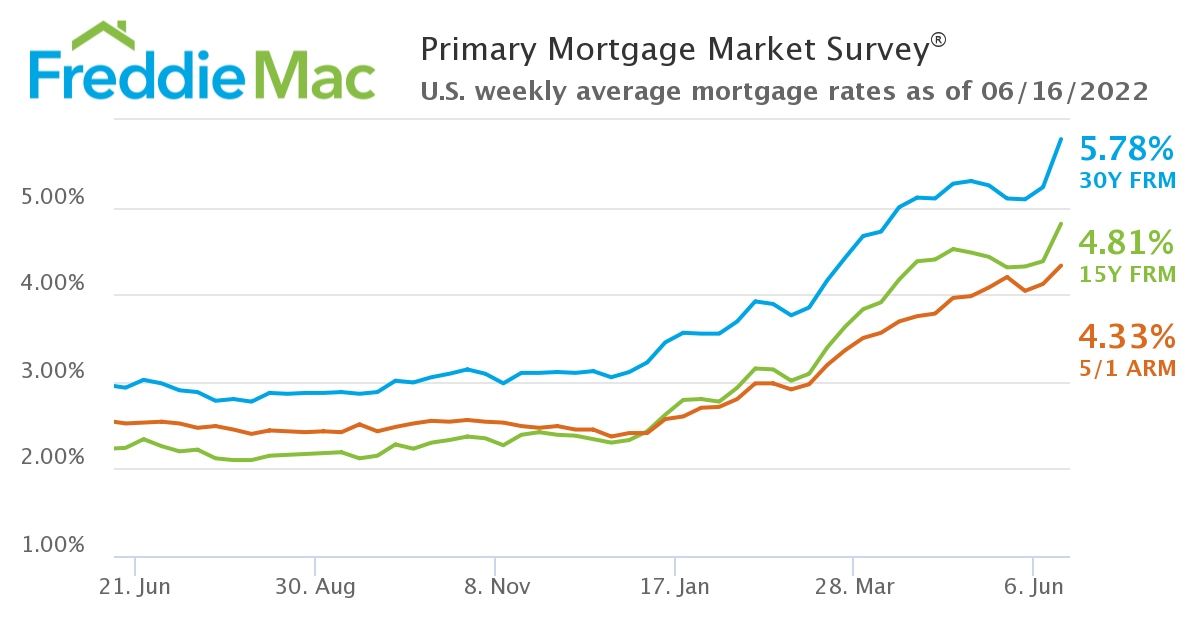
Mortgage interest rates are not set in a vacuum. They are a reflection of the broader economic health and the prevailing financial conditions. While many people attribute rate movements solely to the Federal Reserve, the reality is more nuanced, involving a complex interplay of various economic forces.
The Federal Reserve’s Influence and Monetary Policy
The Federal Reserve, the central bank of the United States, plays a pivotal, though indirect, role in setting mortgage rates. The Fed primarily influences the federal funds rate, which is the target rate for overnight lending between banks. When the Fed raises the federal funds rate, it generally makes borrowing more expensive throughout the economy, including for banks. This increased cost of funds for banks can, in turn, lead to higher interest rates on various consumer loans, including mortgages. Conversely, when the Fed cuts the federal funds rate, it signals an easing of monetary policy, typically leading to lower borrowing costs. However, it’s critical to remember that long-term mortgage rates, particularly those for 30-year fixed mortgages, are more closely tied to the yield on the 10-year Treasury bond than to the federal funds rate directly. Market expectations of future Fed actions are also a significant factor, as bond markets often price in anticipated rate changes well in advance. The Fed’s dual mandate of maximizing employment and maintaining price stability (controlling inflation) guides all its monetary policy decisions.
Inflation’s Persistent Grip
Inflation is arguably the most significant single factor driving current mortgage rate discussions. Lenders charge interest to compensate for the risk they take and to ensure their returns aren’t eroded by rising prices over time. When inflation is high, the purchasing power of money diminishes, meaning that a dollar today is worth more than a dollar tomorrow. To offset this loss of purchasing power, lenders demand higher interest rates on loans. The higher the perceived risk of inflation in the future, the higher the interest rates. The Federal Reserve’s aggressive rate hikes over recent periods have been a direct response to persistently elevated inflation levels, aiming to cool down demand and bring price increases back to its target of around 2%. Until inflation shows consistent and convincing signs of returning to this target, the downward pressure on mortgage rates will likely remain constrained. Key inflation indicators include the Consumer Price Index (CPI), the Personal Consumption Expenditures (PCE) price index (the Fed’s preferred measure), and producer price indices (PPI).
Economic Indicators and Market Sentiment
Beyond the Fed and inflation, a host of other economic indicators and overall market sentiment contribute to rate movements. Strong economic growth, often characterized by robust GDP numbers and low unemployment, can lead to higher inflation expectations and, consequently, higher rates. Conversely, signs of an economic slowdown or recession can prompt a flight to safety into government bonds, pushing their yields (and thus mortgage rates) lower. The labor market, specifically unemployment rates, job creation numbers, and wage growth, provides crucial insights into the economy’s health and potential inflationary pressures. Geopolitical events, global economic stability, and even significant shifts in investor confidence can also trigger volatility in bond markets, impacting mortgage rates. For instance, global crises often lead to increased demand for U.S. Treasury bonds as a safe haven, which can temporarily push their yields down.
A Look Back: Historical Context and Cycles
Understanding the historical behavior of mortgage rates can provide valuable context, even though past performance is not a definitive predictor of future results. Economic cycles, driven by various forces, have consistently shaped interest rate trends over decades.
Understanding Rate Volatility Over Decades
Mortgage interest rates have experienced significant volatility throughout history. For example, the 1970s and early 1980s saw exceptionally high rates, with the 30-year fixed mortgage rate peaking at over 18% in 1981, a period characterized by rampant inflation. This was followed by a general downward trend over the next few decades, reaching historic lows after the 2008 financial crisis and again during the COVID-19 pandemic, dipping below 3%. These historical swings illustrate that rates are not static and can respond dramatically to economic shifts and policy interventions. Periods of sustained economic growth with moderate inflation often see stable, moderate rates, while periods of high inflation or economic crisis can lead to sharp increases or decreases. The long-term trend, however, has generally been influenced by structural changes in the global economy and monetary policy frameworks.
The Impact of Major Economic Events
Major economic events have historically served as inflection points for mortgage rates. The dot-com bubble burst in the early 2000s, the 9/11 attacks, the 2008 global financial crisis, and the COVID-19 pandemic all triggered significant responses from central banks and shifts in market sentiment, leading to distinct patterns in interest rate movements. For instance, the financial crisis of 2008 prompted the Fed to implement quantitative easing and keep interest rates near zero for an extended period, leading to exceptionally low mortgage rates. Similarly, the economic shock of the COVID-19 pandemic saw rates plummet as the Fed aggressively cut rates and injected liquidity into the financial system to support the economy. Conversely, periods of rapid economic expansion or inflationary pressures, such as the post-pandemic rebound coupled with supply chain issues, have typically seen rates rise as central banks tighten monetary policy. These events underscore the interconnectedness of global economics and their immediate impact on borrowing costs for consumers.
Current Economic Landscape and Future Projections
To gauge when mortgage rates might drop, it’s essential to analyze the current economic environment and consider various projections, acknowledging that these are estimates based on available data and subject to change.
Decoding Recent Fed Statements and FOMC Meetings
The Federal Open Market Committee (FOMC) meetings are closely watched by financial markets. The Fed’s forward guidance, press conferences, and the “dot plot” (which shows individual FOMC members’ projections for the federal funds rate) offer critical clues about future monetary policy. Recent statements have emphasized a data-dependent approach, meaning the Fed will continue to monitor inflation, employment, and other economic indicators before making decisions on rate cuts or hikes. The consensus among many economists is that the Fed will likely hold rates steady for a period until there is clear and sustained evidence that inflation is moving towards its 2% target. Any indication from the Fed that it is nearing the end of its tightening cycle or considering rate cuts typically sends a signal to bond markets, which can then lead to a decline in long-term Treasury yields and, consequently, mortgage rates. However, the timing of these cuts remains a subject of intense debate and speculation.

Inflationary Trends: CPI, PCE, and Wage Growth
The trajectory of inflation is paramount. While headline inflation (measured by CPI and PCE) has shown signs of moderating from its peak, core inflation (which excludes volatile food and energy prices) often remains stickier. Services inflation, in particular, which is highly influenced by wage growth, has proven more challenging to bring down. Wage growth, while beneficial for workers, can create a wage-price spiral if it outpaces productivity gains, making it harder for the Fed to achieve its inflation target. Therefore, consistent data showing a slowdown in wage growth and a sustained deceleration across various components of inflation will be key precursors to potential rate cuts. Investors and analysts scrutinize monthly inflation reports for any signs of a definitive downward trend, as these reports heavily influence market expectations for future Fed actions and, by extension, mortgage rates.
The Labor Market’s Role in Monetary Decisions
A strong labor market, characterized by low unemployment and robust job creation, typically indicates a healthy economy. However, an overheated labor market can also contribute to inflationary pressures through rising wages and increased consumer demand. The Fed aims for a “soft landing” – bringing inflation down without triggering a significant recession or a sharp increase in unemployment. Therefore, a gradual cooling of the labor market, where job openings decline, hiring slows, and wage growth moderates without a surge in unemployment, would be seen as a positive sign that the Fed’s policies are working. If the labor market remains exceptionally tight, the Fed might be compelled to keep rates higher for longer, which would continue to put upward pressure on mortgage rates. Conversely, any significant weakening in the labor market could prompt the Fed to consider rate cuts sooner to prevent a deeper economic downturn.
Geopolitical Factors and Global Economic Stability
Beyond domestic economic indicators, global geopolitical events and the overall stability of the world economy can also impact U.S. mortgage rates. Conflicts, trade disputes, energy price shocks, or significant economic slowdowns in major global economies can create uncertainty, influencing investor behavior. In times of global instability, investors often seek safe-haven assets, with U.S. Treasury bonds being a primary beneficiary. Increased demand for Treasuries can push their yields down, potentially leading to lower mortgage rates. Conversely, if geopolitical tensions escalate and disrupt supply chains or energy markets, it could reignite inflationary pressures, forcing central banks to maintain a hawker stance. Therefore, monitoring global developments is an integral part of forecasting the future direction of interest rates.
What to Expect and How to Prepare
Given the complexities, predicting the exact timing and magnitude of a mortgage rate drop is challenging. However, understanding likely scenarios and preparing strategically can empower prospective homebuyers and current homeowners.
Expert Consensus vs. Market Speculation
While there’s no universal agreement, many economists and financial institutions anticipate that mortgage rates will likely decline modestly from their current elevated levels in the coming year or two. This expectation is largely predicated on the assumption that inflation will continue to trend downwards, allowing the Federal Reserve to begin cutting the federal funds rate. However, the pace and depth of these cuts are subject to ongoing debate. Some anticipate a gradual reduction, while others foresee more aggressive cuts if economic conditions deteriorate. Market speculation, often reflected in bond futures, also plays a role, sometimes pricing in rate cuts sooner or more aggressively than official Fed guidance suggests. It’s crucial to differentiate between these various projections and understand that market sentiment can shift rapidly based on incoming data. The overarching theme is that significant and sustained drops in rates are unlikely until there is clear evidence of disinflation and a more balanced labor market.
Strategies for Prospective Homebuyers
For prospective homebuyers, the current environment demands strategic planning. If you are waiting for rates to drop significantly before purchasing, you might be waiting for some time. Instead, consider focusing on what you can afford now. One common strategy is to buy a home when you are financially ready and then explore refinancing options if and when rates decline. An Adjustable-Rate Mortgage (ARM) might be an option for those comfortable with some risk, as ARMs typically start with lower interest rates for an initial period before adjusting. However, this comes with the risk of rates increasing later. It’s also wise to get pre-approved for a mortgage to understand your borrowing power and to be ready to act when the right property comes along. Building a strong credit score and saving for a larger down payment can also help secure a more favorable rate, regardless of market conditions. Focus on finding a home that meets your needs and budget, rather than solely timing the market.
Refinancing Considerations for Current Homeowners
Current homeowners with higher mortgage rates might be eagerly awaiting a drop to refinance. The decision to refinance should be based on a clear understanding of the break-even point – how long it will take for the savings from a lower interest rate to offset the closing costs associated with refinancing. Online refinance calculators can help with this assessment. Keep a close eye on interest rate trends and consult with multiple lenders to compare offers when rates begin to move downwards. Even a modest drop in rates could yield significant savings over the life of a loan. Furthermore, consider a “rate-and-term” refinance if your primary goal is to lower your monthly payment or shorten your loan term. A “cash-out” refinance, while offering liquidity, should be approached with caution as it increases your loan principal and extends the repayment period.
Navigating Uncertainty: A Long-Term Perspective
The housing and mortgage markets are inherently cyclical and subject to various influences. A long-term perspective, coupled with robust personal financial planning, is the most effective approach for navigating this uncertainty.
The Importance of Personal Financial Planning
Regardless of where interest rates are headed, solid personal financial planning remains paramount. This includes establishing an emergency fund, managing debt effectively, and setting clear financial goals. For homebuyers, this means thoroughly assessing affordability beyond just the monthly mortgage payment, taking into account property taxes, insurance, maintenance, and potential HOA fees. For current homeowners, it involves regularly reviewing your financial situation, understanding your mortgage terms, and proactively planning for future expenses. Consulting with a qualified financial advisor can provide tailored insights and help you make decisions aligned with your broader financial objectives, ensuring you’re prepared for various economic scenarios, including unexpected rate changes.
Beyond Interest Rates: Other Costs of Homeownership
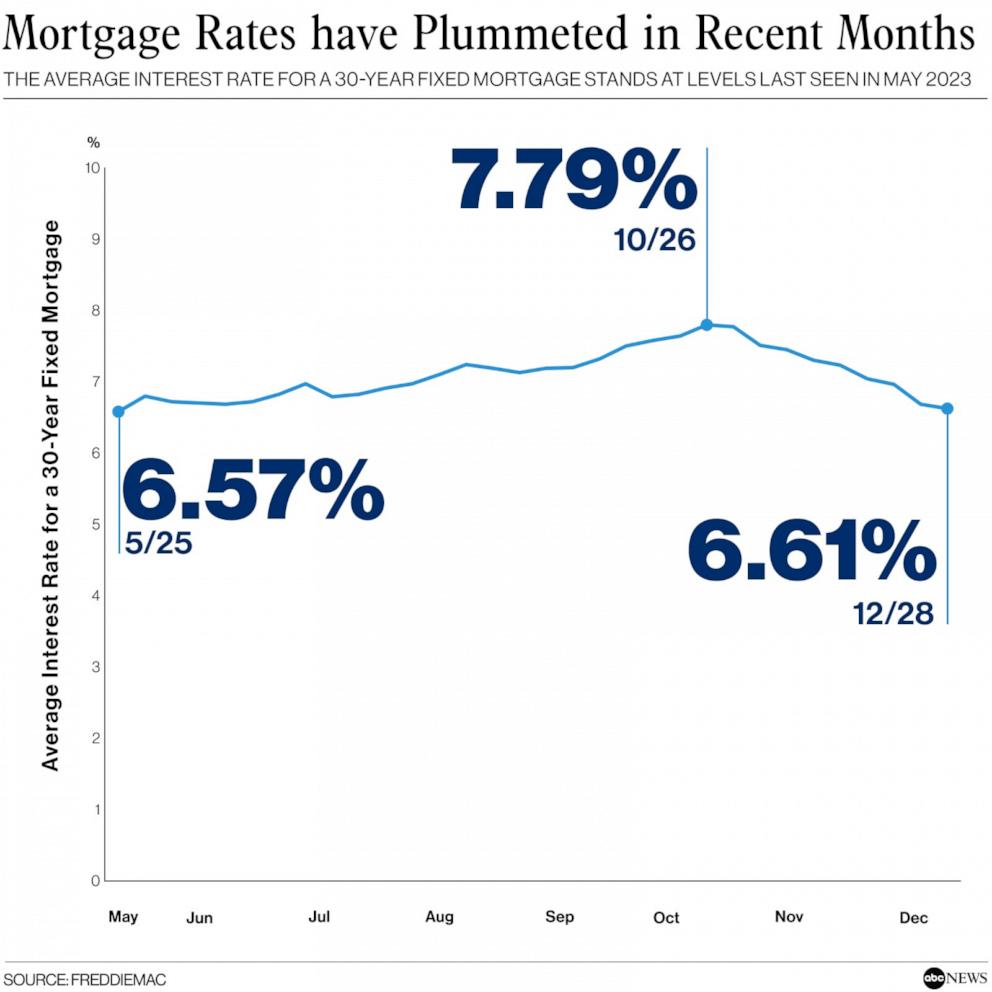
While interest rates dominate the conversation, it’s crucial not to overlook other significant costs associated with homeownership. Property taxes can rise, homeowners insurance premiums are subject to change, and maintenance costs can be substantial and unpredictable. These expenses collectively contribute to the total cost of homeownership and can impact your financial comfort even if interest rates drop. Prospective buyers should budget conservatively for these ongoing costs. Current homeowners should regularly review their insurance policies and be prepared for property tax assessments. A holistic understanding of all financial commitments related to owning a home will provide a clearer picture of true affordability and financial readiness, empowering you to make sound decisions irrespective of the fluctuations in mortgage interest rates.
In conclusion, while the precise timing of a significant drop in mortgage interest rates remains uncertain, the consensus points towards a gradual decline as inflation is brought under control and the Federal Reserve potentially eases its monetary policy. By understanding the underlying economic drivers, staying informed about market trends, and employing strategic personal finance planning, individuals can best position themselves to navigate the evolving mortgage landscape.
aViewFromTheCave is a participant in the Amazon Services LLC Associates Program, an affiliate advertising program designed to provide a means for sites to earn advertising fees by advertising and linking to Amazon.com. Amazon, the Amazon logo, AmazonSupply, and the AmazonSupply logo are trademarks of Amazon.com, Inc. or its affiliates. As an Amazon Associate we earn affiliate commissions from qualifying purchases.