
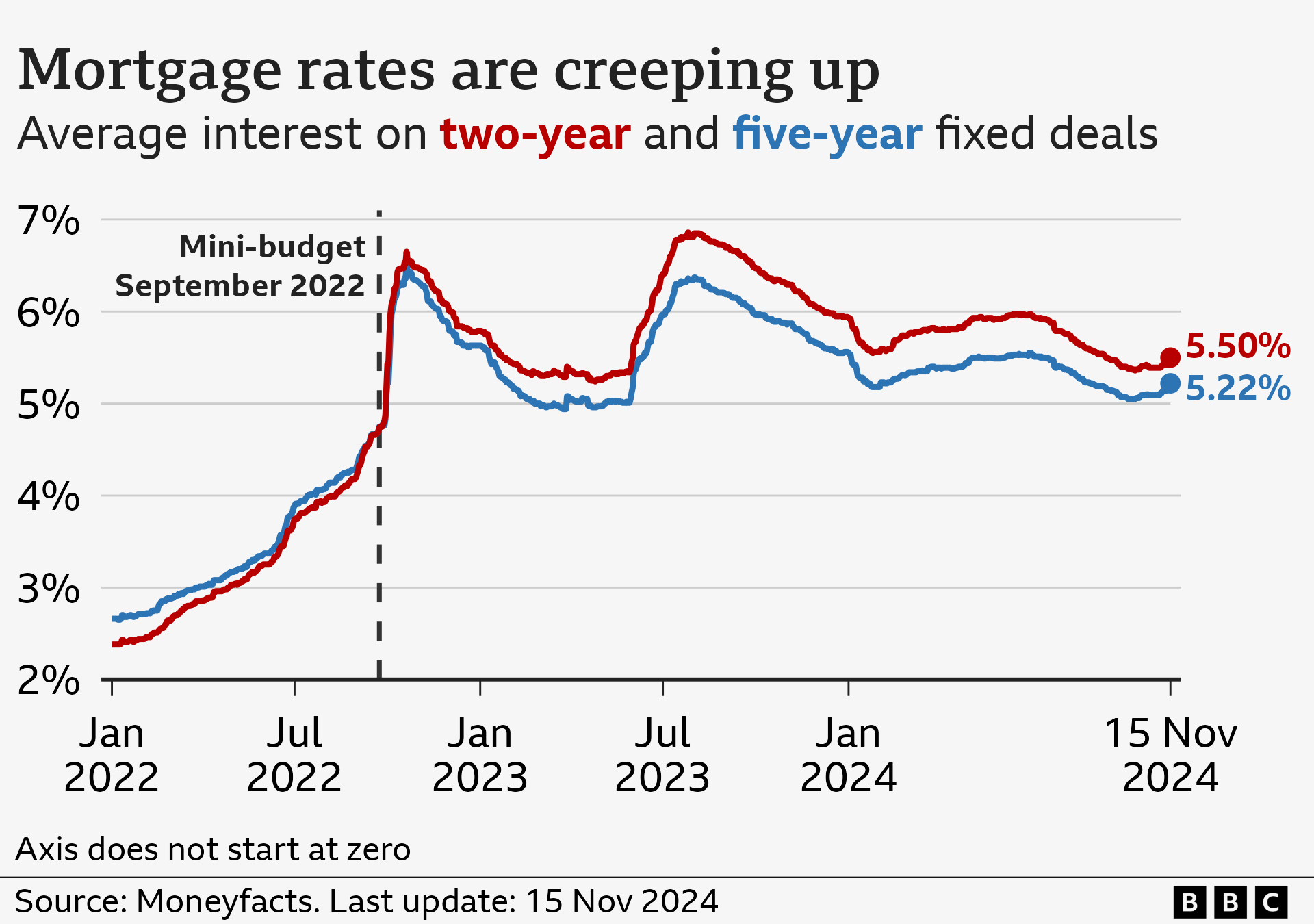
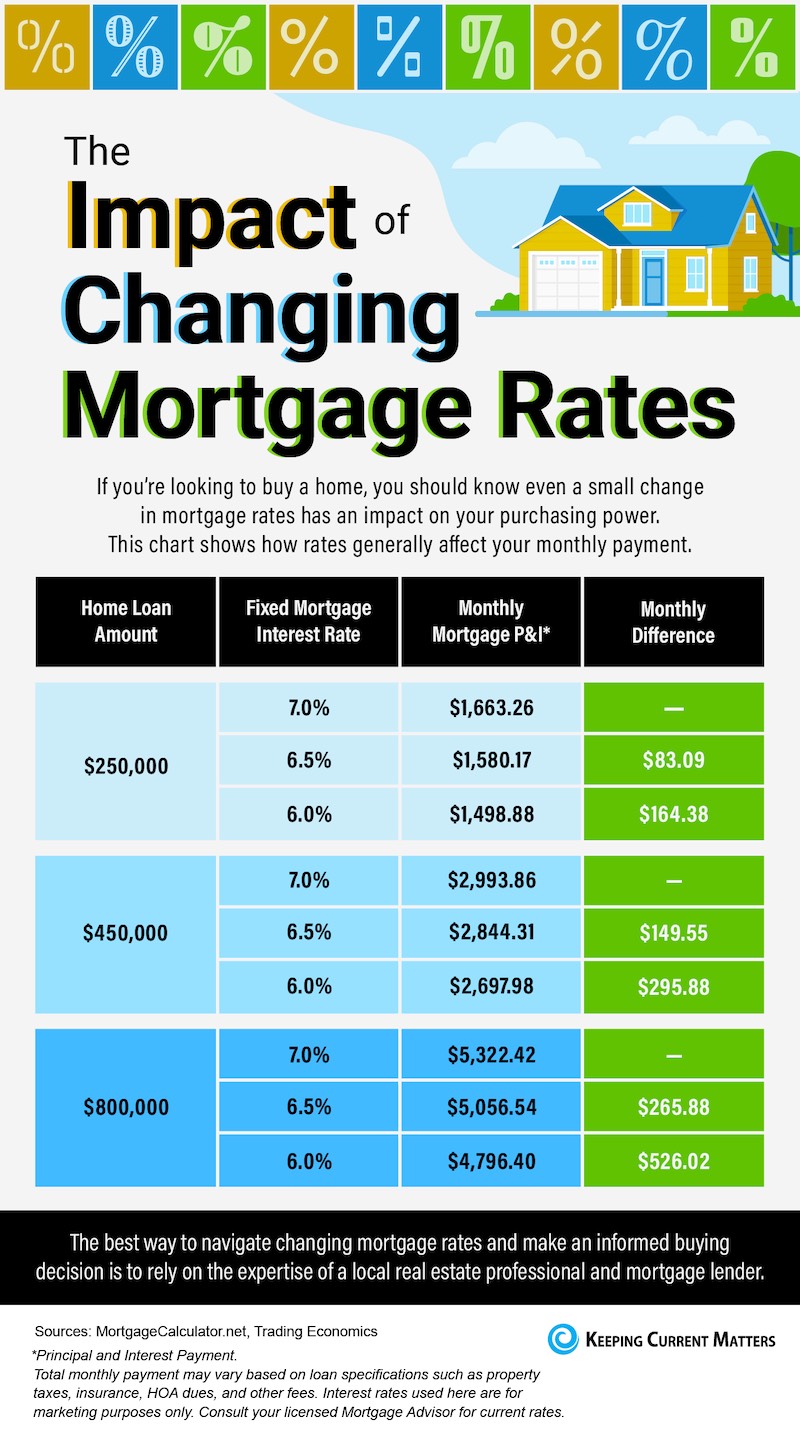
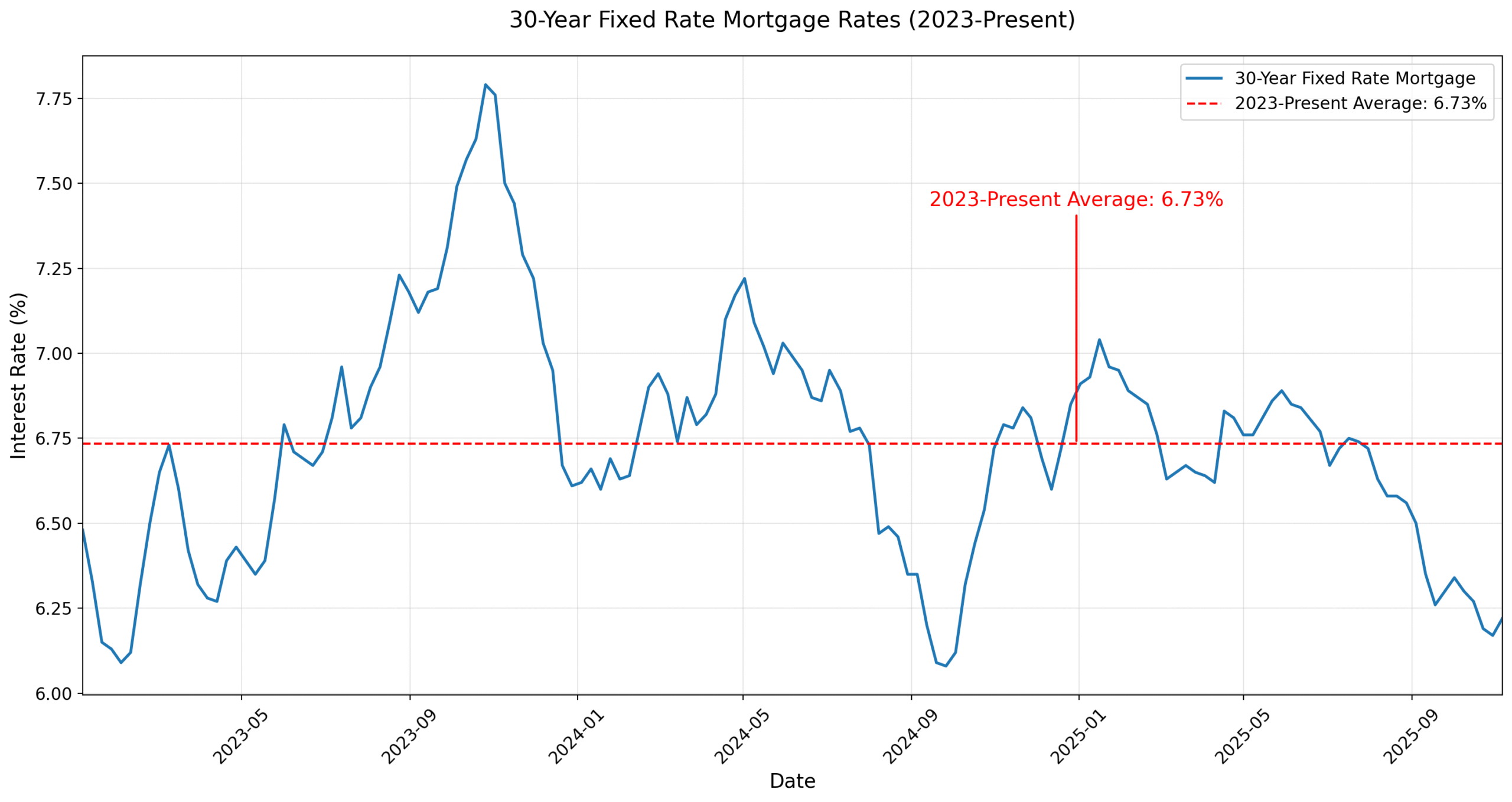
For the average homebuyer or homeowner looking to refinance, mortgage rates can feel like a moving target. One day a lender quotes 6.5%, and by the following Tuesday, that figure has shifted to 6.75% or dropped to 6.3%. This volatility often leads to the question: When, exactly, do mortgage rates change? The short answer is that mortgage rates change every business day—and often multiple times within a single day—driven by a complex interplay of global economic data, investor sentiment, and central bank policy.
Understanding the mechanics of these fluctuations is essential for anyone navigating the personal finance landscape. Timing a mortgage lock can save a borrower tens of thousands of dollars over the life of a loan. To master this timing, one must look beyond the local bank branch and into the gears of the global financial markets.
The Macroeconomic Engine: Why Rates Move Daily
Mortgage rates are not set by a single government entity or a secret committee of bankers. Instead, they are determined by the trading of Mortgage-Backed Securities (MBS) in the secondary market. Because these securities are traded just like stocks or Treasury bonds, their value—and the resulting interest rates—fluctuates as investors buy and sell based on new information.
The Role of the Federal Reserve
One of the most common misconceptions in personal finance is that the Federal Reserve sets mortgage rates. While the Fed does not directly control the interest rate you receive from a lender, its influence is profound. The Federal Open Market Committee (FOMC) sets the “federal funds rate,” which is the short-term rate at which banks lend to one another overnight.
When the Fed raises this rate to combat inflation, it increases the cost of borrowing across the board. While mortgage rates primarily track long-term yields, they typically move in anticipation of Fed actions. If the market expects a Fed rate hike in three months, mortgage rates may begin to climb today. Conversely, when the Fed signals a “dovish” stance—suggesting they may lower rates to stimulate the economy—mortgage rates often begin to soften.
Inflation and Its Impact on Yields
Inflation is the primary enemy of fixed-income investments like mortgages. When a lender issues a 30-year fixed-rate mortgage, they are essentially betting that the interest they receive will be worth more than the rising cost of goods and services over three decades.
If inflation data (such as the Consumer Price Index) comes in higher than expected, the “real” value of those future interest payments is eroded. To compensate for this loss of purchasing power, investors demand higher yields. Consequently, when inflation rises, mortgage rates almost inevitably follow. This is why mortgage rates change immediately following the release of monthly inflation reports.
The Relationship with the 10-Year Treasury Note
In the world of finance, mortgage rates are most closely correlated with the yield on the 10-year U.S. Treasury note. Although a mortgage may have a 30-year term, the average life of a mortgage is much shorter—often seven to ten years—due to people selling their homes or refinancing.
Investors view the 10-year Treasury as a “risk-free” benchmark. Because mortgages carry more risk than government debt (the risk of default or prepayment), they must offer a higher yield to attract investors. This gap is known as the “spread.” When the 10-year Treasury yield moves up 10 basis points in a morning trading session, mortgage lenders usually adjust their rate sheets by the afternoon.
Economic Indicators That Trigger Rate Shifts
Market volatility is often triggered by “data releases.” These are scheduled reports from government agencies and private organizations that provide a snapshot of the economy’s health. Professional traders watch these calendars closely, and the moment the data hits the wires, mortgage-backed securities are repriced.
Employment Reports and Labor Data
The Monthly Jobs Report (Non-Farm Payrolls) is perhaps the most significant market mover outside of a Fed meeting. A strong jobs report suggests a robust economy where consumers have more money to spend, which can lead to higher inflation. Usually, “good news” for the economy (high employment) is “bad news” for mortgage rates, as it puts upward pressure on yields. Conversely, if unemployment rises, the market anticipates a slowdown, and rates may drop as investors seek the safety of bonds.
Consumer Price Index (CPI) and Producer Price Index (PPI)
As mentioned, inflation is a critical factor. The CPI measures what consumers pay for goods, while the PPI measures what producers pay. If these reports show that prices are cooling faster than expected, mortgage rates often experience a sharp decline within minutes of the announcement. For a borrower, being aware of the release dates for these reports can be the difference between locking a rate at the right time or missing a window of opportunity.
Housing Market Trends and Demand
While macro factors dominate, the housing market itself provides feedback loops. High demand for homes can lead to a surge in mortgage applications. If lenders find themselves overwhelmed with volume, they may intentionally raise their rates slightly higher than the market average to slow down the influx of business and ensure they can meet their service-level agreements. This is a supply-and-demand dynamic within the banking industry that can cause localized rate changes.
Internal Market Mechanics: The Secondary Market and MBS
To understand when rates change, one must understand how a lender “prices” a loan. Most lenders do not keep your mortgage on their books for 30 years. Instead, they package loans into Mortgage-Backed Securities (MBS) and sell them to investors on Wall Street.
How Mortgage-Backed Securities Work
When you see a headline saying “mortgage rates improved today,” it actually means the price of MBS increased. In the bond world, price and yield have an inverse relationship. When the price of an MBS goes up, the interest rate (yield) goes down.
Lenders monitor the MBS market in real-time. If the MBS market is volatile, a lender might issue three or four different “rate sheets” in a single day. A “morning open” rate might be 6.625%, but if the bond market rallies, they might issue a “mid-day re-price for the better,” dropping the rate to 6.5%.
Lender Profit Margins and Risk Premium
Lenders also adjust rates based on their own internal capacity and profit targets. During periods of extreme market volatility, lenders often build in a “risk premium.” If they aren’t sure where the market will be in four hours, they might keep rates slightly higher than necessary to protect themselves from losing money on a loan before they can sell it. As the market stabilizes, this “cushion” disappears, and rates may drop even if the underlying bond yields haven’t moved.
Personal Variables: When Your Specific Rate Changes
While the market determines the “par rate,” your individual rate can change based on your specific financial profile. This is where personal finance management intersects with market dynamics.
Credit Score Milestones and Adjustments
In the mortgage industry, rates are often tiered based on credit scores, usually in 20-point increments (e.g., 680–699, 700–719, 720–739). If your credit score drops from a 741 to a 739 during the underwriting process because you opened a new credit card or missed a payment, your mortgage rate could change significantly, regardless of what is happening on Wall Street. These are known as Loan Level Price Adjustments (LLPAs).
Loan-to-Value (LTV) Ratios
The amount of equity you have in a home (or the size of your down payment) also dictates your rate. If an appraisal comes in lower than expected, your Loan-to-Value ratio increases. If that ratio crosses a specific threshold (such as moving from 80% LTV to 81%), the lender may be required by Fannie Mae or Freddie Mac to charge a higher interest rate or a higher fee to offset the increased risk.
The Impact of Locking Your Rate
A mortgage rate is not “real” until it is locked. A “float” is when a borrower chooses not to lock in a rate, hoping the market will improve. During this period, the rate changes every time the market moves. Once a rate lock is executed, the lender guarantees that interest rate for a specific period (usually 30, 45, or 60 days). However, if the lock expires before the loan closes, the rate will change to the current market rate, which could be much higher.
Strategic Timing: How to Navigate Volatility
For a borrower, knowing that rates change daily is only useful if it informs a strategy. Navigating these shifts requires a blend of market awareness and financial readiness.
Watching the “Morning Open” and “Mid-Day Re-prices”
Most lenders release their first set of rates between 9:30 AM and 10:30 AM Eastern Time. This follows the opening of the bond markets. If major economic news is released at 8:30 AM (as is common for government reports), the “morning open” will already reflect that news.
Smart borrowers and loan officers watch for “re-prices.” If the bond market is gaining strength throughout the morning, it is often wise to wait until the afternoon to lock, as the lender may issue a better rate sheet. If the market is crashing, locking immediately in the morning before a “re-price for the worse” is the best move.
Seasonal Fluctuations in the Mortgage Industry
While daily changes are driven by data, there are also seasonal trends. Historically, the housing market is most active in the spring and summer. During these peak months, the high volume of applications can sometimes lead to “margin expansion,” where lenders keep rates slightly higher because they have more business than they can handle. In the slower winter months, lenders may become more competitive with their pricing to attract a smaller pool of borrowers, leading to subtle downward pressure on rates.
The “Wait and See” vs. “Lock and Go” Dilemma
In a declining rate environment, the temptation to wait is strong. However, market volatility can erase weeks of gains in a single afternoon. A professional approach to this personal finance decision is to establish a “target rate.” If the market hits that target, lock the rate and stop watching the news. The cost of “missing the bottom” is usually much lower than the cost of “catching the top” of a sudden rate spike.
Ultimately, mortgage rates change because the world’s economy is never static. They are a reflection of collective expectations for growth, inflation, and stability. By understanding that these rates are tied to the daily ebb and flow of the bond market, borrowers can move from a position of confusion to one of strategic advantage, ensuring they secure the best possible terms for their financial future.
aViewFromTheCave is a participant in the Amazon Services LLC Associates Program, an affiliate advertising program designed to provide a means for sites to earn advertising fees by advertising and linking to Amazon.com. Amazon, the Amazon logo, AmazonSupply, and the AmazonSupply logo are trademarks of Amazon.com, Inc. or its affiliates. As an Amazon Associate we earn affiliate commissions from qualifying purchases.