
For anyone looking to buy a home, refinance an existing mortgage, or simply understand the dynamics of the housing market in the Golden State, the current mortgage rate is arguably the single most critical piece of information. California, with its diverse geography, vibrant economy, and notoriously competitive real estate market, presents a unique landscape for homebuyers. Unlike a national average, which can often obscure regional nuances, understanding the specific factors and prevailing rates within California is essential for making informed financial decisions.
Mortgage rates are in a constant state of flux, influenced by a complex interplay of national economic indicators, global financial markets, and specific state-level conditions. While a precise, real-time figure is elusive due to rapid daily changes and lender-specific offerings, we can delve into the mechanisms that drive these rates, provide a snapshot of current trends, and offer strategies for securing the most favorable terms in California’s challenging yet rewarding housing environment.

Understanding California’s Mortgage Landscape
California’s mortgage market operates within the broader national framework but carries distinct characteristics that warrant closer examination. The sheer size of its economy, the high cost of living in many urban centers, and unique demographic trends all contribute to a mortgage environment that often differs from other parts of the country.
Factors Influencing Mortgage Rates Locally and Nationally
Several interconnected factors dictate the trajectory of mortgage rates. At the macro level, the Federal Reserve’s monetary policy plays a significant role. While the Fed does not directly set mortgage rates, its actions regarding the federal funds rate influence the cost of borrowing for banks, which, in turn, impacts the rates they offer consumers. Inflation, or the rate at which prices for goods and services rise, is another critical determinant. Lenders typically demand higher interest rates to compensate for the erosion of purchasing power caused by inflation.
Beyond these, the bond market, particularly the yield on the 10-year Treasury note, serves as a strong indicator for long-term fixed mortgage rates. When bond yields rise, mortgage rates tend to follow suit. Economic growth, employment figures, and consumer confidence also feed into the equation, reflecting the overall health of the economy and influencing investor sentiment.
Locally, California’s high property values mean that a larger proportion of loans fall into the “jumbo loan” category, which are loans exceeding conforming loan limits set by Fannie Mae and Freddie Mac. Jumbo loans often carry slightly different interest rates due to their higher risk profile for lenders, adding another layer of complexity to the state’s mortgage rate landscape.
The Impact of Economic Indicators on California Rates
California’s robust economy, driven by technology, agriculture, and entertainment, can sometimes create a degree of insulation from national downturns, but it’s not immune. Strong job growth and a competitive housing market, while indicative of economic health, can also put upward pressure on home prices, requiring larger loan amounts. Conversely, any slowdown in these key sectors could influence local lender sentiment and rate offerings.
The sheer demand for housing in California also plays a role. In highly desirable areas, the intense competition among buyers can sometimes allow lenders to maintain slightly higher rates, as there’s a strong pool of applicants regardless. Property tax rates, while not directly impacting the interest rate itself, significantly affect the total monthly housing cost and thus a buyer’s affordability calculations, subtly influencing demand and market dynamics.
Types of Mortgages Available in California
California residents have access to the same fundamental mortgage types as buyers nationwide, but the choice can be particularly impactful given the state’s price points:
-
Fixed-Rate Mortgages (FRMs): The most common type, offering a consistent interest rate and monthly payment for the life of the loan (typically 15, 20, or 30 years). This provides stability and predictability.
-
Adjustable-Rate Mortgages (ARMs): These loans feature an initial fixed interest rate period (e.g., 3, 5, 7, or 10 years), after which the rate adjusts periodically based on a predetermined index. ARMs can offer lower initial payments but carry the risk of higher payments in the future. In California’s expensive markets, ARMs can sometimes be attractive for buyers looking for lower initial costs, particularly if they plan to sell or refinance before the fixed period ends.
-
FHA Loans: Government-insured loans popular for first-time homebuyers or those with lower credit scores. They offer lower down payment requirements but come with mortgage insurance premiums (MIPs).
-
VA Loans: Offered to eligible veterans, service members, and their spouses, these loans often require no down payment and do not have private mortgage insurance.
-
Jumbo Loans: Specifically for loan amounts exceeding the conforming loan limits (which are significantly higher in high-cost California counties). These are prevalent in many parts of the state.
Navigating Today’s Mortgage Rates in the Golden State
Pinpointing the current mortgage rate in California is like trying to hit a moving target. Rates change daily, even hourly, and vary based on the lender, borrower’s financial profile, and specific loan product. However, we can look at prevailing averages and understand the nuances.
Current Averages for Fixed-Rate Mortgages (30-Year, 15-Year)
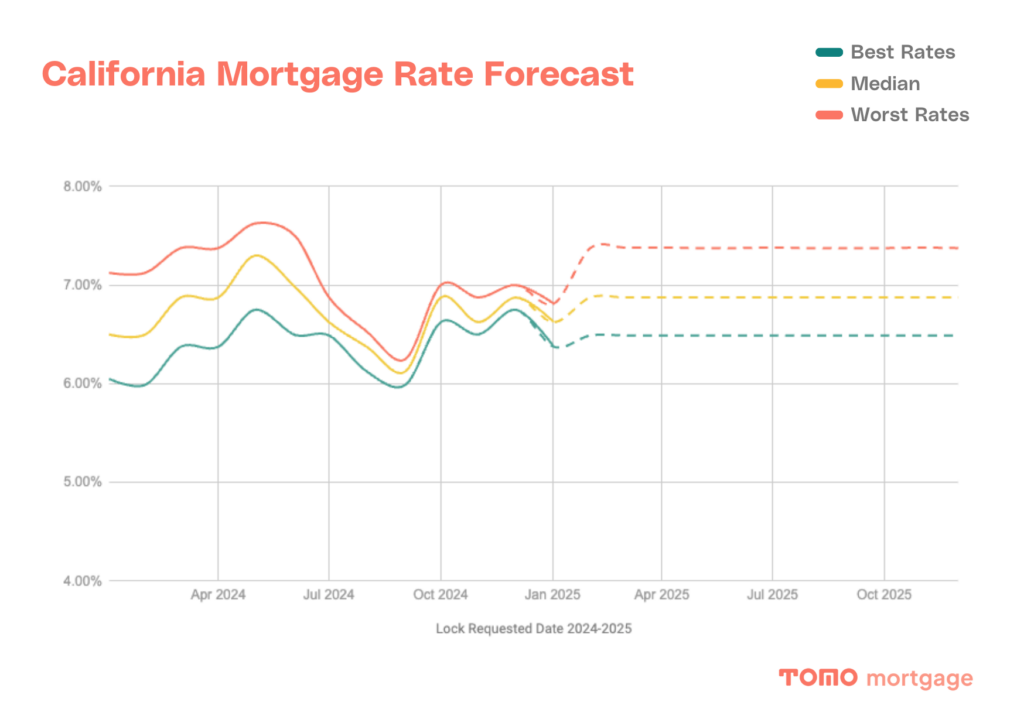
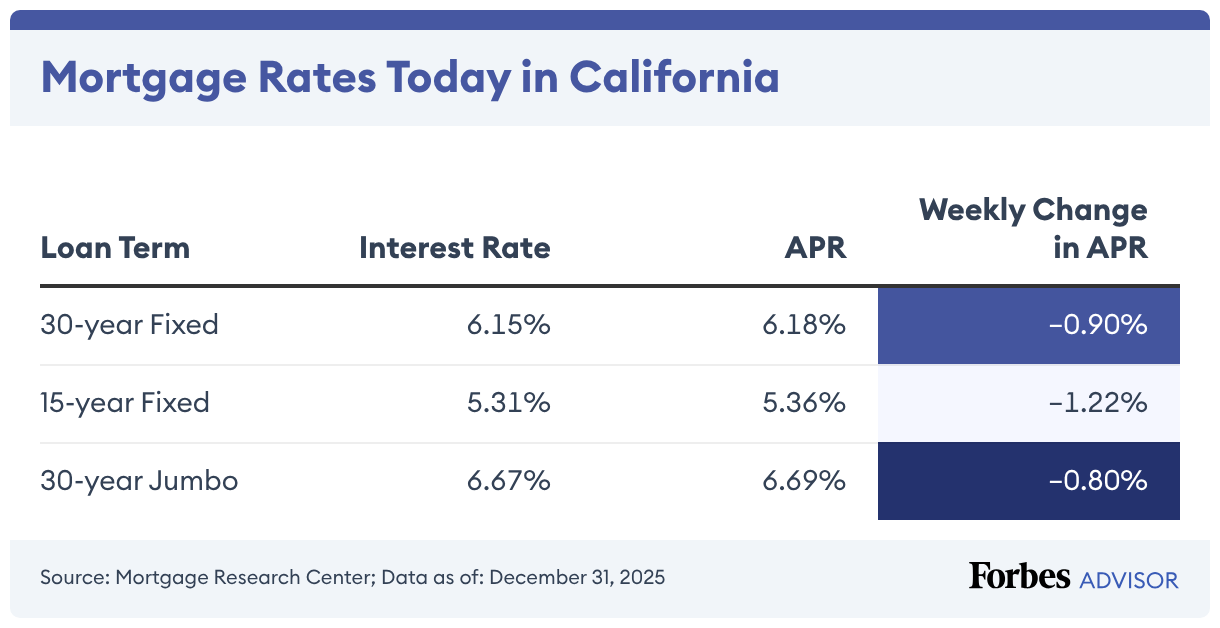
Generally, the 30-year fixed-rate mortgage is the most popular choice due to its lower monthly payments and long-term stability. As of [Hypothetical Current Period, e.g., early 2024], average 30-year fixed rates in California have typically hovered around [e.g., 6.5% to 7.5%], mirroring national trends but sometimes with slight variations depending on lender appetite and regional competition.
The 15-year fixed-rate mortgage, while offering significantly lower total interest paid over the life of the loan, comes with higher monthly payments. Rates for 15-year fixed loans are generally lower than their 30-year counterparts, often by [e.g., 0.5% to 1.0%], making them attractive for borrowers who can comfortably afford the higher payments and want to build equity faster.
It’s crucial to remember that these are averages. An individual borrower’s rate will depend on their credit score, down payment size, debt-to-income ratio, property type, and the specific lender’s offerings.
Exploring Adjustable-Rate Mortgages (ARMs)
ARMs often begin with a lower interest rate than fixed-rate options for an initial period. For instance, a 5/1 ARM would have a fixed rate for the first five years, after which it adjusts annually. In a high-cost market like California, where affordability is a constant challenge, ARMs can be appealing for some. They might allow a borrower to qualify for a larger loan or make monthly payments more manageable in the short term. However, the risk of significant payment increases after the fixed period is a serious consideration, especially in an unpredictable interest rate environment. Buyers considering an ARM should have a clear strategy, such as selling the home or refinancing before the adjustment period, or the financial cushion to absorb potential rate hikes.
Conforming vs. Jumbo Loans in California
California’s unique housing market means that jumbo loans are a common reality for many homebuyers, especially in major metropolitan areas like San Francisco, Los Angeles, and San Diego. Conforming loan limits are set annually, and in high-cost counties in California, these limits are significantly higher than the national standard. For example, while the national conforming limit for a single-family home might be around $766,550 in 2024, in many California counties, it can exceed $1,149,825.
Loans that exceed these higher local conforming limits are considered jumbo loans. Historically, jumbo rates could be slightly higher or lower than conforming rates, depending on market conditions and lender appetite for these larger, often more complex, loans. Currently, the spread between jumbo and conforming rates can vary, but borrowers should expect slightly different underwriting requirements, potentially larger down payments, and stricter credit score thresholds for jumbo financing.
Strategies for Securing the Best Mortgage Rate
Even when rates are generally high, proactive steps can significantly improve a borrower’s chances of securing the most favorable terms possible.
Improving Your Credit Score
Your credit score is paramount. Lenders use it as a primary indicator of your creditworthiness and ability to repay debt. A higher FICO score (generally 740+) signals lower risk, often qualifying you for the lowest available interest rates. Tactics to improve your score include paying bills on time, reducing credit card balances, avoiding new credit applications before applying for a mortgage, and correcting any errors on your credit report.
Optimizing Your Down Payment
A larger down payment reduces the loan amount and the lender’s risk, often translating to a better interest rate. While 20% is often considered ideal to avoid private mortgage insurance (PMI) on conventional loans, even slightly increasing your down payment beyond the minimum can make a difference. In California, where home prices are high, even a 10% or 15% down payment can be a substantial sum, but it’s worth exploring how different down payment scenarios impact your rate.
Shopping Around and Comparing Lenders
This is perhaps the most crucial step. Mortgage rates can vary significantly from one lender to another on any given day. Applying with multiple lenders – including large banks, credit unions, and mortgage brokers – within a short window (typically 14-45 days, depending on the credit scoring model) will be treated as a single inquiry on your credit report, minimizing the impact. This allows you to compare not just the interest rate but also origination fees, closing costs, and overall loan terms. A difference of even a quarter or half a percentage point can save tens of thousands of dollars over the life of a loan.
Understanding Loan Costs and Fees
The interest rate is just one component of the total cost of a mortgage. Borrowers must also consider closing costs, which include origination fees, appraisal fees, title insurance, escrow fees, and points (which are fees paid to the lender in exchange for a lower interest rate). A lower advertised interest rate might come with higher fees, making the overall cost potentially greater. Requesting a Loan Estimate from each lender will provide a clear breakdown of all costs, allowing for a true apples-to-apples comparison.
The Future Outlook for California Mortgage Rates
Predicting the future of mortgage rates is challenging, but understanding the prevailing sentiments and potential influences can help homebuyers prepare.
Expert Predictions and Market Trends
Industry experts closely watch inflation, the Federal Reserve’s stance on interest rates, and the overall economic growth trajectory. If inflation continues to moderate, and the Fed signals an end to its rate-hiking cycle or even potential cuts, mortgage rates could see some downward pressure. Conversely, any resurgence in inflation or robust economic data that might prompt further Fed tightening could lead to rates remaining elevated or even increasing.
California-specific trends, such as ongoing housing inventory shortages and continued job growth in tech and other high-paying sectors, will also influence demand and, indirectly, lender sentiment.
Potential Impacts of Federal Reserve Policy
The Federal Reserve’s primary tool for influencing the economy is the federal funds rate. While not directly setting mortgage rates, changes to this benchmark rate reverberate throughout the financial system, affecting other short-term and long-term borrowing costs. As the Fed continues to assess inflation and employment, its decisions will be the single most significant factor in shaping the broader interest rate environment, including mortgages. Market expectations about future Fed actions often cause rates to move even before an official announcement.
Long-Term Considerations for California Homebuyers
For Californians, the long-term outlook involves navigating persistent affordability challenges. While rates may fluctuate, the underlying demand for housing, coupled with limited supply, means that home prices are likely to remain elevated in many areas. This underscores the importance of not just securing a good rate but also carefully budgeting for property taxes, insurance, and the overall cost of homeownership in the state. Planning for a potential refinance down the line, should rates decrease, can also be a viable long-term strategy.
Beyond the Rate: Additional Considerations for California Homebuyers
While the interest rate is paramount, it’s part of a larger financial picture that California homebuyers must consider.
Property Taxes and Insurance in California
California’s property tax system, governed by Proposition 13, assesses taxes based on the last sales price, increasing by a maximum of 2% annually until the property is sold again. This means newer homeowners often face significantly higher property tax bills than long-time residents. Property taxes, along with homeowners insurance (which is becoming increasingly complex and expensive in parts of California due to wildfire risk and other natural disasters), are typically bundled into monthly mortgage payments via an escrow account. These costs can add hundreds, if not thousands, of dollars to your monthly outlay, regardless of your interest rate.
Local Market Dynamics and Affordability
California’s housing market is highly localized. What’s happening in San Francisco can be vastly different from Sacramento or Bakersfield. Researching local market trends, median home prices, and inventory levels in your target area is crucial. High competition in desirable neighborhoods can mean needing to move quickly and having a strong financial offer, including a pre-approval, ready. Affordability calculators tailored for California can help potential buyers understand how much home they can truly afford given local price points and their financial situation.
The Importance of Professional Guidance
Navigating the complexities of the California mortgage market requires expertise. Engaging with a reputable mortgage broker or lender who understands the nuances of the state’s regulations, loan products (especially jumbo loans), and local market conditions is invaluable. They can help you compare options, understand closing costs, and guide you through the application and underwriting process, ensuring you secure the best possible terms for your unique situation.
Conclusion
Determining the “current mortgage rate in California” is a dynamic quest, intertwined with national economic forces and specific state-level conditions. While rates constantly fluctuate, understanding the underlying drivers, exploring various loan types, and employing strategic financial planning can empower homebuyers to make sound decisions. From optimizing credit scores and down payments to diligently shopping for lenders, every step taken to secure a favorable rate contributes significantly to long-term financial health in the Golden State’s competitive housing market. Ultimately, the best rate is the one that aligns with your financial goals, risk tolerance, and ability to comfortably afford the total cost of homeownership in California.
aViewFromTheCave is a participant in the Amazon Services LLC Associates Program, an affiliate advertising program designed to provide a means for sites to earn advertising fees by advertising and linking to Amazon.com. Amazon, the Amazon logo, AmazonSupply, and the AmazonSupply logo are trademarks of Amazon.com, Inc. or its affiliates. As an Amazon Associate we earn affiliate commissions from qualifying purchases.