
Navigating the mortgage market can feel like deciphering a complex financial riddle. With countless lenders, an array of loan products, and rates that fluctuate daily, the quest to find “the best mortgage rate” is a common, yet often daunting, undertaking for homebuyers and homeowners looking to refinance. It’s a question that doesn’t have a single, static answer, but rather a dynamic equation influenced by economic forces, lender strategies, and, most critically, your personal financial profile.
This comprehensive guide will demystify the process, helping you understand the myriad factors that contribute to mortgage rates, how to strategically position yourself for the most favorable terms, and what considerations extend beyond the rate itself when choosing a lender. By the end, you’ll be equipped with the knowledge to approach the mortgage market with confidence, making an informed decision that aligns with your financial goals.
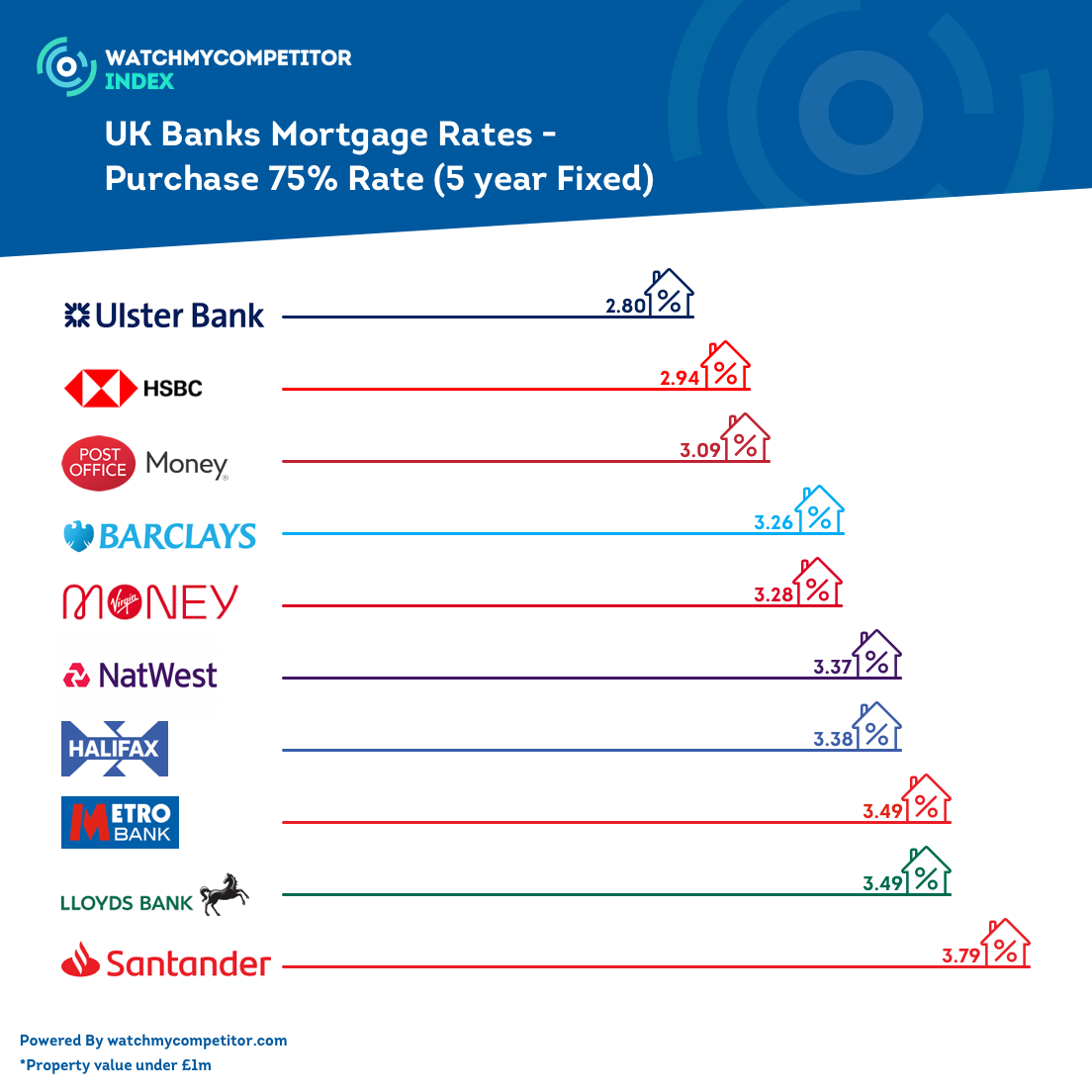
Decoding Mortgage Rates: Beyond the Advertised Numbers
At first glance, a mortgage rate might seem like a straightforward percentage, but beneath the surface lies a complex interplay of economic indicators, market forces, and lender-specific calculations. Understanding these foundational elements is crucial to appreciating why rates differ and how to interpret the numbers you encounter.
What Constitutes a Mortgage Rate?
When lenders quote a mortgage rate, they are primarily referring to the interest rate – the percentage of the principal loan amount that you pay in interest over the life of the loan. However, it’s vital to differentiate this from the Annual Percentage Rate (APR). The APR is a broader measure of the total cost of borrowing, encompassing not only the interest rate but also other charges and fees associated with the loan, such as origination fees, discount points, and some closing costs. While a lower interest rate is attractive, a lower APR provides a more accurate picture of your overall borrowing expense.
Furthermore, mortgages come in various forms, most notably fixed-rate mortgages and adjustable-rate mortgages (ARMs). A fixed-rate mortgage offers a consistent interest rate for the entire loan term, providing predictability in monthly payments. ARMs, conversely, have an initial fixed period (e.g., 5, 7, or 10 years), after which the rate adjusts periodically based on a predetermined index, often resulting in fluctuating monthly payments. Your choice here significantly impacts the long-term stability and potential cost of your mortgage.
The Economic Landscape’s Role
Mortgage rates are inextricably linked to the broader economic environment. Several key economic indicators and policies exert a profound influence:
-
Federal Reserve Policy: While the Federal Reserve doesn’t directly set mortgage rates, its actions, particularly regarding the federal funds rate, indirectly impact them. When the Fed raises its benchmark rate, it typically leads to higher borrowing costs across the economy, including mortgages, as lenders’ cost of funds increases.
-
Bond Market Performance: Long-term fixed mortgage rates are closely tied to the yields on U.S. Treasury bonds, specifically the 10-year Treasury note. When bond yields rise, mortgage rates generally follow suit, and vice-versa. This is because investors compare the returns on mortgage-backed securities (which finance mortgages) to the safety of Treasury bonds.
-
Inflation Expectations: Lenders factor anticipated inflation into their rates. If inflation is expected to rise, lenders will demand higher interest rates to compensate for the eroded purchasing power of future repayments. Conversely, low inflation can put downward pressure on rates.
-
Supply and Demand: The overall demand for mortgages, coupled with the supply of available credit from lenders, can also influence rates. High demand with limited supply can push rates up, while a competitive lending environment with ample capital can drive them down.
Lender Margins and Operational Costs
Beyond the external economic factors, each individual lender has its own internal calculations that contribute to the rates it offers. These include:
-
Profit Margins: Lenders are businesses and need to make a profit. Their rates incorporate a margin above their cost of funds.
-
Operational Costs: This includes staffing, technology, marketing, and regulatory compliance. Larger, more efficient lenders might be able to offer slightly lower rates due to economies of scale.
-
Risk Assessment: Lenders assess the risk associated with each loan. Higher perceived risk (e.g., to a borrower with a lower credit score) will result in a higher interest rate to compensate the lender for that increased risk.
Understanding these underlying mechanisms empowers you to see beyond the surface-level rate and comprehend the dynamic forces at play, which is the first step in finding the best deal.
Personal Factors That Drive Your Mortgage Rate
While macroeconomic conditions set the baseline, your individual financial profile plays an equally critical role in determining the specific mortgage rate you’ll be offered. Lenders scrutinize several key personal factors to assess your creditworthiness and the risk involved in lending to you. Optimizing these elements before applying can significantly improve your chances of securing the most competitive rates.
Your Credit Score: The Ultimate Predictor
Your credit score, typically a FICO score, is arguably the single most important factor lenders consider. It’s a numerical representation of your credit history, reflecting your reliability in repaying debts. Lenders use it to gauge the likelihood of you defaulting on your mortgage.
-
Impact: Borrowers with excellent credit scores (generally 740 and above) are seen as low-risk and qualify for the lowest interest rates. As your credit score decreases, the perceived risk to the lender increases, leading to higher interest rates.
-
Maintenance: To improve or maintain a strong credit score, ensure you pay all your bills on time, keep credit utilization low, avoid opening too many new credit accounts simultaneously, and regularly check your credit report for errors.
Down Payment Size: Lower Risk, Better Terms
The amount of money you put down upfront for your home, expressed as a percentage of the home’s purchase price, directly impacts your loan-to-value (LTV) ratio. A lower LTV (meaning a larger down payment) signals less risk to the lender.
-
Benefits of a Larger Down Payment:
-
Lower Rates: Lenders typically offer better interest rates for lower LTVs.
-
Reduced Private Mortgage Insurance (PMI): If your down payment is less than 20% on a conventional loan, you’ll generally be required to pay PMI, an additional monthly cost that protects the lender. A larger down payment can help you avoid this expense entirely.
-
More Equity: You start with more equity in your home, providing a greater financial cushion.
-
Debt-to-Income (DTI) Ratio: Your Repayment Capacity
Your debt-to-income (DTI) ratio is a critical metric that lenders use to assess your ability to manage monthly payments and repay debt. It compares your total monthly debt payments (including the proposed mortgage payment) to your gross monthly income.
-
Calculation: There are two types:
-
Front-end DTI: Percentage of your gross income going towards housing costs (PITI – principal, interest, taxes, and insurance).
-
Back-end DTI: Percentage of your gross income going towards all monthly debt payments (including housing, credit card minimums, car loans, student loans, etc.).
-
-
Lender Thresholds: Most lenders prefer a back-end DTI of 36% or lower for conventional loans, though some may go up to 43-50% depending on other factors like credit score and cash reserves. A lower DTI indicates you have more disposable income to cover your mortgage payments, making you a more attractive borrower and potentially qualifying you for better rates.
Loan Type and Term: A Menu of Choices
The specific type of mortgage you choose and its repayment term also influence the rate.
-
Loan Types:
-
Conventional Loans: Often require good credit and a decent down payment.
-
FHA Loans: Government-backed, lower down payment and more lenient credit requirements, but typically come with mortgage insurance premiums (MIP) for the life of the loan.
-
VA Loans: For eligible service members and veterans, often require no down payment and no PMI, offering very competitive rates.
-
USDA Loans: For rural properties, also government-backed with no down payment for eligible borrowers.
-
-
Loan Term:
-
15-Year Mortgages: Typically come with lower interest rates than 30-year mortgages because the lender’s risk is lower over a shorter period. However, the monthly payments will be significantly higher.
-
30-Year Mortgages: Offer lower monthly payments due to the extended repayment period, but generally have a higher interest rate and result in more interest paid over the life of the loan.
-
Carefully considering these personal factors and working to optimize them before you apply can significantly impact the mortgage rates you’re offered, potentially saving you tens of thousands of dollars over the loan’s lifetime.
Strategic Approaches to Uncovering Top Mortgage Deals
Once you understand the factors influencing mortgage rates, the next step is to proactively engage with the market to find the best possible deal. This involves more than just picking the first lender you see; it requires strategic comparison and careful preparation.
The Power of Comparison Shopping
This is perhaps the single most effective strategy for securing a favorable mortgage rate. Rates can vary significantly from one lender to another on the same day for the same borrower profile.
-
Get Multiple Quotes: Don’t settle for the first offer. Contact at least three to five different lenders – including large national banks, local credit unions, and online lenders.
-
Standardized Comparisons: When comparing quotes, ensure you’re comparing apples to apples. Request a Loan Estimate from each lender, which is a standardized form that breaks down the interest rate, APR, monthly payment, and all associated closing costs. Pay close attention to the APR for the most accurate overall cost comparison.
-
Timing is Key: Aim to get all your rate quotes within a 14-45 day window. This allows multiple inquiries to count as a single “hard inquiry” on your credit report, minimizing the impact on your credit score.
Leveraging Mortgage Brokers vs. Direct Lenders
Deciding whether to work with a mortgage broker or directly with a lender has distinct advantages and disadvantages.
-
Mortgage Brokers:
-
Pros: Act as intermediaries, working with multiple lenders to find you the best rates and terms for your situation. They can be particularly helpful for complex cases or if you lack time for extensive comparison shopping yourself.
-
Cons: They charge a fee, either directly to you or through an increased interest rate from the lender (or both). Ensure transparency regarding their compensation.
-
-
Direct Lenders (Banks, Credit Unions, Online Lenders):
-
Pros: You deal directly with the source of the funds. Online lenders, in particular, often have lower overheads, which can sometimes translate to more competitive rates. Credit unions often offer personalized service and good rates for members.
-
Cons: You are responsible for comparing their rates against other direct lenders. Their product offerings may be limited to their own portfolio.
-
Optimizing Your Financial Profile Before Applying
Taking proactive steps to polish your financial standing even before you begin serious rate shopping can make a substantial difference.
-
Review Your Credit Report: Obtain free copies of your credit report from all three major bureaus (Equifax, Experian, and TransUnion) at AnnualCreditReport.com. Dispute any inaccuracies or errors, as these can negatively impact your score.
-
Pay Down Debt: Reducing your credit card balances or other high-interest debt improves your credit utilization ratio and lowers your DTI, both of which are favorable for lenders.
-
Boost Savings/Down Payment: The more cash you have for a down payment and reserves, the better. Lenders like to see ample liquid assets.
-
Gather Documentation: Have pay stubs, W-2s, tax returns, and bank statements readily available. Being organized and responsive streamlines the application process and shows you’re a serious borrower.
Understanding Rate Locks and Closing Costs
Once you receive an attractive rate, consider a rate lock. This guarantees your interest rate for a specific period (e.g., 30, 45, or 60 days) while your loan application is processed. It protects you from potential rate increases. Be aware of any fees associated with rate locks and their expiration dates.
Finally, while focusing on the interest rate, don’t overlook closing costs. These are the fees and expenses you pay to finalize your mortgage, typically ranging from 2% to 5% of the loan amount. Lenders can offer different combinations of rates and closing costs. Sometimes, a slightly higher interest rate might come with lower closing costs, or you might pay “points” (prepaid interest) to secure a lower rate. Analyze the trade-offs to determine which option is most cost-effective for your financial situation and how long you plan to stay in the home.
Selecting the Right Lender: More Than Just the Lowest Rate
While securing the lowest possible interest rate is undeniably a top priority, a mortgage is a significant financial commitment that spans decades. The lender you choose becomes a long-term financial partner, and their service, expertise, and operational efficiency can significantly impact your overall experience. Focusing solely on the rate without considering these qualitative factors can lead to frustration and potential problems down the line.
Reputation and Customer Service
A lender’s reputation for customer service and reliability is paramount. A good interest rate can quickly lose its appeal if the process is fraught with delays, miscommunication, or poor support.
-
Read Reviews: Consult online reviews from reputable sources (e.g., Zillow, LendingTree, Yelp, BBB) to gauge other customers’ experiences. Look for patterns in complaints or praises regarding communication, processing speed, and problem resolution.
-
Ask for Referrals: Speak to friends, family, or your real estate agent for recommendations based on their positive experiences.
-
Assess Responsiveness: Pay attention to how quickly and thoroughly a lender or loan officer responds to your initial inquiries. This can be an indicator of their attentiveness throughout the loan process.
Loan Officer Expertise and Availability
Your loan officer will be your primary point of contact and guide throughout the mortgage journey. Their expertise and accessibility are crucial.
-
Knowledge and Guidance: A good loan officer should be able to clearly explain different loan products, intricate terms, and the entire application process. They should proactively offer advice tailored to your specific situation and help you navigate challenges.
-
Communication Style: Ensure their communication style aligns with your preferences. Do they prefer email, phone calls, or in-person meetings? Are they clear and concise in their explanations?
-
Problem-Solving Skills: The mortgage process can sometimes encounter unexpected hurdles. An experienced loan officer should be adept at anticipating and resolving issues efficiently, acting as your advocate.
Range of Loan Products Offered
A lender offering a diverse portfolio of loan products demonstrates flexibility and a greater likelihood of having a solution that precisely fits your needs.
-
Diverse Options: Some borrowers might qualify for a conventional loan, while others might benefit more from FHA, VA, USDA, or jumbo loans. A lender that specializes in only one or two types might not be able to offer you the most advantageous product.
-
Niche Products: If your financial situation is unique (e.g., self-employed, non-traditional income), you might require a lender that offers specific niche products or has experience underwriting such cases.

Technology and Application Process Efficiency
In today’s digital age, the efficiency of a lender’s application process can significantly reduce stress and save time.
-
Online Portals: Many lenders offer secure online portals where you can upload documents, track your application status, and communicate with your loan team. This can streamline the process and provide transparency.
-
Digital Tools: Look for lenders that leverage technology for tasks like e-signatures, automated income verification, or online calculators.
-
Processing Speed: In competitive housing markets, a fast and efficient lending process can give you an edge, ensuring you can close on your home without unnecessary delays.
Ultimately, the “best mortgage rate” isn’t merely the lowest number; it’s the most competitive rate you can secure from a reputable lender that offers excellent service, a suitable loan product, and a smooth, efficient process. By considering all these factors, you’ll not only save money but also enjoy a far more positive and less stressful home financing experience.
The journey to finding the best mortgage rate is an investment in time and research, but one that promises significant financial returns over the life of your loan. By understanding the economic forces at play, meticulously optimizing your personal financial profile, employing strategic comparison shopping, and choosing a lender who is truly a partner, you can confidently secure a mortgage that aligns perfectly with your financial aspirations.
aViewFromTheCave is a participant in the Amazon Services LLC Associates Program, an affiliate advertising program designed to provide a means for sites to earn advertising fees by advertising and linking to Amazon.com. Amazon, the Amazon logo, AmazonSupply, and the AmazonSupply logo are trademarks of Amazon.com, Inc. or its affiliates. As an Amazon Associate we earn affiliate commissions from qualifying purchases.