
For many aspiring homeowners, the dream of owning a house often feels just out of reach, particularly when confronted with the complexities of mortgage financing. Among the various loan options available, FHA loans stand out as a beacon of hope for individuals and families who might not qualify for conventional mortgages. Backed by the Federal Housing Administration, these loans offer more flexible credit and down payment requirements, making homeownership more accessible. However, understanding the current FHA loan rate – and the factors influencing it – is paramount to making an informed financial decision.
Today’s FHA loan rate is not a static figure; it’s a dynamic entity shaped by a multitude of economic forces, lender policies, and individual borrower profiles. As a prospective homeowner, delving into the intricacies of these rates involves more than just a quick online search. It requires a comprehensive understanding of what an FHA loan entails, how rates are determined, and the strategic steps you can take to secure the most favorable terms for your specific situation. This article aims to demystify FHA loan rates, providing an insightful and professional guide to navigating the current landscape of FHA financing.
Understanding FHA Loans: A Foundation for Homebuyers
Before diving into the specifics of interest rates, it’s crucial to grasp the fundamental nature of an FHA loan. This foundational knowledge will empower you to better interpret rate quotes and understand their implications.
What is an FHA Loan?
An FHA loan is a government-insured mortgage loan issued by FHA-approved lenders. Unlike conventional loans, which are not government-backed, FHA loans carry an insurance policy provided by the Federal Housing Administration. This insurance protects lenders against losses if a borrower defaults on their loan. Because of this government backing, lenders are often more willing to offer mortgages to borrowers who might be considered higher risk, such as those with lower credit scores or smaller down payments. The FHA doesn’t directly lend money; instead, it sets the standards for these loans and insures them.
Who Benefits Most from FHA Loans?
FHA loans are particularly beneficial for first-time homebuyers, individuals with less-than-perfect credit, and those with limited funds for a down payment. The program’s relaxed eligibility criteria include:
-
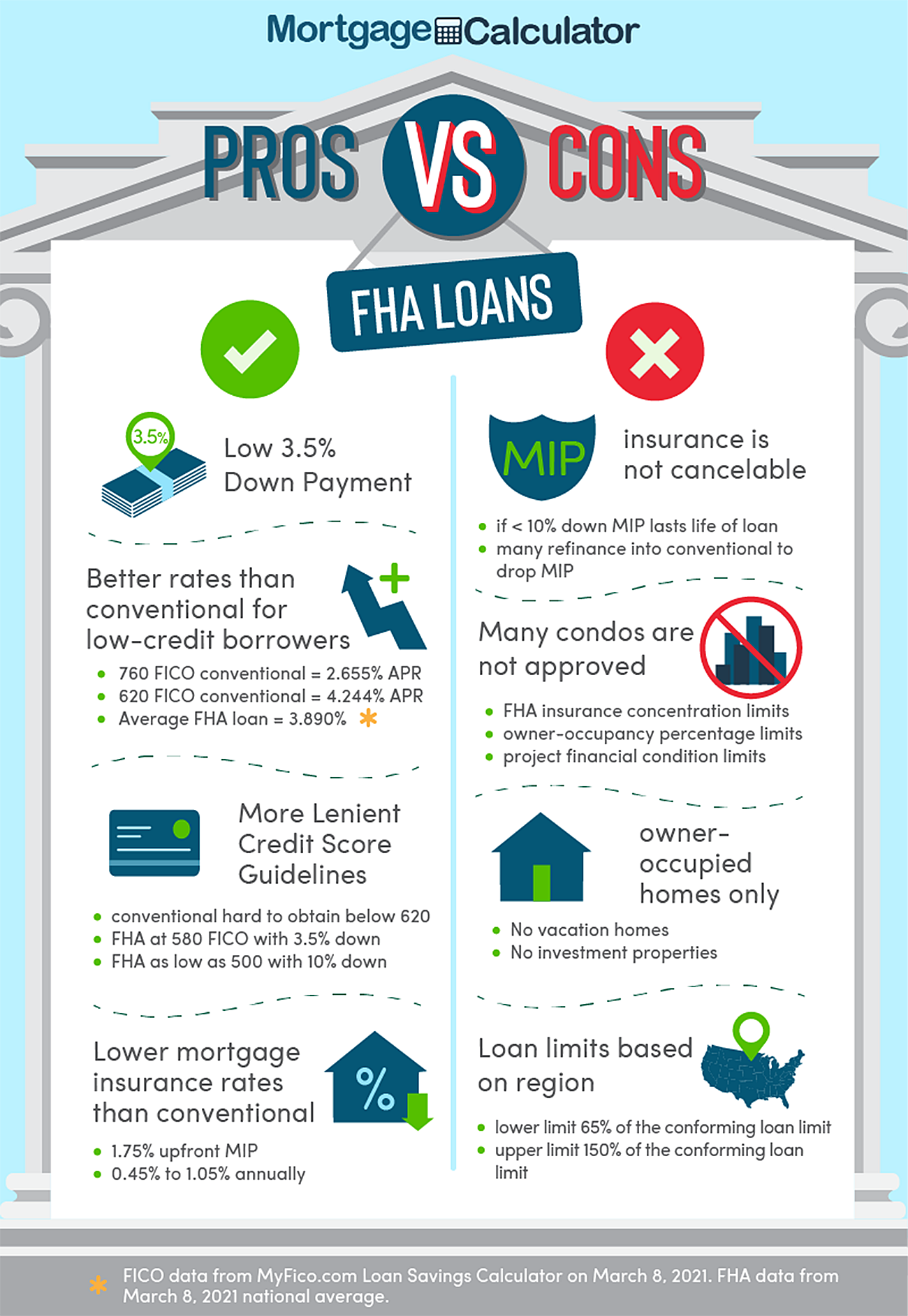
Lower Credit Score Requirements: While conventional loans often demand a FICO score of 620 or higher, FHA loans can be obtained with scores as low as 580 for a 3.5% down payment. Some lenders may even approve scores between 500-579 with a 10% down payment, though specific lender overlays may vary.
-
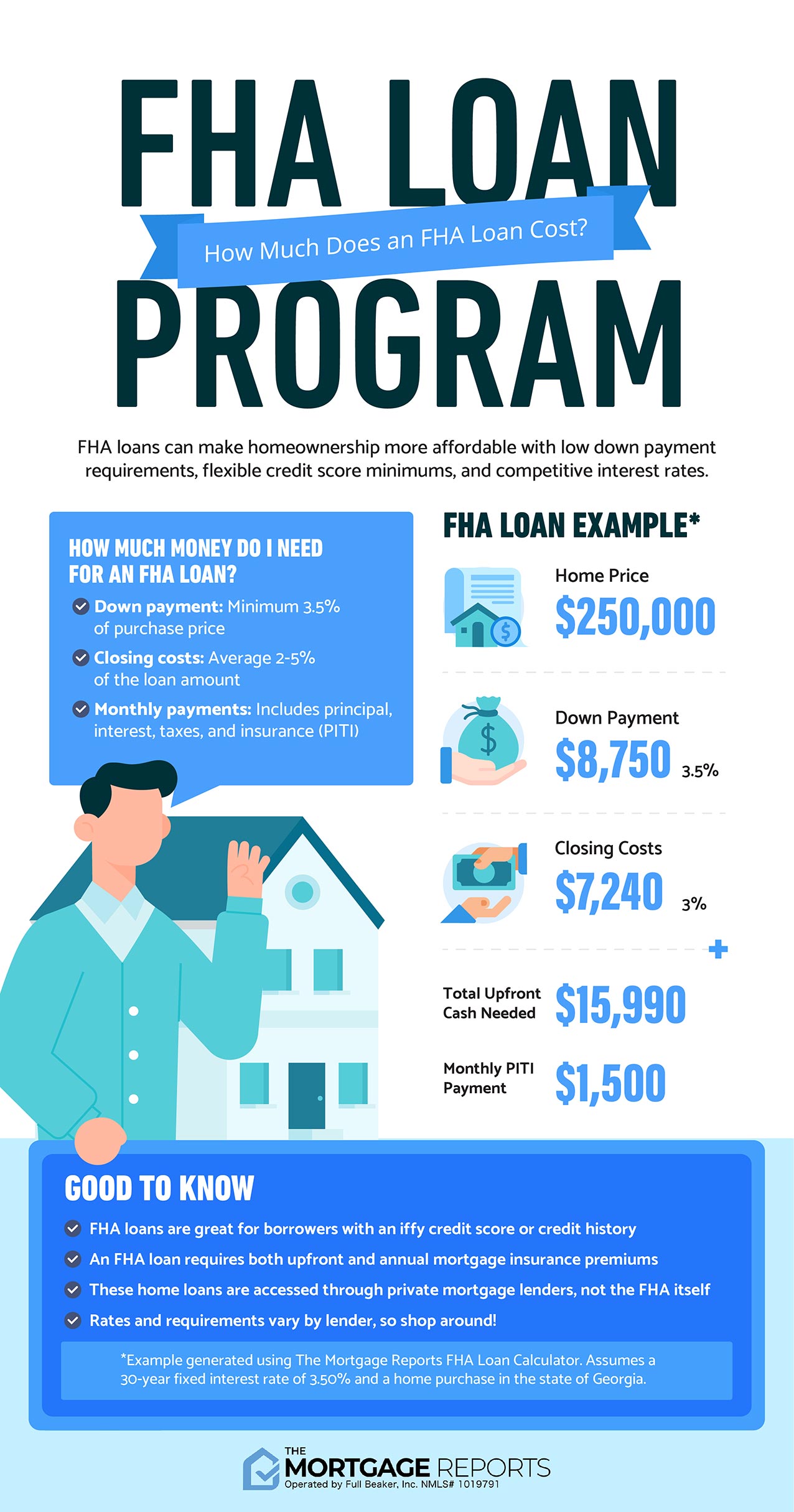
Small Down Payment: Borrowers can qualify with a down payment as low as 3.5% of the home’s purchase price, significantly less than the typical 5-20% required for conventional loans. This money can also come from gift funds, which is a significant advantage.
-
Assumability: FHA loans are assumable, meaning if you sell your home, a qualified buyer can take over your existing mortgage, often at a lower interest rate than what’s available at the time of sale. This can be a strong selling point in certain market conditions.
Key Eligibility Requirements
While flexible, FHA loans do have specific requirements that borrowers must meet:
-
Credit Score: As mentioned, a minimum FICO score of 580 for a 3.5% down payment, or 500-579 for a 10% down payment (subject to lender approval).
-
Down Payment: A minimum of 3.5% for credit scores 580 and above.
-
Debt-to-Income (DTI) Ratio: Generally, your DTI ratio (the percentage of your gross monthly income that goes towards debt payments) should not exceed 43-50%. Some flexibility exists for stronger applicants.
-
Property Requirements: The home must meet FHA minimum property standards, ensuring it is safe, sound, and secure. An FHA appraisal is required to confirm this and determine the property’s market value.
-
Mortgage Insurance: All FHA loans require both an upfront mortgage insurance premium (UFMIP) and an annual mortgage insurance premium (MIP). This is a crucial cost factor to consider.
-
Occupancy: The borrower must intend to occupy the property as their primary residence.
Deciphering FHA Loan Rates: Factors at Play
Understanding the core components of FHA loans sets the stage for dissecting how interest rates are determined. The “today” in “what is FHA loan rate today” is influenced by a complex interplay of global economics, national policies, and individual financial health.
The Dynamic Nature of Interest Rates
Mortgage interest rates, including those for FHA loans, are not fixed by the FHA itself. Instead, they are set by individual FHA-approved lenders and are influenced by broader market conditions. Key economic indicators and events that affect rates include:
-
Federal Reserve Policy: While the Fed doesn’t directly set mortgage rates, its actions, particularly regarding the federal funds rate, influence the prime rate and, consequently, other borrowing costs across the economy.
-
Inflation: High inflation typically leads to higher interest rates as lenders seek to maintain the real value of their returns.
-
Bond Market Performance: Mortgage rates are closely tied to the performance of mortgage-backed securities (MBS) and the broader bond market. When bond yields rise, mortgage rates tend to follow suit.
-
Economic Growth: A strong economy can sometimes lead to higher rates as demand for credit increases. Conversely, economic slowdowns might see rates fall as central banks try to stimulate activity.
How Lenders Determine Your FHA Rate
While market conditions provide a baseline, individual lenders factor in specific variables to arrive at your personalized FHA loan rate:
-
Lender’s Overhead and Profit Margin: Each lender has its operational costs and desired profit, which are baked into the rates they offer.
-
Loan-to-Value (LTV) Ratio: While FHA loans offer low down payments, a larger down payment (and thus lower LTV) can sometimes result in a slightly better rate, as it signifies less risk to the lender.
-
Loan Term: The length of your mortgage (e.g., 15-year vs. 30-year fixed) impacts the rate. Shorter terms typically have lower interest rates because the lender’s risk exposure is shorter.
Impact of Credit Score and Down Payment
Even within the flexible FHA framework, your credit score and down payment still significantly influence the rate you receive. A higher credit score signals a lower risk to lenders, making them more inclined to offer a lower interest rate. Similarly, while 3.5% is the minimum, a larger down payment (e.g., 5% or 10%) can slightly reduce the perceived risk and potentially lead to a more favorable rate. It’s a fundamental principle of lending: the less risk a lender perceives, the more competitive the rate they are willing to offer.
Understanding Mortgage Insurance Premiums (MIP)
A critical element of FHA loan costs, and one that often gets confused with the interest rate, is the Mortgage Insurance Premium (MIP). This is a mandatory component of FHA loans and comes in two forms:
-
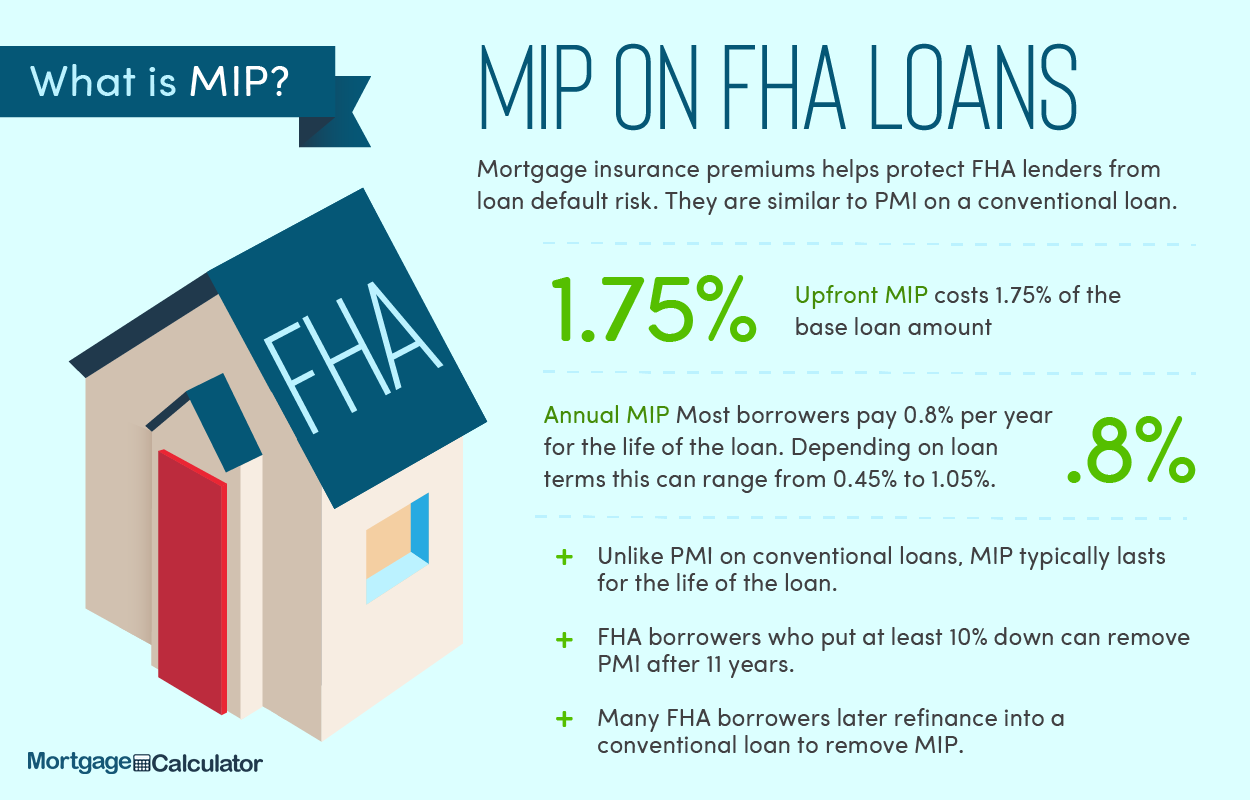
Upfront Mortgage Insurance Premium (UFMIP): This is a one-time charge, currently 1.75% of the loan amount, which is typically financed into the loan, increasing your total loan amount.
-
Annual Mortgage Insurance Premium (MIP): This is an ongoing premium paid monthly. The rate for annual MIP depends on your loan term, loan amount, and loan-to-value (LTV) ratio. For most FHA loans with a 3.5% down payment and a 30-year term, the annual MIP is 0.55% of the outstanding loan balance for loans endorsed on or after March 20, 2023. Unlike conventional private mortgage insurance (PMI), FHA’s annual MIP generally remains for the life of the loan unless you put down 10% or more, in which case it can be removed after 11 years. This is a crucial cost to factor into your monthly payment, separate from the interest rate.
Navigating Today’s FHA Loan Rate Landscape
Given the dynamic nature of FHA loan rates, understanding where to find current information and how to interpret it is key to successful home financing.
Where to Find Current FHA Rates
There isn’t one single “official” FHA rate because individual lenders set their own rates. To find current FHA loan rates today, you should:
-
Check Multiple Lenders: Visit the websites of several FHA-approved mortgage lenders (banks, credit unions, and independent mortgage brokers). Most will display their current rates, often with disclaimers about eligibility.
-
Use Online Rate Comparison Tools: Various financial websites offer tools that allow you to compare FHA rates from multiple lenders by entering some basic information.
-
Consult a Mortgage Broker: A mortgage broker works with many lenders and can often find competitive rates that align with your specific financial profile. They can provide personalized quotes based on your credit score, down payment, and other factors.
Remember that advertised rates are often for highly qualified borrowers (e.g., excellent credit, substantial down payment). Your actual rate may differ based on your unique circumstances.
The Role of Economic Indicators
Keeping an eye on key economic indicators can help you anticipate rate movements. Reports on inflation (Consumer Price Index), employment figures, and the Federal Reserve’s statements are often predictors of future rate trends. While you don’t need to be an economist, a general awareness can inform your timing decisions. For example, if inflation is rising rapidly, expect rates to potentially trend upwards. Conversely, signs of an economic slowdown might suggest rates could stabilize or even decrease.
Fixed vs. Adjustable Rates for FHA Loans
FHA loans primarily offer fixed-rate mortgages, meaning your interest rate and monthly principal and interest payment remain the same for the entire loan term (typically 15 or 30 years). This provides stability and predictability for your budget.
While less common, the FHA also insures Adjustable-Rate Mortgages (ARMs), known as FHA ARMs. These loans start with a fixed interest rate for an initial period (e.g., 3, 5, 7 years), after which the rate adjusts periodically based on a chosen index. FHA ARMs can offer lower initial rates, but they carry the risk of future payment increases. For most homebuyers, especially first-timers, the stability of a fixed-rate FHA loan is generally preferred.
The Importance of Rate Locks
When you’ve found a competitive rate and are ready to proceed, a crucial step is to lock your interest rate. A rate lock guarantees that the interest rate you’ve been offered will not change for a specified period (e.g., 30, 45, or 60 days) while your loan is being processed. This protects you from potential rate increases between the time you apply and the time you close. Be aware that longer rate locks might come with a slightly higher rate or a fee. Discuss rate lock options and policies thoroughly with your lender.
Strategies for Securing the Best FHA Loan Rate
While market conditions are beyond your control, there are proactive steps you can take to position yourself for the most favorable FHA loan rate possible.
Boosting Your Credit Score
Your credit score is arguably the most significant individual factor influencing your interest rate. Even modest improvements can make a difference.
-
Pay Bills on Time: Payment history is the largest component of your credit score.
-
Reduce Credit Card Debt: High credit utilization ratios can negatively impact your score. Aim to keep balances below 30% of your credit limit.
-
Check Your Credit Report: Obtain free copies of your credit report from AnnualCreditReport.com and dispute any errors.
-
Avoid New Credit Applications: Don’t open new credit accounts or make large purchases on credit shortly before applying for a mortgage.
Saving for a Larger Down Payment
While the FHA allows for a low 3.5% down payment, putting down more can potentially lead to a slightly lower interest rate, even if the difference is marginal. More importantly, a larger down payment reduces your overall loan amount, thereby lowering your monthly mortgage payment and the total interest paid over the life of the loan.
Shopping Around for Lenders
This cannot be stressed enough. Different FHA-approved lenders offer varying rates, fees, and customer service. Obtaining quotes from at least three to five different lenders (banks, credit unions, and mortgage brokers) can reveal significant differences in rates and closing costs, potentially saving you thousands of dollars over the life of the loan. Be sure to compare not just the interest rate but also the Annual Percentage Rate (APR), which reflects the total cost of the loan including fees.
Understanding Closing Costs and Fees
The interest rate is just one part of the overall cost. FHA loans, like all mortgages, come with closing costs, which can include:
-
Origination Fees: Charged by the lender for processing the loan.
-
Appraisal Fees: For the FHA-required property appraisal.
-
Credit Report Fees: For pulling your credit.
-
Title Insurance and Escrow Fees: For services related to property transfer.
-
Prepaid Items: Such as property taxes and homeowner’s insurance premiums that are paid at closing.
While some of these fees are fixed, others can be negotiated or vary by lender. Understanding and comparing these costs alongside the interest rate provides a holistic view of the loan’s expense.
Beyond the Rate: Additional Considerations for FHA Borrowers
While securing a competitive FHA loan rate is essential, a holistic approach requires understanding other critical aspects of FHA financing.
Upfront and Annual Mortgage Insurance Premiums (MIP)
As detailed earlier, FHA loans mandate both an Upfront Mortgage Insurance Premium (UFMIP) and an Annual Mortgage Insurance Premium (MIP). Unlike conventional PMI which can often be canceled once you reach 20% equity, FHA’s annual MIP for loans with a down payment less than 10% typically remains for the life of the loan. This means even if your home value increases significantly, you will continue to pay MIP. This is a critical long-term cost to factor into your financial planning. Borrowers sometimes consider refinancing into a conventional loan later to eliminate MIP, provided they have sufficient equity and meet conventional lending standards.
Loan Limits and Property Requirements
FHA loans have specific loan limits, which vary by county and are set annually. These limits define the maximum loan amount that the FHA will insure. In high-cost areas, limits are higher, while in low-cost areas, they are lower. It’s important to check the FHA’s loan limit website for the specific limits in your target county. Furthermore, the property being purchased must meet FHA minimum property standards, ensuring it is safe, sanitary, and structurally sound. This often requires an FHA-approved appraisal that checks for certain conditions. These standards protect both the borrower and the lender.
The Refinancing Option: Streamline and Cash-Out FHA Refinances
For current FHA borrowers, refinancing options exist that can be beneficial.
-
FHA Streamline Refinance: This option allows existing FHA homeowners to refinance their mortgage quickly and with minimal paperwork, often without an appraisal or credit check. Its primary purpose is to lower the interest rate or convert an ARM to a fixed rate, thereby reducing the monthly payment.
-
FHA Cash-Out Refinance: If you have equity in your FHA-insured home, an FHA cash-out refinance allows you to take cash out of your equity. You can use this money for home improvements, debt consolidation, or other financial needs. However, it will result in a new FHA mortgage with a new loan term and potentially a higher interest rate and new MIP charges.
Conclusion
The question “what is FHA loan rate today?” opens a gateway to understanding a crucial pathway to homeownership for millions. Today’s FHA loan rate is a nuanced figure, influenced by global economic currents, the competitive landscape of individual lenders, and your unique financial profile. It’s not a single, unchanging number, but rather a variable that demands careful research, diligent credit management, and strategic shopping.
By understanding the fundamentals of FHA loans, the myriad factors that influence interest rates, and the practical steps you can take to secure the best possible terms, you empower yourself to make intelligent financial decisions. Remember to look beyond just the advertised rate and consider the full cost of the loan, including all fees and mortgage insurance premiums. With a professional and insightful approach, securing an FHA loan can be a strategic move toward achieving your dream of homeownership, paving the way for financial stability and future prosperity.
aViewFromTheCave is a participant in the Amazon Services LLC Associates Program, an affiliate advertising program designed to provide a means for sites to earn advertising fees by advertising and linking to Amazon.com. Amazon, the Amazon logo, AmazonSupply, and the AmazonSupply logo are trademarks of Amazon.com, Inc. or its affiliates. As an Amazon Associate we earn affiliate commissions from qualifying purchases.