
The dream of homeownership often hinges on understanding one critical financial instrument: the 30-year mortgage. For many, this specific loan product represents the most accessible and manageable path to owning a home. At its core, a 30-year mortgage interest rate is the percentage charged by a lender for borrowing the principal amount of your home loan, repaid over a period of three decades. This rate fundamentally dictates the total cost of your home over the loan’s lifetime and, more immediately, the size of your monthly mortgage payment. While seemingly straightforward, the factors influencing this rate, how it works, and its implications for personal finance are complex and merit a deep dive.
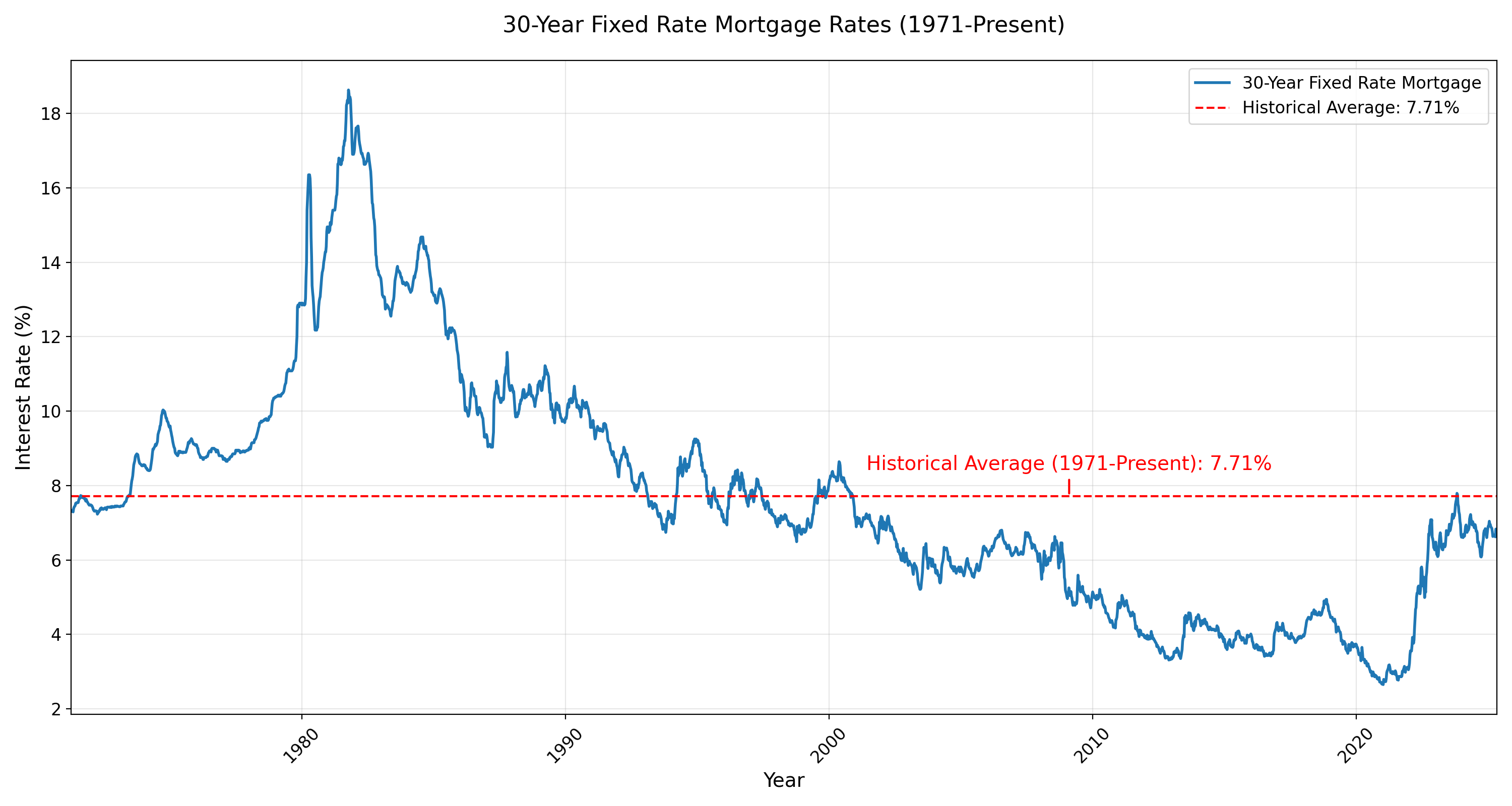
Understanding the 30-Year Fixed-Rate Mortgage
The 30-year fixed-rate mortgage is the most popular mortgage product in the United States, and for good reason. It offers a unique blend of stability and affordability that appeals to a wide range of homebuyers, from first-timers to those looking for long-term financial predictability.
The Stability of Fixed Rates
The defining characteristic of a fixed-rate mortgage is that the interest rate remains constant for the entire duration of the loan – in this case, 30 years. This means that from the day you close on your home until the final payment is made three decades later, the interest portion of your monthly payment will be calculated using the same rate. This stability is incredibly valuable. It shields homeowners from market fluctuations; if interest rates rise significantly after you’ve secured your loan, your payment remains unchanged. This predictability allows for consistent budgeting and long-term financial planning, as you’ll always know the principal and interest portion of your mortgage payment.
How Amortization Works
Amortization is the process by which loan payments are structured so that each payment includes both principal and interest. For a 30-year fixed-rate mortgage, the amortization schedule is front-loaded with interest. In the early years of the loan, a larger portion of your monthly payment goes towards interest, and a smaller portion reduces your principal balance. As you progress through the loan term, this ratio gradually shifts, with more of each payment allocated to paying down the principal. By the end of the 30 years, assuming all payments are made on time, your principal balance will be zero. This gradual principal reduction, coupled with the consistent interest rate, provides a clear roadmap to full homeownership.
Advantages for Homebuyers
The primary advantage of a 30-year mortgage for homebuyers is the lower monthly payment compared to shorter-term loans, such as a 15-year mortgage. Spreading the principal repayment over a longer period reduces the financial burden each month, making homeownership more accessible and affordable for a broader demographic. This lower payment frees up cash flow for other financial goals, such as saving for retirement, investing, or managing other debts. Furthermore, the fixed rate provides invaluable peace of mind, eliminating the anxiety associated with adjustable-rate mortgages (ARMs) whose payments can fluctuate dramatically.
Key Factors Influencing 30-Year Mortgage Rates
While your individual creditworthiness plays a role, the broader economic landscape and market forces are significant determinants of the average 30-year mortgage interest rate at any given time. These rates are dynamic, reacting to a multitude of domestic and global financial signals.
Economic Indicators
Several macroeconomic indicators heavily influence mortgage rates. Inflation, for instance, is a critical factor. When inflation rises, the purchasing power of money decreases, leading bond investors to demand higher yields to compensate for this erosion. Since mortgage rates are closely tied to bond yields (particularly the 10-year Treasury bond), rising inflation generally pushes mortgage rates upward. Conversely, low inflation or deflation can lead to lower rates. Gross Domestic Product (GDP) growth and employment rates also play a role. A strong economy with robust job growth often signals potential inflation and can prompt the Federal Reserve to tighten monetary policy, which can lead to higher mortgage rates.
Federal Reserve Policy
Although the Federal Reserve does not directly set mortgage rates, its actions profoundly impact them. The Fed’s primary tool is the federal funds rate, which is the target rate for overnight lending between banks. While the federal funds rate directly affects short-term interest rates, changes in this rate signal the Fed’s stance on monetary policy (whether it’s tightening or loosening the money supply), which then influences longer-term rates like those for 30-year mortgages. When the Fed raises rates to combat inflation, it typically signals to the market that borrowing costs across the economy will rise. Conversely, when the Fed lowers rates to stimulate economic growth, mortgage rates tend to fall.
Treasury Yields
The 10-year Treasury bond yield is often cited as a benchmark for 30-year fixed mortgage rates. Mortgage-backed securities (MBS), which are bundles of mortgages sold to investors, compete with Treasury bonds for investment dollars. When the yield on the 10-year Treasury rises, investors demand a higher yield from MBS, which translates to higher mortgage rates for consumers. This correlation is not always direct or immediate, but it’s a strong indicator of the general direction mortgage rates are headed. Factors influencing Treasury yields, such as government debt levels, global economic sentiment, and geopolitical events, therefore indirectly impact mortgage rates.
Lender Specifics and Market Competition
Beyond the broad economic forces, individual lenders also play a role in setting their rates. Factors such as their cost of funds, operational expenses, profit margins, and risk assessment for different loan products all contribute. Furthermore, the level of competition among mortgage lenders can influence rates. In a highly competitive market, lenders might offer slightly lower rates or more favorable terms to attract borrowers. Conversely, in a less competitive environment, rates might be higher. This is why shopping around for multiple lenders is a crucial step for any borrower.
Personal Factors Affecting Your Rate
While market conditions establish the baseline, your personal financial profile is the most significant determinant of the specific 30-year mortgage interest rate you will be offered. Lenders assess your ability and willingness to repay the loan by scrutinizing several key metrics.
Credit Score (FICO)
Your credit score, most commonly the FICO score, is arguably the single most important personal factor. It’s a three-digit number that reflects your creditworthiness based on your payment history, amounts owed, length of credit history, new credit, and credit mix. Borrowers with excellent credit scores (typically 740 and above) are perceived as lower risk by lenders and generally qualify for the lowest available interest rates. Conversely, a lower credit score indicates higher risk to a lender, resulting in a higher interest rate to compensate for that perceived risk. A strong credit history demonstrates financial responsibility and the likelihood of on-time payments.
Down Payment Size

The size of your down payment significantly impacts your loan-to-value (LTV) ratio, which in turn affects your interest rate. A larger down payment means you’re borrowing less money relative to the home’s value, reducing the lender’s risk. For example, a 20% down payment means your LTV is 80%. Lenders often offer more favorable rates for lower LTVs. A smaller down payment (e.g., 3-5%) means a higher LTV, potentially leading to a higher interest rate and often requiring private mortgage insurance (PMI), which adds to your monthly cost.
Debt-to-Income (DTI) Ratio
Your debt-to-income (DTI) ratio is a percentage that compares your total monthly debt payments (including the prospective mortgage payment) to your gross monthly income. Lenders use DTI to gauge your ability to handle additional debt. A lower DTI ratio (typically below 43-45%) indicates that you have sufficient income to manage your existing debts plus the new mortgage, making you a less risky borrower. A higher DTI ratio can signal potential financial strain, leading lenders to offer higher rates or even deny the loan application.
Loan-to-Value (LTV) Ratio
The loan-to-value (LTV) ratio is the amount of the mortgage loan compared to the appraised value of the home. It’s calculated by dividing the loan amount by the home’s purchase price or appraised value, whichever is lower. As mentioned with down payments, a lower LTV (meaning you have more equity in the home from the outset) generally translates to a lower interest rate, as it reduces the lender’s exposure to risk in case of default. A higher LTV, conversely, indicates greater risk for the lender, potentially leading to a higher rate.
Property Type and Location
While less impactful than credit score or DTI, the type of property and its location can also subtly influence the interest rate. Loans for certain property types, such as multi-unit dwellings or investment properties, might carry slightly higher rates due to perceived higher risk compared to a primary single-family residence. Similarly, properties in areas prone to natural disasters or those with unique market conditions could also see slightly different rates.
Navigating the Mortgage Rate Landscape
Understanding the myriad factors influencing 30-year mortgage rates is only half the battle. Actively engaging with the lending market and knowing what to look for can significantly impact the rate you ultimately secure.
Shopping Around for Lenders
This is perhaps the single most important step a prospective borrower can take. Mortgage rates can vary significantly from one lender to another, even on the same day for the same borrower profile. Each lender has its own pricing models, overheads, and risk appetites. Shopping around means contacting at least three to five different lenders – including large banks, credit unions, and online lenders – to get personalized quotes. These quotes typically include the interest rate, APR, and an estimate of closing costs. Comparing these offers can save you thousands of dollars over the life of the loan.
Understanding APR vs. Interest Rate
It’s crucial to differentiate between the nominal interest rate and the Annual Percentage Rate (APR). The interest rate is simply the cost of borrowing the principal amount. The APR, however, provides a more comprehensive measure of the total cost of the loan. It includes not only the interest rate but also most of the fees associated with the loan, such as origination fees, discount points, and private mortgage insurance. While the interest rate tells you how much interest you’ll pay on your principal, the APR gives you a better “true cost” comparison between different loan offers, as it factors in various upfront costs.
Considering Points and Fees
When reviewing mortgage offers, you’ll often encounter “points.” A mortgage point, also known as a discount point, is a fee paid to the lender at closing to “buy down” your interest rate. One point typically costs 1% of the loan amount. For example, on a $300,000 loan, one point would cost $3,000. While paying points can result in a lower interest rate and thus lower monthly payments, it increases your upfront closing costs. You need to calculate the “break-even point” – how long it will take for the savings from the lower monthly payment to offset the cost of the points – to determine if it’s a financially sound decision for your specific situation. Other fees, such as origination fees, appraisal fees, and title insurance, also contribute to the overall cost of the loan and should be carefully reviewed.
The Role of a Mortgage Broker
A mortgage broker acts as an intermediary between you and various lenders. They don’t lend money themselves but work with multiple wholesale lenders to find you the best possible rate and terms based on your financial profile. A good mortgage broker can save you time and effort by comparing offers from numerous sources. They understand market trends, loan products, and qualification criteria, often providing access to lenders or specific loan programs you might not find on your own. While they typically charge a fee (either paid by you or the lender), their expertise can be invaluable in securing a competitive 30-year mortgage rate.
Is a 30-Year Mortgage Right for You?
The 30-year mortgage is a powerful financial tool, but like any financial decision, it requires careful consideration of your personal circumstances and future goals.
Balancing Affordability and Long-Term Cost
The primary allure of the 30-year mortgage is its affordability. The extended repayment period translates to lower monthly payments, which can be critical for maintaining a comfortable budget and allowing for other investments or savings. However, this affordability comes at a cost: you will pay significantly more in total interest over 30 years compared to a shorter-term loan (like a 15-year mortgage) because you’re borrowing the money for a longer duration. While the lower monthly payments offer immediate relief, the long-term financial implication is a higher overall expenditure for your home. It’s a balance between current cash flow needs and the total cost of ownership.
Flexibility and Future Financial Planning
One of the often-overlooked benefits of a 30-year fixed-rate mortgage is its flexibility. Even though the loan term is 30 years, you are typically free to make extra principal payments whenever you can afford to do so, effectively shortening your loan term and saving on interest without being locked into a higher mandatory payment. This flexibility allows you to prioritize other financial goals (like investing or saving for education) when money is tight, but gives you the option to accelerate your mortgage payoff when your financial situation improves. This adaptability makes it a versatile choice for many homeowners.
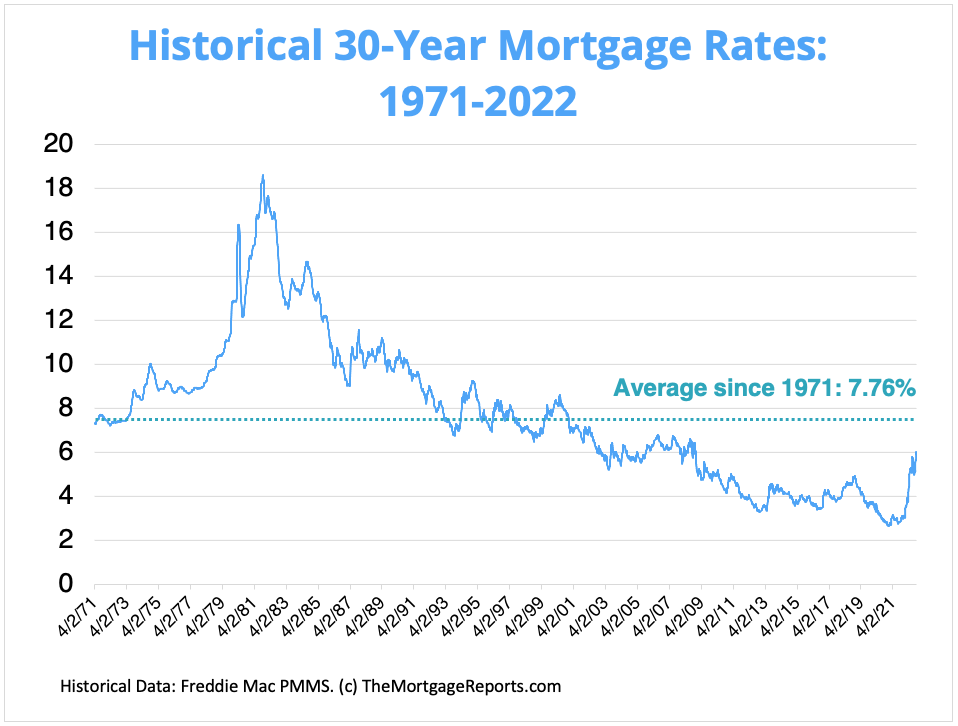
Alternatives (15-Year, ARMs)
While the 30-year fixed-rate is dominant, it’s important to be aware of alternatives. A 15-year fixed-rate mortgage offers significantly lower total interest paid and faster equity build-up, but with substantially higher monthly payments. This is often suitable for borrowers with higher incomes or significant savings. Adjustable-rate mortgages (ARMs), on the other hand, offer a lower initial interest rate for a fixed period (e.g., 5 or 7 years), after which the rate adjusts periodically based on market indices. While ARMs can offer lower initial payments, they introduce interest rate risk, as payments can increase dramatically after the fixed period.
Ultimately, the 30-year mortgage interest rate is more than just a number; it’s a cornerstone of personal financial planning for homeownership. Understanding how it’s determined, what personal factors influence it, and how to navigate the lending market empowers you to make an informed decision that aligns with your financial well-being and long-term aspirations. By being diligent and informed, you can secure a rate that lays a stable foundation for your homeownership journey.
aViewFromTheCave is a participant in the Amazon Services LLC Associates Program, an affiliate advertising program designed to provide a means for sites to earn advertising fees by advertising and linking to Amazon.com. Amazon, the Amazon logo, AmazonSupply, and the AmazonSupply logo are trademarks of Amazon.com, Inc. or its affiliates. As an Amazon Associate we earn affiliate commissions from qualifying purchases.