
In the current economic climate, the question of what the interest rate is “today” is rarely met with a single, static number. Instead, it is the starting point for a complex discussion about the global economy, central bank policy, and the individual financial health of consumers. Interest rates are the heartbeat of the financial system; they dictate the cost of borrowing, the reward for saving, and the overall momentum of the market. To understand the interest rate today, one must look beyond the headlines and examine the specific benchmarks that influence everything from mortgage payments to the yield on a basic savings account.
The concept of “the” interest rate usually refers to the federal funds rate in the United States, set by the Federal Reserve. However, for the average individual, the interest rate that matters most is the one applied to their specific financial products. Whether you are looking to purchase a home, refinance existing debt, or maximize the returns on your capital, navigating the current interest rate environment requires a deep dive into how these figures are derived and how they impact your personal bottom line.
The Macroeconomic Drivers of Current Interest Rates
The primary architect of the interest rate environment is the central bank. In the United States, the Federal Open Market Committee (FOMC) meets several times a year to determine the target range for the federal funds rate. This rate is the interest rate at which commercial banks borrow and lend their excess reserves to each other overnight. While it may seem like a backend banking metric, it serves as the foundation for almost every other interest rate in the economy.
The Role of the Federal Reserve and Monetary Policy
The Federal Reserve operates under a dual mandate: to promote maximum employment and to maintain stable prices (control inflation). When inflation exceeds the Fed’s long-term target of 2%, the committee often raises interest rates to cool down the economy. By making borrowing more expensive, consumer spending and business investment typically slow down, which in turn reduces the upward pressure on prices. Conversely, in times of economic stagnation or recession, the Fed lowers rates to encourage borrowing and stimulate growth.
Today’s interest rate environment is a direct reflection of this balancing act. Following a period of historic lows, the recent shift toward higher rates has been a response to persistent inflationary pressures. For investors and consumers, this means that “today’s rate” is significantly higher than it was just a few years ago, fundamentally changing the math on long-term financial planning.
Inflationary Expectations and the Bond Market
Beyond the Fed’s direct actions, the bond market plays a crucial role in determining long-term interest rates, such as those for 30-year fixed mortgages. The yield on the 10-year Treasury note is often used as a benchmark for long-term debt. Investors in the bond market move prices based on their expectations of future inflation and economic growth. If investors believe inflation will remain high, they will demand higher yields to compensate for the eroding purchasing power of future payments. This is why mortgage rates can sometimes move independently of the Fed’s immediate rate hikes or cuts, as the market “prices in” future economic conditions.
The Impact on Borrowing: Mortgages, Auto Loans, and Credit Cards
For most people, the interest rate today is most visible when they apply for credit. The “spread”—the difference between the central bank’s benchmark rate and the rate offered to consumers—is how financial institutions cover their risks and generate profit.
The Housing Market and Mortgage Benchmarks
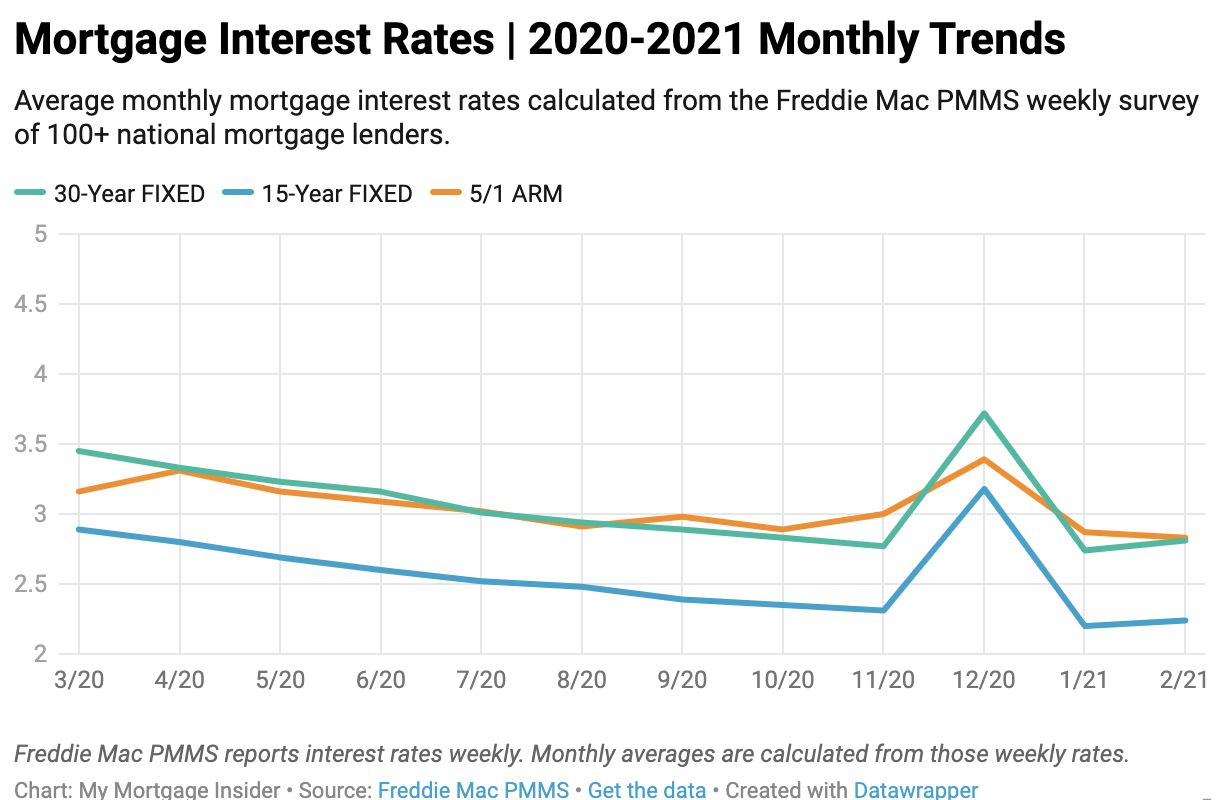
Mortgage rates are perhaps the most scrutinized interest rates in the economy. Because a home is the largest purchase most individuals will ever make, even a 1% shift in the interest rate can result in tens of thousands of dollars in additional costs over the life of the loan. Today’s mortgage rates are influenced by the 10-year Treasury yield, as mentioned, but also by the appetite of investors for mortgage-backed securities (MBS).
In a high-rate environment, the “lock-in effect” becomes a major factor. Homeowners who secured 3% or 4% rates during the pandemic are often reluctant to sell and move if it means taking on a new mortgage at 6% or 7%. This reduces housing inventory and keeps prices elevated despite higher borrowing costs. Understanding the interest rate today in the context of the housing market means recognizing that while rates are higher than their historical lows, they are still within the realm of long-term historical averages.
Consumer Debt and Variable APRs
Unlike fixed-rate mortgages, most credit cards and many personal lines of credit feature variable Annual Percentage Rates (APRs). These rates are typically tied to the Prime Rate, which is directly influenced by the federal funds rate. When the Fed raises rates, credit card APRs usually follow suit within one or two billing cycles.
For consumers carrying a balance, today’s high interest rates mean that a larger portion of their monthly payment is going toward interest rather than principal. This makes debt management strategies, such as the debt avalanche or debt snowball methods, even more critical. In a high-rate environment, the cost of carrying high-interest consumer debt can quickly become unsustainable, making aggressive repayment a primary financial priority.

Strategies for Savers and Investors in a High-Rate Environment
While high interest rates present challenges for borrowers, they offer significant opportunities for savers and fixed-income investors. For the first time in over a decade, “cash” is no longer a dead asset class; it is a viable component of a diversified portfolio.
High-Yield Savings Accounts and Certificates of Deposit
Today, the interest rate on a standard savings account at a traditional “brick-and-mortar” bank might still be near zero, but the landscape for online high-yield savings accounts (HYSAs) is vastly different. Digital banks and credit unions are currently offering rates that are often 10 to 20 times higher than the national average.
Certificates of Deposit (CDs) have also regained popularity. By locking in a rate for a fixed term—ranging from six months to five years—savers can protect themselves against future rate cuts. A popular strategy in this environment is “CD Laddering,” where an investor divides their capital across multiple CDs with different maturity dates. This provides both a high average interest rate and periodic liquidity, allowing the investor to reinvest or spend the money as each “rung” of the ladder matures.
Fixed Income and Bond Investing
For more sophisticated investors, today’s interest rates provide an attractive entry point into the bond market. When interest rates rise, bond prices fall. However, the higher yields available on new issuances mean that investors can secure steady income streams that were unavailable during the era of “Zero Interest Rate Policy” (ZIRP).
Treasury Inflation-Protected Securities (TIPS) and I-Bonds are also worth considering when interest rates are driven by inflation. These instruments adjust their value or interest payments based on inflation metrics, providing a hedge against the rising cost of living. For a balanced portfolio, the current rate environment allows for a shift back toward the traditional 60/40 (stocks/bonds) model, as bonds now offer meaningful diversification and income.
Navigating Interest Rate Fluctuations: Practical Advice
Given that interest rates are constantly in flux, how should a proactive individual manage their finances “today”? The key is to move from a reactive stance to a strategic one, focusing on the variables within your control.
The Importance of Credit Scores in Rate Determination
While we talk about “the” interest rate, the reality is that every individual is offered a personalized rate based on their creditworthiness. In a high-rate environment, the difference between a “Good” credit score and an “Excellent” credit score is magnified. A borrower with a 780 FICO score may be offered a mortgage rate significantly lower than someone with a 680 score. Therefore, one of the most effective ways to lower your interest rate today is to improve your credit profile by paying down revolving debt, ensuring on-time payments, and correcting errors on your credit report.
Timing and Refinancing Strategies
Timing the market is notoriously difficult, but understanding the interest rate cycle can help with big decisions. If rates are expected to fall in the next 12 to 24 months, a borrower might opt for an Adjustable-Rate Mortgage (ARM) with the intention of refinancing into a fixed-rate loan later. Conversely, if rates are expected to stay “higher for longer,” locking in a fixed rate now may be the safer bet to avoid future increases.
For those with existing high-interest debt, “today” is always a good time to look for consolidation opportunities. Even in a high-rate environment, a personal loan with a fixed rate might be significantly cheaper than a credit card with a 24% APR.

Conclusion: The New Normal of Interest Rates
The interest rate today is more than just a percentage; it is a reflection of the global effort to stabilize the economy after years of unprecedented volatility. For the consumer, a higher-rate environment requires a fundamental shift in mindset. The era of “easy money” has transitioned into an era where capital has a real, tangible cost.
To thrive in this environment, one must be diligent. This means shopping around for the best rates on both loans and savings, maintaining a stellar credit score, and being strategic about when to take on new debt. While high rates can be a burden for those looking to borrow, they represent a long-awaited return to normalcy for savers and conservative investors. By staying informed about the Federal Reserve’s path and understanding the mechanics of interest rate movements, you can make empowered decisions that protect and grow your wealth, regardless of where the rates head tomorrow.
aViewFromTheCave is a participant in the Amazon Services LLC Associates Program, an affiliate advertising program designed to provide a means for sites to earn advertising fees by advertising and linking to Amazon.com. Amazon, the Amazon logo, AmazonSupply, and the AmazonSupply logo are trademarks of Amazon.com, Inc. or its affiliates. As an Amazon Associate we earn affiliate commissions from qualifying purchases.