
The question of what the interest rate for a mortgage is today is perhaps the most significant inquiry any prospective homeowner or real estate investor can make. In the current economic climate, the answer is rarely a single, static number. Instead, it is a reflection of a complex interplay between macroeconomic policy, global market sentiment, and the individual financial profile of the borrower. Understanding the current mortgage rate environment requires looking beyond the daily headlines to comprehend the mechanics that drive these fluctuations and how they impact long-term wealth accumulation.
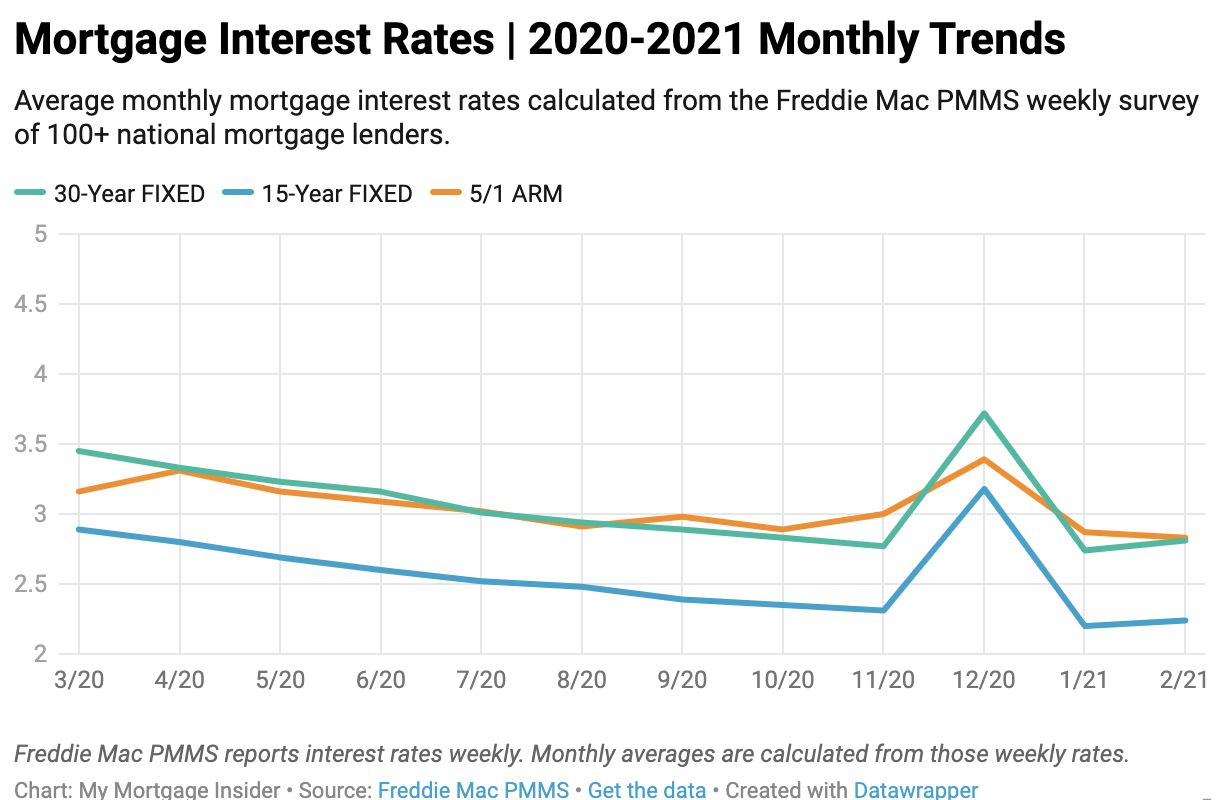
In the post-pandemic era, the mortgage market has transitioned from a period of historic lows to a more normalized—and sometimes volatile—interest rate environment. This shift has fundamentally altered the math of homeownership, making it essential for participants in the financial markets to stay informed about the nuances of lending costs.
Factors Influencing Today’s Mortgage Rates
Mortgage rates do not exist in a vacuum. They are influenced by a series of high-level economic factors that dictate the cost of borrowing for banks, which is then passed down to the consumer.
The Federal Reserve’s Role
While the Federal Reserve does not set mortgage rates directly, its influence is profound. The Fed manages the federal funds rate—the interest rate at which commercial banks borrow and lend to each other overnight. When the Federal Open Market Committee (FOMC) raises or lowers this rate to combat inflation or stimulate the economy, it creates a ripple effect throughout the financial system. Generally, when the federal funds rate increases, the cost of capital for lenders rises, leading to higher mortgage rates. Conversely, a dovish stance from the Fed often leads to a cooling of mortgage interest costs.
Inflation and Economic Indicators
Inflation is the primary enemy of fixed-income investments like mortgage-backed securities (MBS). Because most mortgages are packaged into securities and sold to investors, the return on those investments must outpace inflation to be profitable. When inflation is high, investors demand higher yields to compensate for the eroding purchasing power of future cash flows. Consequently, when the Consumer Price Index (CPI) or Personal Consumption Expenditures (PCE) reports show rising prices, mortgage rates typically climb in tandem.
The 10-Year Treasury Yield
The most accurate daily barometer for mortgage rates is the yield on the 10-year Treasury note. There is a strong historical correlation between the 10-year yield and the 30-year fixed-rate mortgage. Lenders typically add a “spread” to the 10-year yield—usually between 150 and 300 basis points—to account for the risks of prepayment and default. Tracking the movement of Treasury yields provides a real-time look at where mortgage pricing is headed before it is officially updated by retail lenders.
Understanding Personal Variables in Rate Determination
Even if the “market rate” is quoted at a certain percentage, the rate an individual borrower receives can vary significantly based on their unique financial standing. Lending is essentially a pricing of risk; the lower the perceived risk, the lower the interest rate.
Credit Score and Loan-to-Value Ratio
A borrower’s credit score is the single most impactful personal variable in determining a mortgage rate. Lenders use FICO scores to categorize borrowers into tiers. A borrower with a score above 760 will typically qualify for the lowest available rates, while someone with a score in the mid-600s may face a rate that is 1% to 1.5% higher.
Furthermore, the Loan-to-Value (LTV) ratio—the size of the loan relative to the value of the home—plays a critical role. A larger down payment (lower LTV) reduces the lender’s exposure. If a borrower can put down 20% or more, they are often rewarded with better pricing and the removal of Private Mortgage Insurance (PMI) requirements, which further lowers the effective monthly cost of the debt.
Debt-to-Income (DTI) Impact
Lenders examine the Debt-to-Income ratio to ensure a borrower can realistically manage the new mortgage payment alongside existing obligations like car loans, student debt, and credit card balances. While DTI does not always change the interest rate directly in the way a credit score does, a high DTI may force a borrower into specific loan products with higher inherent rates or require “pricing adjustments” to mitigate the risk of delinquency.
Property Type and Location
The nature of the property itself influences the interest rate. Primary residences almost always command the lowest rates because borrowers are less likely to default on the roof over their heads. In contrast, investment properties and second homes carry higher rates because they are viewed as higher risk during economic downturns. Additionally, rates can vary slightly by state or region due to local competition among lenders and differing foreclosure laws that impact a lender’s recovery risk.
Types of Mortgage Products and Their Respective Rates
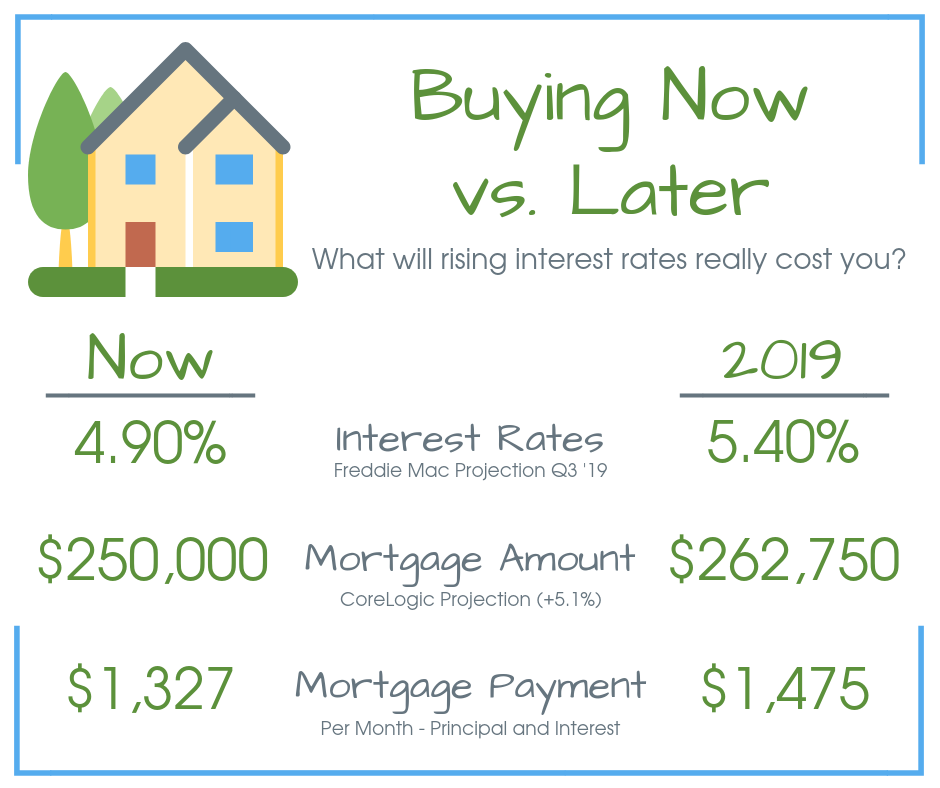
Choosing the right mortgage product is as important as timing the market. Different loan structures offer different rate profiles based on the duration of the debt and the level of risk the borrower is willing to assume.
Fixed-Rate Mortgages vs. ARMs
The 30-year fixed-rate mortgage remains the gold standard in personal finance due to its stability. However, it often carries a higher rate than shorter-term or adjustable-rate options because the lender is locking in a rate for three decades.
Adjustable-Rate Mortgages (ARMs) typically offer a lower initial “teaser” rate for a set period (usually 5, 7, or 10 years). After this period, the rate adjusts based on market indices. In a high-rate environment, ARMs become more attractive to those who plan to sell or refinance before the first adjustment, as they provide a lower monthly payment in the short term.
Government-Backed Loans (FHA, VA, USDA)
For those who may not qualify for conventional financing, government-backed loans offer an alternative. FHA loans, insured by the Federal Housing Administration, often have lower interest rates than conventional loans for borrowers with lower credit scores. VA loans, available to veterans and active-duty service members, frequently offer the most competitive rates in the market with the added benefit of no down payment. USDA loans provide similar benefits for rural property purchases. While the “sticker” rate on these loans may look lower, borrowers must account for various insurance premiums and funding fees that contribute to the total Annual Percentage Rate (APR).
Jumbo Loans in a High-Interest Environment
When a loan amount exceeds the conforming limits set by the Federal Housing Finance Agency (FHFA), it is classified as a jumbo loan. Historically, jumbo loans carried higher interest rates than conforming loans. However, in recent years, the spread has narrowed or even inverted at times, as banks look to attract high-net-worth clients by offering competitive rates on large-balance mortgages to build long-term wealth management relationships.
Strategies to Secure the Best Possible Rate
In a market where rates can move several times a week, being proactive can save a borrower tens of thousands of dollars over the life of the loan.
The Importance of Rate Shopping
Many consumers make the mistake of only consulting their primary bank. However, mortgage rates are highly competitive. By obtaining “Loan Estimates” from at least three different sources—such as a national bank, a local credit union, and an independent mortgage broker—borrowers can leverage competing offers. Even a 0.25% difference in interest rate can result in significant savings over 30 years.
Buying Down the Rate with Points
“Points” or “discount points” are upfront fees paid to the lender at closing in exchange for a lower interest rate. One point typically costs 1% of the total loan amount and reduces the interest rate by approximately 0.25%. This strategy is particularly effective for those who plan to stay in their home for a long time, as it eventually reaches a “break-even point” where the monthly savings exceed the initial upfront cost.
Rate Locks and Timing
Because rates are volatile, lenders offer the option to “lock” a rate for a specific period (usually 30 to 60 days) while the loan is being processed. If rates rise during that period, the borrower is protected. Some lenders also offer a “float-down” option, which allows the borrower to lock in a lower rate if the market improves before they close, providing a safety net against market fluctuations.
Future Outlook: Predicting the Trajectory of Mortgage Costs
As we look toward the future of the housing market, the trajectory of mortgage rates will depend heavily on the broader economic landscape. Financial analysts closely watch for signs of a “soft landing”—a scenario where the Federal Reserve successfully curbs inflation without triggering a severe recession.
Economic Forecasts and Market Stability
If inflation continues to trend toward the Fed’s 2% target, market participants expect a gradual stabilization and eventual lowering of interest rates. However, if the labor market remains overly tight or if geopolitical tensions cause energy prices to spike, rates may stay “higher for longer.” For the savvy investor or homeowner, the current environment necessitates a focus on flexibility.

Long-term Planning for Homeowners and Investors
While today’s rates may seem high compared to the anomaly of 2020-2021, they are historically moderate when viewed over a 50-year horizon. The strategy for most should be to “marry the house and date the rate.” This philosophy suggests that if a property makes sense as an investment or a home at today’s price and rate, it is worth pursuing. If rates drop in the future, the option to refinance remains available, allowing the borrower to lower their cost of capital while having already secured the asset.
In conclusion, determining the interest rate for a mortgage today is an exercise in analyzing both the global economy and one’s personal financial health. By understanding the levers of the Federal Reserve, the impact of credit health, and the variety of loan products available, borrowers can navigate this challenging environment with confidence, ensuring they secure the most favorable terms for their financial future.
aViewFromTheCave is a participant in the Amazon Services LLC Associates Program, an affiliate advertising program designed to provide a means for sites to earn advertising fees by advertising and linking to Amazon.com. Amazon, the Amazon logo, AmazonSupply, and the AmazonSupply logo are trademarks of Amazon.com, Inc. or its affiliates. As an Amazon Associate we earn affiliate commissions from qualifying purchases.