
For most individuals, purchasing a home represents the single largest financial commitment of their lives. At the heart of this monumental decision lies a seemingly simple yet profoundly complex concept: the mortgage interest rate. Far more than just a number, this rate dictates a significant portion of your monthly housing costs, influences your purchasing power, and ultimately determines the total amount you will pay over the life of your home loan. Understanding what a mortgage interest rate is, how it’s calculated, and the myriad factors that cause it to fluctuate is not just good financial sense—it’s an absolute necessity for anyone navigating the intricate world of real estate and personal finance.
In essence, a mortgage interest rate is the cost you pay to borrow money from a lender to purchase or refinance a home. It’s expressed as a percentage of the loan amount and is typically paid on a monthly basis, alongside the principal repayment, property taxes, and homeowner’s insurance (often bundled into an escrow account). This article will delve into the core mechanics of mortgage interest rates, explore the forces that shape them, and equip you with the knowledge to approach your home financing decisions with confidence and insight.
Understanding the Fundamentals of Mortgage Interest Rates
To truly grasp the implications of a mortgage interest rate, it’s crucial to break down its foundational components and distinguish it from related financial terms.
Definition and Core Purpose
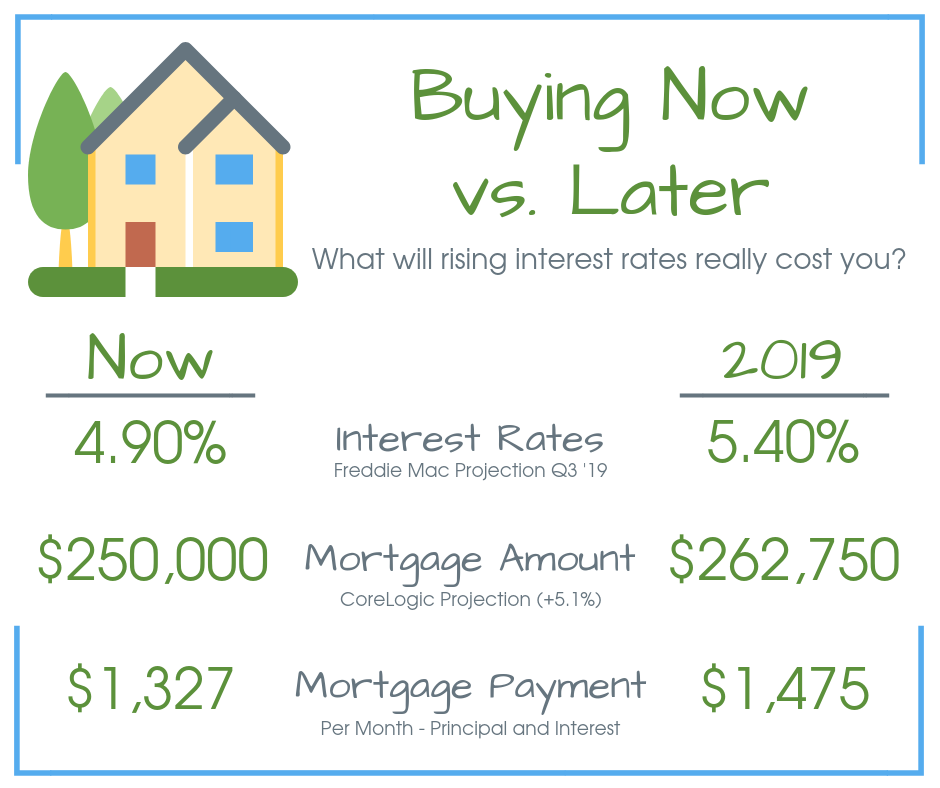
At its most basic, interest is the charge for the privilege of borrowing money. When you take out a mortgage, the lender provides a substantial sum, and the interest rate is their compensation for the risk they take and the capital they extend. This percentage is applied to the outstanding principal balance of your loan, accumulating over time. For a 30-year mortgage, even a seemingly small difference of half a percentage point can translate into tens of thousands of dollars more or less paid over the loan’s duration, underscoring its profound financial impact.
Principal vs. Interest
Every monthly mortgage payment you make is typically divided into two main components: principal and interest. The principal is the actual amount of money you borrowed and are paying back. Interest is the cost of borrowing that money. Early in the life of a standard amortizing mortgage, a larger portion of your monthly payment goes toward interest. As the loan matures and your principal balance decreases, a greater share of your payment begins to chip away at the principal, accelerating your equity build-up. This repayment schedule is known as amortization, and understanding how it works is key to appreciating the long-term cost of your loan.
Annual Percentage Rate (APR) vs. Interest Rate
While often used interchangeably, the stated interest rate and the Annual Percentage Rate (APR) are distinct. The interest rate is simply the percentage charged on the loan principal. The APR, however, represents the total cost of borrowing, expressed as an annual percentage. It encompasses not only the interest rate but also most of the other fees and costs associated with obtaining the loan, such as origination fees, discount points, mortgage insurance, and other closing costs. Because the APR provides a more comprehensive measure of a loan’s true cost, it is often a more accurate metric for comparing different loan offers from various lenders. A lower interest rate might look appealing, but a higher APR indicates that significant fees are associated with that seemingly cheaper rate.
Factors Influencing Mortgage Interest Rates
Mortgage interest rates are not static; they are dynamic figures influenced by a complex interplay of macroeconomic forces, lender-specific policies, and individual borrower characteristics.
Economic Indicators
The broader economic landscape plays a predominant role in shaping mortgage rates.
-
Federal Reserve Policy (Federal Funds Rate): While the Fed does not directly set mortgage rates, its actions, particularly adjustments to the federal funds rate, significantly influence short-term interest rates and ripple through the financial system to impact long-term rates like mortgages. When the Fed raises rates to combat inflation, mortgage rates typically follow suit.
-
Inflation: Lenders need to ensure that the money they lend retains its purchasing power. If inflation is high or expected to rise, lenders will demand higher interest rates to compensate for the erosion of their returns over time.
-
Bond Market (10-Year Treasury Yield): Mortgage rates are closely tied to the yields on long-term government bonds, particularly the 10-year Treasury note. Investors compare the risk and return of mortgage-backed securities (MBS) to Treasury bonds. When Treasury yields rise, MBS must offer higher yields (i.e., higher mortgage rates) to remain attractive to investors.
-
Economic Growth/Stability: A strong economy often leads to increased demand for credit and potential inflationary pressures, pushing rates higher. Conversely, economic slowdowns or uncertainty can sometimes lead to lower rates as investors seek the safety of bonds and the Fed may ease monetary policy.
Lender-Specific Factors
Beyond the economy, individual lenders also factor in various elements.
-
Lender’s Overhead and Profit Margins: Banks and mortgage companies have operational costs and aim for a profit margin. These are built into the rates they offer.
-
Loan Product Type: Different types of mortgages (e.g., fixed-rate vs. adjustable-rate, conventional vs. FHA/VA) carry different risk profiles for the lender, which are reflected in their respective rates.
-
Loan Term: Shorter loan terms, such as a 15-year mortgage, typically come with lower interest rates compared to a 30-year mortgage. This is because the lender’s money is tied up for a shorter period, reducing their interest rate risk.
Borrower-Specific Factors
Your personal financial profile is a critical determinant of the interest rate you’ll be offered.
-
Credit Score: A higher credit score (e.g., FICO score) indicates to lenders that you are a reliable borrower with a history of managing debt responsibly. Borrowers with excellent credit generally qualify for the lowest rates.
-
Debt-to-Income (DTI) Ratio: This ratio compares your total monthly debt payments to your gross monthly income. A lower DTI ratio suggests you have more disposable income to cover your mortgage payments, making you a less risky borrower and potentially eligible for better rates.
-
Down Payment Amount: A larger down payment reduces the loan amount relative to the home’s value (Loan-to-Value or LTV ratio). A lower LTV means less risk for the lender, often resulting in a more favorable interest rate.
-
Loan-to-Value (LTV) Ratio: Directly related to the down payment, the LTV ratio is the amount of the mortgage divided by the appraised value of the property. Lower LTVs are generally associated with lower interest rates.
-
Property Type and Location: The type of property (e.g., single-family home, condo, multi-unit dwelling) and its location can also subtly influence rates, as lenders assess varying levels of risk and market liquidity.
Types of Mortgage Interest Rates and Their Implications
Not all mortgages are created equal when it comes to how their interest rates are structured. Understanding the common types is crucial for choosing the right financial product for your situation.
Fixed-Rate Mortgages
A fixed-rate mortgage is the most common type of home loan, characterized by an interest rate that remains constant for the entire duration of the loan. This means your principal and interest payment will never change, providing unparalleled predictability and stability for your monthly housing budget.
-
Pros: The primary advantage is certainty. You know exactly what your principal and interest payment will be for 15, 20, or 30 years, regardless of economic fluctuations or changes in market interest rates. This makes budgeting simpler and protects you from potential rate hikes.
-
Cons: The main drawback is that if market rates fall significantly after you’ve locked in your rate, you won’t benefit from those lower rates unless you refinance, which incurs additional costs. Fixed rates also tend to be slightly higher than initial adjustable rates.
-
Typical Terms: The most popular fixed-rate terms are 30-year and 15-year mortgages. A 15-year mortgage typically has a lower interest rate than a 30-year mortgage, but the monthly payments are significantly higher due to the shorter repayment period.
Adjustable-Rate Mortgages (ARMs)
In contrast to fixed-rate loans, adjustable-rate mortgages feature an interest rate that can change periodically after an initial fixed-rate period.
-
Description: ARMs begin with an introductory fixed interest rate for a set period, typically 3, 5, 7, or 10 years. After this initial period, the rate adjusts up or down at predetermined intervals (e.g., annually) based on a specified market index (like the Secured Overnight Financing Rate – SOFR) plus a fixed margin set by the lender.
-
Pros: ARMs typically offer a lower initial interest rate compared to fixed-rate mortgages, making them attractive to buyers who plan to sell or refinance before the fixed period ends, or those who expect their income to rise significantly.
-
Cons: The significant risk with an ARM is that your interest rate and, consequently, your monthly payments can increase substantially when the rate adjusts. This unpredictability makes budgeting more challenging and can lead to payment shock if rates rise rapidly.
-
Caps (Periodic, Lifetime): To mitigate risk for borrowers, most ARMs include caps that limit how much the interest rate can change during each adjustment period (periodic cap) and over the lifetime of the loan (lifetime cap). For example, a “2/2/5” cap means the rate can’t increase more than 2 percentage points at the first adjustment, no more than 2 percentage points at subsequent annual adjustments, and no more than 5 percentage points over the life of the loan.
Hybrid ARMs
Hybrid ARMs combine elements of both fixed and adjustable-rate mortgages. The most common types are expressed as “X/Y,” where X is the number of years the initial rate is fixed, and Y is how frequently the rate adjusts thereafter. Examples include 5/1 ARMs (fixed for 5 years, then adjusts annually), 7/1 ARMs, and 10/1 ARMs. These offer a longer period of payment stability than pure ARMs while still potentially providing a lower initial rate than a 30-year fixed mortgage.
Interest-Only Mortgages (Briefly)
While less common for primary residences, interest-only mortgages allow borrowers to pay only the interest portion of their loan for a specified period (e.g., 5-10 years). During this time, the principal balance does not decrease. After the interest-only period, the payments typically jump significantly as the borrower must then pay both principal and interest to amortize the loan over the remaining term. These are generally used by real estate investors or those with high-income, variable cash flows.
Strategies for Securing a Favorable Mortgage Interest Rate
Given the substantial impact of interest rates on your overall homeownership cost, employing smart strategies to secure the best possible rate is paramount.
Improve Your Creditworthiness
Your credit score is arguably the most influential borrower-specific factor. Lenders use it to assess your likelihood of repaying the loan.
-
Pay Bills on Time: Payment history is the largest component of your credit score. Never miss a payment.
-
Reduce Debt: Lowering your credit utilization (the amount of credit you’re using compared to your available credit limit) can boost your score. Pay down credit card balances.
-
Check Credit Report for Errors: Regularly review your credit reports from all three major bureaus (Equifax, Experian, TransUnion) and dispute any inaccuracies. Even small errors can negatively impact your score.
-
Avoid New Credit: Refrain from opening new credit accounts or making large purchases on existing credit cards in the months leading up to and during your mortgage application process, as this can temporarily lower your score.
Increase Your Down Payment
A larger down payment reduces the loan amount, thereby decreasing the lender’s risk.
-
Reduces LTV: A higher down payment means a lower Loan-to-Value (LTV) ratio. For example, a 20% down payment means an 80% LTV. Lenders typically offer better rates for LTVs below 80% and you may avoid private mortgage insurance (PMI).
-
Signals Lower Risk: A substantial down payment demonstrates your financial commitment and stability, making you a more attractive borrower.
Shop Around for Lenders
This is perhaps one of the most overlooked yet effective strategies. Mortgage rates can vary significantly between different lenders on any given day.
-
Compare Offers: Obtain loan estimates from at least three to five different types of lenders, including large banks, local credit unions, and independent mortgage brokers.
-
Mortgage Brokers: These professionals work with multiple lenders and can often find competitive rates and terms you might not discover on your own.
-
Understand the Loan Estimate: This standardized document details the interest rate, APR, closing costs, and other loan terms, making it easier to compare apples to apples.
Understand and Utilize Mortgage Points
Mortgage points, also known as discount points, are fees paid to the lender at closing in exchange for a lower interest rate over the life of the loan. One point typically equals 1% of the loan amount.
-
“Buying Down” the Rate: If you have cash available and plan to stay in your home for many years, paying points can be a cost-effective way to reduce your monthly payments and save significantly on interest over the long term.
-
No-Point Loans: Conversely, you can opt for a “no-point” loan, where you pay no upfront fees for rate reduction, but accept a slightly higher interest rate. This is often preferred if you plan to sell or refinance relatively soon.
-
Break-Even Point: Calculate how long it will take for the savings from the lower interest rate to offset the cost of the points. This “break-even point” will help determine if paying points is a worthwhile investment for your situation.
Consider Shorter Loan Terms
While they come with higher monthly payments, shorter loan terms typically offer lower interest rates.
-
Lower Interest Rates: Lenders view shorter terms (e.g., 15-year fixed) as less risky because their money is exposed for a shorter period, leading to better rates.
-
Significant Interest Savings: A 15-year mortgage will accrue far less total interest over its life compared to a 30-year mortgage, even with the higher monthly payment.
The Future of Mortgage Interest Rates and Economic Impact
Mortgage interest rates are notoriously difficult to predict with absolute certainty, as they are a lagging indicator influenced by a multitude of rapidly shifting global and domestic economic forces.
Current Economic Climate & Rate Forecasts
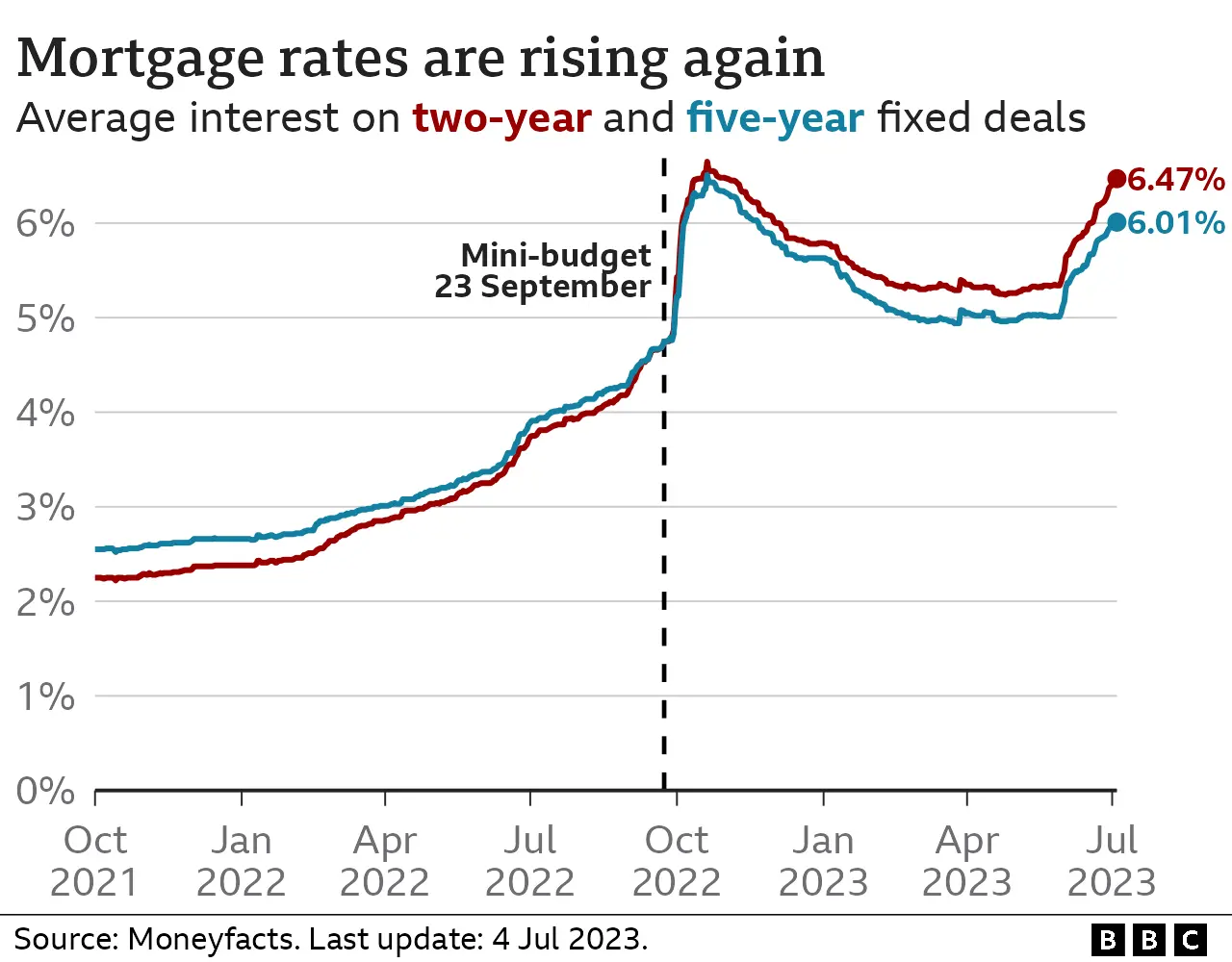
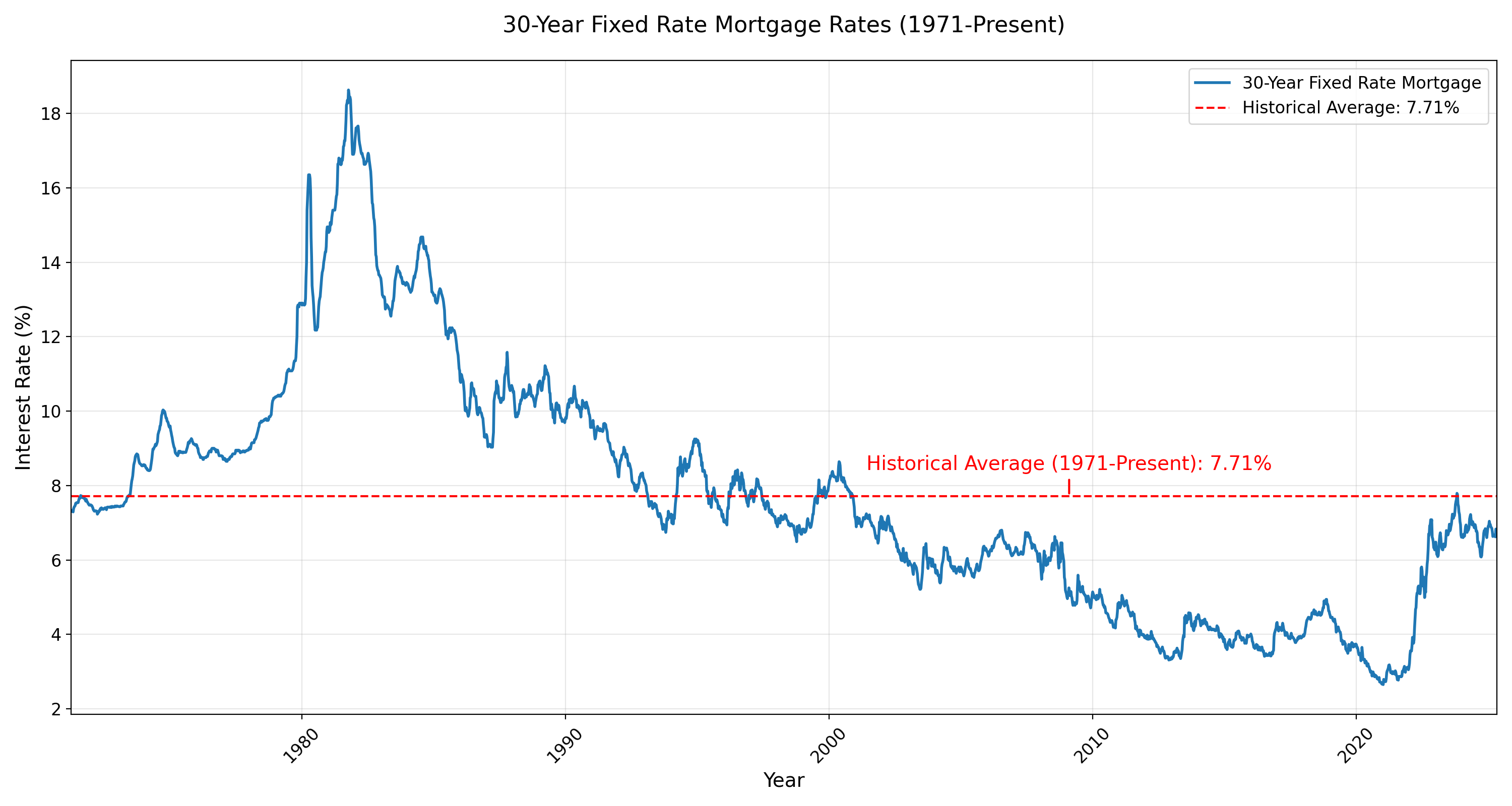
In recent years, we’ve seen significant volatility, with rates rising in response to aggressive central bank policies aimed at curbing inflation. While specific forecasts are speculative, the general trajectory of rates is often tied to central bank policy, inflation expectations, and global economic stability. Market watchers often look for signs of economic deceleration or disinflation as potential precursors to a plateau or even a modest decline in rates. However, persistent inflation or strong economic data can keep rates elevated. It’s crucial for prospective homebuyers to stay informed about these broader trends, recognizing that small shifts can have a substantial impact on affordability.
Impact on Housing Affordability
High mortgage interest rates directly translate to higher monthly payments for the same loan amount, effectively reducing a borrower’s purchasing power. This can cool a hot housing market by making homeownership less accessible, particularly for first-time buyers. Conversely, lower rates can stimulate demand, making homes more affordable and potentially driving up property values. The delicate balance between home prices, income levels, and interest rates is a constant struggle for policymakers and individuals alike.
Refinancing Opportunities
Understanding mortgage interest rates isn’t just for new homebuyers; it’s also critical for current homeowners. Refinancing involves replacing your existing mortgage with a new one, often to secure a lower interest rate, change the loan term, or convert an adjustable-rate mortgage to a fixed-rate one.
-
When to Refinance: Homeowners often consider refinancing when market rates drop significantly below their current mortgage rate. Even a percentage point drop can lead to substantial long-term savings.
-
Costs of Refinancing: It’s important to remember that refinancing incurs closing costs, similar to obtaining a new mortgage. You must calculate the break-even point—how long it takes for the savings from the lower payment to offset the refinancing costs—to determine if it’s financially advantageous.
-
Cash-Out Refinance: Some homeowners also use refinancing to “cash out” a portion of their home equity, often for home improvements, debt consolidation, or other large expenses. However, this increases your principal balance and requires careful consideration.
Conclusion
The mortgage interest rate is more than just a number; it is a pivotal financial lever that dictates the accessibility and affordability of homeownership. From the initial excitement of buying a first home to the strategic financial planning of a seasoned investor, a deep understanding of what constitutes a mortgage interest rate, the forces that shape it, and the types available is indispensable.
By meticulously building your credit, making substantial down payments, shopping diligently for the best lenders, and understanding the nuances of fixed vs. adjustable rates, you empower yourself to navigate the mortgage landscape effectively. As economic conditions continue to evolve, so too will mortgage rates, underscoring the importance of ongoing financial literacy and proactive decision-making. Ultimately, a well-informed approach to mortgage interest rates is not just about saving money—it’s about securing a stable financial future and making your homeownership dreams a sustainable reality.
aViewFromTheCave is a participant in the Amazon Services LLC Associates Program, an affiliate advertising program designed to provide a means for sites to earn advertising fees by advertising and linking to Amazon.com. Amazon, the Amazon logo, AmazonSupply, and the AmazonSupply logo are trademarks of Amazon.com, Inc. or its affiliates. As an Amazon Associate we earn affiliate commissions from qualifying purchases.