
Navigating the housing market is an inherently complex endeavor, and perhaps no single factor carries as much weight for prospective homebuyers and existing homeowners as interest rates. These rates, which dictate the cost of borrowing money to purchase a home, are in a constant state of flux, influenced by a myriad of global and domestic economic forces. Understanding the current landscape of home interest rates isn’t just about knowing a number; it’s about grasping the underlying dynamics that shape affordability, dictate market momentum, and significantly impact long-term financial planning for millions. As we stand today, the housing finance market is characterized by a unique blend of persistent inflation concerns, evolving central bank policies, and a resilient, albeit sometimes volatile, consumer base. For anyone considering a home purchase or a refinance, a clear, up-to-date understanding of these rates is paramount to making informed and strategic financial decisions.
Understanding the Current Landscape of Mortgage Rates
The journey to comprehending today’s mortgage rates begins with a deep dive into the broader economic environment. Interest rates are not set in isolation; they are a direct reflection of the health and direction of the economy, both domestically and internationally.
Key Economic Indicators at Play
Several powerful economic indicators act as the primary drivers behind the movement of mortgage rates. Inflation, for instance, is a critical variable. When inflation is high, lenders demand higher interest rates to compensate for the eroding purchasing power of future repayments. Conversely, a stable or low inflation environment can lead to more favorable rates. Employment figures, specifically the unemployment rate and job growth, also play a significant role. A strong job market signals economic robustness, often leading to increased consumer spending and potential inflationary pressures, which can nudge rates upward. Gross Domestic Product (GDP), a measure of a nation’s economic output, provides a macro-level view of economic health. Robust GDP growth can signal an economy that is expanding and potentially overheating, leading to a tightening of monetary policy and higher rates. Finally, consumer confidence indices offer insight into the public’s perception of the economy, influencing spending and investment behaviors that indirectly affect rate trends.
Federal Reserve Policy and Its Ripple Effect
At the epicenter of interest rate movements in the United States is the Federal Reserve. While the Fed does not directly set mortgage rates, its monetary policy decisions exert immense influence. The primary tool is the federal funds rate, which is the target rate for interbank lending. When the Fed raises this rate, it becomes more expensive for banks to borrow money, and these increased costs are typically passed on to consumers in the form of higher rates for various loans, including mortgages. Quantitative easing (QE) and quantitative tightening (QT) are other powerful tools. During QE, the Fed buys government bonds and mortgage-backed securities, injecting liquidity into the financial system and putting downward pressure on long-term rates like mortgages. QT, the reverse process, involves the Fed shrinking its balance sheet, which generally leads to higher long-term rates. The Fed’s forward guidance—its communication about future policy intentions—also plays a crucial role, shaping market expectations and influencing bond yields, which are closely correlated with fixed mortgage rates.
Market Sentiment and Lender Appetites
Beyond the hard economic data and central bank policy, market sentiment and the collective appetite of lenders for risk also significantly shape mortgage rates. Geopolitical events, such as international conflicts or trade disputes, can introduce uncertainty, causing investors to seek safer assets like U.S. Treasury bonds. This increased demand can temporarily push bond yields down, potentially benefiting mortgage rates. Conversely, periods of high market volatility or perceived economic instability can make lenders more cautious, leading them to demand higher rates to compensate for increased risk. The competitive landscape among mortgage lenders also plays a part. A highly competitive market might see lenders offering slightly lower rates to attract borrowers, while a less competitive environment could allow for higher rate margins. Investor demand for mortgage-backed securities (MBS) is another critical factor. When MBS are in high demand, it indicates a healthy market for mortgages, generally leading to more favorable rates for borrowers.
Factors Influencing Your Specific Mortgage Rate
While the broader economic environment sets the stage for general rate trends, the specific interest rate you receive on your home loan is highly individualized, contingent on a multitude of personal financial circumstances and loan characteristics.
Your Credit Score and Financial Health
Your credit score is arguably the most significant personal determinant of the interest rate you’ll be offered. Lenders use credit scores (like FICO scores) to assess your creditworthiness—your likelihood of repaying the loan. A higher credit score (typically above 740-760) signals a lower risk to the lender, making you eligible for the most competitive rates. Conversely, a lower score indicates higher risk, leading to higher interest rates to compensate the lender for that perceived risk. Beyond the score, a lender will also scrutinize your overall financial health, including your debt-to-income (DTI) ratio, which compares your monthly debt payments to your gross monthly income. A high DTI can signal that you’re overextended, potentially leading to a higher rate or even loan denial. Your payment history, credit utilization, and the length of your credit history also factor into this comprehensive assessment.
Loan-to-Value (LTV) Ratio and Down Payment Size
The loan-to-value (LTV) ratio is another critical factor. This ratio compares the amount of your mortgage to the appraised value of the home. A higher down payment results in a lower LTV, which generally translates to a lower interest rate. For example, a 20% down payment (80% LTV) is often seen as ideal by lenders because it reduces their risk and eliminates the need for private mortgage insurance (PMI). A smaller down payment (higher LTV) increases the lender’s risk, often resulting in a higher interest rate and the requirement for PMI. Lenders view a larger equity stake from the borrower as a stronger commitment and a buffer against potential market downturns.
Loan Type and Term Options (e.g., Fixed vs. Adjustable, 15-year vs. 30-year)
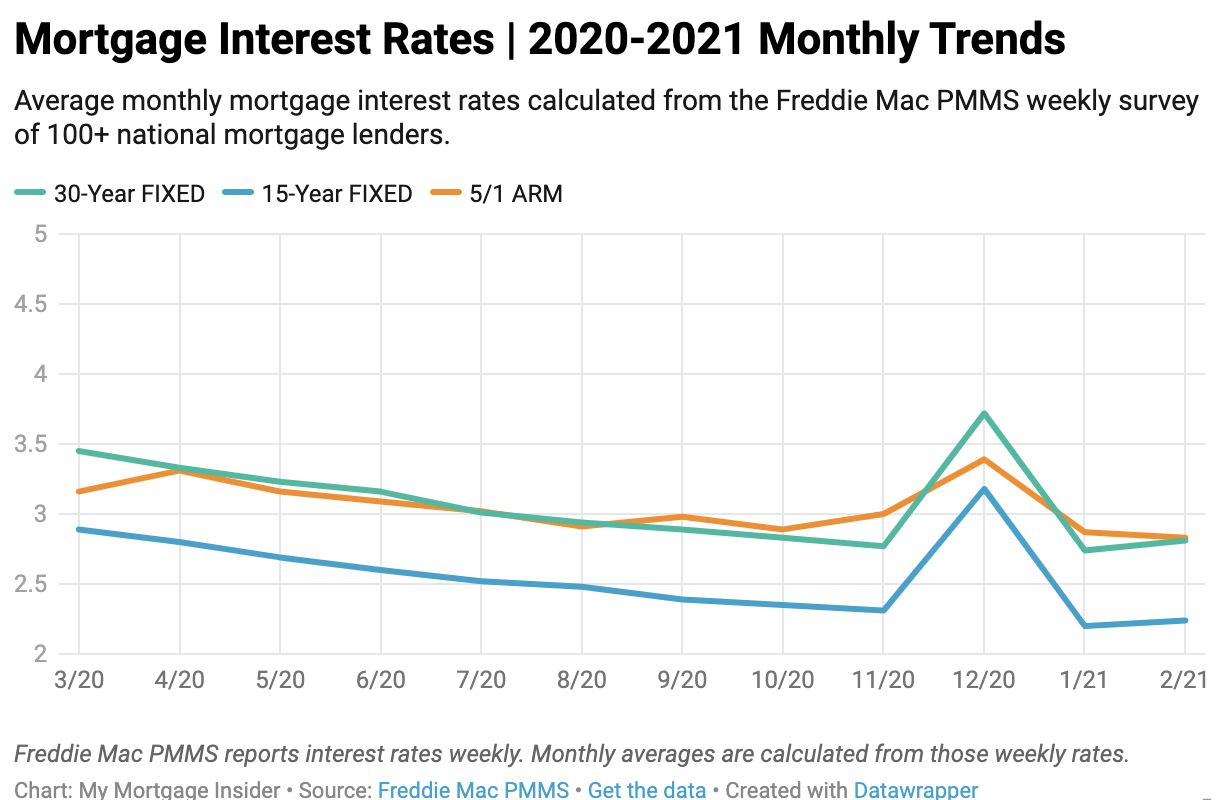
The type of mortgage you choose significantly impacts your interest rate. Fixed-rate mortgages, where the interest rate remains constant for the life of the loan, typically come with slightly higher initial rates than adjustable-rate mortgages (ARMs). ARMs, which have an initial fixed period followed by periods where the rate can adjust, often start with lower “teaser” rates but carry the risk of future rate increases. The loan term also plays a crucial role. A 15-year fixed-rate mortgage, for instance, usually offers a lower interest rate than a 30-year fixed-rate mortgage. While the monthly payments are higher on a 15-year loan, the total interest paid over the life of the loan is significantly less due to the shorter term and lower rate. This reflects the lender’s reduced long-term risk and quicker return on capital.
Geographic Location and Lender Competition
While national averages provide a benchmark, actual interest rates can vary based on geographic location. Regional economic conditions, local housing market dynamics, and the presence of local lender competition can influence rates. In areas with a high concentration of lenders or particularly aggressive competition, you might find slightly better rates. Conversely, in less competitive markets or areas perceived as higher risk by lenders, rates might be marginally higher. State-specific regulations and taxes can also subtly affect the overall cost of a mortgage, though less so the nominal interest rate itself.
The Impact of Current Rates on Homebuyers and Homeowners
Fluctuating interest rates send ripples throughout the housing market, profoundly affecting both those looking to buy and those who already own a home. These impacts range from immediate affordability challenges to long-term wealth accumulation strategies.
Affordability and Purchasing Power Challenges
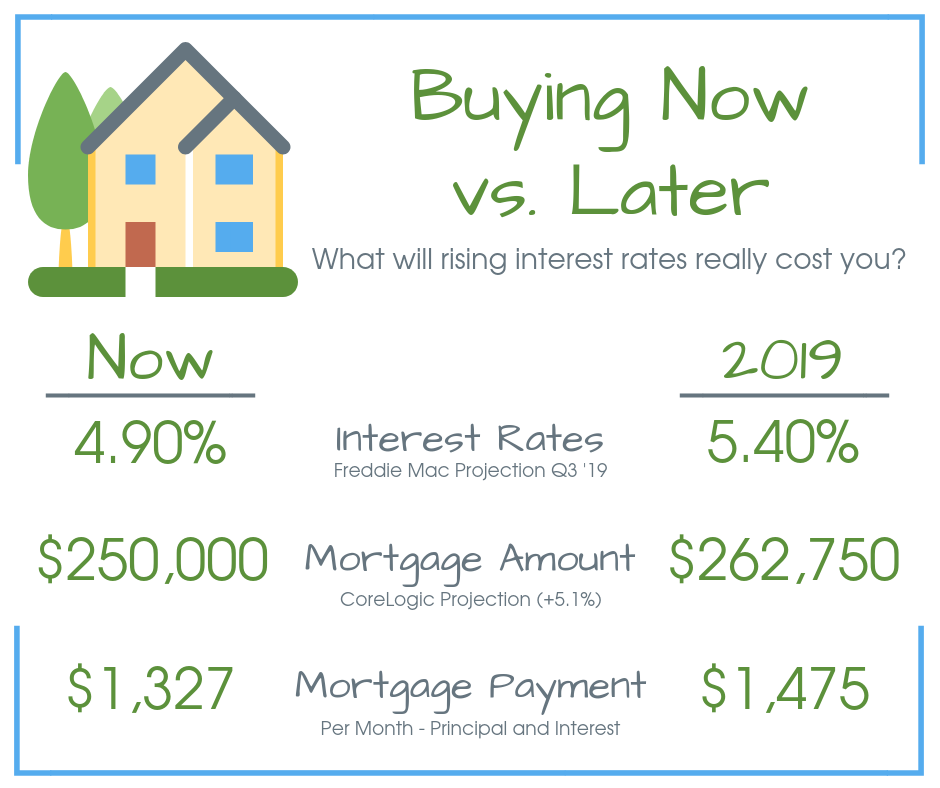
When interest rates rise, the cost of borrowing increases, which directly translates to higher monthly mortgage payments for the same loan amount. This phenomenon significantly diminishes a homebuyer’s purchasing power. A seemingly small increase in the interest rate can add hundreds of dollars to a monthly payment, effectively reducing the maximum home price a buyer can afford while staying within their budget. For example, a 1% increase in an interest rate on a $400,000, 30-year fixed-rate mortgage can increase the monthly principal and interest payment by over $200. This often forces buyers to either settle for smaller or less desirable homes or postpone their homeownership dreams entirely. It can also lead to increased competition for lower-priced homes, potentially keeping those prices elevated despite broader market slowdowns.
Refinancing Opportunities and Considerations
Existing homeowners keep a keen eye on interest rates, particularly when considering refinancing. A drop in rates below their current mortgage rate can present an opportunity to refinance into a lower rate, thereby reducing monthly payments or shortening the loan term. However, when rates are high or rising, refinancing becomes less attractive, and many homeowners might find themselves “locked in” to higher rates obtained during previous market conditions. Even in a higher-rate environment, there might be niche refinancing opportunities, such as cash-out refinances for specific financial goals, but the primary motivation of securing a lower rate is diminished. Homeowners also need to weigh the closing costs associated with refinancing against the potential savings, especially when rates are not significantly lower than their existing loan.
Strategic Decisions for First-Time Buyers
First-time buyers are particularly vulnerable to the impact of high interest rates. With limited equity from a previous home sale and often smaller down payments, their budgets are more sensitive to increased monthly costs. In a high-rate environment, first-time buyers might need to adjust their expectations regarding home size, location, or amenities. They may also consider less conventional loan options, such as ARMs with low initial rates, but this carries the risk of future payment shock. Alternatively, they might delay their purchase, allowing more time to save for a larger down payment or waiting for rates to potentially decline. Exploring government-backed loans (FHA, VA, USDA) that often have more lenient credit requirements or lower down payment options becomes even more critical in such an environment.
How Rising Rates Affect Home Equity and Wealth Building
Rising interest rates can also influence home equity growth and long-term wealth building. While higher rates make borrowing more expensive, they can also contribute to a slower appreciation of home values, as fewer buyers can afford homes, leading to less demand pressure. For existing homeowners, this could mean slower growth in their primary asset. Furthermore, higher rates make it more expensive to tap into existing home equity through home equity loans or lines of credit (HELOCs), potentially limiting access to funds for renovations or other investments. From an investment perspective, the “opportunity cost” of a high-interest mortgage means a larger portion of one’s financial resources is allocated to interest payments rather than other wealth-generating investments.
Navigating the Mortgage Market: Strategies for Success
In a dynamic interest rate environment, an informed and proactive approach is essential for securing the most favorable terms on a home loan. Strategic planning and diligent research can make a significant difference in the long-term cost of your home.
Pre-Approval: Your First Essential Step
Before you even begin seriously looking at homes, obtaining a mortgage pre-approval is crucial. A pre-approval letter from a lender not only gives you a clear understanding of how much you can realistically afford to borrow but also demonstrates to sellers that you are a serious and qualified buyer. This can provide a significant advantage in a competitive market. During the pre-approval process, the lender will review your financial information, including income, assets, and credit history, and provide an estimate of the interest rate you might qualify for. This early insight allows you to budget effectively and avoid the disappointment of falling in love with a home outside your financial reach.
Shopping Around for the Best Rates
One of the most impactful strategies for securing a lower interest rate is to shop around and compare offers from multiple lenders. While rates tend to move in tandem, individual lenders have different cost structures, risk appetites, and sometimes offer slightly varying rates and fees based on their current portfolio needs. Obtain quotes from at least three to five different lenders, including national banks, local credit unions, and online mortgage brokers. Be sure to compare not just the interest rate but also the annual percentage rate (APR), which includes the interest rate plus certain closing costs, providing a more comprehensive picture of the loan’s true cost. Using a mortgage broker can also be beneficial, as they have access to a wide network of lenders and can often find competitive rates that might not be available directly to consumers.
Understanding Rate Locks and Closing Costs
Once you receive a favorable interest rate offer, consider locking that rate. A rate lock guarantees that your interest rate will not change between the time you apply for the loan and when you close, protecting you from potential market increases. Rate locks typically have an expiration date (e.g., 30, 45, or 60 days), so ensure it aligns with your expected closing timeline. It’s also vital to scrutinize all closing costs, which are the fees paid at the closing of a real estate transaction. These can include origination fees, appraisal fees, title insurance, and various other charges. While some costs are negotiable, others are not. Understanding these costs is crucial, as they can significantly add to the overall expense of your home purchase. Lenders are required to provide a Loan Estimate form, which details all these costs, allowing for direct comparison between offers.
Exploring Government-Backed Loan Programs
For many buyers, particularly first-time homebuyers or those with less-than-perfect credit, government-backed loan programs can offer a more accessible path to homeownership. These include FHA loans (insured by the Federal Housing Administration), VA loans (guaranteed by the Department of Veterans Affairs for eligible service members and veterans), and USDA loans (for properties in eligible rural areas). These programs often feature lower down payment requirements, more flexible credit guidelines, and sometimes more favorable interest rates compared to conventional loans. While they may have specific eligibility criteria or additional fees (like FHA’s mortgage insurance premium), they can be invaluable tools for expanding homeownership opportunities and often provide a more secure path to financing in a fluctuating rate environment.
The Future Outlook: What to Expect Next
Predicting the precise trajectory of interest rates is notoriously challenging, even for seasoned economists. However, understanding the factors that will likely continue to influence rates can help both homebuyers and homeowners prepare for future possibilities.
Expert Predictions and Market Forecasts
Most market forecasts indicate that interest rates will remain sensitive to inflation data and the Federal Reserve’s response. If inflation proves more stubborn than anticipated, the Fed may maintain a hawkish stance, potentially keeping rates elevated or even prompting further increases. Conversely, if inflation cools more rapidly and the economy shows signs of slowing significantly, the Fed might pivot towards rate cuts, which would likely lead to lower mortgage rates. Geopolitical stability, global economic growth, and the ongoing supply and demand dynamics in the housing market will also continue to play a role. While consensus predictions offer a valuable guide, they are not guarantees, and individual circumstances can always lead to different outcomes.
Remaining Agile in a Dynamic Market
Given the inherent unpredictability, agility is a key virtue for anyone engaged with the housing market. For prospective buyers, this means being prepared to act when rates are favorable but also having a contingency plan if rates rise. It involves continually monitoring market trends, maintaining a strong credit profile, and having a clear understanding of personal financial limits. For homeowners, agility might mean being ready to refinance if a significant rate drop occurs, or conversely, being prepared to hold onto their current mortgage if rates stay high. It also means managing debt wisely and building an emergency fund to weather any unexpected financial shifts.

Long-Term Financial Planning Amidst Rate Volatility
Ultimately, homeownership is often a long-term commitment. While current interest rates are crucial for immediate decisions, it’s essential to integrate these considerations into a broader, long-term financial plan. This includes understanding the total cost of interest over the life of a loan, planning for potential future rate changes (especially with ARMs), and consistently building equity. Diversifying investments, maintaining a healthy savings rate, and regularly reviewing your financial goals will help you navigate periods of rate volatility and ensure that your home remains a valuable and sustainable part of your overall financial portfolio. The current rate environment, while complex, underscores the enduring importance of sound financial principles and proactive decision-making in the pursuit of homeownership and long-term financial stability.
aViewFromTheCave is a participant in the Amazon Services LLC Associates Program, an affiliate advertising program designed to provide a means for sites to earn advertising fees by advertising and linking to Amazon.com. Amazon, the Amazon logo, AmazonSupply, and the AmazonSupply logo are trademarks of Amazon.com, Inc. or its affiliates. As an Amazon Associate we earn affiliate commissions from qualifying purchases.