
Understanding “the interest rate” today is far more complex than a single number. It’s a dynamic, multifaceted landscape that profoundly impacts every aspect of our financial lives, from the cost of borrowing for a home or business to the returns we earn on our savings. Interest rates are not static; they fluctuate constantly, driven by a complex interplay of economic indicators, central bank policies, and global events. For anyone looking to make informed financial decisions – whether you’re planning to buy a house, save for retirement, start a business, or simply manage your day-to-day finances – grasping the current interest rate environment is absolutely crucial. This article delves into the various facets of interest rates today, providing a comprehensive overview to help you navigate this essential component of the financial world.
Understanding the Landscape of Interest Rates
The concept of an interest rate is fundamentally the cost of borrowing money or the return on lending money. However, in practice, there isn’t just one universal interest rate. Instead, there’s a spectrum of rates, each influenced by specific market conditions, the duration of the loan or deposit, the creditworthiness of the borrower, and the overall economic climate. To truly understand “how much the interest rate is today,” we must first dissect the foundational elements that shape this landscape.
The Federal Funds Rate and Its Ripple Effect
At the heart of the U.S. interest rate structure lies the federal funds rate, a target rate set by the Federal Reserve’s Federal Open Market Committee (FOMC). This isn’t a rate you or I directly pay or receive, but rather the interest rate at which commercial banks lend and borrow their excess reserves from each other overnight. The Federal Reserve uses this rate as its primary tool to implement monetary policy, influencing economic activity, inflation, and employment. When the Fed raises the federal funds rate, it signals a tightening of monetary policy, making it more expensive for banks to borrow, which, in turn, typically leads to higher interest rates across the board – for mortgages, auto loans, personal loans, and even savings accounts. Conversely, lowering the rate aims to stimulate economic growth by making borrowing cheaper. The current federal funds rate target range is therefore the most fundamental indicator of the central bank’s stance and exerts a significant ripple effect throughout the entire financial system.
Key Factors Influencing Rates
While the Federal Reserve plays a dominant role, several other macroeconomic factors constantly influence where interest rates are headed. Inflation is perhaps the most significant. If inflation is high, lenders demand higher interest rates to compensate for the erosion of purchasing power their money will experience over time. Conversely, persistently low inflation or deflation can lead to lower rates. Economic growth and employment levels also play a crucial role. A strong economy with low unemployment often leads to higher demand for credit, pushing rates up, and may prompt the Fed to raise rates to prevent overheating. Conversely, a weak economy typically sees lower rates to encourage borrowing and investment. Global economic conditions, geopolitical events, and government fiscal policy (e.g., government borrowing levels) can also create upward or downward pressure on rates by influencing investor confidence and capital flows.
Different Types of Interest Rates
When someone asks “how much is the interest rate today,” they’re often referring to a specific type of rate relevant to their immediate financial need. These include:
-
Mortgage Rates: The interest paid on home loans, varying by loan type (fixed, adjustable), term (15, 30 years), and borrower creditworthiness.
-
Auto Loan Rates: Interest on vehicle financing, influenced by credit score, loan term, and car type.
-
Personal Loan Rates: Unsecured loans often with higher rates due to greater risk.
-
Credit Card APRs (Annual Percentage Rates): Typically the highest interest rates due to the unsecured and revolving nature of the debt.
-
Savings Account & CD Rates: The interest earned on deposits, which are often much lower than borrowing rates but vary significantly between institutions and CD terms.
-
Business Loan Rates: Commercial loans, influenced by the business’s financial health, loan purpose, and collateral.
Each of these rates moves somewhat independently, albeit tethered to the broader economic environment and the federal funds rate.
Navigating Current Interest Rates for Borrowing
For most individuals and businesses, interest rates are most keenly felt when they need to borrow money. The prevailing rates today significantly impact the affordability of everything from a first home to a critical business expansion. Understanding these specific rates is paramount to making smart borrowing decisions.
Mortgage Rates: A Major Financial Commitment
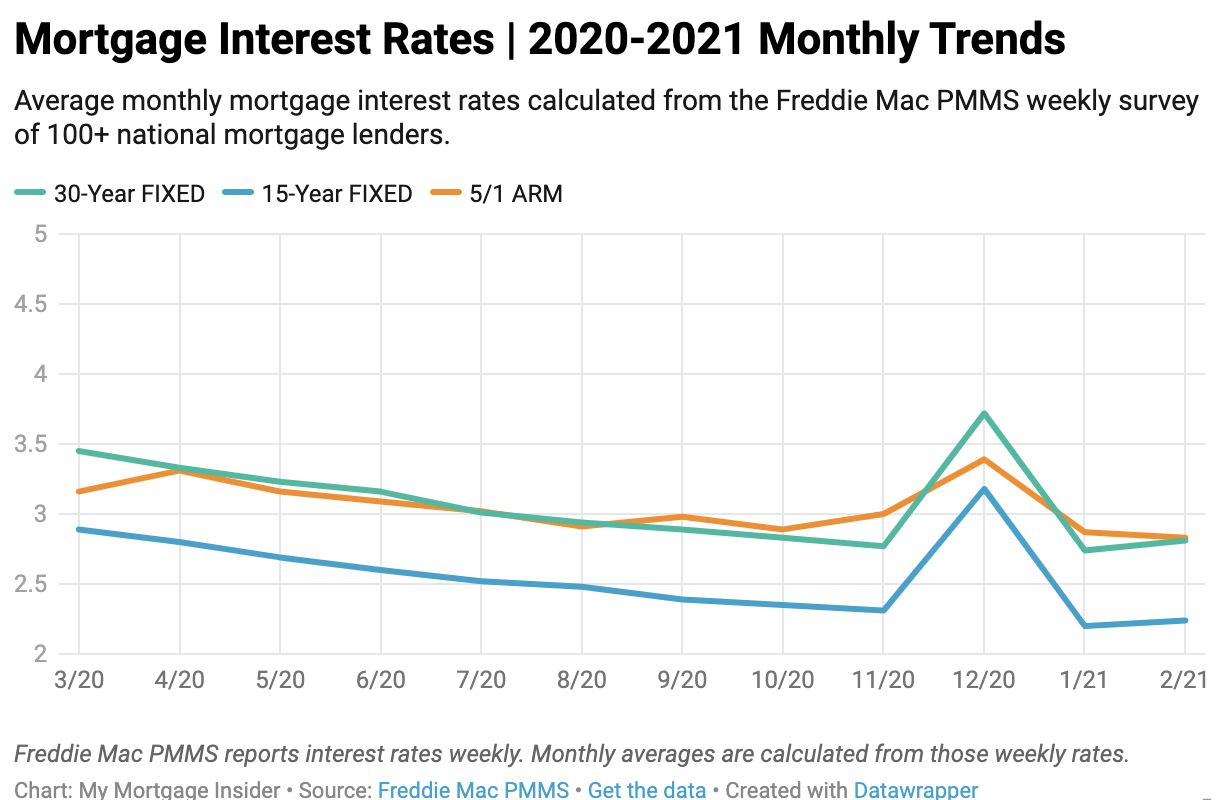
Mortgage rates are arguably the most impactful interest rates for many households. Today’s mortgage rates dictate the monthly payment and total cost of homeownership over decades. They are primarily driven by the bond market, specifically the yield on Treasury bonds, which are influenced by the federal funds rate and broader economic sentiment. As of today, rates for conventional 30-year fixed-rate mortgages hover within a certain range, but this range can shift daily. Factors like your credit score, debt-to-income ratio, down payment, and the specific lender you choose will all influence the exact rate you qualify for. Fixed-rate mortgages offer stability with a consistent payment, while adjustable-rate mortgages (ARMs) start with a lower introductory rate that can change after an initial period, offering potential savings if rates fall but risk if they rise. Prospective homebuyers must diligently shop around and consider their long-term financial stability when choosing a mortgage product in the current rate environment.
Personal Loans and Credit Cards: Short-Term vs. Long-Term Debt
For shorter-term borrowing needs or consolidating existing debt, personal loans and credit cards come into play, often with significantly different rate structures. Personal loan rates are typically fixed and can be much lower than credit card APRs, making them an attractive option for large one-time expenses or debt consolidation. These rates are highly dependent on the borrower’s credit score, ranging from single-digit percentages for those with excellent credit to much higher rates for those with a limited or poor credit history. Credit card APRs, by contrast, are almost universally higher, often in the double digits, and can be variable, meaning they change with market benchmarks (like the prime rate, which moves with the federal funds rate). While convenient, high credit card interest rates can quickly lead to an accumulating debt burden if balances are not paid off in full each month. Responsible use and strategic debt management are critical, especially in an environment where interest rates are elevated or rising.
Business Loans: Fueling Growth

Businesses, from startups to established enterprises, also rely heavily on understanding current interest rates for various forms of financing. Whether it’s a small business loan to cover operational costs, a line of credit for working capital, or a commercial mortgage for real estate, the interest rate significantly impacts a company’s profitability and growth potential. Like personal loans, business loan rates are influenced by the lender’s assessment of risk, the business’s financial health, and the type of loan. SBA-backed loans often offer more favorable terms, but even these are tied to market rates. Higher interest rates make it more expensive for businesses to borrow and invest, which can slow down expansion plans, reduce hiring, and impact overall economic activity. Conversely, lower rates can stimulate business investment and innovation.
Maximizing Returns: Interest Rates for Saving and Investing
While borrowers focus on minimizing the interest they pay, savers and investors are keen on maximizing the interest they earn. In a fluctuating rate environment, understanding where to park your cash and how interest rates affect various investment vehicles is essential for growing your wealth.
Savings Accounts and CDs: The Foundation of Emergency Funds
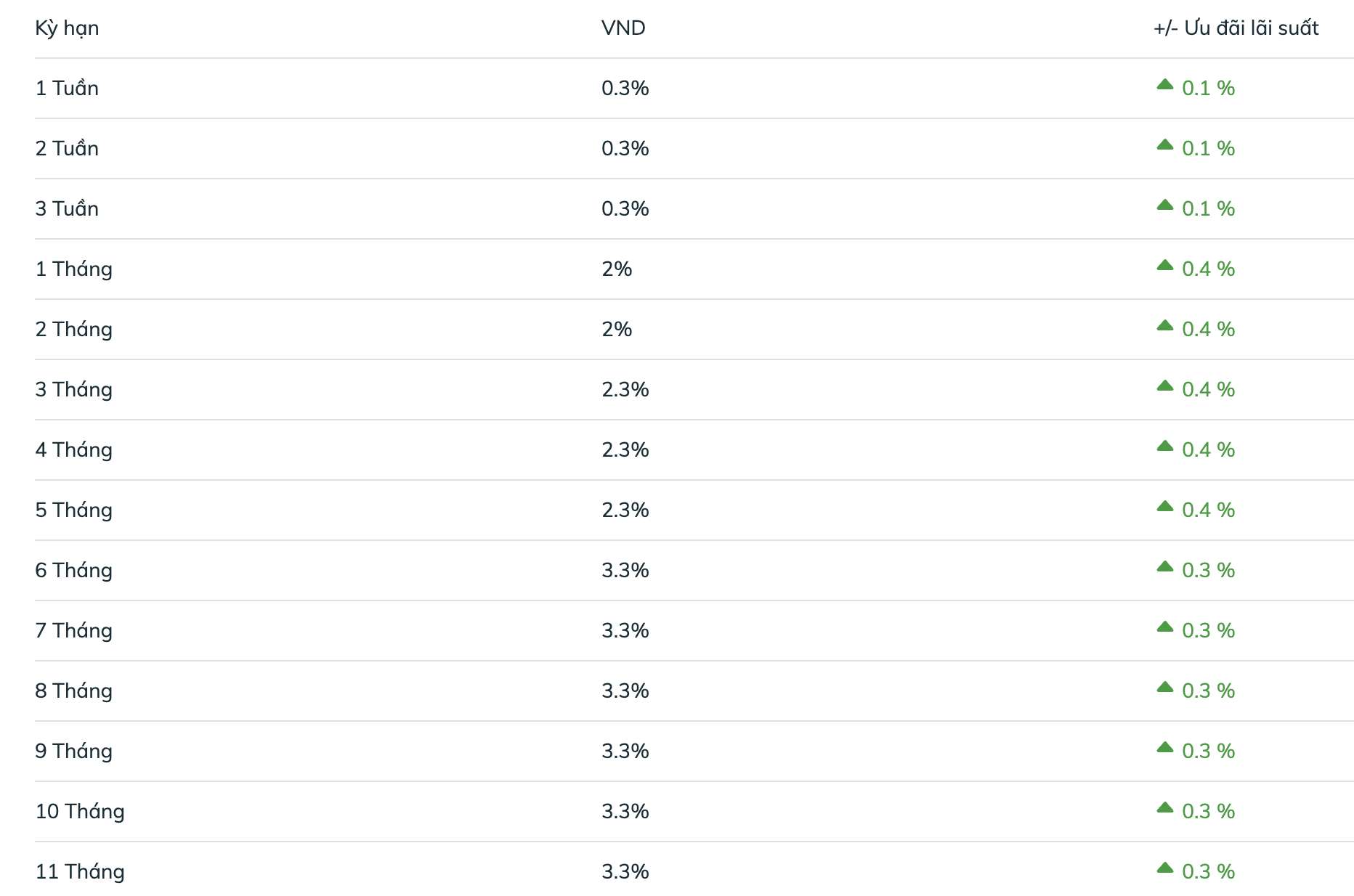
For low-risk savings, traditional savings accounts, high-yield savings accounts (HYSAs), and Certificates of Deposit (CDs) are the primary vehicles. The interest rates offered on these accounts are heavily influenced by the federal funds rate. When the Fed raises rates, banks generally increase the interest they pay on deposits, though often with a lag and not always at the same pace. Today, high-yield savings accounts, particularly those offered by online banks, typically offer significantly better rates than traditional brick-and-mortar institutions, sometimes yielding several percentage points. CDs offer fixed rates for a set term (e.g., 3 months to 5 years). Longer CD terms often (but not always) offer higher rates, rewarding depositors for locking up their money. These instruments are crucial for building emergency funds and saving for short-to-medium-term goals, providing safety and predictable returns in an environment where other investments might be volatile.
Money Market Accounts and High-Yield Savings
Money market accounts (MMAs) offer a hybrid between a checking account and a savings account, providing check-writing privileges while typically yielding higher interest rates than standard savings accounts. Their rates are also sensitive to the overall interest rate environment and often adjust more frequently. High-yield savings accounts, as mentioned, are a competitive option, particularly for those comfortable with online-only banking. The key to maximizing returns in this segment is regularly comparing rates across different financial institutions. The difference of even a percentage point or two can translate into significantly more interest earned over time, especially on larger balances.
Impact on Bonds and Fixed-Income Investments
Interest rates have a particularly nuanced relationship with bonds and other fixed-income investments. When interest rates rise, the value of existing bonds (which pay a fixed coupon rate) typically falls. This is because newly issued bonds offer higher yields, making older, lower-yielding bonds less attractive on the secondary market. Conversely, when rates fall, existing bonds with their relatively higher fixed yields become more valuable. For investors, this means actively managing a bond portfolio in a rising rate environment is crucial. Strategies might include shortening the duration of bond holdings or investing in floating-rate bonds. For new bond purchases, higher interest rates mean a better yield on newly issued bonds, which can be attractive for income-focused investors.
Strategies for Adapting to Today’s Interest Rate Environment
Given the dynamic nature of interest rates, adopting proactive strategies is key to optimizing your financial health, whether you’re borrowing, saving, or investing.
For Borrowers: Refinancing and Debt Consolidation
If interest rates have fallen since you took out a loan, refinancing could be a smart move. For instance, refinancing a mortgage to a lower rate can significantly reduce your monthly payments and total interest paid over the life of the loan. Similarly, if you have high-interest personal loans or credit card debt, debt consolidation into a lower-interest personal loan could save you money and simplify repayment. However, always consider closing costs and fees associated with refinancing, and ensure the new loan term aligns with your financial goals. In a rising rate environment, borrowers with adjustable-rate debt might consider locking in a fixed rate to avoid future payment increases.
For Savers: Optimizing Your Cash Holdings
Don’t let your emergency fund or short-term savings sit in a low-yield account. Actively seek out the best rates offered by high-yield savings accounts and Certificates of Deposit (CDs). Consider a “CD laddering” strategy, where you invest in multiple CDs with staggered maturity dates (e.g., 1-year, 2-year, 3-year CDs). This allows you to benefit from potentially rising rates when shorter-term CDs mature, while still earning higher rates on your longer-term investments. Review your savings vehicles regularly, especially after central bank rate changes, to ensure you are earning competitive returns.
For Investors: Portfolio Adjustments and Diversification
Interest rates play a role in the performance of various asset classes. Higher rates can make fixed-income investments more attractive relative to stocks, as they offer better guaranteed returns. They can also put pressure on growth stocks, as the future earnings of these companies are discounted more heavily at higher interest rates. Investors should review their portfolio allocation and consider diversification across different asset classes that may perform differently in varying rate environments. For example, some value stocks or dividend-paying stocks might perform better in a rising rate environment than highly leveraged growth companies. Consulting with a financial advisor can help tailor investment strategies to current interest rate conditions and your personal risk tolerance.
Conclusion
“How much is the interest rate today?” is a question with a multitude of answers, each critical to a different aspect of personal and business finance. From the federal funds rate set by central banks to the specific APRs on your credit cards, interest rates are a pervasive force in the economy. They dictate the cost of debt, the profitability of savings, and the attractiveness of various investment avenues.
Staying informed about the current interest rate environment is not merely an academic exercise; it’s a fundamental aspect of sound financial management. Whether you are contemplating a significant purchase, planning for retirement, or simply managing your daily cash flow, understanding the nuances of today’s interest rates empowers you to make strategic decisions that can significantly impact your financial well-being. By actively monitoring economic indicators, comparing rates across institutions, and adapting your borrowing, saving, and investing strategies, you can successfully navigate the ever-changing landscape of interest rates and steer your financial future toward your desired goals.
aViewFromTheCave is a participant in the Amazon Services LLC Associates Program, an affiliate advertising program designed to provide a means for sites to earn advertising fees by advertising and linking to Amazon.com. Amazon, the Amazon logo, AmazonSupply, and the AmazonSupply logo are trademarks of Amazon.com, Inc. or its affiliates. As an Amazon Associate we earn affiliate commissions from qualifying purchases.