
The evolution of in-car entertainment has transitioned from simple AM/FM dials to sophisticated digital ecosystems. At the center of this revolution remains SiriusXM, a service that bridged the gap between terrestrial broadcasting and the digital age. Whether you are driving a vintage classic or a modern electric vehicle, the technical pathways to accessing satellite radio have expanded significantly. Getting Sirius satellite radio in your car is no longer a matter of a single hardware installation; it is a choice between dedicated satellite hardware, software-driven integration, or hybrid streaming solutions.
Understanding the Technology: Satellite vs. Internet Streaming
To determine how to best equip your vehicle, it is essential to understand the underlying infrastructure of the service. SiriusXM operates on a hybrid network consisting of high-powered satellites in geostationary and highly elliptical orbits, supplemented by a network of terrestrial repeaters in urban areas. This dual-layer approach ensures that audio signals remain consistent even when skyscrapers or natural geography might block a direct line of sight to the sky.
Dedicated Satellite Hardware
The traditional method involves a dedicated tuner capable of decoding the proprietary S-band signals transmitted from space. The primary advantage of this technology is its independence from cellular networks. For drivers who frequently travel through “dead zones”—remote highways, mountain passes, or rural corridors—satellite hardware is the only way to ensure uninterrupted audio. The hardware consists of three main components: an antenna (usually magnetic or shark-fin style), a tuner, and an interface (either a standalone screen or an integrated dashboard display).
The Rise of IP-Based Streaming
In the modern tech landscape, the SiriusXM “360L” platform represents the pinnacle of their engineering. This system merges satellite delivery with Internet Protocol (IP) streaming. If your car is equipped with a modern infotainment system and a data connection, you are likely accessing the service through a combination of both. Streaming allows for features that traditional satellite cannot support, such as “Start Now” (restarting a live show from the beginning), personalized recommendations based on AI-driven listening habits, and significantly higher audio fidelity through advanced codecs.
Hardware Solutions for Older and Non-Equipped Vehicles
If your vehicle did not come from the factory with satellite radio capabilities, you are not excluded from the ecosystem. There are several hardware-centric methods to retrofit your car with the latest technology, ranging from DIY plug-and-play kits to sophisticated hidden installations.
Standalone Plug-and-Play Tuners
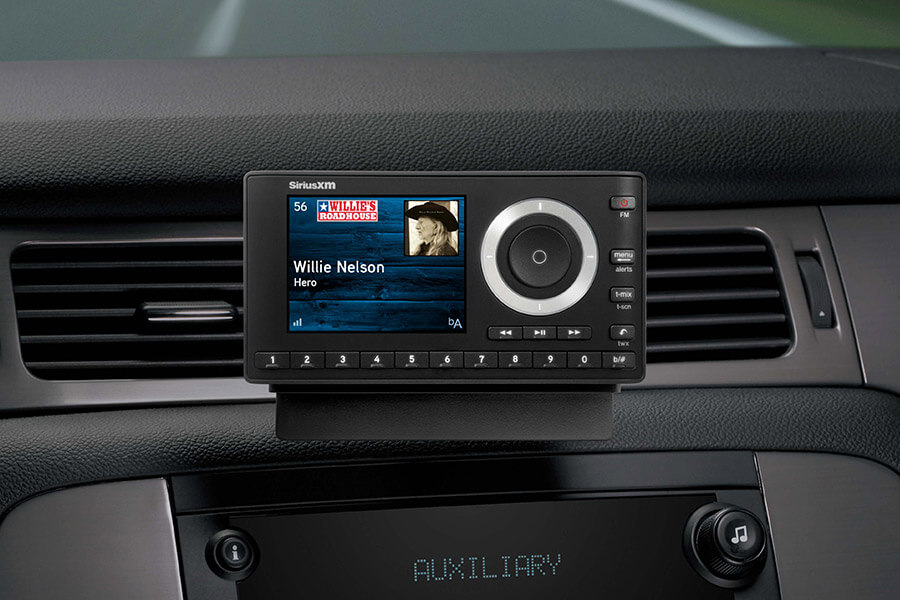
The most accessible entry point is the standalone dock-and-play radio, such as the SiriusXM Onyx series. These devices are essentially external computers dedicated to audio decoding.
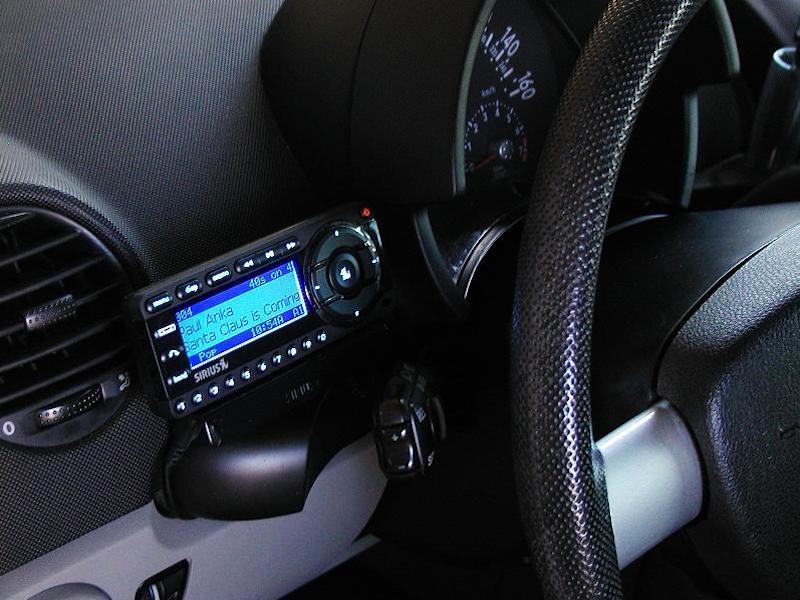
The installation involves mounting the tuner on the dashboard or a vent, running a magnetic antenna to the roof of the car, and connecting the audio output to your car’s stereo. Technologically, these units have evolved to include high-resolution color displays and “TuneStart” capabilities, which use internal buffering to ensure you never miss the beginning of a song when switching channels. Audio is delivered to the car’s speakers via an auxiliary input or an internal FM transmitter that broadcasts the signal over a vacant FM frequency.
Hidden In-Dash Tuners and Adapters
For those who prefer a clean, factory-look aesthetic, integrated adapters are the professional choice. Companies like VAIS Technology and iSimple produce hardware modules that interface directly with the factory radio’s existing circuitry.
These modules trick the car’s head unit into thinking a factory satellite tuner has been installed. This allows the driver to use the original steering wheel controls and dashboard buttons to navigate channels. The hardware is tucked behind the dashboard, leaving only a small, discreet antenna visible. This is the preferred method for maintaining the resale value of the vehicle while upgrading its technological capabilities.
Upgrading the Head Unit
The most comprehensive hardware solution is replacing the factory radio entirely with an aftermarket head unit from manufacturers like Alpine, Kenwood, or Pioneer. Modern aftermarket stereos are almost universally “SiriusXM Ready.” This means the head unit contains the software interface, but requires a small, plug-in tuner (usually the SXV300V1 Connect Vehicle Tuner) to be connected to the back. This setup provides the best possible audio quality and the most responsive user interface, often incorporating touchscreen controls and metadata displays that include album art and artist bios.
Software and Connectivity: The App-Based Approach
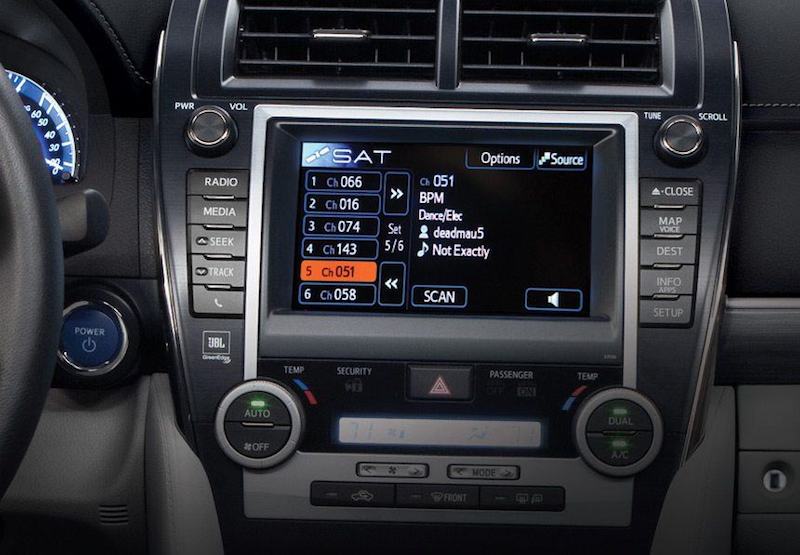
With the ubiquity of smartphones and high-speed LTE/5G networks, many users are opting for a software-only approach. This eliminates the need for professional hardware installation and relies on the processing power of your mobile device.
Integration with Apple CarPlay and Android Auto
If your car supports Apple CarPlay or Android Auto, the SiriusXM app is the most efficient way to get satellite radio. By connecting your phone to the vehicle, the app’s interface is projected onto the car’s built-in screen.
This tech stack offers several advantages:
-
Bandwidth Efficiency: The app uses advanced compression algorithms to provide high-quality audio without excessive data consumption.
-
User Experience: The interface is designed for driving safety, with large touch targets and voice command integration via Siri or Google Assistant.
-
Feature Richness: You gain access to hundreds of extra “Xtra” channels that are not available via traditional satellite tuners, as well as an extensive library of on-demand podcasts and interviews.
Bluetooth and Auxiliary Connections
For vehicles that have Bluetooth or a 3.5mm auxiliary port but lack a smart infotainment screen, the smartphone app remains a viable solution. In this scenario, the phone acts as the tuner and the interface. While this requires the driver to mount the phone in a visible location for safe interaction, it is the most cost-effective method. It is important to note that audio quality via Bluetooth may vary based on the supported codecs (such as AAC or aptX) of both the phone and the car’s receiver.
Activation and System Configuration
Once the hardware or software is in place, the final technical hurdle is activation. Every SiriusXM tuner has a unique Electronic Serial Number (ESN) or Radio ID.
Identifying Your Radio ID
For factory-installed systems, the Radio ID can typically be found by tuning the radio to Channel 0. On the technical side, this channel is unencrypted and acts as a broadcast beacon for the hardware’s identification string. For app-based users, activation is tied to your account credentials rather than a specific hardware ID, allowing for easier transitions between different devices.
The Signal Refresh Process
After subscribing, the service sends an activation “hit” to your tuner. This is a targeted data packet sent via the satellite constellation. For this to work, the vehicle must be parked in a location with a clear view of the sky. If the signal is missed, the hardware will remain in a “locked” state. Most modern systems allow you to trigger a “refresh” signal via a mobile website or automated text service, which resends the authorization keys to your specific ESN.
The Future of In-Car Satellite Audio
As we look toward the future of automotive technology, the distinction between “satellite radio” and “connected car services” is blurring. The industry is moving toward a more holistic “Connected Vehicle” model.
AI Personalization and 5G
The integration of 5G telematics into new vehicles is allowing SiriusXM to leverage edge computing. Future iterations of the service will likely use AI to predict what a driver wants to hear based on the time of day, location, and even driving style. For example, the system might automatically transition from a high-energy music stream to a calming news broadcast when it detects heavy traffic via GPS data.
High-Fidelity Audio and FLAC
While traditional satellite broadcasts are often criticized for their bit-rate limitations necessitated by narrow spectrum allocations, the shift to hybrid IP delivery is solving this. We are seeing a move toward Lossless and High-Res audio options within the in-car app ecosystem. For audiophiles with premium vehicle sound systems (such as those from Revel, Burmester, or Bang & Olufsen), the ability to stream SiriusXM in a high-bitrate format ensures that the technological potential of the car’s speakers is fully realized.
In summary, getting Sirius satellite radio in your car is a scalable process. You can choose the rugged reliability of dedicated satellite hardware for off-grid adventures, the seamless integration of an aftermarket head unit, or the flexible, feature-rich experience of app-based streaming. Each method represents a different intersection of hardware and software, ensuring that high-quality digital content is accessible regardless of your vehicle’s age or technological sophistication.
aViewFromTheCave is a participant in the Amazon Services LLC Associates Program, an affiliate advertising program designed to provide a means for sites to earn advertising fees by advertising and linking to Amazon.com. Amazon, the Amazon logo, AmazonSupply, and the AmazonSupply logo are trademarks of Amazon.com, Inc. or its affiliates. As an Amazon Associate we earn affiliate commissions from qualifying purchases.