
The journey of a garment, from a raw material to a finished product hanging in a retail store, is a complex global ballet, particularly for major international brands like American Eagle Outfitters (AEO). For consumers, the question “where is American Eagle clothing manufactured?” transcends mere curiosity; it delves into the very core of a brand’s identity, its commitment to ethical practices, its supply chain resilience, and ultimately, its value proposition. In an era where brand transparency and corporate social responsibility are paramount, understanding the geographical footprint of a brand’s manufacturing operations offers profound insights into its strategic decisions and its relationship with its global audience.

American Eagle Outfitters, encompassing the American Eagle and Aerie brands, operates a sophisticated and diversified global supply chain, a hallmark of most large apparel retailers today. Unlike vertically integrated manufacturers of the past, AEO, like its peers, primarily functions as a design, marketing, and retail entity. Its products are manufactured by a vast network of independent third-party factories and vendors spread across numerous countries. This strategy allows the brand to leverage specialized manufacturing capabilities, optimize costs, and respond with agility to shifting fashion trends and consumer demands.
The Global Tapestry of American Eagle’s Manufacturing Hubs
American Eagle’s manufacturing strategy is characterized by diversification, aiming to mitigate risks associated with over-reliance on a single region while capitalizing on specific regional advantages. This global sourcing model is common in the apparel industry, driven by factors such as labor costs, raw material availability, trade agreements, and manufacturing expertise.
Diversified Sourcing: A Strategic Imperative
At its core, American Eagle’s sourcing strategy is designed for flexibility and efficiency. Relying on a broad base of suppliers across different continents helps the brand navigate geopolitical shifts, trade tariffs, natural disasters, and fluctuating labor costs. For instance, if production in one region is disrupted, the brand can pivot to suppliers in another, minimizing delays and maintaining inventory levels. This strategic diversification is not just about cost-cutting; it’s a critical component of brand resilience, ensuring consistent product availability and delivery to customers, which directly impacts brand trust and loyalty. A brand that consistently fails to deliver popular items due to supply chain issues risks alienating its customer base and damaging its reputation.
Key Production Hubs: Asia, Central, and South America
While American Eagle generally does not disclose specific factory names or precise country-by-country breakdowns of its production volumes, public information and industry trends indicate a heavy reliance on manufacturing partners in Asia, particularly China, Vietnam, India, Bangladesh, and Indonesia. These countries have long been manufacturing powerhouses for apparel due to established infrastructure, skilled labor forces, and competitive pricing.
Beyond Asia, American Eagle also sources significantly from countries in Central and South America, such as Mexico, Honduras, Guatemala, and Peru. The proximity of these regions to the North American market offers distinct advantages, including shorter lead times and reduced shipping costs, which are crucial for rapidly responding to fashion trends and restocking popular items. This “nearshoring” strategy has gained traction as brands look to balance the cost benefits of distant production with the speed and flexibility offered by closer partners. Turkish manufacturers are also often noted for their quality denim and knitwear production, making them another valuable, albeit potentially smaller, part of AEO’s global network.
Beyond the “Made In” Label: The Complexity of Global Supply Chains
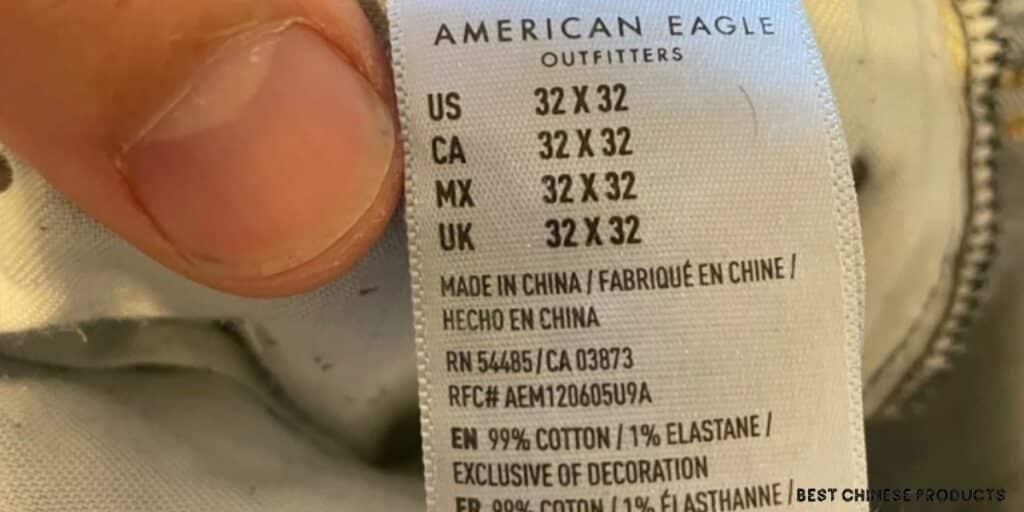
The “Made In [Country]” label on an American Eagle garment only tells a fraction of the story. The reality of modern apparel manufacturing is that a single product often has components sourced from multiple countries. For example, the fabric might be milled in Vietnam, dyed in China, cut and sewn in Bangladesh, and then embellished or finished in Mexico before being shipped to a distribution center in the U.S. This intricate web of interconnected processes highlights the sophistication and global nature of a brand’s supply chain. From a brand perspective, managing this complexity requires robust oversight, meticulous planning, and strong relationships with a diverse set of partners to ensure quality, consistency, and adherence to ethical standards at every stage. The brand’s ability to maintain its desired aesthetic and quality across this fragmented production process is a testament to its operational acumen and dedication to its brand image.
Brand Integrity and Supply Chain Transparency
In today’s socially conscious marketplace, where a brand’s values are often as important as its products, the “where” of manufacturing extends far beyond logistics. It speaks directly to a brand’s integrity, ethical stance, and commitment to responsible business practices.
Ethical Sourcing and Labor Practices: A Brand Promise
American Eagle, like many major retailers, faces intense scrutiny regarding the labor practices within its supply chain. The brand’s integrity is intrinsically linked to its commitment to fair labor standards, safe working conditions, and the absence of forced or child labor. To address these concerns, AEO typically outlines vendor codes of conduct, which require all manufacturing partners to comply with international labor laws, environmental regulations, and specific human rights standards. These codes are not merely guidelines; they are fundamental to preserving the brand’s reputation and avoiding damaging controversies that can arise from unethical manufacturing. A strong ethical sourcing policy is a non-negotiable aspect of maintaining consumer trust and aligning with the values of its target demographic, particularly younger consumers who prioritize social responsibility. Regular audits by third-party organizations are often employed to monitor compliance, although the effectiveness and frequency of these audits can vary and remain a point of ongoing discussion within the industry.
Combating “Fast Fashion” Perceptions with Responsible Manufacturing
While American Eagle is not strictly considered “fast fashion,” it operates within a rapid-cycle fashion environment. This industry segment often comes under fire for its perceived negative environmental and social impacts. By emphasizing responsible manufacturing practices, American Eagle can proactively work to differentiate itself and mitigate these perceptions. This includes efforts towards reducing water usage, minimizing waste, using sustainable materials, and ensuring proper chemical management in its factories. These initiatives are not just about compliance; they are strategic brand positioning tools. Communicating these efforts effectively reinforces the brand’s commitment to sustainability and resonates with environmentally conscious consumers, thereby enhancing brand loyalty and appeal. Without demonstrable efforts in this area, the brand risks being lumped into a category that many consumers are increasingly trying to avoid.
Communicating Supply Chain Efforts to the Consumer Base
Transparency is a powerful tool in brand building. While complete real-time disclosure of every single factory might be impractical for a brand of AEO’s scale, effective communication about its general sourcing philosophy, ethical guidelines, and sustainability initiatives is crucial. This can be achieved through dedicated sections on its corporate website, annual corporate social responsibility reports, and strategic marketing campaigns. By openly discussing its supply chain challenges and progress, American Eagle can foster a sense of trust and authenticity with its customers. This level of transparency not only educates consumers but also empowers them to make informed purchasing decisions, strengthening their emotional connection to the brand. When consumers understand the effort behind their clothing’s production, it elevates the perceived value and reinforces the brand’s commitment to more than just profit.
Quality Control and Brand Consistency Across Continents
Maintaining a consistent level of quality and brand aesthetic across dozens of factories in multiple countries is one of the most significant challenges and triumphs of a global apparel brand. This consistency is paramount to American Eagle’s brand identity and customer satisfaction.
Ensuring Product Standards from Factory Floor to Retail Shelf
Every American Eagle garment, whether a pair of jeans from Mexico or a t-shirt from Bangladesh, must meet the brand’s exacting standards for fit, fabric quality, stitching, and finishing. This requires rigorous quality control protocols implemented at various stages of production, from the inspection of raw materials to in-process checks and final product evaluations. The brand’s design and product development teams work closely with vendors to ensure that specifications are precisely met, often involving on-site representatives or third-party quality assurance firms. Inconsistency in quality can severely damage a brand’s reputation, leading to returns, negative reviews, and a loss of consumer trust. American Eagle’s ability to maintain its desired product feel and appearance across its diverse manufacturing base is a key element in preserving its brand promise.
The Role of Third-Party Audits and Certifications
To bolster its quality control and ethical sourcing claims, American Eagle often leverages third-party audit firms and certifications. These external bodies provide an independent assessment of factory conditions, quality management systems, and compliance with social and environmental standards. Certifications like Worldwide Responsible Accredited Production (WRAP) or OEKO-TEX (for textile safety) provide verifiable assurance to both the brand and its consumers. While not a foolproof solution, they add a layer of accountability and credibility to the brand’s supply chain management efforts. From a branding perspective, these certifications serve as tangible proof points for marketing claims regarding sustainability and ethical production, enhancing the brand’s perceived reliability and trustworthiness.
Impact on Customer Loyalty and Brand Reputation
Ultimately, the “where” and “how” of manufacturing directly impact customer loyalty and the overall brand reputation. A consumer who consistently receives high-quality products that align with the brand’s image is more likely to become a repeat customer and a brand advocate. Conversely, issues stemming from poor manufacturing practices—be it quality defects or ethical concerns—can quickly erode trust and lead to negative publicity. American Eagle’s success relies not just on its designs and marketing but equally on the seamless, ethical, and high-quality operation of its global manufacturing network. It’s a testament to the brand’s operational sophistication that it can manage such a vast and complex system while upholding the standards that its customers have come to expect.
Strategic Sourcing: Balancing Cost, Speed, and Brand Values
The landscape of apparel manufacturing is constantly evolving, driven by technological advancements, geopolitical shifts, and changing consumer expectations. American Eagle’s strategic sourcing decisions are a continuous balancing act between economic efficiency, speed to market, and adherence to its core brand values.
Nearshoring vs. Offshoring: Adapting to Market Demands
The traditional model of offshoring manufacturing to low-cost countries in Asia is being re-evaluated by many brands. While cost savings remain a powerful incentive, the challenges of long lead times, increased shipping costs, and geopolitical uncertainties have led brands like AEO to explore “nearshoring” or even “reshoring” certain aspects of production. Nearshoring to countries like Mexico or those in Central America allows for quicker replenishment cycles, reduced inventory risk, and greater flexibility in responding to emerging trends. This strategic shift is driven by the realization that the fastest, most agile supply chain can offer a competitive advantage, even if the per-unit cost is slightly higher than traditional offshore manufacturing. For a brand, this adaptability is crucial for staying relevant and responsive in the fast-paced fashion industry.
The Evolving Landscape of Apparel Manufacturing
Technological innovations, such as automation, 3D printing, and advanced data analytics, are transforming apparel manufacturing. While full automation is still a distant reality for much of the cut-and-sew industry, these technologies are enabling greater efficiency, precision, and potentially, more localized production. American Eagle, through its vendor relationships, is likely exploring how these advancements can be integrated into its supply chain to improve sustainability, reduce waste, and enhance product customization. Investing in or partnering with manufacturers that embrace these technologies is a forward-thinking move that can contribute to the brand’s long-term competitive edge and its commitment to innovation.

Future-Proofing the Supply Chain for Sustainable Growth
Looking ahead, the question of “where American Eagle clothing is manufactured” will increasingly be intertwined with sustainability goals and circular economy principles. Brands are under pressure to reduce their environmental footprint and promote ethical practices throughout their entire product lifecycle. This means not only scrutinizing factory conditions but also focusing on the environmental impact of raw material sourcing, dyeing processes, and transportation. American Eagle’s future growth and brand relevance will depend on its ability to build a supply chain that is not only efficient and cost-effective but also resilient, ethical, and truly sustainable, aligning its operational reality with its aspirational brand values. This ongoing evolution in its manufacturing strategy will be key to solidifying its position as a responsible and beloved brand in the global marketplace.
aViewFromTheCave is a participant in the Amazon Services LLC Associates Program, an affiliate advertising program designed to provide a means for sites to earn advertising fees by advertising and linking to Amazon.com. Amazon, the Amazon logo, AmazonSupply, and the AmazonSupply logo are trademarks of Amazon.com, Inc. or its affiliates. As an Amazon Associate we earn affiliate commissions from qualifying purchases.