
The question, “Where is American Airlines Center?” might seem like a simple geographical query, a search for an address on a map. However, for brand strategists, corporate identity experts, and marketing professionals, this question transcends mere cartography. It delves into the profound strategic significance of physical location as a cornerstone of brand building, market presence, and enduring legacy. In an era increasingly dominated by digital interactions, the tangible presence of a major corporate-sponsored venue like the “American Airlines Center” (a conceptual embodiment of a corporate landmark for this discussion) represents a deliberate, high-stakes investment in anchoring a brand within the physical world, creating a nexus where corporate identity, community engagement, and market influence converge. This article explores the intricate ways in which the geographical placement of such an iconic structure is not just an operational decision but a pivotal element of brand strategy, corporate identity, and marketing resonance.

The Nexus of Brand and Geography: Why Location Matters
In the realm of brand strategy, every decision, from logo design to product placement, is meticulously calculated to shape perception and foster connection. Among these, the choice of a physical location for a major corporate asset—especially one bearing the brand’s name—stands as a monumental declaration of intent. It is a strategic statement that communicates commitment, scale, and vision, deeply influencing how the brand is perceived by its target audience, competitors, and the broader public.
Defining Brand Footprint and Visibility
The physical location of a branded center directly defines its ‘brand footprint.’ This footprint is not just the area it occupies but the zone of influence it creates. A centrally located venue in a vibrant metropolitan area, for instance, immediately signals prominence and accessibility, making the brand synonymous with the energy and dynamism of that locale. This strategic placement ensures maximum visibility, turning the center into a de facto billboard, a daily reminder of the brand’s presence in the lives of commuters, residents, and visitors. It transforms a corporate name from an abstract entity into a tangible, recognizable landmark, embedding it within the collective consciousness of a community. The mere act of people asking “Where is American Airlines Center?” implicitly reinforces the brand’s existence and importance, driving organic awareness and curiosity.
The Role of Accessibility and Target Audience Alignment
Beyond mere visibility, the strategic location also addresses accessibility—a critical factor in engagement. A brand center needs to be easily reachable by its target audience, whether they are sports fans, concert-goers, or conference attendees. Proximity to public transport, major highways, and thriving commercial or residential districts is paramount. This accessibility is not just about convenience; it’s about reducing friction in the customer journey, making it easier for individuals to experience the brand firsthand. Moreover, the chosen location often reflects an alignment with the brand’s target demographic. Placing a luxury brand’s center in an upscale district, or a community-focused brand’s venue in a bustling, diverse neighborhood, ensures that the brand is physically present where its most valued customers reside, work, and play, thereby strengthening its relevance and connection.
Corporate Identity Embodied: The American Airlines Center as a Brand Landmark
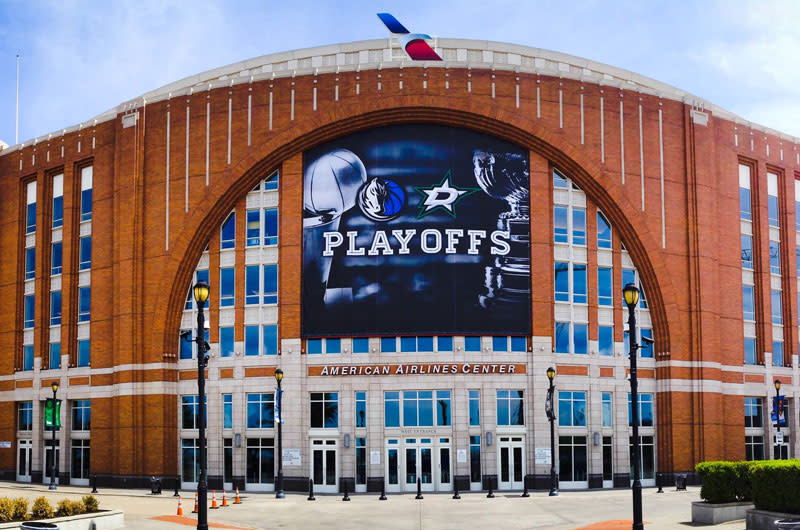
A named venue like the “American Airlines Center” is far more than just a building; it is a physical manifestation of corporate identity. It’s where the abstract values, mission, and vision of a corporation gain tangible form, becoming a living monument to its brand ethos.
Architectural Expression of Brand Values
The architecture and design of a corporate-sponsored center are powerful non-verbal communicators of brand values. A sleek, modern design might convey innovation and forward-thinking, while a more classic, robust structure could suggest heritage and reliability. For a brand like American Airlines, often associated with reliability, global connectivity, and a premium travel experience, its namesake center would likely reflect these attributes through its aesthetic and functionality. The careful selection of materials, the integration of brand colors and logos, and even the choice of interior amenities all contribute to an immersive brand experience. This architectural storytelling transforms the building into a physical narrative, reinforcing the brand’s identity with every glance and every visit. It establishes the center as an enduring symbol, integrating the corporate identity into the very fabric of the city’s skyline and cultural landscape.
Fostering Brand Association and Affinity
The “American Airlines Center” isn’t just a place where events happen; it’s a place where memories are made under the umbrella of a corporate brand. Every thrilling game, every unforgettable concert, every impactful convention that takes place within its walls becomes inextricably linked to the American Airlines brand. This creates powerful positive associations, transferring the excitement and emotional resonance of these experiences directly to the sponsor. Over time, these associations build deep brand affinity, fostering a sense of loyalty and goodwill among patrons. The center becomes a community hub, a source of pride, and a consistent touchpoint for positive interaction, transforming passive recognition into active advocacy. The emotional connections forged here extend beyond the venue, influencing perceptions of the American Airlines brand in its core business.
Marketing Resonance: Leveraging Location for Brand Visibility and Engagement
The strategic placement of a branded venue amplifies its marketing potential, transforming it into a dynamic platform for brand visibility, public relations, and interactive engagement that extends far beyond traditional advertising channels.

Omni-Channel Marketing Integration
A major branded center serves as a powerful anchor for omni-channel marketing strategies. Its physical location becomes a central point around which digital campaigns, social media engagement, and traditional advertising can coalesce. Geotargeted ads can draw individuals to events at the center, while social media campaigns can leverage user-generated content from within the venue, amplifying reach and engagement. The “Where is American Airlines Center?” query itself can be optimized for search engines, leading users not just to a map, but to a rich digital ecosystem of event schedules, ticketing information, and brand content. This synergy between the physical and digital ensures that the brand’s message is consistent and pervasive, reaching audiences across multiple touchpoints and reinforcing the brand’s physical presence.
Public Relations and Event-Driven Exposure
The mere existence and location of a prestigious venue create ongoing public relations opportunities. Major events hosted at the “American Airlines Center”—from championship games to headline concerts—attract significant media attention, each mention serving as an unpaid endorsement of the sponsoring brand. News reports, event reviews, and cultural commentary all implicitly or explicitly reference the venue’s name, providing invaluable exposure to diverse audiences. Furthermore, the center becomes a natural venue for corporate events, product launches, and community initiatives, allowing American Airlines to host branded experiences that directly engage stakeholders, media, and consumers. This event-driven exposure generates buzz, maintains brand relevance, and showcases the brand’s commitment to culture and community, solidifying its position in the public eye.
Beyond Bricks and Mortar: The Evolving Digital Footprint of a Physical Brand
While the physical location of the “American Airlines Center” is paramount, its strategic importance is magnified by its digital footprint. In the modern era, the physical and digital identities of a brand are inextricably linked, with each reinforcing the other to create a holistic brand experience.
Geolocation and Digital Discoverability
For contemporary audiences, “Where is American Airlines Center?” is often a question posed to a search engine or a mapping app. This makes the digital discoverability of the physical location absolutely crucial. Optimized local SEO, accurate listing on Google Maps, Apple Maps, and other navigation platforms, and a robust online presence (website, social media profiles) ensure that when users look for the center, they find it quickly and efficiently. This seamless digital-to-physical transition is a core part of the customer journey, preventing frustration and reinforcing the brand’s reliability and user-friendliness. The digital representation of the physical space—complete with virtual tours, high-quality images, and user reviews—can even build excitement and familiarity before a visitor ever sets foot inside.
Immersive Digital Experiences and Virtual Engagement
The digital footprint of a physical venue extends beyond mere navigation. It encompasses the creation of immersive digital experiences that complement and enhance the real-world visit. This could involve augmented reality (AR) apps that guide visitors through the center, virtual reality (VR) tours for those who can’t attend in person, or interactive online content that delves into the center’s history or upcoming events. For American Airlines, integrating their loyalty programs, flight information, or travel-related content within the center’s digital ecosystem could create a seamless brand experience. These digital layers transform a static location into an interactive hub, extending the brand’s reach and engagement beyond the physical boundaries of the building, making the “American Airlines Center” a destination even for those afar.
Cultivating Community and Legacy: The Societal Impact of a Marquee Location
The decision of “Where is American Airlines Center?” is not solely a commercial one; it carries significant societal implications that contribute to a brand’s long-term legacy and community standing. A strategically placed venue can become a beacon of civic pride, a catalyst for urban development, and a powerful symbol of a brand’s commitment to the communities it serves.
Anchor for Urban Development and Revitalization
Major sports and entertainment venues often serve as anchors for urban development and revitalization projects. The careful placement of the “American Airlines Center” could transform an underutilized district into a bustling entertainment hub, attracting new businesses, generating employment opportunities, and stimulating local economies. This positive impact on the surrounding community reflects favorably on the sponsoring brand, positioning American Airlines not just as a corporate entity but as a responsible corporate citizen contributing to urban renewal and prosperity. This long-term investment in a specific location demonstrates a profound commitment that resonates deeply with local residents and governing bodies, building invaluable goodwill and establishing the brand as a vital part of the city’s future.
Symbol of Civic Pride and Cultural Heritage
Over time, a marquee venue like the “American Airlines Center” can transcend its commercial origins to become an integral part of a city’s identity and cultural heritage. It becomes a place where collective memories are forged, where local teams achieve glory, and where cultural milestones are celebrated. This deep integration fosters a sense of civic pride, where residents view the center as “their” landmark, implicitly extending that positive sentiment to the American Airlines brand. The brand becomes interwoven with the narrative of the city, achieving a level of cultural resonance that traditional advertising simply cannot buy. This enduring legacy ensures that “Where is American Airlines Center?” evolves from a simple question into a statement about a landmark, a community pillar, and a testament to the brand’s lasting impact.
In conclusion, the seemingly straightforward question, “Where is American Airlines Center?” unlocks a complex tapestry of brand strategy, corporate identity, and marketing brilliance. The physical location of such a venue is a deliberate, calculated choice that extends far beyond geographical coordinates. It is a powerful act of brand anchoring, designed to maximize visibility, embody corporate values, amplify marketing efforts, integrate digital and physical experiences, and cultivate an enduring legacy within the fabric of a community. In an increasingly fragmented world, a strategically placed landmark like the “American Airlines Center” stands as a testament to the enduring power of physical presence in forging deep, meaningful connections between a brand and its world.
aViewFromTheCave is a participant in the Amazon Services LLC Associates Program, an affiliate advertising program designed to provide a means for sites to earn advertising fees by advertising and linking to Amazon.com. Amazon, the Amazon logo, AmazonSupply, and the AmazonSupply logo are trademarks of Amazon.com, Inc. or its affiliates. As an Amazon Associate we earn affiliate commissions from qualifying purchases.