
Shipping a puppy is far more than just placing an animal in a crate and sending it off. For individuals and breeders alike, it represents a significant financial undertaking, laden with costs, regulations, and potential risks that demand meticulous planning and a robust understanding of financial implications. Whether you’re a new owner bringing a beloved companion home from afar, a small-scale breeder expanding your reach, or a large commercial operation, every decision around puppy shipping reverberates through your budget and financial strategy. This comprehensive guide delves into the economic facets of shipping a puppy, offering insights into managing costs, optimizing investments, and safeguarding your financial interests throughout the process.
Understanding the Financial Landscape of Puppy Shipping
The journey of shipping a puppy begins with a thorough financial assessment. Ignoring the myriad costs involved can lead to unforeseen expenses, jeopardizing not only your budget but also the welfare of the animal. A clear understanding of these financial layers is paramount for making informed decisions.
Initial Costs: Beyond the Carrier Fee
While the actual transportation fee charged by an airline or ground transport service is often the most prominent cost, it’s merely the tip of the iceberg. Before a puppy even sets paw in its travel crate, a series of essential financial outlays are required. These include mandatory veterinary checks, which are not just for the puppy’s health but often a prerequisite for travel. Certificates of veterinary inspection (CVIs), often required within a specific timeframe (e.g., 10 days) of travel, carry their own fees. Vaccinations, deworming, and microchipping are additional expenses that safeguard the puppy’s health and ensure compliance with travel regulations, each adding to the initial investment. Furthermore, a comfortable, airline-approved travel crate is a non-negotiable expense. These crates vary significantly in price based on size, material, and features, and skimping here can lead to rejections at the airport or, worse, compromise the puppy’s safety. Financial foresight dictates allocating funds for these preparatory steps before even considering the journey itself.
Comparing Shipping Methods and Their Price Tags
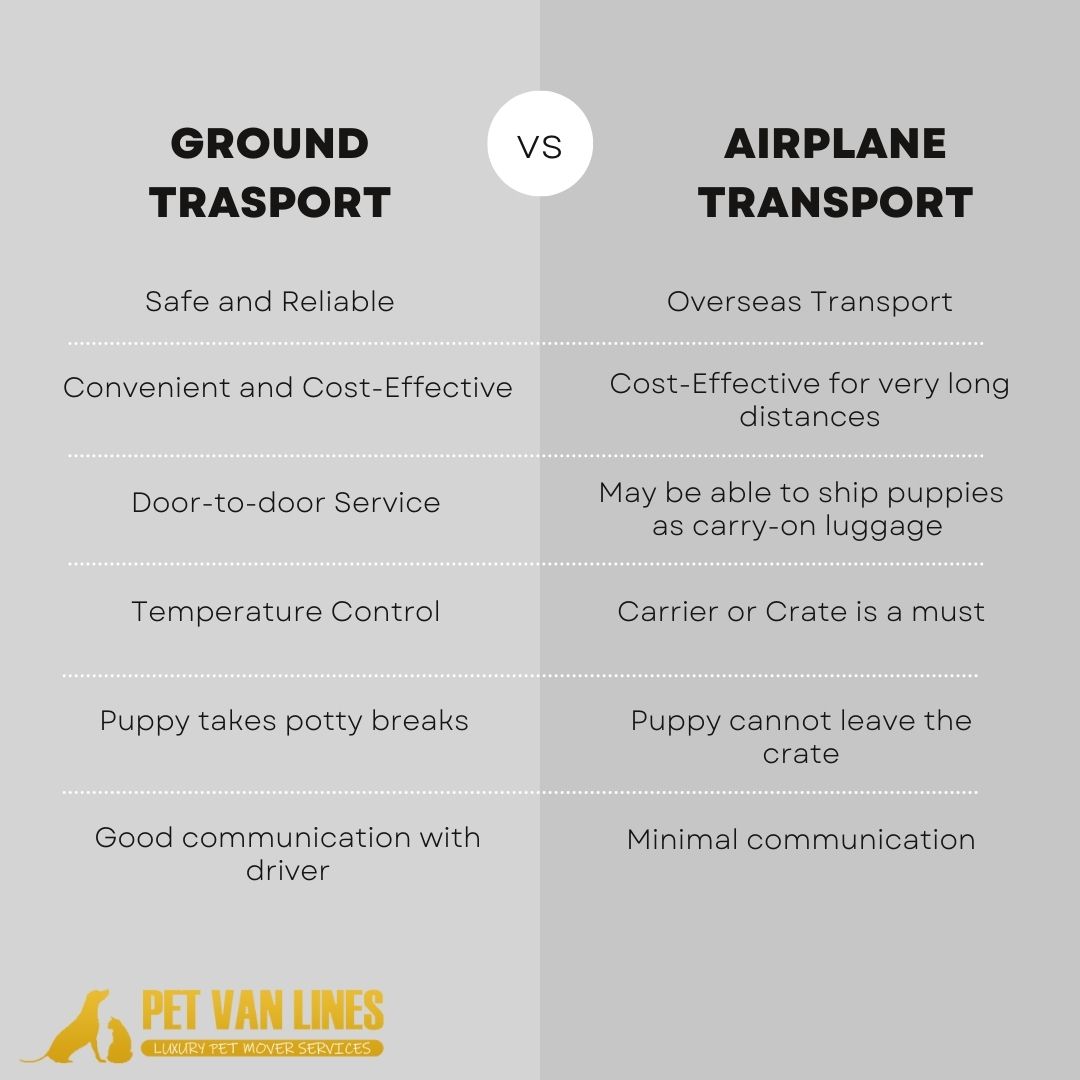
The choice of shipping method directly impacts both the cost and the logistical complexity. Each option presents a different financial profile and suitability based on distance, urgency, and the puppy’s specific needs.
-
Airline Cargo: Often the quickest method for long distances, but typically the most expensive. Costs are influenced by the puppy’s weight (including crate), destination, time of year (some airlines have temperature restrictions that limit travel during extreme weather, affecting scheduling), and specific airline surcharges. Fuel surcharges, handling fees, and live animal fees can accumulate rapidly. For breeders, establishing relationships with cargo departments and understanding preferred routes can sometimes yield marginal cost efficiencies.
-
Pet Nanny Services (In-Cabin): While generally more costly than cargo, a pet nanny offers a higher level of personal care as the puppy travels in the cabin with a human escort. The financial outlay includes the nanny’s fee, their airfare, and the in-cabin pet fee charged by the airline. This option is often favored for smaller, more delicate puppies or those requiring constant supervision, reflecting a premium investment in safety and comfort.
-
Ground Transport: A more budget-friendly option for shorter to medium distances, especially if door-to-door service is desired. Costs are usually calculated per mile, with potential additional charges for fuel, tolls, and any overnight stops. While slower, ground transport can reduce stress for some puppies by avoiding air travel, and the financial savings can be substantial compared to air cargo, particularly for multiple puppies traveling together. However, insurance coverage and the reputation of the transporter become critical financial considerations.
Evaluating these options requires a cost-benefit analysis beyond just the sticker price, considering the value of the puppy, the emotional investment, and potential risks.
Mitigating Risks with Insurance and Contingency Funds
Even with meticulous planning, unforeseen circumstances can arise. Financial prudence dictates allocating resources for risk mitigation. Pet travel insurance, though an added expense, can provide crucial financial protection against loss, injury, or death during transit. Policies vary widely, so a careful review of coverage limits, exclusions, and deductibles is essential to ensure it aligns with the value of your investment.
Beyond formal insurance, establishing a contingency fund for unexpected costs is a wise financial strategy. This fund can cover emergency veterinary care during transit, rebooking fees due to flight delays or cancellations, or additional boarding costs if complications arise. For breeders, these unexpected expenses can erode profit margins, while for individual owners, they can turn an exciting event into a financial burden. Proactive financial planning, including a dedicated emergency fund, safeguards against these potential pitfalls, offering peace of mind and financial resilience.
Strategic Planning for Cost-Effective and Safe Transport
Financial efficiency in puppy shipping isn’t solely about finding the cheapest option; it’s about smart investments that ensure safety, compliance, and ultimately, a successful delivery without incurring unnecessary costs or risks. Strategic planning involves a detailed look at every component, from preparation to execution.
Budgeting for Pre-Shipping Veterinary Expenses
The health of the puppy is paramount, and this translates directly into financial obligations. Beyond the basic vaccinations and health checks, specific travel requirements often necessitate additional veterinary services. For international shipments, the complexity and cost escalate dramatically, involving blood tests, specific parasite treatments, and multi-stage veterinary endorsements, all dictated by the destination country’s import regulations. These veterinary services, while an investment in the puppy’s well-being and travel eligibility, must be meticulously budgeted. Choosing a veterinarian familiar with animal travel regulations can also save money by avoiding incorrect paperwork or missed deadlines, which can result in costly delays or even denial of travel. Proactive scheduling and understanding the full scope of veterinary requirements well in advance help in accurate budgeting and preventing last-minute rushed, and often more expensive, services.
Selecting the Right Crate: A Long-Term Investment
The travel crate is more than just a box; it’s the puppy’s temporary home during transit, and its selection is a critical financial decision. An IATA (International Air Transport Association) compliant crate is non-negotiable for air travel. These crates must meet specific dimensions, ventilation, material strength, and labeling standards. While a compliant crate can represent a significant upfront cost, especially for larger breeds, it is an investment in safety and compliance. Non-compliant crates will result in immediate rejection at the airport, leading to costly delays, rebooking fees, or even forfeiture of the original shipping fees. For breeders, investing in high-quality, durable crates that can be reused or resold (with proper sanitization) can be a financially sound decision over time. Considering features like wheels for easier transport at airports, water and food dishes, and proper bedding are also important for the puppy’s comfort, indirectly reducing stress that could lead to medical issues and associated costs.
Navigating Carrier Regulations and Associated Fees
Each airline, ground transporter, and even individual airport has its own set of rules and fees for live animal transport. Understanding and adhering to these is crucial for financial efficiency. Airline-specific regulations often include:
-
Breed restrictions: Some breeds, particularly brachycephalic (short-nosed) dogs, may be restricted due to respiratory risks, potentially limiting options or increasing costs for specialized transport.
-
Temperature restrictions: Embargoes during extreme hot or cold weather can lead to costly delays or necessitate rescheduling, impacting both direct fees and opportunity costs for breeders.
-
Kennel size requirements: Strict rules govern the crate dimensions relative to the puppy’s size, ensuring it can stand up, turn around, and lie down comfortably. Errors here mean purchasing a new crate on the spot or forfeiting the flight.
-
Documentation requirements: Misplaced or incomplete health certificates, vaccination records, or permits can halt the shipment, incurring rebooking fees and potential boarding costs.

Diligent research into the chosen carrier’s specific policies well in advance, preferably through direct communication with their live animal cargo department, can prevent costly surprises. For commercial operations, consolidating this information into a standard operating procedure can streamline the process and minimize financial losses due to non-compliance.
Business Implications: Shipping Puppies as a Revenue Stream
For breeders, shipping puppies isn’t just a logistical challenge; it’s an integral part of their business model and a significant factor in revenue generation. Maximizing profitability while upholding ethical standards and animal welfare requires a keen financial eye.
Calculating Profit Margins on Shipped Puppies
Accurate profit margin calculation is vital for any breeding business. The cost of shipping a puppy must be factored into the overall price, whether it’s an advertised “all-inclusive” price or an itemized add-on. This includes all direct shipping costs (carrier fees, crate, vet checks, insurance) as well as indirect costs (time spent coordinating, fuel for transport to the airport/vet, administrative fees). Underestimating these expenses can significantly erode profitability. Conversely, overpricing can deter potential buyers. A detailed cost analysis for each puppy, considering its breed, destination, and the chosen shipping method, allows breeders to set competitive and profitable prices. Understanding market demand and competitor pricing for shipped puppies also informs this strategy, ensuring the pricing remains attractive while covering all operational costs and generating a healthy margin.
Legal and Financial Compliance for Commercial Breeders
Operating a commercial breeding and shipping business entails a host of legal and financial compliance requirements. Adherence to local, state, and federal animal welfare laws (e.g., USDA regulations in the US) is not only ethical but also a financial imperative. Non-compliance can lead to hefty fines, legal battles, operational restrictions, and severe reputational damage, all of which have significant financial repercussions. Proper business registration, tax compliance (including sales tax where applicable, and income tax on all sales), and maintaining accurate financial records are non-negotiable. For breeders, this also extends to contracts of sale that clearly outline shipping terms, costs, and responsibilities, minimizing future financial disputes. Investing in legal counsel to draft robust contracts and ensure regulatory compliance is a prudent financial decision that protects the business long-term.
Optimizing Logistics for Repeat Business and Customer Satisfaction
Beyond the initial sale, efficient and transparent shipping practices contribute directly to customer satisfaction and the potential for repeat business or valuable referrals. A smooth shipping experience, characterized by clear communication, accurate tracking, and timely delivery, builds trust and enhances the breeder’s brand reputation. While not a direct “money-in” action, a positive customer experience minimizes post-sale complaints, reduces the likelihood of costly returns or refunds, and fosters positive word-of-mouth marketing, which is invaluable. For breeders, this means choosing reliable carriers, providing comprehensive instructions to buyers, and offering proactive updates. Investing in professional packaging, clear labeling, and detailed after-care instructions for the puppy’s arrival further cements a positive impression, indirectly driving future sales and profitability by enhancing perceived value and reducing customer service overhead.
Financial Tools and Best Practices for Secure Transactions
In the digital age, the financial transactions associated with puppy shipping require robust security measures to protect both sellers and buyers. Utilizing appropriate financial tools and adhering to best practices ensures transparency, mitigates fraud, and maintains the integrity of the transaction.
Secure Payment Gateways for Pet Sales
Relying on cash or personal checks for large transactions carries inherent risks, including fraud, insufficient funds, and lack of traceability. Implementing secure online payment gateways is a critical financial best practice for puppy sales. Platforms like PayPal, Stripe, or direct bank transfers via established online banking systems offer encrypted transactions, buyer/seller protection features, and clear records. While these services may involve transaction fees, the security and convenience they provide far outweigh the costs. For breeders, offering multiple secure payment options can also cater to a wider customer base, making transactions easier and more trustworthy. It’s crucial to understand the fees associated with each gateway and factor them into pricing or operational costs. Educating buyers on safe payment practices, such as avoiding wire transfers to unknown individuals, is also an essential part of preventing financial fraud within the pet industry.
Record Keeping for Tax Purposes and Financial Transparency
Meticulous record keeping is not just a regulatory requirement but a fundamental financial best practice for any individual or business involved in shipping puppies. Every expense (vet bills, crate purchases, shipping fees, insurance premiums) and every income stream (puppy sale prices, shipping fee reimbursements) must be accurately documented. This includes digital receipts, invoices, communication logs, and bank statements.
For breeders, this documentation is indispensable for:
-
Tax compliance: Accurately reporting income and deducting legitimate business expenses is crucial for minimizing tax liabilities and avoiding penalties.
-
Financial analysis: Understanding which aspects of the shipping process are most costly and which are most profitable allows for strategic adjustments.
-
Dispute resolution: Clear records can be invaluable in resolving any financial or logistical disputes with buyers or carriers.
For individual owners, keeping records of all costs associated with bringing a puppy home can be useful for personal budgeting and, in some rare cases, for insurance claims or tax deductions related to pet care if applicable. Utilizing accounting software or simple spreadsheets can streamline this process, ensuring all financial activities related to puppy shipping are transparent and auditable.

Avoiding Scams: Protecting Your Investment and Reputation
The pet industry is unfortunately a fertile ground for scams, ranging from fake breeders to fraudulent shipping companies. Financial vigilance is paramount to protect your investment and, for breeders, your business reputation.
-
Due Diligence: Thoroughly vet breeders, buyers, and shipping companies. Request references, verify licenses, and communicate extensively. For buyers, asking for video calls with the puppy and its parents can confirm authenticity.
-
Red Flags: Be wary of prices that are too good to be true, requests for unusual payment methods (e.g., gift cards, wire transfers to untraceable accounts), or pressure to make quick decisions.
-
Secure Communication: Conduct all financial and logistical discussions through traceable channels (email, established messaging platforms) rather than anonymous texts or calls.
-
Contracts: Always insist on a written contract detailing the puppy’s health, purchase price, shipping terms, and guarantees. A legally binding contract offers financial protection and clarity.
For breeders, protecting your reputation from association with scams is critical. Transparent business practices, detailed communication, and providing secure transaction methods build trust and reassure buyers, ultimately safeguarding your financial future in the industry. Investing time in due diligence and education about common scams is a crucial, often overlooked, financial safeguard.
Shipping a puppy is a multifaceted endeavor that intertwines logistics with significant financial considerations. By meticulously planning, budgeting, understanding risks, and employing secure financial practices, both individuals and commercial breeders can navigate this complex process successfully, ensuring the safe arrival of the puppy while maintaining financial health and peace of mind.
aViewFromTheCave is a participant in the Amazon Services LLC Associates Program, an affiliate advertising program designed to provide a means for sites to earn advertising fees by advertising and linking to Amazon.com. Amazon, the Amazon logo, AmazonSupply, and the AmazonSupply logo are trademarks of Amazon.com, Inc. or its affiliates. As an Amazon Associate we earn affiliate commissions from qualifying purchases.