
In the intricate world of travel, securing airline tickets often feels like navigating a volatile stock market. Prices fluctuate with bewildering speed, influenced by an array of factors that can leave even seasoned travelers perplexed. For individuals and businesses alike, airline tickets represent a significant financial outlay, making the quest for affordability not just a convenience, but a critical component of sound personal and business finance management. This guide delves into the financial intricacies of airline ticket procurement, offering a professional and insightful exploration of strategies designed to help you not just get airline tickets, but to acquire them at the most financially advantageous terms. By understanding the underlying economic principles and leveraging smart financial tools, you can transform the daunting task of booking flights into a strategic financial endeavor.

Deciphering Airline Pricing: The Financial Ecosystem of Flights
To effectively acquire airline tickets at optimal prices, one must first grasp the complex financial mechanisms that dictate their cost. Airline pricing is a sophisticated exercise in dynamic revenue management, driven by algorithms designed to maximize profit by constantly adjusting fares based on demand, competition, and a myriad of other variables. Understanding these fundamentals is the bedrock of any successful money-saving strategy.
Supply and Demand Fundamentals
At its core, airline pricing is a textbook example of supply and demand economics. Seats on an aircraft are a perishable commodity; once the plane takes off, any unsold seat represents lost revenue. Airlines, therefore, meticulously manage their inventory. When demand is high (e.g., during peak holiday seasons, major events, or popular routes), prices naturally escalate. Conversely, during off-peak times or for routes with lower passenger interest, airlines may reduce fares to stimulate demand and fill seats. This constant balancing act means that the financial value of a seat is never static, but rather a reflection of its perceived immediate market worth.
The Role of Advance Booking Windows
The notion of an “ideal” booking window is a cornerstone of flight pricing strategy. Airlines typically release tickets far in advance, often 10-11 months out. Initially, these fares might be relatively high as airlines target business travelers or those with inflexible schedules willing to pay a premium. As the departure date approaches, a complex financial dance unfolds. Prices might dip as airlines try to fill mid-cabin seats, only to surge dramatically in the final weeks or days for last-minute travelers or those in urgent need. Statistically, the sweet spot for economy flights on domestic routes often falls between 21 to 120 days before departure, though international flights might require an even longer lead time of 3 to 8 months. This window represents the airline’s attempt to optimize revenue by catering to different segments of the market with varying price sensitivities.
Seasonal and Event-Driven Surges
Beyond general demand, specific periods exert immense upward pressure on ticket prices. Major holidays (e.g., Christmas, Thanksgiving, summer vacations), school breaks, and significant sporting or cultural events in a destination can cause prices to skyrocket. This is a predictable financial phenomenon: as the supply of seats remains relatively fixed, a predictable surge in demand allows airlines to command premium prices. Savvy travelers, from a financial perspective, either avoid these periods or book exceptionally far in advance to mitigate the anticipated cost inflation. Understanding these seasonal financial cycles is crucial for budget planning.
Dynamic Pricing Algorithms
Modern airline pricing is heavily influenced by sophisticated dynamic pricing algorithms. These algorithms analyze vast amounts of data in real-time: search queries, booking trends, competitor prices, fuel costs, weather forecasts, and even the type of device or location from which a search originates. This allows airlines to adjust prices instantaneously, sometimes several times within an hour. For the consumer, this means that the price you see at one moment might be different the next. From a financial perspective, this necessitates a proactive and agile approach to searching and booking, as waiting too long can mean missing a favorable price point.
Strategic Sourcing: Proven Methods for Cost-Effective Flight Procurement
With an understanding of the financial forces at play, the next step is to implement concrete strategies for identifying and securing tickets at the most financially attractive rates. These methods leverage data analysis and tactical planning to give you an edge in the pursuit of affordability.
Leveraging Price Comparison Websites and Aggregators
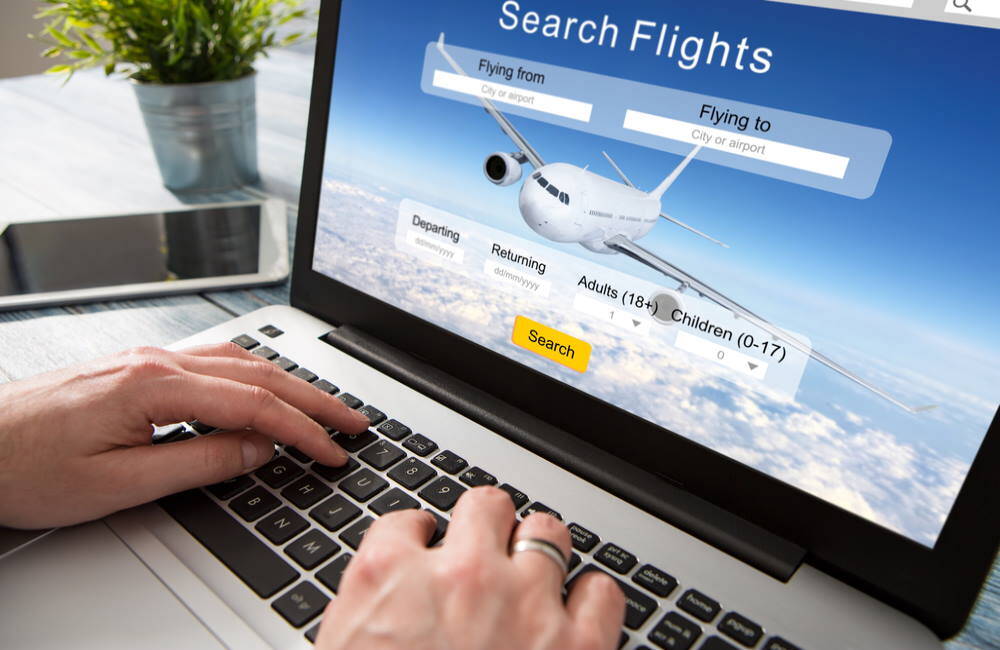
The digital age has armed consumers with powerful tools for financial comparison. Price comparison websites (e.g., Google Flights, Skyscanner, Kayak, Expedia, Priceline) are invaluable for quickly assessing the market. These platforms aggregate data from numerous airlines and online travel agencies (OTAs), allowing you to compare prices across a broad spectrum of options. They are not merely booking portals but sophisticated financial tools that empower consumers to see the current market value of a flight. However, it’s crucial to remember that while these sites are excellent for comparison, sometimes booking directly with the airline can offer additional benefits, such as better customer service or easier itinerary changes, which can translate to financial savings if issues arise.
The Flexibility Advantage: Dates, Times, and Airports
Flexibility is perhaps the most potent financial weapon in a traveler’s arsenal. Being open to slightly altering your travel dates, even by a day or two, can yield significant savings. Mid-week flights (Tuesdays, Wednesdays, Thursdays) are often cheaper than weekend travel due to lower business travel demand. Similarly, early morning or late-night flights, while less convenient, typically come with a lower price tag. Financially, this is because most travelers prioritize convenience, creating a premium for desirable flight times.
Furthermore, consider alternative airports. Major hubs often serve as gateways for several smaller, regional airports within a reasonable proximity. Flying into or out of these secondary airports can sometimes dramatically reduce ticket costs, even after factoring in ground transportation expenses. This strategy requires a cost-benefit analysis of the potential ticket savings versus the added time and cost of transit.
Employing Incognito Mode and VPNs
A common piece of advice in the travel community is to search for flights using your browser’s incognito or private browsing mode, or even via a Virtual Private Network (VPN) to mask your location. The theory is that dynamic pricing algorithms might track your searches through cookies or IP addresses and potentially inflate prices for routes you’ve repeatedly viewed, assuming higher interest and willingness to pay. While the direct financial impact of this tactic is debated and difficult to definitively prove, it costs nothing to try. From a consumer finance perspective, it’s a low-effort strategy to ensure you’re seeing the most unadulterated price information available, minimizing any potential for personalized price inflation.
Setting Price Alerts and Notifications
Given the dynamic nature of airline pricing, constant manual monitoring is impractical. Financial tools like price alerts offered by comparison websites and individual airlines are indispensable. By setting up alerts for your desired route and dates, you receive automated notifications when prices drop to a certain threshold or change significantly. This passive monitoring allows you to capitalize on temporary price dips without constant vigilance, effectively acting as a financial watchdog for your travel budget. It’s a proactive financial strategy that leverages technology to your advantage.
Leveraging Financial Instruments: Maximizing Rewards and Minimizing Outlays
Beyond simply finding lower prices, smart financial management involves leveraging existing resources and dedicated financial products to reduce the net cost of air travel. This includes strategic use of credit cards, loyalty programs, and understanding their true monetary value.
Credit Card Rewards and Travel Points

Many credit cards offer robust rewards programs that can be invaluable for travel. Earning points or miles on everyday spending, especially through categories with bonus rewards (e.g., dining, groceries, gas), can quickly accumulate a substantial reserve that can be redeemed for flights. The financial benefit extends beyond direct redemption; some premium travel cards offer perks like free checked bags, lounge access, or travel insurance, which translate to direct monetary savings and enhanced travel experiences. It’s crucial to understand the points’ redemption value and avoid carrying a balance, as interest charges would negate any travel rewards.
Airline Loyalty Programs and Elite Status
Joining airline loyalty programs is a no-brainer from a financial perspective. Even if you don’t fly frequently enough to earn elite status, being a member allows you to earn miles on every flight, which can eventually be redeemed for future travel, upgrades, or other benefits. For frequent flyers, achieving elite status unlocks a suite of valuable perks – complimentary upgrades, priority boarding, extra baggage allowance, and waived fees – all of which translate into significant financial savings and a more comfortable travel experience. The strategic choice of a primary airline and consistent flying with them can yield substantial financial returns over time.
Co-branded Credit Cards and Sign-up Bonuses
A powerful synergy exists between credit cards and airline loyalty programs in the form of co-branded credit cards. These cards often offer substantial sign-up bonuses (tens of thousands of miles or points) upon meeting an initial spending requirement. This can effectively provide enough points for a free round-trip flight after just a few months of responsible spending. Furthermore, these cards typically offer ongoing benefits specific to the airline, such as earning bonus miles on airline purchases, free checked bags, and discounted in-flight purchases, thereby providing continuous financial value to loyal customers. However, applying for these cards should always be part of a thoughtful financial plan, considering credit scores and debt management.
Using Miles and Points Strategically
The true financial art lies not just in accumulating miles and points, but in redeeming them strategically. The value of a mile or point can vary significantly depending on how it’s used. For instance, redeeming for economy flights during peak season often yields a higher cents-per-point value than redeeming for merchandise or gift cards. Understanding “sweet spots” – specific routes or redemption opportunities where points offer exceptional value – is key to maximizing your financial return. Sometimes, it’s financially wiser to pay cash for a cheap flight and save points for a long-haul international journey where cash prices are prohibitively high. This requires a calculated assessment of cash cost versus points required, akin to comparing investment returns.
Advanced Maneuvers: Unconventional Strategies for Budget-Conscious Travelers
For those willing to think outside the traditional booking box, several advanced strategies can unlock further financial savings, albeit sometimes requiring more effort or a tolerance for minor inconveniences.
The Art of Open-Jaw and Multi-City Flights
An open-jaw flight is one where you fly into one city and depart from another (e.g., New York to London, then Paris to New York). A multi-city flight involves stops in multiple destinations. These options, often found under “multi-city” search functions, can sometimes be significantly cheaper than booking two separate round-trip tickets, especially if your travel plans are flexible. From a financial modeling perspective, airlines sometimes offer better rates on complex itineraries to optimize seat utilization across their network, passing on savings to the astute traveler. It requires a bit more planning but can yield substantial financial benefits.
Budget Airlines vs. Full-Service Carriers: A Cost-Benefit Analysis
Budget airlines (e.g., Spirit, Ryanair, EasyJet, Southwest) are renowned for their low base fares. However, their financial model relies on unbundling services, meaning everything from checked bags to seat selection and even printing your boarding pass often incurs additional fees. Full-service carriers, while typically having higher base fares, often include these amenities. A thorough cost-benefit analysis is essential: calculate the total cost, including all potential add-ons, for both options. For short trips with minimal luggage, budget airlines can offer significant financial savings. For longer journeys or those requiring specific comforts, the “cheaper” budget airline might end up being more expensive or offer a poorer value proposition.
Considering Basic Economy Fares (and Their Hidden Costs)
Many major airlines now offer “Basic Economy” fares, which are their lowest published prices. These fares come with stringent restrictions: no seat selection (often assigned at check-in), limited or no carry-on bag allowance (beyond a personal item), no changes or refunds, and often boarding in the last group. While the initial sticker price is appealing from a financial standpoint, it’s vital to fully understand the restrictions. For travelers who need flexibility, specific seats, or more luggage, the “savings” might evaporate quickly once fees for these services are added, or worse, if a change of plans incurs a complete loss of ticket value. This requires a careful assessment of your needs against the financial constraints.
Last-Minute Deals: Risk vs. Reward
While advance booking is generally recommended, occasional last-minute deals can emerge. These typically occur when airlines have unsold seats very close to departure and decide to deeply discount them rather than fly empty. This is a high-risk, high-reward financial strategy. The risk is that prices could also skyrocket if demand picks up or if the flight is already heavily booked. It’s best suited for highly flexible travelers who can pounce on an opportunity and have alternative travel plans if no deal materializes. For the average traveler, relying on last-minute deals is not a sound financial strategy.
Safeguarding Your Investment: Financial Prudence in Air Travel
Once you’ve secured your tickets, prudent financial management extends to protecting that investment against unforeseen circumstances. Travel involves inherent risks, and understanding insurance and flexible policies can save you from significant financial loss.
Understanding Travel Insurance Options
Travel insurance is a financial product designed to protect against a range of unforeseen events that could disrupt or cancel your trip, leading to financial losses. This includes trip cancellation/interruption due to illness, injury, or natural disaster; medical emergencies abroad; lost luggage; and flight delays. While an added cost, comprehensive travel insurance can be a wise financial investment, especially for expensive international trips, complex itineraries, or when traveling to regions with higher risks. It’s crucial to understand policy terms, coverage limits, and exclusions to ensure it aligns with your financial protection needs. Some credit cards offer basic travel insurance as a perk, which is worth investigating before purchasing a separate policy.
The Value of Flexible Booking Policies
In an increasingly unpredictable world, the ability to change or cancel flights without prohibitive fees has become a significant financial value proposition. While basic economy fares severely restrict this, many standard economy and higher-class tickets now offer more flexibility, sometimes even allowing changes without a fee (though fare differences may still apply). When comparing tickets, assess the financial cost of this flexibility. A slightly more expensive ticket with free changes might offer better overall financial security than a cheaper, inflexible fare if there’s any chance your plans might shift. This is an investment in peace of mind and financial resilience.
Handling Price Drops Post-Purchase
After purchasing a ticket, what if the price drops? Some airlines, particularly in the U.S., used to offer credits or refunds for price drops within a certain window. While this is less common now, it’s still worth monitoring your flight price. If you booked through an online travel agency, they might have a price drop protection policy. Some credit cards offer a “price protection” benefit that could refund the difference if an item (including flights, in some cases) you purchased drops in price within a specific timeframe. Always review your credit card benefits and booking platform’s policies for potential financial recourse.
In conclusion, mastering the art of getting airline tickets isn’t about luck; it’s a strategic financial endeavor that requires understanding market dynamics, employing smart search tactics, leveraging financial instruments, and prudent risk management. By approaching air travel with a money-conscious mindset and utilizing the array of tools and strategies available, travelers can significantly reduce their expenditures, making their journeys more affordable and accessible. The goal is not just to reach your destination, but to do so with financial intelligence and efficiency.
aViewFromTheCave is a participant in the Amazon Services LLC Associates Program, an affiliate advertising program designed to provide a means for sites to earn advertising fees by advertising and linking to Amazon.com. Amazon, the Amazon logo, AmazonSupply, and the AmazonSupply logo are trademarks of Amazon.com, Inc. or its affiliates. As an Amazon Associate we earn affiliate commissions from qualifying purchases.