
The modern travel landscape often demands flexibility. Plans shift, meetings get rescheduled, and personal circumstances evolve, leading many travelers to the inevitable need to change a booked flight. While the act of altering a reservation might seem like a mere logistical adjustment, doing so with American Airlines – or any major carrier – involves a complex interplay of policies, fare rules, and potential costs that can significantly impact your travel budget. This guide delves into the financial implications of changing your American Airlines flight, offering insights and strategies to help you navigate the process efficiently while safeguarding your personal finances.

Changing a flight is not just about selecting new dates and times; it’s a critical decision with monetary consequences ranging from unavoidable fare differences to potential cancellation penalties. Understanding American Airlines’ current policies, knowing when to act, and recognizing opportunities for cost savings are paramount for any savvy traveler aiming to protect their wallet from unexpected expenses.
Understanding American Airlines’ Change Policies: The Financial Landscape
The core of financially intelligent flight changes lies in a thorough understanding of American Airlines’ current policies. These rules dictate not just if you can change your flight, but how much it will ultimately cost you.
The Evolution of Change Fees and Fare Differences
For many years, the most significant financial hurdle to changing a flight was the notorious change fee. However, the travel industry has seen a substantial shift, particularly accelerated by the pandemic. American Airlines, like many competitors, largely eliminated change fees for most domestic and short-haul international flights originating from North or South America. This was a monumental win for travelers, injecting much-needed flexibility.
Despite this positive change, the concept of a “fare difference” remains a steadfast component of flight alterations. When you change your flight, you are essentially purchasing a new ticket at current market rates. If the new flight segment costs more than your original purchase price, you will be responsible for paying the difference. Conversely, if the new flight is cheaper, American Airlines may issue you a travel credit for the difference, though this is often contingent on the original fare rules and can vary. The calculation of these differences is dynamic, based on supply, demand, time of booking, and specific fare classes, making it a critical financial consideration.
Key Factors Influencing Change Costs
Several elements conspire to determine the final cost of changing your flight. Being aware of these can help you anticipate expenses and make more informed decisions.
-
Ticket Type/Fare Class: Not all tickets are created equal. Basic Economy fares, for instance, are the most restrictive and often non-changeable after the 24-hour grace period, or if changeable, incur significant fees. Main Cabin, Premium Economy, Business, and First Class tickets typically offer greater flexibility and better change terms, though fare differences still apply.
-
Route: While domestic and certain international flights originating from the Americas largely enjoy no change fees, specific long-haul international routes or those originating outside these regions might still be subject to fees in addition to fare differences. Always check the specific rules for your itinerary.
-
Timing of the Change: The closer you are to your departure date, the more expensive a new flight often becomes due to reduced availability and increased demand. Making changes well in advance can often mitigate higher fare differences.
-
Reason for Change (Voluntary vs. Airline-Initiated): This distinction is critical for your finances. If you decide to change your flight (voluntary), you’re subject to the airline’s rules. However, if American Airlines significantly alters your flight schedule (airline-initiated change – typically 60 minutes or more), you are generally entitled to a free change to a different flight, a full refund, or a travel credit, providing significant financial relief.
Special Circumstances and Waivers
In certain situations, American Airlines may waive change fees or even fare differences. Knowing these can save you substantial money:
-
Same-Day Changes: For a modest fee (typically around $75 for domestic flights, subject to availability and certain fare classes), you might be able to change to an earlier or later flight on the same day of travel between the same city pairs. This is a cost-effective option for minor schedule adjustments compared to a full ticket change.
-
Airline Schedule Changes: As mentioned, if American Airlines makes a significant change to your itinerary, you have options that typically involve no financial penalty. Always review notifications from the airline carefully.
-
Travel Waivers: In cases of severe weather, natural disasters, or other major disruptions, American Airlines often issues travel waivers allowing free changes or cancellations for affected flights. Regularly check their website for these advisories.
-
Death/Illness: While not standard, in documented cases of death in the immediate family or severe illness preventing travel, American Airlines customer service may offer flexibility, including waiving fees or providing refunds/credits. This usually requires official documentation.
Strategic Approaches to Minimizing Financial Impact
Changing a flight doesn’t have to be a costly endeavor if approached strategically. Proactive planning and awareness of specific rules can lead to significant savings.
Leveraging Flexibility During Booking
The journey to a cost-effective flight change often begins at the point of booking. While basic economy fares might seem appealing due to their lower upfront cost, their inflexibility can become a major financial liability if plans change. Opting for a standard economy fare, or even a slightly higher-tier fare that offers more generous change policies, can be a prudent financial decision. Consider the likelihood of needing to change your flight before selecting the cheapest, most restrictive option. A small increase in initial cost might save you hundreds in future change fees or non-refundable tickets.
The ’24-Hour Rule’ and Its Monetary Value
The U.S. Department of Transportation (DOT) mandates a 24-hour rule for flights to/from the U.S. This rule allows passengers to cancel or change a reservation without penalty within 24 hours of booking, provided the booking was made at least seven days before the flight’s departure. This is an invaluable financial safety net. If you book a flight and immediately realize you need different dates, or find a better price elsewhere, this window allows you to make a cost-free adjustment. Always review your booking details carefully within this critical 24-hour period.
Monitoring Fare Drops and Opportunities for Savings
While uncommon with fixed change fees (which are now largely gone), with the fare difference model, there’s a unique opportunity. If the fare for your original itinerary drops significantly after you’ve purchased your ticket, American Airlines might issue you a flight credit for the difference if you rebook at the lower price. This isn’t a guaranteed feature for all fare types, but it’s worth checking. Similarly, if you’re looking to change to a different flight, monitor the prices for that new flight. Sometimes, waiting a day or two can lead to a more favorable fare difference. Tools and alerts can help you track flight prices for your desired new itinerary.
Same-Day Flight Changes: A Cost-Effective Alternative
For minor adjustments to your travel schedule on the day of departure, American Airlines offers same-day flight changes. For a fixed fee (currently $75 for most domestic flights, waived for certain elite status members), you can switch to an earlier or later flight on the same day between the same origin and destination. This is significantly cheaper than changing your entire reservation days or weeks in advance, which would entail paying the full fare difference. The catch is that it’s subject to availability on the desired flight and must be requested on the day of travel. This is an excellent financial tool for business travelers or those with flexible schedules who might finish early or want a few extra hours at their destination.
The Practical Process: Where Your Money Decisions Are Made
Executing a flight change with American Airlines involves choosing the right channel, each offering different levels of convenience and, potentially, financial transparency.
Online via AA.com: Convenience and Transparency
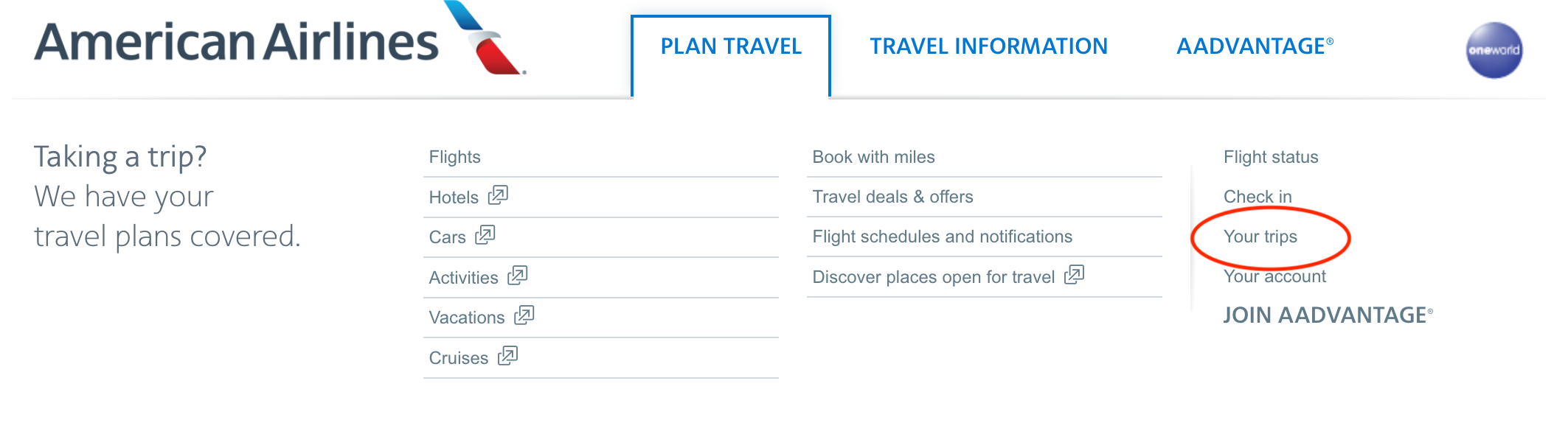
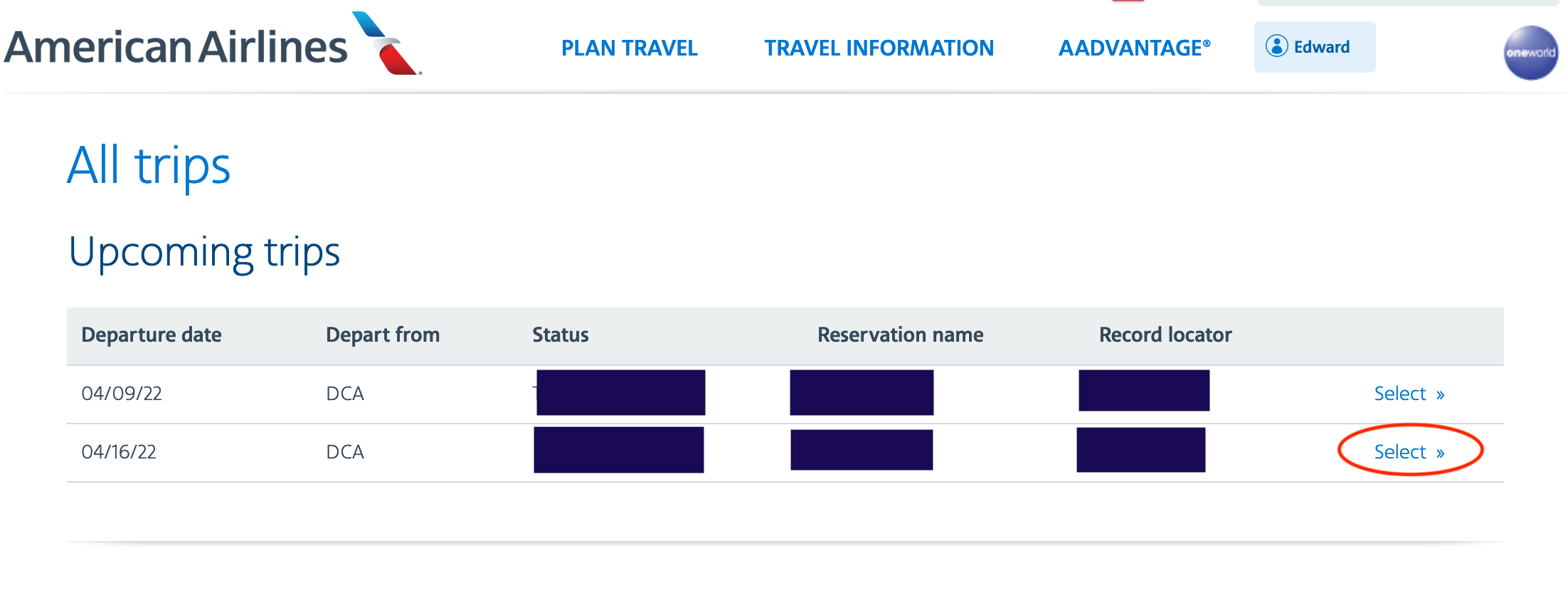
For most straightforward changes, AA.com is your most efficient and financially transparent option. Navigate to “Manage Reservations,” enter your record locator and last name, and look for the “Change flight” option. The system will guide you through selecting new flights and clearly display any fare difference you owe. This allows you to see the financial impact before committing to the change. If the new flight is significantly more expensive, you can explore other options or even decide to cancel (if your fare allows) and rebook entirely, weighing the financial implications of each path. Always double-check the total cost before finalizing the transaction.
American Airlines Mobile App: On-the-Go Financial Management
The American Airlines mobile app offers similar functionality to the website, providing the convenience of managing your booking from anywhere. It’s particularly useful for quick checks on fare differences, especially when you’re on the move or have a limited window to make a decision. The app also allows quick access to notifications, which might include crucial information about airline-initiated schedule changes or travel waivers that could save you money. Its user-friendly interface makes it easy to compare flight prices and understand the financial outlay for your change.
Contacting Customer Service: When Human Intervention is Financially Beneficial
While online changes are convenient, there are situations where contacting American Airlines customer service directly can be financially advantageous:
-
Complex Itineraries: If you have multiple segments, codeshare flights, or specific layover requirements, an agent might be able to find solutions or exceptions not readily available online.
-
Applying Waivers: If you believe you qualify for a waiver (e.g., due to an airline schedule change, weather, or extraordinary personal circumstances), a representative can assess your eligibility and process the change without fees or fare differences if applicable.
-
Unusual Circumstances: For situations not covered by standard online tools, such as severe illness or bereavement, an agent can review documentation and potentially offer financial relief.
-
Exploring Hidden Options: Sometimes agents have access to a wider range of flight options or can manually override certain system limitations, potentially leading to a more favorable financial outcome.
Beyond the Change: Understanding Refunds, Credits, and Future Travel Value
Successfully changing your flight is only one part of the financial equation. Understanding what happens to your original investment is equally important.
Navigating Refund Policies
The type of refund you receive – if any – hinges entirely on your original ticket’s fare rules. Refundable tickets, while more expensive upfront, offer the greatest financial security, allowing for a full cash refund if plans are cancelled. Non-refundable tickets, which constitute the majority of leisure travel, typically result in a flight credit for future travel, minus any applicable fees. It’s crucial to distinguish between a cash refund (money back to your original payment method) and a travel credit (value held by the airline for future use). Always review your ticket’s specific refundability terms before making any changes.
Maximizing the Value of Flight Credits
If your change or cancellation results in an American Airlines flight credit, ensure you understand its terms to maximize its financial value. Key details to note include:
-
Expiration Dates: Flight credits usually have an expiration date, often one year from the original issue date or one year from the original ticket purchase date. Missing this deadline means losing the value.
-
Transferability: Most American Airlines flight credits are non-transferable and can only be used by the original passenger.
-
Redemption Process: Understand how to apply the credit to future bookings, typically by entering the credit code during the payment process on AA.com. Don’t let your hard-earned credit expire unused.
Credit Card Travel Protections: An Underutilized Financial Shield
Many premium travel credit cards offer robust travel insurance benefits that can provide an invaluable financial safety net. These benefits often include trip cancellation/interruption insurance which, under specific covered reasons (e.g., illness, injury, severe weather), could reimburse you for non-refundable expenses, including change fees or the non-reimbursed portion of your airline ticket. Review your credit card’s benefits guide before travel; it could be the ultimate financial protection against unforeseen changes.
Conclusion
Changing a flight with American Airlines doesn’t have to be a source of financial stress. By proactively understanding their policies, strategically choosing your fare type, leveraging cost-saving opportunities like the 24-hour rule or same-day changes, and wisely navigating the various communication channels, you can minimize expenses and protect your travel budget. Every flight change is an opportunity for informed financial decision-making. Arm yourself with knowledge, act strategically, and ensure your travel plans adapt without unnecessarily draining your wallet.
aViewFromTheCave is a participant in the Amazon Services LLC Associates Program, an affiliate advertising program designed to provide a means for sites to earn advertising fees by advertising and linking to Amazon.com. Amazon, the Amazon logo, AmazonSupply, and the AmazonSupply logo are trademarks of Amazon.com, Inc. or its affiliates. As an Amazon Associate we earn affiliate commissions from qualifying purchases.