
The question of how much a plane ticket costs is deceptively simple, yet the answer lies at the intersection of complex algorithmic pricing, global economic shifts, and individual financial strategy. For the modern traveler, a plane ticket is rarely a fixed expense; it is a volatile financial asset that fluctuates based on a myriad of data points. Understanding the underlying mechanics of these costs is essential for anyone looking to optimize their personal or business finances while maintaining a high standard of global mobility.
In the world of personal finance, travel is often one of the largest discretionary expenses. Whether you are a solo entrepreneur flying for a networking conference or a family planning a yearly vacation, the “cost” of a ticket is not just the number on the checkout screen. It includes the opportunity cost of the capital used, the potential rewards points earned or spent, and the tax implications of the journey.

The Economics of Airline Pricing: Why Costs Fluctuate
To understand the cost of a plane ticket, one must first understand yield management. This is a variable pricing strategy, based on anticipating and influencing consumer behavior in order to maximize revenue from a fixed, time-limited resource—in this case, an airplane seat. Unlike a physical product that can sit on a shelf, an empty airline seat is a “perishable” inventory; once the gate closes, the potential revenue from that seat vanishes forever.
The Role of Dynamic Pricing Algorithms
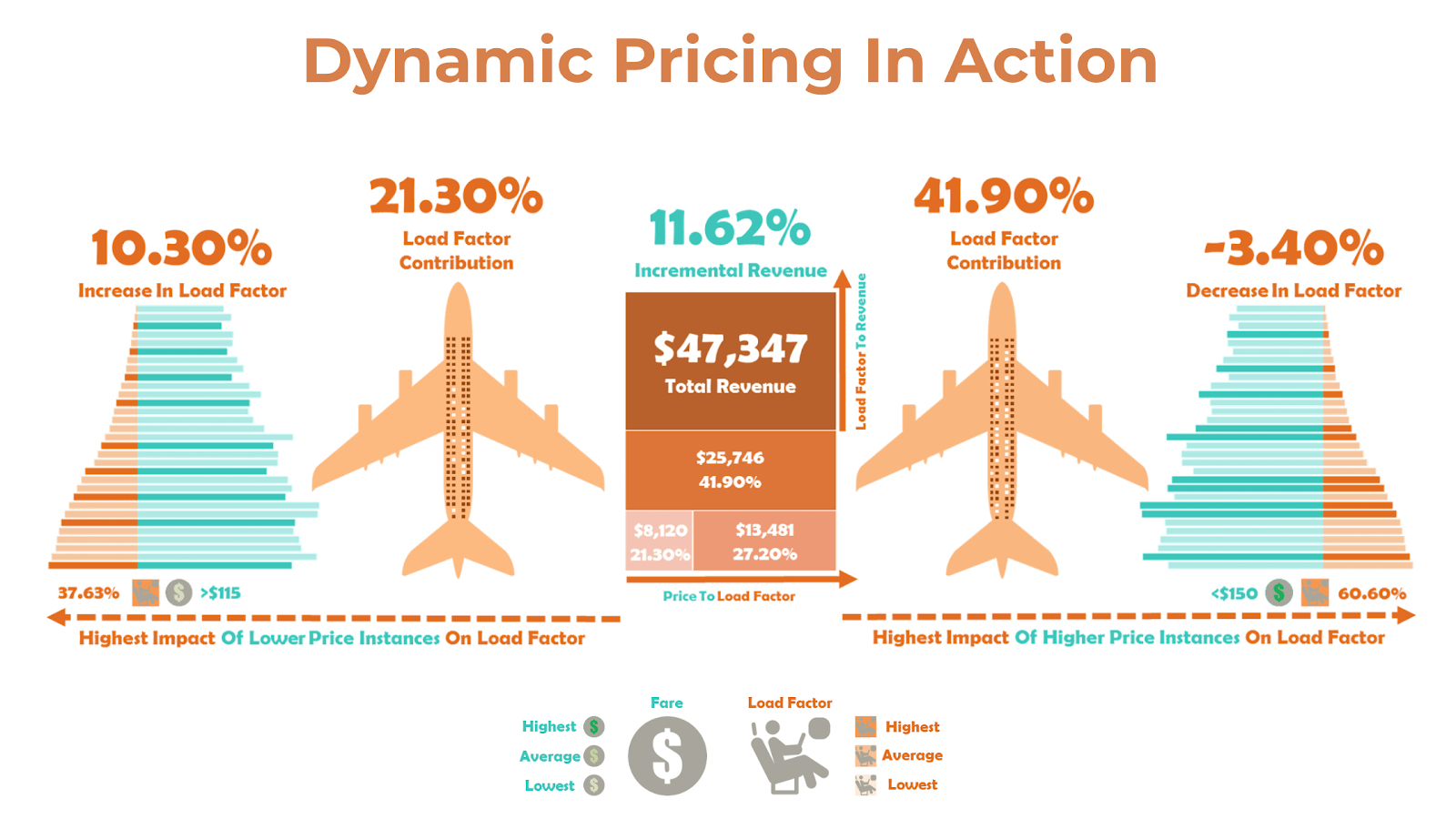
Airlines employ sophisticated AI-driven algorithms that adjust prices in real-time. These systems monitor thousands of variables, including historical booking data, remaining capacity, competitor pricing, and even local weather patterns or major events. From a financial perspective, this means that two people sitting in the same cabin may have paid vastly different prices.
For the budget-conscious traveler, this volatility presents both a risk and an opportunity. By understanding that prices typically rise as the departure date nears—due to the airline’s knowledge that business travelers with inelastic demand book late—one can leverage timing to secure a lower entry price. Conversely, booking too early can sometimes result in missing out on promotional windows where airlines lower prices to fill “orphaned” seats in the middle of the booking cycle.
Supply and Demand Dynamics
The fundamental laws of economics are the primary drivers of ticket costs. During peak seasons, such as summer holidays or end-of-year festivities, demand skyrockets. When demand outstrips supply, airlines have the leverage to increase prices exponentially. From a personal finance standpoint, recognizing these cycles is crucial for long-term budgeting.
Furthermore, the “hub and spoke” model used by major carriers affects costs. Flying between major hubs (like New York to London) is often cheaper than flying to a smaller regional airport, even if the distance is shorter. This is due to the economies of scale and increased competition on high-traffic routes. Financial optimization often involves “repositioning” oneself—taking a low-cost train or bus to a major hub to take advantage of significantly lower long-haul fares.
Fuel Surcharges and Operational Overheads
The “sticker price” of a ticket is heavily influenced by the cost of Jet A fuel, which is one of the largest line-item expenses for any airline. When global oil prices rise, those costs are passed directly to the consumer through fuel surcharges. Additionally, airport landing fees, security taxes, and labor costs are baked into the fare. For the investor or business owner, monitoring these macro-economic indicators can provide a leading signal for when travel costs are likely to trend upward across the industry.
Strategic Budgeting: Integrating Travel into Your Financial Plan
Because travel costs are so variable, they can easily derail a monthly budget if not handled with a structured financial framework. Treating travel as an ad-hoc expense is a common mistake that leads to high-interest credit card debt. Instead, travel should be viewed as a planned capital allocation.
The Sinking Fund Method for Travel
One of the most effective personal finance tools for managing the cost of plane tickets is the “sinking fund.” This involves setting aside a specific amount of money each month into a dedicated high-yield savings account specifically for travel.
By calculating the estimated annual cost of flights and dividing it by twelve, you move travel from a “surprise” expense to a predictable monthly line item. This approach not only ensures that the cash is available when a deal arises but also prevents the psychological stress of a large one-time hit to your liquidity. In an era where a round-trip international flight can cost anywhere from $600 to $2,000, having a liquid fund allows you to act as a “market taker” when prices are at their cyclical lows.
Opportunity Cost: Economy vs. Business Class
When evaluating how much a plane ticket costs, one must consider the value of their time and physical well-being. For a high-earning professional or business owner, the “cost” of an economy ticket on a 14-hour flight may include the loss of productivity the following day due to fatigue.
From a financial ROI (Return on Investment) perspective, paying $3,000 for a business-class seat instead of $800 for economy can sometimes be justified if it allows the traveler to arrive ready for a high-stakes negotiation. This is a shift from looking at the nominal cost to the functional cost. If the extra $2,200 expenditure facilitates a deal worth $20,000, the “expensive” ticket was actually the more profitable investment.
Hidden Costs Beyond the Base Fare
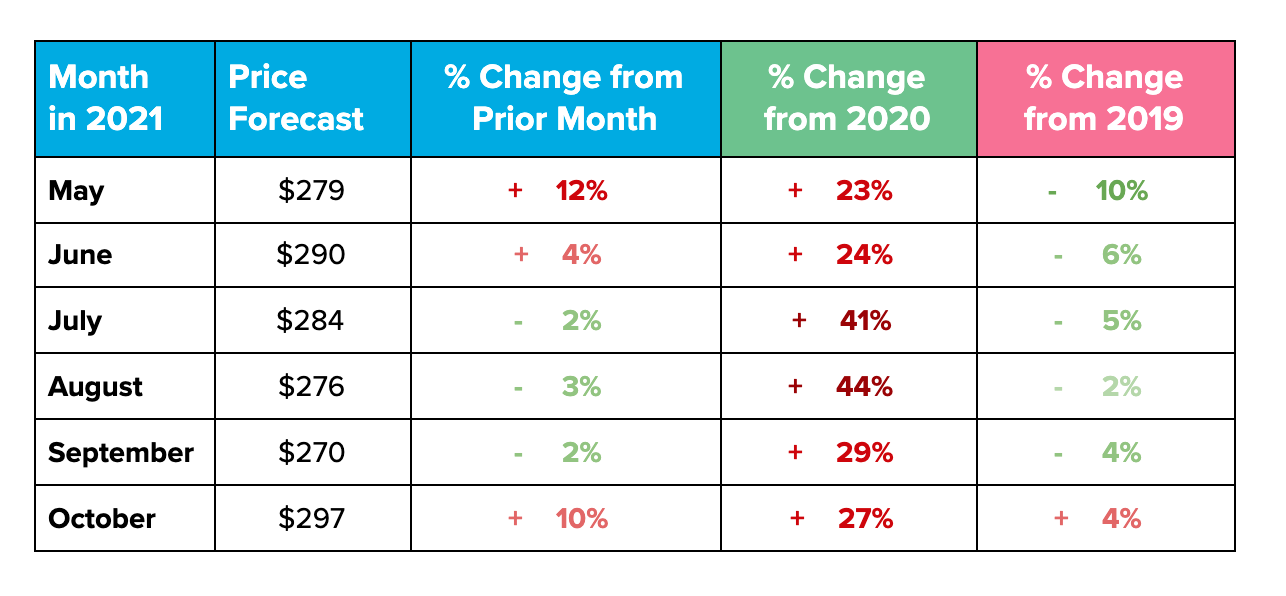
The rise of low-cost carriers (LCCs) has changed the perception of what a plane ticket costs. A $29 fare may seem like a bargain, but the total cost of ownership (TCO) for that flight often includes ancillary fees for seat selection, carry-on bags, checked luggage, and even printing a boarding pass. When comparing fares, it is essential to conduct a “net-cost” analysis. A “legacy” carrier at $150 might actually be cheaper than an LCC at $50 once all necessary add-ons are factored in.
Leveraging Financial Tools: Credit Cards, Points, and Miles
In the modern financial landscape, the “cash price” of a ticket is only one way to pay. The strategic use of travel credit cards and loyalty programs has turned the acquisition of plane tickets into a game of arbitrage.
Maximizing Sign-up Bonuses and Spend Categories
For those with high credit scores and disciplined spending habits, credit card sign-up bonuses provide a massive influx of “travel capital.” By hitting a minimum spend requirement, a user can often earn enough points for a round-trip international flight, effectively reducing the cash cost of the ticket to nearly zero (excluding taxes).
Furthermore, using cards that offer 3x or 5x points on travel and dining allows you to earn your next ticket while paying for your current lifestyle. This is a form of “cash-back” that is specifically optimized for travel, often yielding a higher return than standard 1% or 2% cash-back cards.
Understanding Valuation: CPM (Cents Per Mile)
To determine if a “deal” is actually a deal, sophisticated travelers use the CPM metric. This is calculated by taking the cash price of the ticket (minus taxes) and dividing it by the number of points required for the flight.
For example, if a ticket costs $1,000 or 50,000 points, the valuation is 2 cents per mile (CPM). If your points are generally valued at 1.5 cents, this is a good redemption. If the valuation is below 1 cent, it is often more financially sound to pay cash and save your points for a higher-value redemption later. This level of analysis ensures that you are treating your points as a currency with its own exchange rate.
Transfer Partners and Tactical Redemptions
The real power in travel finance comes from “transferable points” programs. Instead of being locked into a single airline’s ecosystem, these points can be moved to various airline partners. This allows for geographical arbitrage—transferring points to a foreign carrier’s program to book a flight on a domestic partner can often cost 50% fewer points than booking directly. Understanding these “sweet spots” in the award charts is the ultimate way to lower the effective cost of a plane ticket.
Business Travel and Tax Implications
For entrepreneurs and small business owners, the cost of a plane ticket is inextricably linked to tax strategy. Under many tax jurisdictions, travel for a primary business purpose is a deductible expense, which effectively reduces the “real” cost of the ticket by your marginal tax rate.
Deductible Travel Expenses for Entrepreneurs
If you are flying to meet a client, attend a seminar, or scout a new location for business, the ticket is a business expense. However, the IRS and other tax authorities have strict rules about “blended” travel (business and personal).
To maximize the financial benefit, one must document the business purpose of each day. If the trip is primarily for business, the entire cost of the plane ticket may be deductible, even if you spend a weekend on personal activities. For a business owner in a 30% tax bracket, a $1,000 ticket effectively costs $700 after the tax savings are realized at the end of the year.
Corporate Travel Management and ROI
On a corporate level, managing the cost of plane tickets involves “Travel Management Companies” (TMCs) and negotiated corporate rates. For a scaling business, the goal is to balance the “Duty of Care” (the safety and comfort of employees) with the bottom line. Implementing a strict travel policy that requires booking 14 days in advance or utilizing specific “preferred” carriers can save a corporation hundreds of thousands of dollars annually.
The Long-Term Perspective: Travel as an Investment
Ultimately, the cost of a plane ticket should be viewed through the lens of lifestyle design and long-term value. While the price fluctuates based on algorithms and oil prices, the value derived from travel—be it professional growth, cultural education, or personal rejuvenation—often yields a non-depreciating return.
By applying rigorous financial principles—such as sinking funds, point valuation, and tax optimization—the “cost” of flying becomes a manageable variable rather than an unpredictable burden. In the modern economy, the most successful individuals are not those who find the cheapest ticket, but those who understand the financial system well enough to travel more for less, turning the sky into a tool for both personal and professional expansion.
aViewFromTheCave is a participant in the Amazon Services LLC Associates Program, an affiliate advertising program designed to provide a means for sites to earn advertising fees by advertising and linking to Amazon.com. Amazon, the Amazon logo, AmazonSupply, and the AmazonSupply logo are trademarks of Amazon.com, Inc. or its affiliates. As an Amazon Associate we earn affiliate commissions from qualifying purchases.