
Traveling with a dog is no longer a simple matter of buying an extra ticket; it is a complex logistical operation that requires meticulous financial planning and a deep understanding of airline-specific fee structures. Whether you are relocating for a high-stakes career move or planning an extended vacation, the financial implications of taking your dog on a plane can range from a few hundred dollars to several thousand. Navigating this process requires a strategic approach to budgeting, risk management, and asset protection to ensure both the safety of your pet and the integrity of your travel budget.
The Primary Expense: Navigating Airline Fare Structures for Pets
The first step in any financial assessment of pet travel is understanding how airlines categorize and price the transport of live animals. For the purposes of a travel budget, dogs are generally divided into three categories: in-cabin, checked baggage, and manifest cargo. Each of these carries a distinct price point and a different level of logistical complexity.
In-Cabin Fees and Limitations
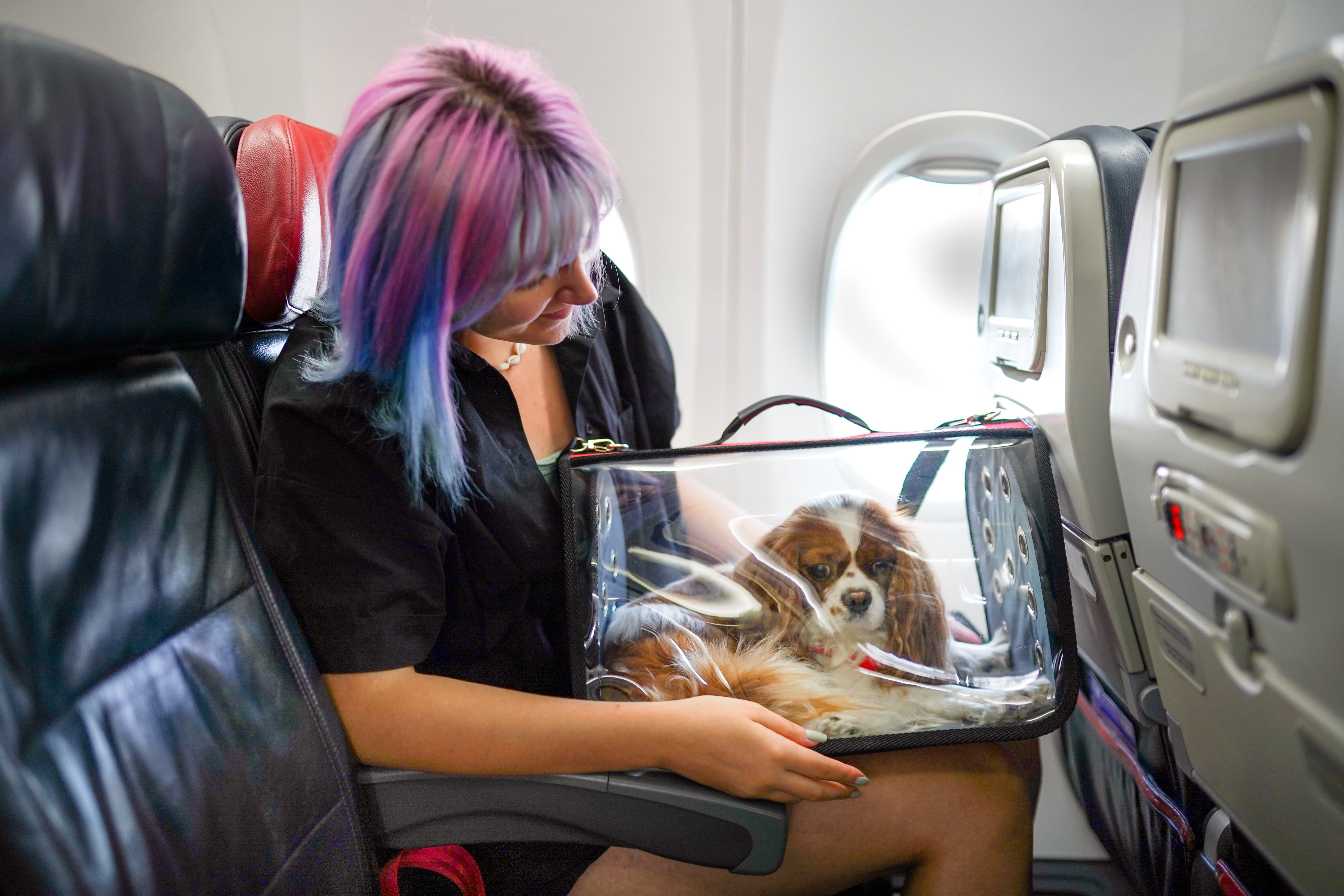
For small dogs—typically those weighing under 20 pounds including their carrier—in-cabin travel is the most cost-effective and least stressful option. Most major domestic airlines charge a flat fee per kennel, which currently ranges between $100 and $150 each way. However, from a financial planning perspective, it is important to note that a pet in the cabin usually counts as your one allowed carry-on item. If you require additional luggage, you must factor in the cost of checking a bag that you might have otherwise carried for free.
Furthermore, airlines strictly limit the number of pets allowed in a cabin per flight. This scarcity can lead to a “first-come, first-served” financial risk; if you book your seat but fail to reserve the pet spot immediately, you may be forced to pay change fees or rebook on a more expensive flight to accommodate your dog.
Checked Baggage vs. Manifest Cargo
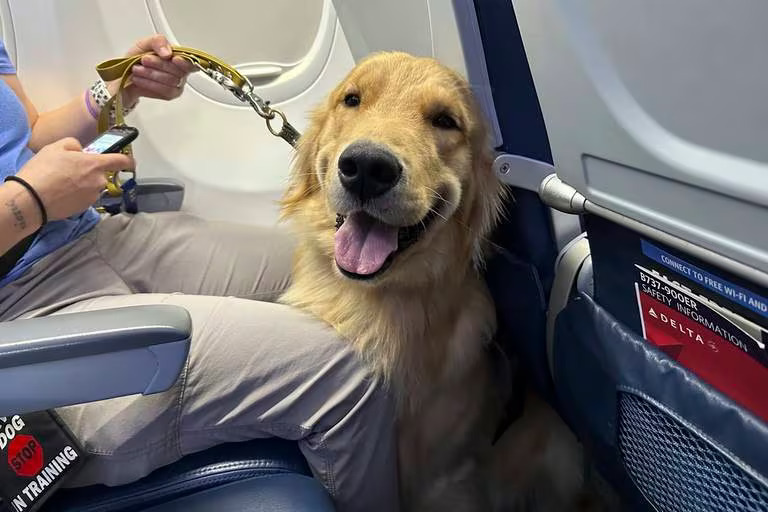
For larger dogs, the financial burden increases significantly. Some airlines allow dogs to fly as “checked baggage” in a climate-controlled hold, with fees ranging from $200 to $400. However, many carriers have moved away from this model, requiring large dogs to fly as “manifest cargo.”
Manifest cargo is priced based on the combined weight of the dog and the crate, as well as the dimensions of the crate. On international routes, manifest cargo can easily exceed $2,000 to $5,000 depending on the destination and the complexity of the customs paperwork. When budgeting for cargo travel, it is essential to get a quote based on the “volumetric weight,” which considers the space the crate occupies rather than just its physical weight.
The Secondary Market: Veterinary Compliance and Medical Documentation Costs
The ticket is only one portion of the total cost of ownership when traveling with a dog. To be legally cleared for flight, a dog must meet specific health requirements dictated by the destination state or country and the airline itself. These “hidden costs” are often where travelers encounter the most significant budget overruns.
Veterinary Examinations and International Health Certificates
A standard domestic health certificate (Certificate of Veterinary Inspection or CVI) typically costs between $75 and $150. However, if you are traveling internationally, the costs escalate. International travel often requires a USDA-accredited veterinarian to examine the animal and complete an APHIS Form 7001 or a country-specific health certificate.
These documents often require a formal endorsement from the USDA, which carries its own fee (ranging from $38 to over $500 if blood tests are required). Timing is also a financial factor; many certificates are only valid for 10 days, meaning if your flight is delayed or you miss your window, you will have to pay for a repeat examination and a new set of documents.
Mandatory Vaccinations and Microchipping
Before a dog can be cleared for flight, it must be up to date on all vaccinations, most notably rabies. If you are traveling to a “rabies-free” jurisdiction (such as Hawaii, Japan, or the UK), the financial requirements are much higher. These regions often require a Rabies Blood Titer Test (FAVN), which can cost between $300 and $600 and must be performed months in advance. Failure to plan for these tests can result in mandatory quarantine fees upon arrival, which can run into the thousands of dollars.

Infrastructure Costs: Investing in IATA-Approved Equipment
When flying with a dog, your choice of travel gear is not just a matter of comfort; it is a matter of compliance. If your equipment does not meet the standards set by the International Air Transport Association (IATA), the airline will deny boarding, leading to lost ticket costs and emergency rebooking fees.
IATA-Compliant Crates and Carriers
For in-cabin travel, a high-quality soft-sided carrier will cost between $50 and $150. For dogs traveling in the hold, the investment is much higher. An IATA-compliant hard-sided crate must have metal nuts and bolts (not plastic clips), a solid metal door, and ventilation on all four sides for international travel. Large, high-quality crates can cost between $300 and $800.
Savvy travelers view this as a capital investment. Cheap plastic crates are prone to cracking or being rejected at the gate. Investing in a heavy-duty, reinforced crate reduces the risk of a “denied boarding” scenario, which is a significant financial setback.
Smart Tracking and Safety Technology
In the modern era, many pet owners are investing in GPS and Bluetooth tracking technology to monitor their dogs during transit. While these devices represent an upfront cost ($100–$200 plus subscription fees), they act as a form of “information insurance.” Knowing exactly where your dog is located during a layover can provide peace of mind and help you hold an airline accountable if there are delays in the offloading process.
Financial Risk Management: Insurance and Emergency Contingencies
Travel is inherently unpredictable, and traveling with a dog adds a layer of risk that requires a robust contingency fund. From a personal finance perspective, you should never fly with a pet without an “emergency liquidity” plan.
Evaluating Travel Insurance Policy Riders
Most standard travel insurance policies do not cover pet-related issues. However, specific “Pet Travel Insurance” or premium riders are available. These policies can cover the cost of veterinary care if your dog is injured during transit, or the cost of your own hotel and rebooking fees if your dog is denied boarding due to an illness or a clerical error in the paperwork. When reviewing these policies, look for “Trip Interruption” coverage that specifically mentions pets.
Establishing a Contingency Fund for Delays
Weather is the most common cause of financial loss when flying with dogs. Most airlines will not fly dogs in the cargo hold if the temperature at the departure, arrival, or any layover city is above 85°F or below 45°F. If a “temperature hold” is enacted, you may be stranded at a layover city.
A professional traveler should have a contingency fund of at least $1,000 to cover:
-
Last-minute pet-friendly hotel stays.
-
Boarding fees if the dog cannot stay at the hotel.
-
Emergency ground transportation (pet taxis) to an alternative airport.
The Bottom Line: Budgeting for Short-Term Travel vs. Long-Term Relocation
Ultimately, the decision to take your dog on a plane should be based on a Cost-Benefit Analysis (CBA). For a short one-week vacation, the total cost—including fees, gear, and vet visits—might exceed $1,000. In this scenario, professional pet sitting or boarding at home is often the more fiscally responsible choice.
However, for permanent relocations or extended stays (three months or more), the cost of pet transport is an essential relocation expense. If you are moving for work, many corporate relocation packages include “pet shipment” as a reimbursable expense or a taxable benefit. It is crucial to negotiate these terms upfront with your employer.
Taking your dog on a plane is a premium travel experience that requires a premium budget. By treating pet travel as a structured financial project—complete with line-item expenses, risk mitigation, and capital investments—you can ensure that you and your canine companion reach your destination without unnecessary financial strain. Planning for the “worst-case” financial scenario is the best way to ensure a “best-case” travel outcome.
aViewFromTheCave is a participant in the Amazon Services LLC Associates Program, an affiliate advertising program designed to provide a means for sites to earn advertising fees by advertising and linking to Amazon.com. Amazon, the Amazon logo, AmazonSupply, and the AmazonSupply logo are trademarks of Amazon.com, Inc. or its affiliates. As an Amazon Associate we earn affiliate commissions from qualifying purchases.