
Blockchain technology has moved from an obscure concept primarily associated with digital currencies to a transformative force impacting a multitude of industries. At its core, it represents a revolutionary way to record and share information, establishing an unprecedented level of trust, transparency, and security in digital interactions. Far more than just the backbone of Bitcoin, blockchain offers a fundamental shift in how we manage data, conduct transactions, and even define ownership in a digital age. Understanding blockchain means delving into its intricate architecture, its defining characteristics, and the profound implications it holds for a decentralized future.
The Foundational Pillars of Blockchain
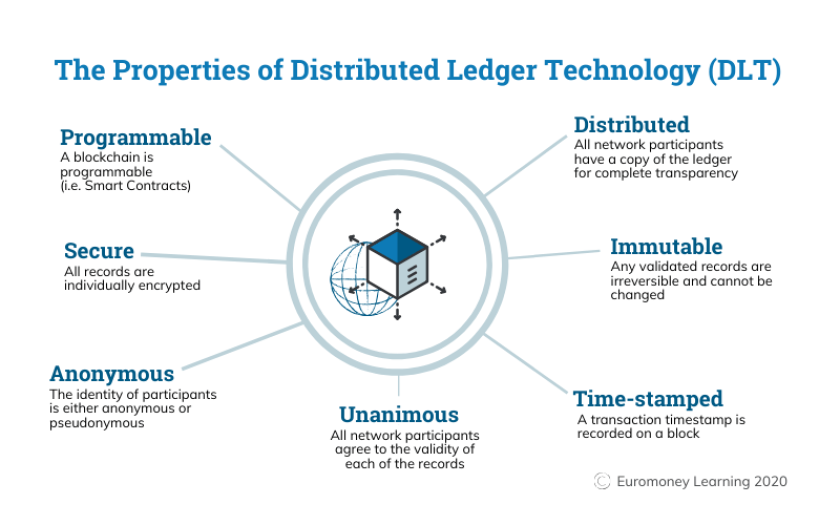
At its heart, blockchain is a specific type of Distributed Ledger Technology (DLT) that leverages advanced cryptography and a consensus mechanism to maintain a continuously growing list of records, or ‘blocks’, linked and secured using cryptographic principles. This architecture dismantles traditional centralized systems, distributing authority and information across a network.
Distributed Ledger Technology (DLT)
Traditional data management relies on centralized databases, where a single entity holds control over the data and its integrity. DLT, however, challenges this paradigm by creating a shared, immutable, and synchronized database that is replicated and spread across multiple network participants, or ‘nodes’. Each node holds an identical copy of the ledger, and any updates must be agreed upon by the network according to predefined rules. This distributed nature eliminates single points of failure, making the system incredibly resilient to attacks and censorship. In the context of blockchain, this ledger is structured as a chain of blocks, each containing a set of validated transactions.
Cryptography: The Language of Security
Cryptography is the backbone of blockchain’s security model. It employs complex mathematical algorithms to protect information and ensure the authenticity and integrity of data within the network. Two primary cryptographic techniques are essential to blockchain:
-
Hashing: This involves converting an input (like a block of data) into a fixed-size string of characters, known as a ‘hash value’ or ‘digest’. Even a tiny change in the input data will result in a completely different hash, making it incredibly easy to detect any tampering. Each block in a blockchain contains the hash of the previous block, creating an unbreakable, chronological link.
-
Public-Key Cryptography (PKC): Also known as asymmetric cryptography, PKC uses a pair of keys – a public key and a private key – for encryption and digital signatures. The private key, known only to the owner, is used to sign transactions, proving ownership and authorization. The corresponding public key can then verify the signature without revealing the private key. This ensures that transactions are authentic and originate from the rightful owner, preventing fraudulent activity.
Consensus Mechanisms: Achieving Agreement
Given that there’s no central authority to validate transactions or dictate the state of the ledger, blockchain networks rely on consensus mechanisms to achieve agreement among all distributed nodes. These algorithms ensure that every participant agrees on the same, single, and correct version of the ledger at any given time, maintaining integrity and preventing double-spending. While many consensus mechanisms exist, two are most prominent:
-
Proof of Work (PoW): Pioneered by Bitcoin, PoW requires ‘miners’ to expend computational effort to solve a complex mathematical puzzle. The first miner to solve it gets to add the next block to the chain and is rewarded. This “work” makes it computationally expensive to alter past blocks, thereby securing the network.
-
Proof of Stake (PoS): In PoS, validators are chosen to create new blocks based on the amount of cryptocurrency they “stake” (hold as collateral) in the network. It’s generally considered more energy-efficient than PoW, as it doesn’t require intensive computational races. These mechanisms are crucial for maintaining the immutability and trustlessness that define blockchain technology.
Deconstructing the Blockchain Mechanism
To truly grasp blockchain, it’s essential to understand the intricate dance between its core components: how blocks are formed, linked, and validated across a decentralized network. This process ensures the ledger’s integrity and resistance to manipulation.
Blocks, Transactions, and the Chain
The fundamental unit of a blockchain is the ‘block’. Each block is essentially a container for a collection of validated transactions. Beyond the transactional data, a block typically includes:
-
A timestamp, indicating when the block was created.
-
A unique cryptographic hash that acts as its digital fingerprint.
-
The hash of the previous block in the chain. This crucial element is what inextricably links blocks together, forming an unbroken, chronological ‘chain’ of information.
Once a block is filled with transactions and validated by the network, it is added to the end of the chain. Because each new block references the hash of its predecessor, altering any historical block would change its hash, consequently invalidating the hash reference in the next block, and all subsequent blocks. This creates an immutable record, where any attempt at modification is immediately detectable.
Network Participants and Validation
The blockchain network is composed of numerous ‘nodes’, which are computers running the blockchain software. These nodes play a vital role in maintaining the network’s integrity:
-
Full Nodes: These nodes download and store a complete copy of the entire blockchain ledger. They independently verify all transactions and blocks against the network’s rules, contributing significantly to the network’s security and decentralization.
-
Light Nodes: These nodes store only a partial copy of the blockchain (e.g., block headers) and rely on full nodes for verification, making them suitable for devices with limited storage or processing power.
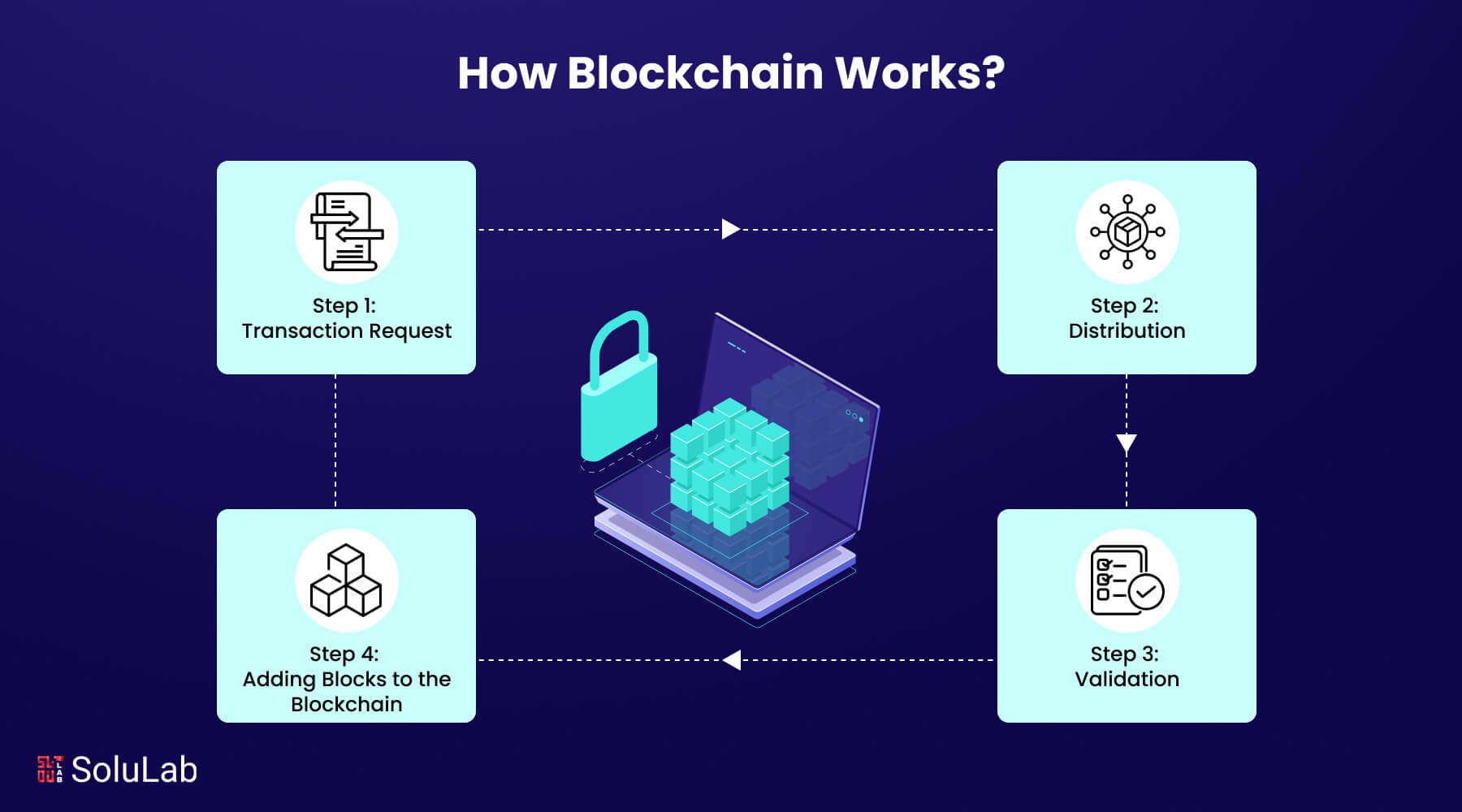
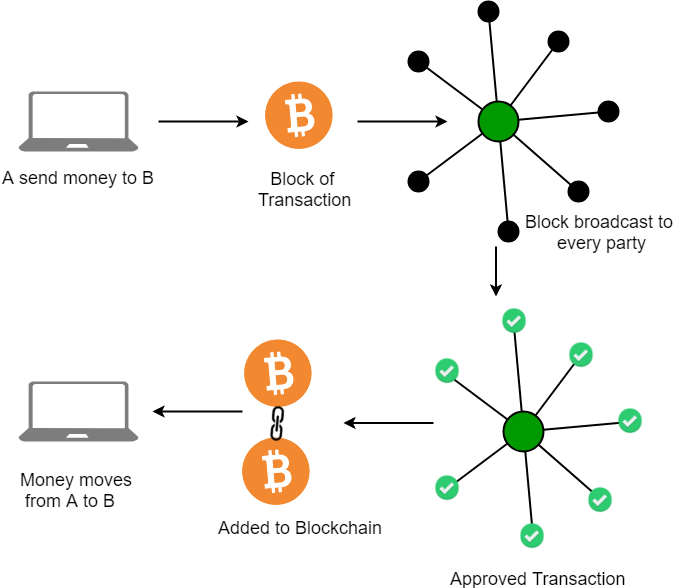
When a new transaction is initiated, it is broadcast to the network. Full nodes then receive these transactions, verify their authenticity (e.g., checking digital signatures, ensuring sufficient funds), and include them in a candidate block. Depending on the consensus mechanism (e.g., Proof of Work miners or Proof of Stake validators), one of these nodes is selected to add the new block to the chain. Once a block is successfully added, it is propagated across the entire network, and all other full nodes update their copy of the ledger, solidifying the new state of the chain.
Immutability and Security by Design
The cryptographic linking of blocks, combined with the distributed nature of the ledger, creates a system that is inherently immutable and highly secure.
-
Immutability: Once a block is added to the blockchain, it is practically impossible to alter or delete it. This is due to the cryptographic hashes: changing a transaction within an old block would change that block’s hash, which would then mismatch the hash stored in the next block, breaking the chain. To correct this, an attacker would have to recalculate the hashes for all subsequent blocks, and simultaneously gain control over more than 50% of the network’s computing power (in a PoW system) or staked assets (in a PoS system) to overwrite the legitimate chain – a feat that becomes astronomically difficult as the network grows and gains more participants.
-
Security: Beyond immutability, blockchain offers robust security against various cyber threats. Its decentralized nature means there is no single point of failure that an attacker can target. If one node is compromised, the rest of the network continues to operate, and the corrupted data on that single node would be rejected as invalid by the majority. Furthermore, the use of public-key cryptography ensures that only authorized users can initiate transactions from their wallets, protecting against identity theft and unauthorized spending. This multi-layered security makes blockchain a powerful tool for verifiable and tamper-proof record-keeping.
Core Characteristics and Inherent Advantages
Blockchain technology derives its transformative potential from a distinct set of characteristics that fundamentally differentiate it from traditional centralized systems. These attributes collectively confer significant advantages, fostering trust and efficiency across various applications.
Decentralization: Power to the Network
Perhaps the most defining characteristic of blockchain is its decentralization. Unlike conventional systems managed by a single entity (a bank, a government, or a corporation), a blockchain network operates without any central authority. Control and decision-making are distributed among all participating nodes. This decentralization brings several benefits:
-
Increased Resilience: Without a single point of failure, the network is robust against attacks, outages, and censorship. If some nodes go offline, the rest of the network continues to function.
-
Censorship Resistance: No single entity can unilaterally block or reverse transactions, ensuring that data and assets can move freely according to the network’s rules.
-
Reduced Intermediaries: By removing the need for trusted third parties, blockchain can streamline processes, reduce costs, and enhance speed.
Transparency and Auditability
While decentralization shifts control, transparency ensures that all participants can view the ledger’s contents. In public blockchains, every transaction ever recorded is visible to anyone on the network. While the identities of participants are typically pseudonymous (represented by cryptographic addresses), the flow of assets and data is fully auditable. This level of transparency provides:
-
Enhanced Trust: Participants can verify the integrity of the ledger themselves, rather than relying on a central authority’s assurance.
-
Fraud Prevention: Any attempt to manipulate data or conduct fraudulent transactions would be visible to the entire network and quickly rejected, making it extremely difficult to hide illicit activities.
-
Streamlined Auditing: Regulators and auditors can easily trace transactions and verify compliance without needing to access centralized records from multiple parties.
Enhanced Security and Data Integrity
As detailed earlier, blockchain’s security is built into its very architecture, combining cryptographic techniques with its distributed nature. The main advantages here include:
-
Tamper-Proof Records: The cryptographic linking of blocks makes any alteration to past data virtually impossible to achieve without being detected by the network. This creates an unchangeable and verifiable history.
-
High Resistance to Cyberattacks: Distributed Denial-of-Service (DDoS) attacks, which can cripple centralized servers, are ineffective against a decentralized blockchain as there’s no single server to target. Attackers would need to compromise a majority of the network’s nodes, a feat that is increasingly difficult and costly as the network grows.
-
Data Integrity: Every piece of data added to the blockchain is secured and its authenticity verified, ensuring that the information remains pristine and untampered with over time.
Efficiency and Automation Potential
Beyond security and trust, blockchain offers significant improvements in operational efficiency and opens doors to new forms of automation, primarily through smart contracts:
-
Reduced Processing Times: Traditional financial transactions often involve multiple intermediaries and can take days to settle. Blockchain can significantly reduce these times, often to minutes or seconds, by automating verification and settlement.
-
Lower Costs: By eliminating intermediaries and automating processes, operational overheads and transaction fees can be substantially reduced.
-
Smart Contracts: These are self-executing contracts with the terms of the agreement directly written into code. They automatically execute predefined actions when specific conditions are met, without the need for human intervention. This enables automation of everything from supply chain payments to digital rights management, creating more efficient and trustless agreements.
Diverse Applications: Beyond Cryptocurrency
While blockchain technology first gained prominence as the underlying infrastructure for Bitcoin and other cryptocurrencies, its capabilities extend far beyond digital money. Its core attributes of transparency, immutability, and decentralization make it a powerful tool for various industries and use cases, paving the way for innovation in data management and digital interaction.
Supply Chain Management
The global supply chain is notoriously complex, often plagued by inefficiencies, lack of transparency, and susceptibility to fraud (e.g., counterfeit goods). Blockchain can revolutionize this sector by providing an immutable and shared ledger for tracking goods from their point of origin to the consumer.
-
Enhanced Traceability: Each stage of a product’s journey – manufacturing, shipping, customs, retail – can be recorded as a transaction on the blockchain. This creates a transparent and auditable trail, allowing all stakeholders to track items in real-time.
-
Authenticity and Provenance: Consumers can verify the authenticity of products, ensuring they are not counterfeit and come from ethical sources. For high-value goods like luxury items or pharmaceuticals, this is invaluable.
-
Reduced Fraud and Waste: The tamper-proof nature of blockchain records helps identify and prevent fraud, while improved visibility can pinpoint inefficiencies and reduce waste in the logistics process.
Healthcare and Data Management
Healthcare data is sensitive, fragmented, and often siloed, posing challenges for patient care, research, and data security. Blockchain offers solutions for secure and interoperable health information systems.
-
Secure Patient Records: Blockchain can provide a secure and encrypted framework for storing and sharing patient medical records. Patients can control who accesses their data, enhancing privacy.
-
Drug Traceability: From manufacturing to distribution, blockchain can track pharmaceuticals, combating counterfeit drugs and ensuring the integrity of the supply chain.
-
Clinical Trials and Research: Immutable records of clinical trial data can enhance transparency and trust in research outcomes, making data harder to manipulate.
Digital Identity and Intellectual Property
In an increasingly digital world, managing and verifying identity, as well as protecting intellectual property, are critical challenges. Blockchain offers novel approaches to both.
-
Self-Sovereign Identity (SSI): Blockchain enables individuals to create and control their own digital identities, giving them agency over their personal data. Instead of relying on centralized institutions for identity verification, users can present verifiable credentials attested by various entities, but controlled by the individual.
-
Proof of Ownership: Artists, musicians, and creators can use blockchain to timestamp and register their intellectual property, establishing an immutable record of creation and ownership. This is particularly relevant with Non-Fungible Tokens (NFTs), which leverage blockchain to prove unique digital ownership of art, music, and other digital assets.
-
Authenticity of Digital Assets: NFTs have popularized the concept of verifiable digital scarcity and ownership, enabling new economies for digital creators and collectors.
Governance and Voting Systems
Blockchain’s transparency and immutability make it an attractive technology for enhancing the integrity of democratic processes and organizational governance.
-
Secure and Transparent Voting: Blockchain-based voting systems could provide an auditable and tamper-proof record of ballots, increasing trust in election results and potentially reducing voter fraud. Each vote could be recorded as a transaction, verifiable by the voter, while maintaining anonymity.
-
Decentralized Autonomous Organizations (DAOs): DAOs are organizations governed by rules encoded as smart contracts on a blockchain, with decisions made by token holders through voting. This new form of governance offers a transparent and community-driven alternative to traditional corporate structures.
These applications merely scratch the surface of blockchain’s potential. As the technology matures, its integration into various sectors promises to reshape how we interact with data, assets, and each other.
Navigating the Future: Challenges and Opportunities
While blockchain technology offers a compelling vision for a more decentralized and transparent future, its widespread adoption faces significant hurdles. Understanding these challenges, alongside the ongoing innovations addressing them, is crucial for assessing its long-term impact and trajectory.
Addressing Scalability and Performance
One of the most persistent criticisms of early blockchain implementations, particularly Proof of Work networks, is their limited scalability. Transaction throughput can be slow, and processing fees can become high during peak demand, especially when compared to centralized payment networks like Visa. This challenge is often encapsulated in the “blockchain trilemma,” suggesting that it’s difficult to achieve decentralization, security, and scalability simultaneously without compromise.
Developers are actively pursuing several avenues to enhance scalability:
-
Layer 2 Solutions: These protocols operate “on top” of the main blockchain (Layer 1) to process transactions off-chain, then bundle them and submit a final, consolidated transaction to the main chain. Examples include the Lightning Network for Bitcoin or rollups (Optimistic and ZK-rollups) for Ethereum.
-
Sharding: This technique involves dividing the blockchain network into smaller, independent segments (shards), each capable of processing transactions and smart contracts in parallel. This significantly increases the network’s overall throughput.
-
Newer Consensus Mechanisms: Advancements in Proof of Stake (PoS) and other less energy-intensive consensus algorithms aim to improve transaction speed and efficiency without sacrificing security or decentralization.
Energy Consumption and Environmental Impact
The energy consumption associated with Proof of Work (PoW) blockchains, notably Bitcoin, has been a significant environmental concern. The immense computational power required for mining translates into a substantial carbon footprint.
However, this challenge is being addressed:
-
Transition to PoS: Many blockchain projects, including Ethereum (with its “Merge” from PoW to PoS), are moving towards Proof of Stake, which is orders of magnitude more energy-efficient than PoW.
-
Green Initiatives: The blockchain industry is increasingly focusing on sustainability, with efforts to power mining operations with renewable energy sources and develop more eco-friendly protocols.
-
Focus on Efficiency: Even within PoW, hardware improvements and network optimizations are constantly striving for greater energy efficiency.
Regulatory Landscape and Interoperability
The nascent nature of blockchain technology means that the regulatory environment is still evolving globally. A lack of clear, consistent regulations can create uncertainty for businesses and investors, hindering innovation and adoption. Governments worldwide are grappling with how to classify digital assets, enforce compliance, and protect consumers without stifling technological progress.
Another critical challenge is interoperability – the ability for different blockchain networks to communicate and exchange data or assets seamlessly. Currently, many blockchains operate as isolated silos, limiting the potential for broad ecosystem-wide applications. Solutions being developed include:
-
Blockchain Bridges: These protocols allow assets and data to be transferred between different blockchain networks.
-
Cross-Chain Protocols: Projects are working on creating standardized frameworks and technologies that enable native communication and interaction across various blockchains.
The Promise of Web3 and Decentralized Future
Despite the challenges, the opportunities presented by blockchain are immense. It is widely considered a foundational technology for Web3, the envisioned next iteration of the internet. Web3 aims to create a decentralized web where users have greater control over their data, identity, and digital assets, moving away from the current centralized model dominated by large tech corporations.
Blockchain is central to this vision, enabling:
-
True Digital Ownership: Through NFTs and other tokenized assets, users can genuinely own parts of the digital world.
-
Decentralized Applications (dApps): These applications run on a blockchain or peer-to-peer network, free from central control, offering new models for social media, gaming, finance, and more.
-
Greater Data Privacy and Security: Users can choose how and with whom they share their data, leveraging encryption and self-sovereign identity solutions.
The journey of blockchain technology is one of continuous evolution. While hurdles in scalability, energy, and regulation remain, the relentless innovation and growing adoption across diverse sectors underscore its potential to fundamentally reshape our digital landscape, fostering trust, transparency, and empowerment in unprecedented ways.
aViewFromTheCave is a participant in the Amazon Services LLC Associates Program, an affiliate advertising program designed to provide a means for sites to earn advertising fees by advertising and linking to Amazon.com. Amazon, the Amazon logo, AmazonSupply, and the AmazonSupply logo are trademarks of Amazon.com, Inc. or its affiliates. As an Amazon Associate we earn affiliate commissions from qualifying purchases.