
Bitcoin has transitioned from an experimental digital curiosity to a trillion-class financial asset in little more than a decade. For investors, the most striking characteristic of this asset is its extreme volatility. Unlike traditional equities or commodities, which may see annual fluctuations of 10% to 20%, Bitcoin is known for triple-digit percentage gains followed by precipitous “drawdowns” of 50% or more. Understanding what drives these price swings is essential for anyone looking to navigate the cryptocurrency markets, whether they are retail investors or institutional portfolio managers.
The price of Bitcoin is not dictated by a central bank or a corporate earnings report. Instead, it is the product of a complex interplay between programmed scarcity, global macroeconomic shifts, regulatory developments, and the psychological state of millions of market participants.

The Fundamental Mechanics: Supply, Scarcity, and the Halving
At its core, Bitcoin’s price is governed by the most basic economic principle: supply and demand. However, unlike fiat currencies like the US Dollar, which can be printed in unlimited quantities by central banks, Bitcoin’s supply is hard-capped and predictable.
The 21 Million Cap and Digital Scarcity
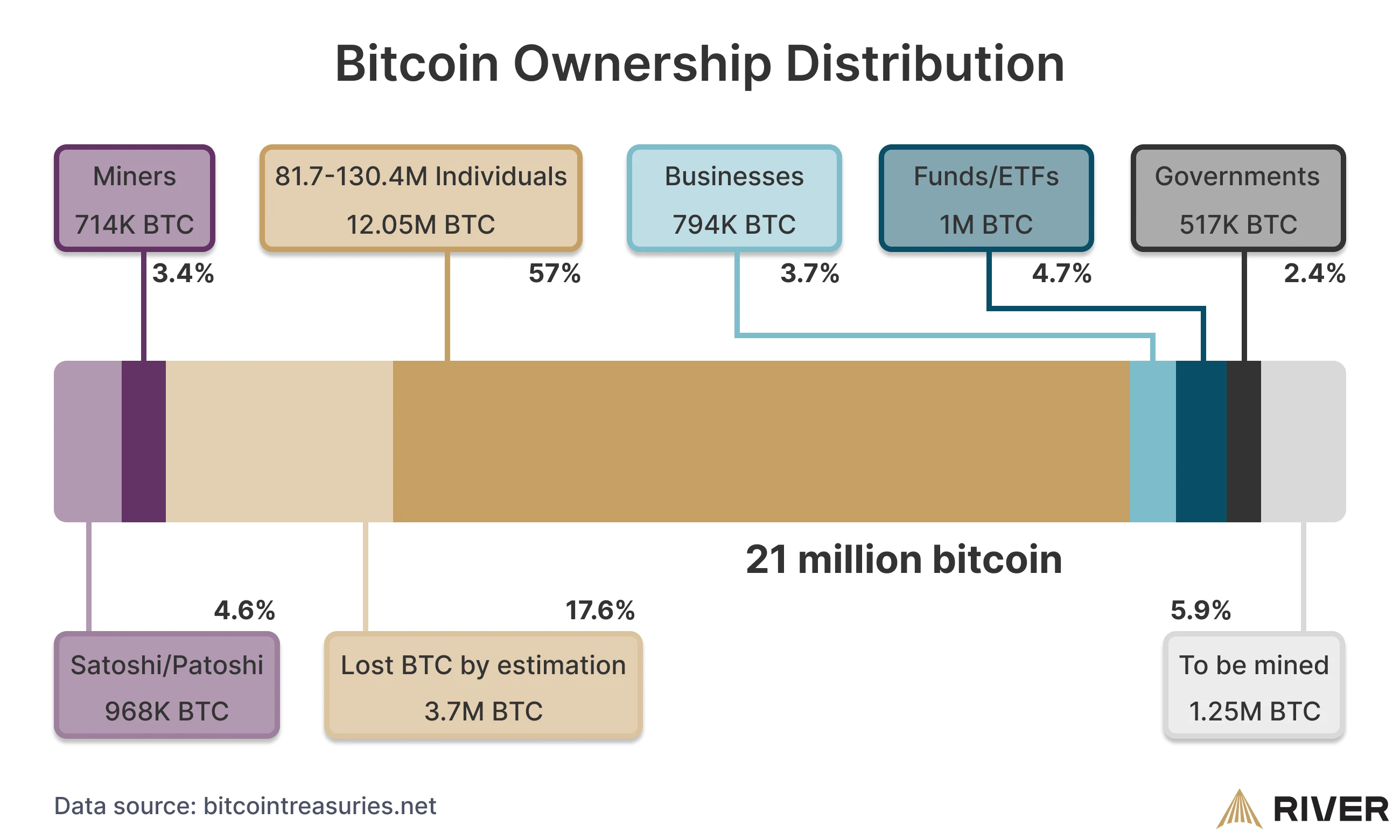
The total number of Bitcoin that will ever exist is strictly limited to 21 million. This artificial scarcity is a primary driver of long-term price appreciation. When demand increases against a fixed supply, the price must rise to reach a new equilibrium. This “digital gold” narrative attracts investors who are looking for a hedge against the devaluation of traditional currencies. As more individuals and institutions decide to hold Bitcoin as a long-term store of value, the “liquid supply” available on exchanges decreases, making the price more sensitive to new buy orders.
The Impact of the Halving Cycles
One of the most significant events in the Bitcoin ecosystem is the “Halving.” Approximately every four years, the reward given to Bitcoin miners for processing transactions is cut in half. This effectively reduces the rate at which new Bitcoin enters the market. Historically, these halving events have served as catalysts for massive bull runs. By tightening the issuance of new coins while demand is either steady or growing, the market experiences a supply shock. Investors often anticipate these events months in advance, leading to speculative buying that further drives the price upward.
Macroeconomic Factors and Global Liquidity
While Bitcoin was originally conceived as an alternative to the traditional financial system, it has become deeply integrated into global markets. Consequently, it is highly sensitive to the broader economic environment and the decisions of central banks like the Federal Reserve.
Interest Rates and Risk Appetite
Bitcoin is generally classified as a “risk-on” asset. This means that when the economy is flush with cash and interest rates are low, investors are more willing to put money into volatile assets in search of higher returns. Conversely, when central banks raise interest rates to combat inflation, “cheap money” disappears. Investors often pull back from Bitcoin to move into safer investments like government bonds or high-yield savings accounts. This shift in global liquidity is a primary reason why Bitcoin’s price often moves in tandem with the Nasdaq and other tech-heavy stock indices.
Inflation and Currency Devaluation
On the other side of the macro coin is the role of inflation. When fiat currencies lose purchasing power, Bitcoin often sees an uptick in demand. In countries experiencing hyperinflation, such as Argentina or Turkey, Bitcoin serves as a functional tool for wealth preservation. Even in developed economies, if investors perceive that government spending is unsustainable, they may move capital into Bitcoin as a “non-sovereign” asset that cannot be devalued by government policy.
The Role of Spot ETFs and Institutional Access
The introduction of Bitcoin Spot Exchange-Traded Funds (ETFs) in major markets has fundamentally changed the price discovery process. By allowing traditional investors to buy Bitcoin through their existing brokerage accounts, these instruments have opened the floodgates for institutional capital. When a massive fund like BlackRock or Fidelity sees inflows into its Bitcoin ETF, the fund must purchase the underlying Bitcoin on the open market. This creates a consistent, high-volume demand side that can sustain price levels even during periods of retail stagnation.
Market Sentiment, Psychology, and the “Whale” Effect
Because Bitcoin lacks traditional metrics like Price-to-Earnings (P/E) ratios, its price is heavily influenced by human emotion and the behavior of large-scale holders.
The Cycles of Fear and Greed
The cryptocurrency market is notorious for its psychological extremes. During a “bull market,” FOMO (Fear of Missing Out) takes hold. Positive news stories, social media hype, and rapidly rising prices attract retail investors who buy at any price, creating a parabolic move upward.
However, this is often followed by “FUD” (Fear, Uncertainty, and Doubt). A single piece of negative news—such as a security breach on an exchange or a regulatory crackdown—can trigger panic selling. Because Bitcoin is traded 24/7 globally, these sell-offs can cascade quickly, as automated trading bots and “margin calls” on leveraged positions force further selling, leading to the dramatic “crashes” that characterize the market.
The Influence of “Whales” and Market Liquidity
In the financial world, a “whale” is an entity that holds a massive amount of an asset. In the Bitcoin market, whales can include early adopters, corporate treasuries, or large investment funds. Because the market for Bitcoin is still relatively “thin” compared to the global foreign exchange or gold markets, a single large sell order from a whale can significantly move the price. Furthermore, much of Bitcoin’s trading volume occurs on derivative platforms where traders use leverage. If the price moves slightly against these leveraged positions, it can trigger a “liquidation cascade,” where the exchange automatically sells the traders’ Bitcoin, causing the price to drop even further in a matter of minutes.
Regulatory Developments and Legal Clarity
As a decentralized asset, Bitcoin operates outside of traditional legal frameworks, but it is not immune to the laws of the countries where its users reside. Regulatory news is perhaps the most frequent cause of sudden, short-term price volatility.
Government Prohibitions and Restrictions
Historically, news of major economies “banning” Bitcoin has caused significant price drops. For example, when China intensified its crackdown on Bitcoin mining and trading in 2021, the market saw a massive sell-off as miners were forced to liquidate their holdings and move their operations overseas. Any indication that a major jurisdiction might restrict the ability of citizens to convert fiat currency into Bitcoin tends to suppress the price.
Legitimatization and Legal Tender
Conversely, news that promotes the legal integration of Bitcoin usually drives the price up. When El Salvador became the first country to adopt Bitcoin as legal tender, or when the SEC provides a clear pathway for crypto-related financial products, it signals to the market that Bitcoin is “here to stay.” Legal clarity reduces the perceived risk for conservative investors, encouraging them to enter the market and providing a boost to the asset’s valuation.
Network Health and Technological Security
The final pillar of Bitcoin’s price is the underlying technology itself. If the network is perceived as insecure or inefficient, its value as a financial asset diminishes.
Hash Rate and Mining Security
The “hash rate” is a measure of the total computing power dedicated to securing the Bitcoin network. A rising hash rate indicates that more miners are participating, making the network more resistant to attacks. Generally, a high and stable hash rate correlates with investor confidence. If the hash rate were to drop significantly, it might signal that mining is no longer profitable, leading to concerns about the network’s long-term viability and putting downward pressure on the price.

Protocol Upgrades and Scalability
While Bitcoin’s core protocol is change-resistant, occasional upgrades like “Taproot” or the development of “Layer 2” solutions like the Lightning Network impact its utility. These technologies allow Bitcoin to handle more transactions faster and with more privacy. As the network becomes more functional as a medium of exchange—rather than just a store of value—its addressable market grows, providing a fundamental reason for the price to increase over time.
In conclusion, Bitcoin’s price is the result of a constant tug-of-war between its programmed scarcity and the external world. While the four-year halving cycles provide a long-term upward framework, the day-to-day volatility is driven by interest rates, regulatory headlines, and the collective psychology of the market. For the financial strategist, Bitcoin is not merely a “gamble,” but a high-stakes expression of global economic health and the shifting definition of what constitutes “money” in the digital age.
aViewFromTheCave is a participant in the Amazon Services LLC Associates Program, an affiliate advertising program designed to provide a means for sites to earn advertising fees by advertising and linking to Amazon.com. Amazon, the Amazon logo, AmazonSupply, and the AmazonSupply logo are trademarks of Amazon.com, Inc. or its affiliates. As an Amazon Associate we earn affiliate commissions from qualifying purchases.