
In the rapidly evolving landscape of digital innovation, few concepts have captured the imagination and scrutiny of experts and the public alike quite like blockchain. Often mentioned in the same breath as cryptocurrencies, blockchain technology is far more expansive and revolutionary than merely underpinning digital money. At its core, blockchain is a decentralized, distributed ledger technology (DLT) designed to record transactions across a network of computers. Its unique architecture promises unprecedented levels of security, transparency, and immutability, fundamentally altering how we perceive and interact with digital information and assets. Understanding “what blockchain” truly entails requires delving beyond the surface, exploring its foundational principles, operational mechanics, diverse applications, and the profound impact it is poised to have on industries ranging from finance and logistics to healthcare and digital identity.
The Foundational Concept: Understanding Blockchain’s Core
To grasp the essence of blockchain, it’s crucial to first understand its underlying principles. Far from being a mere database, blockchain represents a paradigm shift in how data is stored, validated, and managed, introducing trust and transparency into environments traditionally reliant on central authorities.
The Distributed Ledger Explained
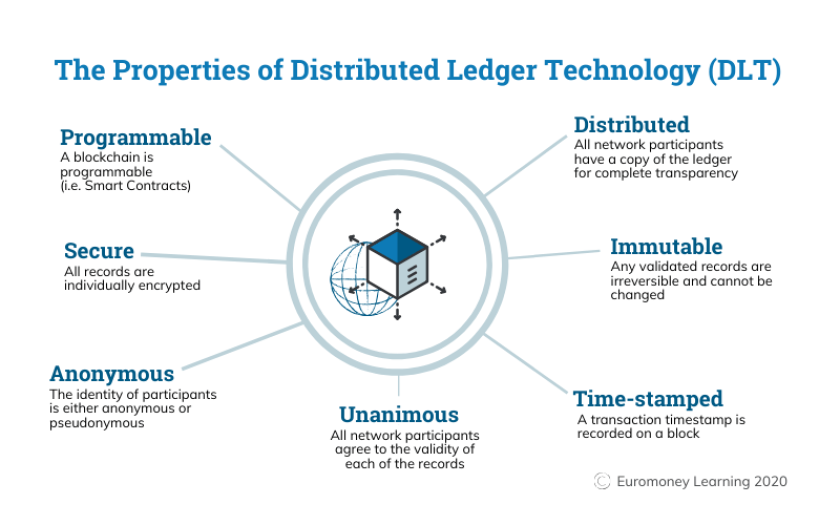
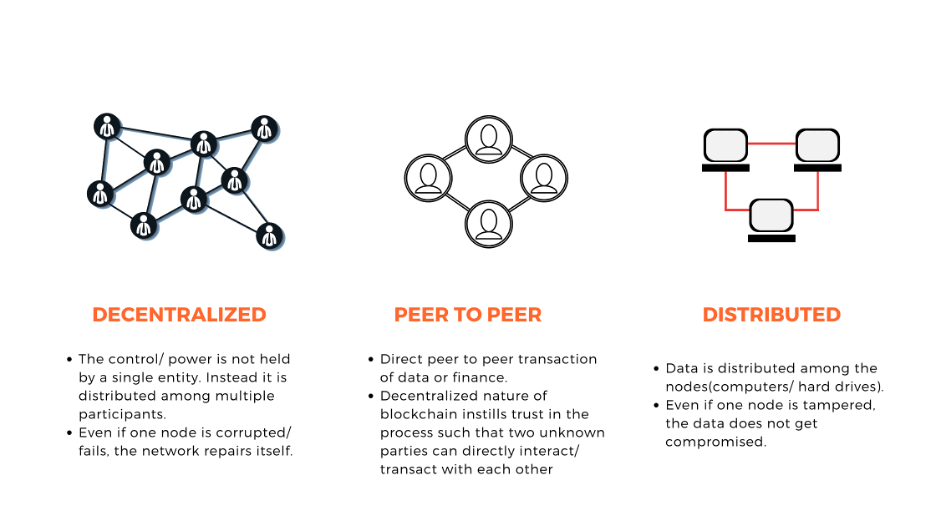
At the heart of blockchain is the concept of a distributed ledger. Unlike traditional centralized databases, where a single entity controls and maintains all records, a distributed ledger is shared and synchronized across a network of independent computers, or “nodes.” Every node on the network holds an identical copy of the ledger. When a new transaction occurs, it is broadcast to all nodes, which then validate it independently. This distributed nature eliminates single points of failure and makes the system incredibly resilient to attacks and data loss. There is no central server to hack or corrupt; instead, the integrity of the data is maintained by the collective agreement of the network participants.
Immutability and Transparency: Key Characteristics
Two defining characteristics that elevate blockchain above conventional data management systems are immutability and transparency. Immutability means that once a transaction or a “block” of transactions is added to the blockchain, it cannot be altered or deleted. Each new block contains a cryptographic hash of the previous block, creating an unbreakable chain that links all records together in chronological order. Any attempt to tamper with an older block would invalidate its hash, breaking the chain and immediately signaling a breach to the entire network. This makes blockchain records incredibly resistant to fraud and manipulation.
Transparency, on the other hand, refers to the fact that all transactions on a public blockchain are visible to every participant in the network. While the identities of the parties involved are typically pseudonymous (represented by cryptographic addresses), the transaction data itself—what was transacted, when, and how much—is openly accessible. This combination of immutability and transparency fosters a high degree of trust among participants, as everyone can independently verify the ledger’s history without relying on a central intermediary.
The Role of Cryptography and Hashing
Cryptography is the backbone of blockchain security. Each block in the chain is secured using sophisticated cryptographic techniques, primarily hashing. A hash is a fixed-size alphanumeric string that represents the data within a block. Even a tiny change in the block’s data will result in a completely different hash. As mentioned, each new block incorporates the hash of the preceding block, forming a cryptographic link. This chaining mechanism, combined with digital signatures for transaction authorization, ensures the integrity and authenticity of the data. Public-key cryptography, where users have a public address and a private key, further secures transactions, ensuring that only the rightful owner can authorize an outgoing transaction from their account.
How Blockchain Works: A Step-by-Step Breakdown
Understanding the individual components is one thing; seeing how they interoperate to form a functional blockchain network provides a clearer picture of its ingenious design.
Blocks, Chains, and Transactions
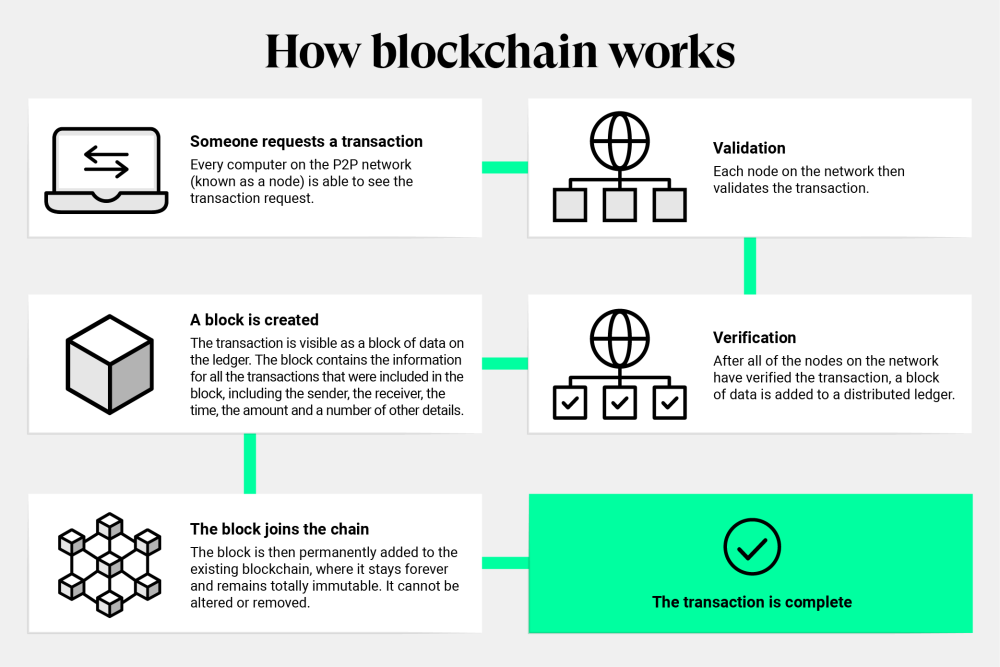
The name “blockchain” literally describes its operational mechanism: a chain of blocks. Each “block” is a collection of validated transactions. When a user initiates a transaction (e.g., sending cryptocurrency or recording a data entry), it is bundled with other pending transactions into a new block. This block then undergoes a validation process by the network’s nodes. Once validated, the new block is cryptographically linked to the previous block, forming an ever-growing, immutable chain of records. This continuous addition of blocks ensures a chronological and tamper-proof history of all activities on the network.
Consensus Mechanisms: Validating the Network
For a distributed network to maintain a single, consistent ledger, there must be a way for all participants to agree on the validity of new transactions and the order in which they are added. This is achieved through “consensus mechanisms.” The most well-known is Proof of Work (PoW), famously used by Bitcoin. In PoW, “miners” compete to solve complex cryptographic puzzles. The first miner to find the solution gets to add the next block to the chain and is rewarded. This process is computationally intensive, making it expensive and difficult to manipulate the chain.
Another prominent mechanism is Proof of Stake (PoS). In PoS, validators are chosen to create new blocks based on the amount of cryptocurrency they “stake” (hold as collateral) in the network. The more stake they have, the higher their chances of being selected. PoS is generally considered more energy-efficient than PoW and offers different security trade-offs. Other mechanisms like Delegated Proof of Stake (DPoS), Proof of Authority (PoA), and Byzantine Fault Tolerance (BFT) are also employed, each with its own advantages for specific use cases and network architectures.
Decentralization: No Single Point of Control
A cornerstone of blockchain technology is its decentralized nature. There is no central authority, server, or administrator controlling the network. Instead, control is distributed among all participants (nodes). This decentralization offers several critical benefits. First, it eliminates the risk associated with a single point of failure; if one node goes down, the network continues to operate seamlessly. Second, it reduces censorship and manipulation, as no single entity can unilaterally change the rules or reject transactions. Third, it fosters a more democratic and resilient system, where the collective consensus of the network dictates its evolution and integrity.
Beyond Cryptocurrency: Diverse Applications of Blockchain Technology
While blockchain gained prominence through cryptocurrencies like Bitcoin and Ethereum, its potential extends far beyond digital money. Its core attributes of security, transparency, and immutability make it an ideal solution for a multitude of challenges across various sectors.
Supply Chain Management and Traceability
One of the most promising applications of blockchain is in enhancing supply chain transparency and efficiency. By recording every step of a product’s journey—from raw materials to manufacturing, shipping, and retail—on a blockchain, companies can create an immutable and verifiable audit trail. This allows for instant traceability of goods, helps verify authenticity, prevents counterfeiting, and enables rapid identification of issues like contamination or ethical sourcing problems. Consumers can scan a QR code to see a product’s entire history, fostering greater trust and accountability.
Digital Identity and Data Security
In an increasingly digital world, managing and securing personal identity is paramount. Blockchain offers a revolutionary approach to digital identity, often referred to as “self-sovereign identity.” Instead of relying on central authorities (like governments or social media platforms) to store and manage personal data, individuals can control their own digital identities, selectively revealing only necessary information through cryptographic proofs. This empowers users, enhances privacy, and significantly reduces the risk of identity theft and data breaches, as personal data is no longer stored in vulnerable centralized databases.
Smart Contracts: Automated Agreements
Smart contracts are self-executing contracts with the terms of the agreement directly written into lines of code. They run on a blockchain, automatically executing when predefined conditions are met. This eliminates the need for intermediaries, reduces costs, and speeds up the execution of agreements. Examples include automated escrow services, insurance claims processing, royalty distribution, and even complex legal agreements. Once deployed, smart contracts are immutable and tamper-proof, ensuring that all parties adhere to the agreed-upon terms without external enforcement.
Healthcare and Record Keeping
The healthcare industry can benefit immensely from blockchain’s ability to securely store and manage sensitive data. Electronic health records (EHRs) could be stored on a blockchain, providing an immutable record of patient history, prescriptions, and treatments. This would allow for secure sharing of medical data between different providers while maintaining patient privacy through granular access controls. Researchers could also securely access anonymized data for studies, accelerating medical advancements while safeguarding individual identities.
Types of Blockchains and Their Ecosystems
Not all blockchains are created equal. Different use cases necessitate different architectural designs, leading to various types of blockchain networks, each with distinct characteristics and access permissions.
Public Blockchains (Permissionless)
Public blockchains, like Bitcoin and Ethereum, are entirely open and decentralized. Anyone can join the network, participate in consensus mechanisms (e.g., mining or staking), and read or write transactions. They are characterized by their high degree of transparency and censorship resistance. However, their open nature can sometimes lead to slower transaction speeds and higher energy consumption (especially for PoW chains) due to the extensive validation required across a large network. They are ideal for applications requiring maximum decentralization and trustlessness.
Private Blockchains (Permissioned)
In contrast, private blockchains are permissioned networks where participation is restricted. A single organization or entity typically controls who can join, read, or write to the blockchain. While still leveraging distributed ledger technology, they are more centralized than public blockchains. They offer faster transaction speeds, higher scalability, and greater privacy, as data is only shared with authorized participants. Private blockchains are often used by enterprises for internal operations, such as supply chain management or inter-departmental data sharing, where trust among known parties is already established.
Consortium Blockchains
Consortium blockchains fall somewhere between public and private chains. They are permissioned networks, but instead of being controlled by a single entity, several organizations or a group of pre-selected nodes govern them. This model offers a balance of decentralization and control, making it suitable for industry-specific collaborations where multiple companies need to share data and processes securely without a single point of authority. An example might be a group of banks collaborating on a cross-border payment system.
Hybrid Blockchains
Hybrid blockchains attempt to combine the best features of both public and private blockchains. They can have a private element that controls access and allows for rapid transaction processing, while also utilizing a public blockchain to verify and secure certain data or transactions. This approach offers flexibility, allowing organizations to maintain privacy for sensitive operations while leveraging the transparency and security of a public network for auditing or specific data points.
The Future of Blockchain: Challenges and Opportunities
Blockchain technology is still in its nascent stages, constantly evolving and facing both formidable challenges and immense opportunities. Its trajectory suggests a profound impact on future digital infrastructure.
Scalability and Energy Consumption
One of the most significant challenges facing blockchain, particularly public permissionless networks, is scalability. The current transaction throughput of many leading blockchains pales in comparison to centralized payment systems like Visa. Solutions like sharding, layer-2 protocols (e.g., Lightning Network), and alternative consensus mechanisms are being developed to address this. Additionally, the energy consumption of Proof of Work blockchains is a major environmental concern, driving the shift towards more sustainable PoS systems and other green alternatives.
Regulatory Landscape and Adoption Hurdles
The regulatory environment for blockchain and cryptocurrencies remains fragmented and uncertain across different jurisdictions. Lack of clear legal frameworks can hinder mainstream adoption by businesses and institutions. Issues around consumer protection, data privacy (especially GDPR compliance for public blockchains), and anti-money laundering (AML) regulations need to be consistently addressed. Beyond regulation, technical complexity, interoperability issues between different blockchains, and the need for greater user-friendliness are also hurdles to widespread adoption.
Emerging Trends and Innovations
Despite the challenges, the innovation within the blockchain space is relentless. We are seeing advancements in areas like Decentralized Finance (DeFi), which aims to recreate traditional financial services (lending, borrowing, trading) on blockchain without intermediaries. Non-Fungible Tokens (NFTs) have emerged as a way to prove ownership of unique digital assets. The concept of the Metaverse and Web3 also heavily relies on blockchain for digital ownership, identity, and decentralized governance. Interoperability solutions that allow different blockchains to communicate and exchange data are also crucial for a truly interconnected future. As the technology matures, it promises to underpin a new era of decentralized applications, fostering greater trust, efficiency, and empowerment across the digital realm.
In conclusion, “what blockchain” represents is not merely a technological innovation but a fundamental shift in how trust and value are managed in a digital world. Its ability to create immutable, transparent, and decentralized records holds the potential to disrupt industries, enhance security, and empower individuals. While challenges remain, the ongoing innovation and increasing understanding of its capabilities suggest that blockchain is poised to be a cornerstone of the next generation of internet infrastructure and digital society.
aViewFromTheCave is a participant in the Amazon Services LLC Associates Program, an affiliate advertising program designed to provide a means for sites to earn advertising fees by advertising and linking to Amazon.com. Amazon, the Amazon logo, AmazonSupply, and the AmazonSupply logo are trademarks of Amazon.com, Inc. or its affiliates. As an Amazon Associate we earn affiliate commissions from qualifying purchases.