
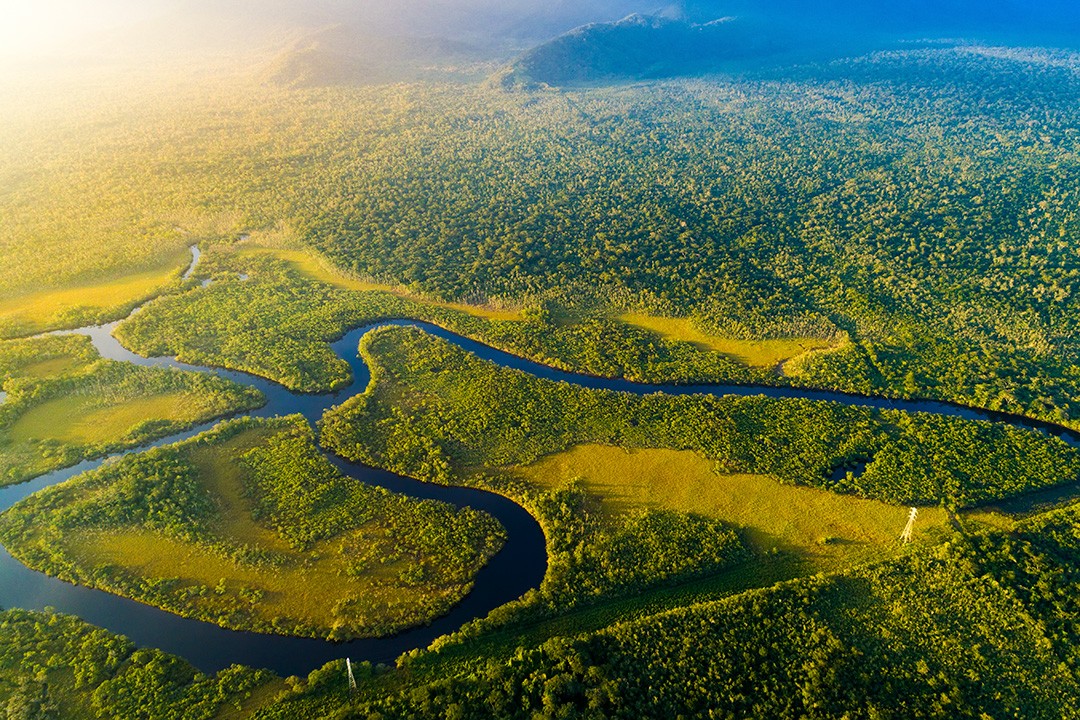
When one hears “the world’s biggest rainforest,” images of the majestic Amazon, with its unparalleled biodiversity and life-sustaining embrace, typically spring to mind. It’s a natural wonder, a vast and complex ecosystem whose intricate web of life plays an indispensable role in the planet’s health. Yet, in the 21st century, the concept of a “rainforest” takes on a new, metaphorical, and equally vital dimension within the realm of technology. If we translate the attributes of a vast, interconnected, rapidly growing, and fundamentally critical ecosystem into the digital sphere, we begin to uncover a different kind of “world’s biggest rainforest” – one built not of trees and rivers, but of data, code, and global connectivity.
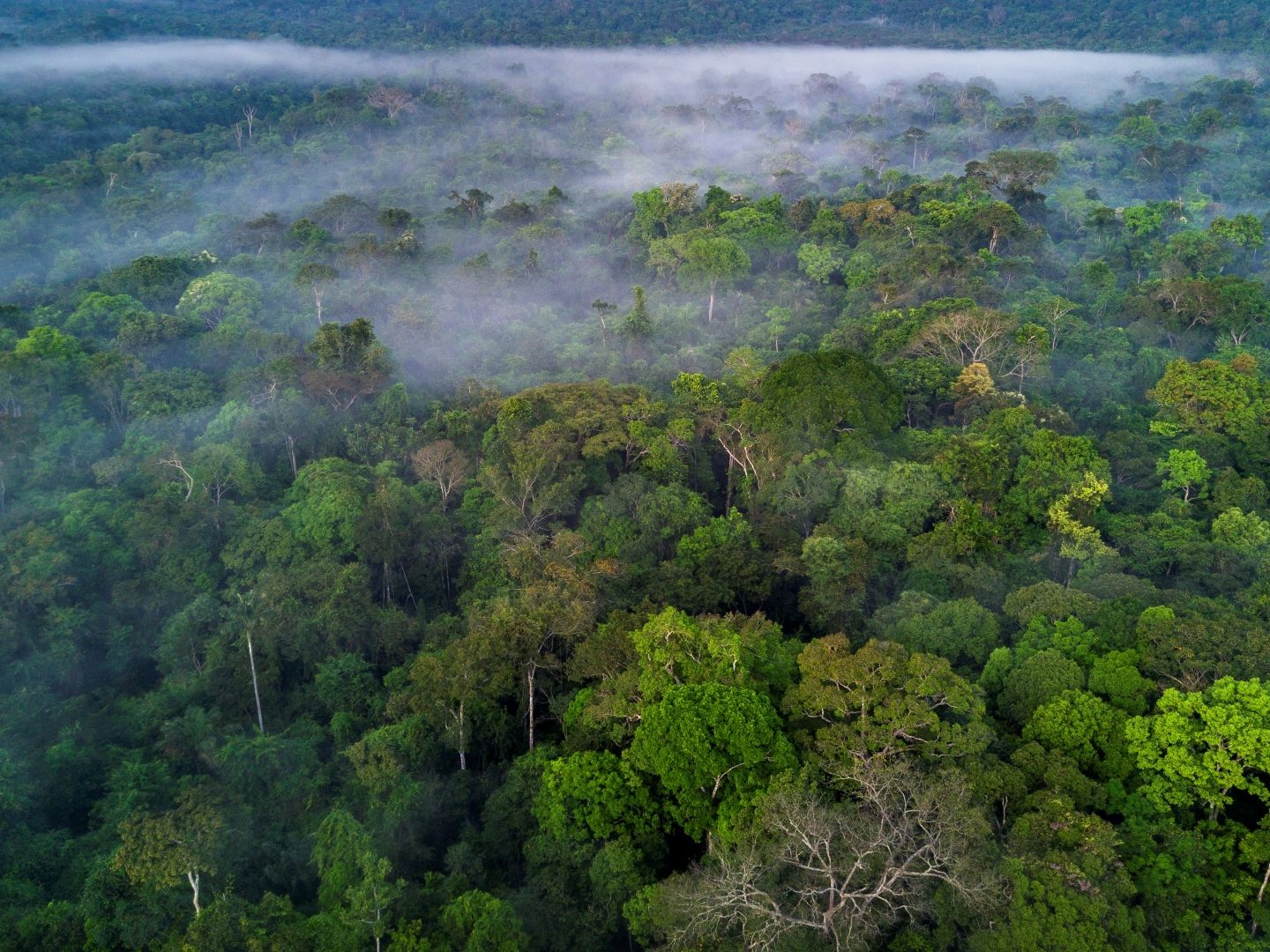
This digital rainforest is the sprawling, intricate, and indispensable global technological ecosystem that underpins nearly every facet of modern life. It’s a domain where information flows like mighty rivers, innovation blossoms like rare flora, and powerful entities—both beneficial and potentially destructive—thrive. Understanding its scope, its components, and its delicate balance is paramount for anyone navigating the complexities of our digital age. It’s a question not just of identifying the biggest, but of comprehending the most influential and transformative force shaping our collective future.
The Amazon of Data: Defining the Digital Rainforest
In the tech landscape, the “biggest rainforest” isn’t a single entity but the aggregate of global digital infrastructure, services, and the data they generate and process. It is a system characterized by its immense scale, incredible growth rate, and the profound interconnectedness of its various components, much like the layered canopy, understory, and forest floor of a biological rainforest. This digital ecosystem is a testament to humanity’s collective ingenuity and insatiable drive for information and connection.
Cloud Computing as the Canopy
At the uppermost layer of this digital rainforest is the omnipresent cloud. Cloud computing—encompassing giants like Amazon Web Services (AWS), Microsoft Azure, Google Cloud Platform (GCP), and countless others—forms the vast, overarching canopy that shelters and powers much of the modern internet. These platforms provide the scalable infrastructure, computing power, and storage necessary for applications, websites, and services to operate globally. Like the leaves of a rainforest canopy, cloud services capture and process vast amounts of “sunlight”—or, in this case, data and requests—distributing resources and enabling growth across the ecosystem. They are the primary enablers of agility, scalability, and resilience for businesses and individuals alike, abstracting away the underlying hardware complexities and offering on-demand resources that can expand or contract with fluctuating needs. This virtualization allows for unparalleled resource optimization and facilitates a global reach previously unimaginable. The cloud isn’t just a place to store files; it’s a dynamic, living environment where computation, storage, networking, and analytics intertwine to create a flexible, powerful platform for innovation. Without this cloud canopy, the vibrant understory of digital services would simply wilt.
The Subterranean Roots of Data Centers
Beneath the metaphorical canopy of the cloud lies the physical bedrock of this digital rainforest: data centers. These colossal facilities, often spanning acres and consuming prodigious amounts of energy, are the “roots” of the internet. They house the servers, networking equipment, and storage infrastructure that comprise the physical manifestation of the cloud. Just as tree roots draw nutrients and water from the soil, data centers draw power and network connectivity to fuel the digital services above. They are meticulously engineered environments, designed for optimal performance, security, and redundancy, often employing advanced cooling systems and sophisticated power management to maintain continuous operation. The scale of these data centers is staggering, with some hyperscale facilities containing hundreds of thousands of servers, processing exabytes of data daily. Their geographical distribution is also strategic, minimizing latency and ensuring global accessibility. These hidden, powerful roots are the unsung heroes of the digital world, providing the foundational stability and processing power that allows the entire ecosystem to thrive. Their existence underscores the physical reality behind the ethereal “cloud.”
The Flow of Information: Networks and Connectivity
Connecting every layer, from the deepest data center root to the highest cloud canopy and outward to billions of end-users, is the intricate network of fiber optic cables, wireless connections, and internet protocols. These are the “rivers and streams” of the digital rainforest, carrying information with incredible speed and volume. The global internet infrastructure—comprising undersea cables, terrestrial fiber networks, satellite links, and cellular towers—ensures that data can flow seamlessly across continents and oceans. This global nervous system facilitates communication, commerce, and culture on an unprecedented scale. Without these vast networks, the data generated by applications and processed by cloud servers would remain isolated, rendering the entire ecosystem fragmented and ineffective. The constant, high-speed flow of information is what breathes life into the digital rainforest, enabling real-time interactions, massive data transfers, and the instantaneous dissemination of knowledge that characterizes our modern world.
Biodiversity in the Digital Jungle: Applications and Services
Just as a biological rainforest teems with an astonishing array of species, the digital rainforest is home to an incredible “biodiversity” of applications, services, and digital entities. This includes everything from the most sophisticated AI models to the simplest mobile apps, each playing a role in the ecosystem’s functionality and growth. This digital biodiversity is not static; it is constantly evolving, with new species emerging and older ones adapting or fading away, mirroring the dynamic nature of natural ecosystems.
The Fauna of AI and Machine Learning
The “fauna” of this digital jungle represents the intelligent agents and sophisticated processes that inhabit it, particularly Artificial Intelligence (AI) and Machine Learning (ML) algorithms. These advanced systems, increasingly powered by vast datasets and immense computational resources, are the apex predators and diligent scavengers of the digital world. From predictive analytics that guide business decisions to recommendation engines that curate our content, from autonomous vehicles to medical diagnostic tools, AI models are learning, adapting, and interacting with their environment. They are constantly consuming data—the “nutrients” of the ecosystem—to grow smarter and more capable, driving innovation and efficiency across countless industries. The rapid proliferation of AI, with its potential to automate tasks, derive insights, and even create content, signifies a new era of intelligence within this digital rainforest, profoundly impacting its evolution and future trajectory.
The Flora of Software and Applications
The “flora” of the digital rainforest comprises the myriad of software applications, platforms, and services that users directly interact with. These are the visible manifestations of the underlying infrastructure, ranging from social media platforms and streaming services to enterprise resource planning (ERP) systems and scientific simulation software. Each application is a unique species, designed to fulfill specific needs and interact with users in distinct ways. Their growth, development, and spread are driven by user demand, technological innovation, and competitive forces. The sheer volume and variety of these digital plants provide sustenance and utility to billions, shaping human behavior, facilitating communication, and enabling productive work. From tiny mobile apps to massive enterprise suites, this software flora is essential for the digital rainforest’s utility and aesthetic, providing the user experience that makes the ecosystem tangible and valuable.
User Data: The Nutrient-Rich Soil
Underpinning all this digital life is the “nutrient-rich soil” of user data. Every interaction—a click, a search, a purchase, a message, a sensor reading—contributes to this vast and ever-growing repository of information. This data acts as the fuel for AI algorithms, the feedback loop for software development, and the raw material for countless services. It allows systems to personalize experiences, improve functionalities, and identify emerging trends. However, like fertile soil, this data also requires careful management and ethical stewardship. Its immense value comes with significant responsibilities regarding privacy, security, and consent. The quality and integrity of this data soil are paramount for the health and continued growth of the digital rainforest, ensuring that the innovations built upon it are robust, fair, and beneficial.
The Interconnectedness: A Delicate Global Balance
The true power and complexity of the world’s biggest digital rainforest lie in its profound interconnectedness. Every component, from a single user’s device to a hyperscale data center, is part of a vast, interdependent network. This interconnectedness allows for incredible efficiencies and innovation but also introduces unique vulnerabilities and challenges, creating a delicate global balance that requires constant vigilance.
Supply Chains, Cybersecurity, and Vulnerabilities
Just as a disruption in one part of a natural rainforest can have cascading effects, vulnerabilities in the digital rainforest can create widespread instability. The intricate global supply chains for hardware (chips, servers, network equipment) and software are critical arteries, but they are susceptible to geopolitical tensions, economic shocks, and security compromises. A single vulnerability in a widely used software library or a sophisticated cyberattack on a critical infrastructure provider can ripple across the entire ecosystem, affecting billions of users and countless services. Cybersecurity, therefore, is not merely an IT concern but a fundamental issue of global stability and national security. Protecting the integrity, availability, and confidentiality of data and systems is a continuous, escalating battle against an increasingly sophisticated array of threats, including state-sponsored actors, organized crime, and individual hackers. The health of the digital rainforest depends on the resilience and vigilance against these omnipresent digital predators and parasites.
Economic Impact and Global Dependence
The economic impact of this digital rainforest is immeasurable. It drives global commerce, facilitates financial markets, enables remote work, and underpins the operations of virtually every industry. Trillions of dollars in economic activity depend on its continuous, efficient functioning. Countries and corporations are increasingly reliant on its infrastructure and services for their prosperity and strategic advantage. This global dependence, while fostering unprecedented opportunities for growth and collaboration, also concentrates power among a few dominant tech giants and creates potential choke points. The digital divide, which separates those with access to this rainforest from those without, further exacerbates global inequalities, underscoring the social and economic implications of its development and distribution. The digital rainforest, therefore, is not just a technological construct; it is a fundamental pillar of the global economy and a critical determinant of human progress.
Stewardship and Sustainability in the Digital Era
Acknowledging the global digital ecosystem as the world’s biggest rainforest mandates a similar level of stewardship and concern for sustainability. Its rapid expansion and deep integration into society necessitate careful consideration of its environmental footprint, ethical implications, and responsible governance to ensure its long-term health and equitable benefits for all.
Environmental Footprint of the Digital Rainforest
The immense scale of the digital rainforest comes with a significant environmental cost. Data centers consume vast amounts of electricity, contributing to global energy demand and carbon emissions. The manufacturing of electronic devices requires considerable natural resources and often involves complex waste disposal challenges. While efforts are underway to make data centers more energy-efficient and to power them with renewable energy sources, the sheer growth of data and computational demand presents a continuous challenge. Sustainable practices, from optimizing software for energy efficiency to promoting circular economy principles for hardware, are crucial for mitigating the digital rainforest’s ecological impact. Just as protecting natural rainforests is vital for planetary health, managing the environmental footprint of our digital ecosystem is essential for a sustainable future.
Ethical Considerations and Digital Conservation
Beyond environmental concerns, the digital rainforest raises profound ethical questions. Issues such as data privacy, algorithmic bias, misinformation, and the impact of AI on employment and human agency demand careful consideration. Just as conservationists strive to protect endangered species and fragile ecosystems, “digital conservation” efforts are needed to safeguard user rights, promote digital literacy, and ensure equitable access to technology. This involves developing robust regulatory frameworks, fostering ethical design principles in technology development, and encouraging public discourse on the societal implications of emerging technologies. The responsible development and deployment of AI, for example, require not only technical expertise but also a deep understanding of its social and ethical dimensions to prevent unintended harm and promote human well-being.

The Future: Growth, Regulation, and Evolution
The digital rainforest is not a static entity; it is constantly growing, evolving, and transforming. The future will undoubtedly bring even more sophisticated technologies, greater interconnectedness, and new challenges. As it expands, the need for international cooperation on regulation, cybersecurity, and ethical guidelines will become even more pressing. Balancing innovation with responsibility, fostering competition while ensuring consumer protection, and bridging the digital divide will be central to its sustainable evolution. The continuous interaction between technological advancement, societal values, and policy decisions will shape the form and function of this digital rainforest for generations to come.
In conclusion, while the Amazon stands as the undisputed champion of the natural world’s rainforests, the “world’s biggest rainforest” in the context of the 21st century’s technological landscape is the vast, interconnected, and ever-evolving global digital ecosystem. It is a critical infrastructure, a source of unprecedented innovation, and a domain that demands our careful stewardship. Just as we recognize the vital role of the Amazon for our planet, understanding and responsibly managing our digital rainforest is paramount for the future of humanity. Its health, sustainability, and ethical development are not just technical challenges but fundamental imperatives for a thriving global society.
aViewFromTheCave is a participant in the Amazon Services LLC Associates Program, an affiliate advertising program designed to provide a means for sites to earn advertising fees by advertising and linking to Amazon.com. Amazon, the Amazon logo, AmazonSupply, and the AmazonSupply logo are trademarks of Amazon.com, Inc. or its affiliates. As an Amazon Associate we earn affiliate commissions from qualifying purchases.