
In the modern landscape of personal finance, the “subscription economy” has fundamentally altered how households manage their monthly cash flow. What began as a convenient way to access niche services has evolved into a complex web of recurring expenses that can either optimize a budget or drain it through “subscription creep.” At the center of this ecosystem sits Amazon Prime, a multi-faceted service that has transitioned from a simple shipping perk into a comprehensive financial tool encompassing logistics, entertainment, and grocery savings. Securing a free trial for Amazon Prime is not merely about temporary access to fast shipping; it is a strategic move to evaluate the return on investment (ROI) of the service before committing capital.
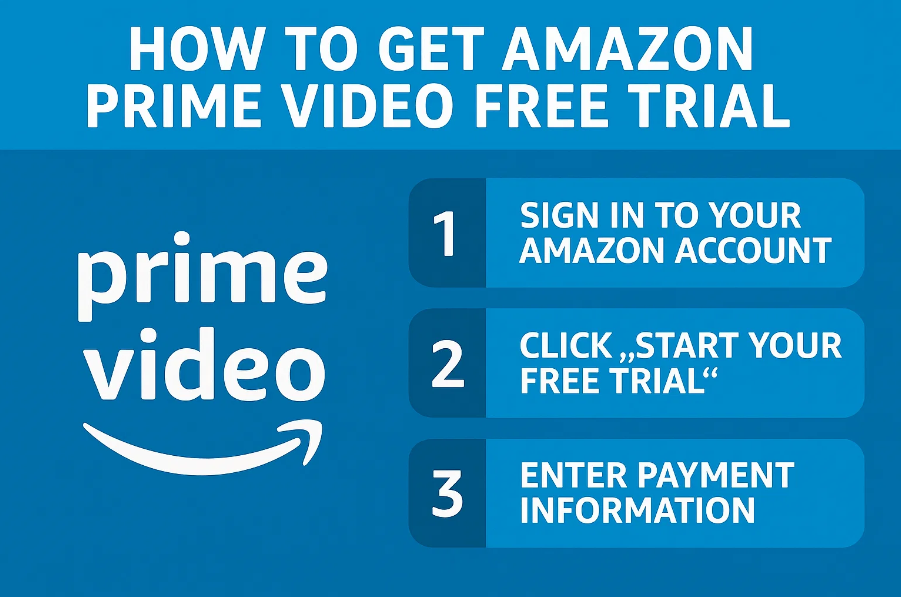
Understanding how to leverage these trial periods effectively allows consumers to audit their spending habits, maximize the utility of digital services, and determine if the annual membership fee aligns with their long-term financial goals.
The Financial Framework of Amazon Prime Membership
Before initiating a free trial, it is essential to view Amazon Prime through the lens of a cost-benefit analysis. For the standard consumer, the membership currently carries a significant price tag—either $14.99 per month or $139 per year. From a personal finance perspective, this represents a fixed overhead cost that must be justified by tangible savings in other areas of the budget.
The Cost-Benefit Analysis of Membership
To determine if a Prime membership is financially viable, one must calculate the “break-even point.” If the average cost of non-Prime shipping is $5.99 per order, a user must place at least 24 orders per year to justify the $139 annual fee based on shipping alone. However, the value proposition extends into other budgetary categories. For instance, Prime Video can potentially replace a $15/month streaming service, and Prime Big Deal Days or Prime Day offer opportunities for bulk-purchasing household essentials at a discount. A free trial serves as a 30-day “beta test” for these calculations, allowing you to track your actual usage without the upfront risk of capital.
Subscription Bloat and Household Budgeting
Many financial advisors warn against the accumulation of “ghost subscriptions”—services that are paid for but rarely utilized. A free trial is the ultimate tool for avoiding this pitfall. By utilizing the trial period to its fullest, you can determine if the service integrates into your lifestyle. Does it reduce your fuel expenditure by eliminating trips to the store? Does it lower your grocery bill through Whole Foods discounts? If the answer is no, the trial provides a risk-free exit strategy, ensuring your liquid assets remain directed toward higher-yield opportunities or debt reduction.
Strategic Paths to Securing Your Free Trial
Amazon offers several distinct avenues for obtaining a free trial, each tailored to different demographic and financial profiles. Navigating these options requires an understanding of the specific eligibility criteria and the potential long-term savings associated with each tier.
Standard 30-Day Trials for New and Returning Users
The most common entry point is the standard 30-day free trial. This is generally available to individuals who have not been a Prime member in the last 12 months. Strategically, this trial should be timed to coincide with high-expenditure periods, such as the holiday shopping season or a significant life event (like moving or a home renovation), where the savings on shipping and bulk items will be most impactful on your short-term cash flow.
Prime Student: A Long-Term Financial Play
For those currently enrolled in higher education, the Prime Student trial is arguably one of the most effective financial tools available. It offers a six-month trial period, followed by a significantly discounted monthly or annual rate (approximately 50% off the standard price). From an investing perspective, the six-month window provides a substantial duration to eliminate shipping costs on textbooks and dorm essentials, providing a high “yield” on the initial zero-dollar investment. To qualify, you must have a valid .edu email address or provide proof of enrollment, making it a targeted financial benefit for those in the academic sector.
Prime Access: Financial Inclusivity and Subsidized Rates
Amazon also offers a program known as Prime Access, designed for recipients of government assistance such as SNAP, EBT, or Medicaid. While the trial period is typically the standard 30 days, the subsequent monthly fee is reduced by more than 50%. For households operating on a strict budget, this tier ensures that the logistical benefits of e-commerce—often cheaper than local retail options in “food deserts”—are accessible without a prohibitive overhead cost.
Maximizing the Trial Period for Maximum Financial Gain
Simply having a free trial is not enough; the goal is to extract maximum value from the service within the 30-day window. This requires a proactive approach to utilizing all included features that would otherwise cost money.
Timing Your Trial with Major Shopping Events
The strategic timing of a free trial can lead to exponential savings. By initiating a trial just before Prime Day (usually in July) or the Black Friday/Cyber Monday corridor, consumers gain access to exclusive “member-only” pricing. For a household looking to make a major appliance purchase or stock up on non-perishable goods for the next six months, the delta between the Prime price and the standard retail price can result in hundreds of dollars in saved capital.
Leveraging Prime Video and Music to Cut Other Costs
During the trial month, it is wise to perform a “media audit.” If you are currently paying for multiple streaming services or music platforms, use the Prime trial to see if Prime Video and Amazon Music can serve as viable replacements. If the content library meets your needs, you can cancel other subscriptions, effectively “paying” for a future Prime membership with the savings harvested from your discontinued services. This is a classic example of reallocation of funds to optimize a digital portfolio.
Utilizing “Try Before You Buy” for Clothing Budgets
Prime’s “Try Before You Buy” feature is an often-overlooked financial benefit. It allows you to order clothing and accessories without an immediate charge to your credit card. You only pay for what you keep. From a cash flow management perspective, this prevents large sums of money from being tied up in “returns” and “refunds” that can take 5-10 business days to process, keeping your capital liquid and available for other uses.
Post-Trial Management: To Renew or Not to Renew?
The final stage of the free trial strategy is the decision-making process that occurs as the 30-day window closes. This is where many consumers fail, leading to unintended charges and budget leaks.
Setting Up Alerts and Avoiding Unintended Charges
To maintain strict control over your personal finances, you should treat the end of a free trial with the same rigor as a debt maturity date. Immediately upon signing up for the trial, set a calendar alert for day 28. Amazon also allows users to set a “remind me before I renew” notification within their account settings. This ensures that the decision to transition to a paid membership is a conscious financial choice rather than a passive error.
Evaluating the ROI After 30 Days
As the trial concludes, review your order history and usage metrics. Calculate the total shipping fees you would have paid without the membership. Add the estimated value of the streaming services used and any discounts applied at Whole Foods or during sales events. If the total “value captured” exceeds the $14.99 monthly cost or the pro-rated $11.58 monthly cost (of the annual plan), the membership is a sound financial investment. If the value is lower, the trial has served its purpose as an audit tool, and the service should be canceled.
Advanced Tactics for Returning Customers and Households
For those who have already utilized their initial free trials, there are advanced methods to continue optimizing Amazon-related expenses without paying the full individual premium.
The Waiting Game: Re-Qualifying for Trial Offers
Amazon’s systems are designed to re-engage former customers. It is common for users who have been without a Prime membership for 12 months or longer to become eligible for another 30-day free trial. By rotating between different service providers or simply going through a “subscription detox” period, you can often re-qualify for these introductory offers, effectively lowering your multi-year cost of service.

Sharing the Benefits: Amazon Household
One of the most powerful financial strategies within the Amazon ecosystem is “Amazon Household.” This feature allows two adults to share the benefits of a single Prime membership. From a personal finance standpoint, this effectively cuts the cost of membership in half for both parties. Instead of two individuals in a household paying $139 each per year ($278 total), the Amazon Household feature allows the same benefits for $139 total. When combined with a free trial, one person can trial the service, and then upon renewal, invite the other adult to the “Household” to split the eventual cost.
Ultimately, getting a free trial for Amazon Prime is a tactical move in the broader game of financial management. By approaching the trial with a clear strategy—timing it for maximum savings, using it to audit other subscriptions, and managing the renewal process with discipline—you transform a simple marketing offer into a sophisticated tool for wealth preservation and budget optimization. In the quest for financial independence, even the smallest optimizations in recurring costs contribute to a more robust and resilient bottom line.
aViewFromTheCave is a participant in the Amazon Services LLC Associates Program, an affiliate advertising program designed to provide a means for sites to earn advertising fees by advertising and linking to Amazon.com. Amazon, the Amazon logo, AmazonSupply, and the AmazonSupply logo are trademarks of Amazon.com, Inc. or its affiliates. As an Amazon Associate we earn affiliate commissions from qualifying purchases.