
In the fiercely competitive landscape of modern e-commerce, speed has transcended mere logistical efficiency to become a cornerstone of brand identity and a primary driver of customer loyalty. Amazon Prime shipping, at its core, is not just a delivery service; it is a meticulously engineered brand promise that defines customer expectations, sets industry benchmarks, and fundamentally shapes Amazon’s market position. The question “how fast is Amazon Prime shipping?” delves far deeper than a simple answer in hours or days; it probes the very essence of Amazon’s brand strategy and its enduring success in cultivating a loyal subscriber base. For millions worldwide, Prime’s rapid delivery is synonymous with the Amazon brand itself, a testament to its strategic importance in maintaining customer trust and satisfaction.

The Evolution of Speed: Amazon Prime’s Brand Differentiator
Amazon Prime’s journey from a niche offering to a global phenomenon is intrinsically linked to its commitment to delivery speed. What began as a bold gamble to offer “free two-day shipping” has blossomed into a multi-faceted service that continually redefines consumer expectations for convenience and immediacy. This relentless pursuit of speed has become Amazon’s most potent brand differentiator, a promise that resonates deeply with the modern consumer’s desire for instant gratification.
From Standard to Near-Instant: A Brand’s Journey
When Amazon launched Prime in 2005, the concept of “free two-day shipping” for an annual fee was revolutionary. At a time when standard shipping often meant waiting a week or more, this promise fundamentally shifted customer perception of what was possible in online retail. It wasn’t just about avoiding shipping costs; it was about transforming the wait-time into a competitive advantage. Over the years, Amazon has aggressively expanded this promise. Two-day shipping became one-day shipping, then same-day shipping in select areas, and even two-hour delivery for Prime Now groceries. Each evolution was not merely a logistical upgrade but a deliberate reinforcement of the Prime brand’s commitment to unparalleled speed and convenience. This continuous improvement strategy ensured that Prime remained a compelling value proposition, anchoring its brand identity in a world increasingly demanding instant access. By consistently pushing the boundaries of what’s achievable, Amazon has built a brand that is almost synonymous with speed and reliability in e-commerce.
Setting the Industry Benchmark for Customer Expectations
The ubiquity of Prime has inadvertently, yet deliberately, recalibrated customer expectations across the entire retail industry. Consumers who experience Prime’s rapid deliveries often find standard shipping from other retailers frustratingly slow. This “Prime Effect” means that every other e-commerce brand, irrespective of its size or resources, is now implicitly judged against Amazon’s expedited service. For competing brands, this translates into immense pressure to invest heavily in their own logistics and supply chains, or risk losing market share to Amazon’s superior delivery promise. Amazon effectively established a new baseline for acceptable service, forcing competitors to adapt their own brand strategies and operational models to keep pace. This has created a dynamic where speed is no longer a luxury but a fundamental expectation, making Amazon Prime a benchmark for brand performance in the delivery space.
The Intricacies of Prime Shipping: Beyond the Promise
While the promise of fast shipping is clear, the actual experience can be influenced by a myriad of factors. Understanding these intricacies is crucial for both Amazon in managing its brand reputation and for customers in setting realistic expectations. The complexity behind the scenes highlights the strategic efforts Amazon undertakes to uphold its brand promise despite operational challenges.
Geographical Nuances and Their Impact on Brand Perception
Amazon’s ability to deliver quickly is heavily dependent on its dense network of fulfillment centers, sortation centers, and delivery stations. In densely populated urban and suburban areas, where Amazon has a strong physical presence, one-day, same-day, and even two-hour delivery options are increasingly common. This immediate gratification reinforces the Prime brand’s value proposition. However, in rural or more remote regions, Prime shipping may revert to the traditional two-day standard, or even longer if specialized carriers are required. This geographical variance, while operationally necessary, can create inconsistencies in the customer experience. When a customer in a rural area, accustomed to the brand promise of speed, encounters slower delivery times, it can subtly erode the perception of Prime’s universal efficiency. Managing these expectations transparently and clearly is a continuous challenge for Amazon in maintaining a consistent brand image.
Item Eligibility: Managing Customer Expectations
Not all items available on Amazon.com are eligible for Prime’s fastest shipping options. Factors such as whether an item is “Sold by Amazon” versus “Sold by a third-party seller and Fulfilled by Amazon (FBA)” or “Fulfilled by Merchant (FBM)” significantly impact delivery speed. FBA items typically adhere to Prime’s expedited timelines, as they leverage Amazon’s vast fulfillment network. However, FBM items are entirely dependent on the third-party seller’s own shipping capabilities, which can vary wildly. This distinction, while critical to Amazon’s hybrid marketplace model, can sometimes lead to customer confusion and frustration if not clearly communicated. From a brand perspective, it’s a delicate balance: maximizing product selection through third-party sellers while ensuring that the core Prime shipping promise remains largely intact. Clear labeling and transparent delivery estimates are vital tools for Amazon to manage customer expectations and protect the integrity of the Prime brand.
The Role of Fulfillment Network in Brand Trust
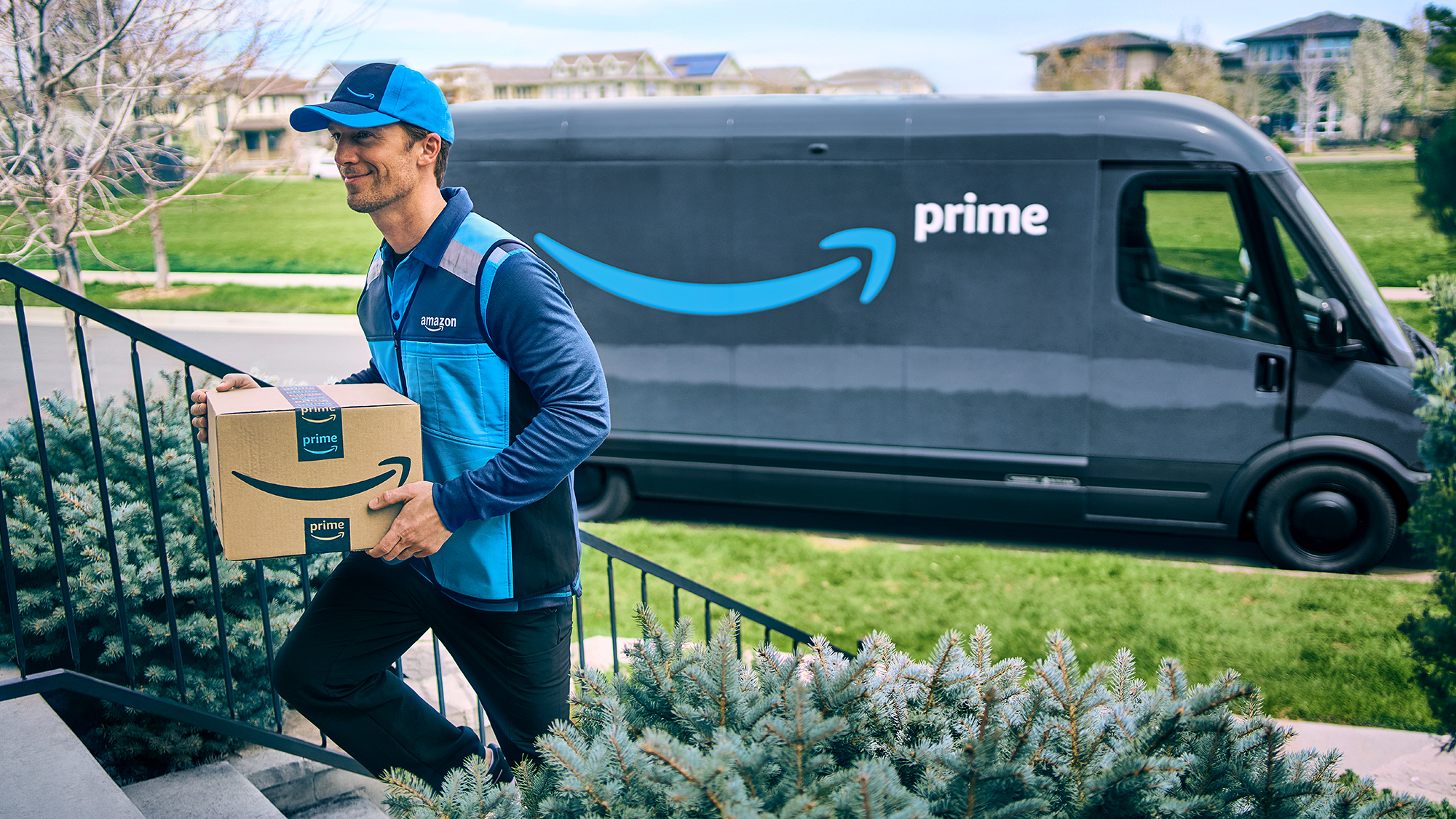
Amazon’s colossal fulfillment network – a sophisticated global ballet of robotics, logistics, and human capital – is the unsung hero behind the Prime brand promise. Billions have been invested in strategically located warehouses, advanced sorting technologies, and a proprietary last-mile delivery fleet. This infrastructure is not just an operational necessity; it is a critical asset in building and maintaining brand trust. Customers implicitly trust that when they click “buy” on a Prime-eligible item, Amazon has the underlying capability to deliver on its speed promise. Any major disruption to this network – be it due to natural disasters, labor disputes, or technological glitches – can directly impact delivery times and, consequently, chip away at the brand’s reputation for reliability. The seamless operation of this network is, therefore, foundational to the Prime brand’s credibility and its ability to continually deliver on its core value proposition.
Prime’s Influence on Brand Loyalty and Customer Experience
Amazon Prime is more than just fast shipping; it’s a comprehensive ecosystem designed to foster deep customer loyalty. The speed of delivery acts as a powerful anchor, drawing customers into a wider web of services that collectively enhance the Amazon brand experience and cement user commitment.
The Subscription Model: Reinforcing Brand Commitment
The annual or monthly subscription fee for Prime is a masterclass in behavioral economics and brand commitment. Once a customer invests in Prime, they are incentivized to maximize the value of their membership, leading to increased shopping frequency and a deeper reliance on Amazon for their retail needs. Fast shipping becomes the primary justification for this initial investment, but it opens the door to other services like Prime Video, Prime Music, and exclusive deals. This creates a virtuous cycle where the upfront commitment reinforces continuous engagement, strengthening the bond between the customer and the Amazon brand. It transforms transactional customers into loyal members, embedding Amazon deeper into their daily lives and purchasing habits. The speed of delivery makes the initial buy-in irresistible, but the ecosystem makes it indispensable.

Speed as a Pillar of the Amazon Ecosystem Experience
Fast shipping is not an isolated feature; it is seamlessly integrated into the broader Amazon ecosystem, enhancing the overall brand experience. The convenience of ordering an item and receiving it within hours or a day reduces friction in the shopping process. This speed enables spontaneity, allowing customers to make purchases without extensive planning, confident in the swift arrival of their goods. This immediate gratification permeates various aspects of the Amazon experience, from urgent household necessities to last-minute gifts. The speed ensures that Prime remains highly relevant and valuable in diverse purchasing scenarios, solidifying its position as a central pillar of the Amazon brand’s value proposition and perceived utility to its subscribers. It’s about empowering customers to live their lives with greater ease, with Amazon as the facilitator.
Mitigating Service Failures and Protecting Brand Reputation
Even with Amazon’s sophisticated logistics, occasional delivery delays or issues are inevitable. How Amazon handles these service failures is critical to protecting its brand reputation. Proactive communication, clear tracking information, and responsive customer service are paramount. When a Prime delivery is delayed, the customer’s expectation is high, and the potential for dissatisfaction is significant. Amazon’s brand strategy involves swift resolutions, often including refunds for shipping fees or even full compensation, to mitigate negative experiences. This commitment to problem-solving, even when speed falters, reinforces the brand’s dedication to customer satisfaction. The brand’s ability to recover from service failures gracefully can, in some cases, even strengthen loyalty, demonstrating a commitment to stand behind its promises and rectify issues promptly.
Competitive Landscape: How Prime Speed Shapes the Market
Amazon Prime’s relentless focus on delivery speed has not only cemented its own brand dominance but has also profoundly reshaped the entire e-commerce competitive landscape. It forced competitors to re-evaluate their own brand promises and logistical capabilities, creating a ripple effect across the retail industry.
Raising the Bar for E-commerce Logistics
Before Prime, efficient logistics were a competitive advantage; now, they are a table stake. Amazon’s investments in same-day and one-day delivery have compelled every major retailer, from Walmart to Target, to significantly enhance their own supply chains. These competitors have been forced to pour resources into building their own fulfillment networks, optimizing last-mile delivery, and expanding their click-and-collect or curbside pickup options – all direct responses to the benchmark set by Prime. For these brands, speed is no longer just a service feature but a fundamental component of their customer value proposition and a key strategic imperative to remain relevant in the digital age. Amazon didn’t just compete on speed; it redefined the competitive arena itself.
Competitor Responses and Brand Strategy Adaptation
Competitors have responded to the “Prime Effect” with varied brand strategies. Walmart, for instance, has leveraged its extensive physical store footprint to offer same-day pickup and local delivery services, framing its brick-and-mortar presence as an asset for speed and convenience – a direct counter to Amazon’s online-only origins. Target has similarly invested in Shipt for same-day delivery and optimized its in-store fulfillment. Smaller e-commerce brands often emphasize unique products, personalized service, or ethical sourcing to differentiate themselves, tacitly acknowledging that they cannot directly compete with Amazon on speed alone. These adaptations highlight how deeply Amazon’s brand promise of rapid delivery has influenced the strategic decisions of every player in the retail market, forcing them to innovate or pivot their own brand messaging and service offerings.
The Future of Brand Promise in Delivery Speed
The race for delivery speed shows no signs of slowing down. As technologies like drone delivery, autonomous vehicles, and advanced AI-driven logistics continue to evolve, the future holds the promise of even faster delivery times. For Amazon and its competitors, the challenge will be to balance hyper-speed with sustainability, cost-effectiveness, and the overall customer experience. The brand promise of “how fast” will continue to evolve, moving beyond mere days or hours to “minutes” in certain contexts. Brands that can successfully integrate these future capabilities while maintaining quality and ethical practices will be best positioned to thrive, continually reinforcing their brand identity around ultimate convenience and efficiency. The brand that consistently delivers on the leading edge of speed will continue to capture market share and customer loyalty.
Strategic Implications for Brands: Learning from Amazon Prime
Amazon Prime’s success offers invaluable lessons for any brand aspiring to build strong customer loyalty and a distinctive market position. Its approach to delivery speed isn’t just a logistical feat; it’s a strategic blueprint for how service excellence can become a core brand asset.
Investing in Supply Chain as a Brand Asset
The most critical takeaway from Prime is that the supply chain is not merely an operational cost center but a fundamental brand asset. For Amazon, its fulfillment network is as integral to its brand as its logo or its website. Brands that recognize this will prioritize investments in their logistics, warehousing, and delivery infrastructure, understanding that these capabilities directly translate into customer satisfaction and brand trust. A robust, efficient, and flexible supply chain enables a brand to consistently deliver on its promises, turning logistical prowess into a powerful competitive differentiator and a key component of its overall brand equity. It demonstrates a commitment to the customer experience that goes beyond marketing rhetoric.
Transparent Communication as a Trust-Builder
While Amazon Prime largely delivers on its speed promise, the inherent complexities of logistics mean that occasional deviations are inevitable. Amazon’s strategy emphasizes clear and transparent communication regarding shipping speeds, eligibility, and potential delays. Providing accurate tracking information, realistic delivery estimates upfront, and proactive notifications when issues arise are crucial for maintaining customer trust. For any brand, managing customer expectations through honest and frequent communication is paramount. Misleading promises, even if unintentional, can severely damage brand reputation. Transparent communication, even when delivering less-than-ideal news, demonstrates respect for the customer and reinforces the brand’s integrity, proving that the brand values the relationship over a fleeting positive impression.
Beyond Speed: Holistic Customer Experience as a Brand Cornerstone
Ultimately, while speed is a powerful attraction, Amazon Prime’s enduring success stems from its integration into a holistic customer experience. Fast shipping is the gateway, but it’s complemented by ease of returns, competitive pricing, vast product selection, and a suite of additional digital services. For other brands, this means that while competing on speed may be necessary, it cannot be the sole focus. A truly compelling brand promise must encompass a complete, friction-free customer journey. From intuitive website design to responsive customer service, and from personalized recommendations to seamless post-purchase support, every touchpoint contributes to the overall brand perception. Speed, in this context, becomes an essential, but not exclusive, component of a brand’s commitment to delivering unparalleled value and an exceptional overall experience. The lesson for all brands is clear: speed is a critical ingredient, but the recipe for lasting brand loyalty requires a comprehensive dedication to the customer at every step.
aViewFromTheCave is a participant in the Amazon Services LLC Associates Program, an affiliate advertising program designed to provide a means for sites to earn advertising fees by advertising and linking to Amazon.com. Amazon, the Amazon logo, AmazonSupply, and the AmazonSupply logo are trademarks of Amazon.com, Inc. or its affiliates. As an Amazon Associate we earn affiliate commissions from qualifying purchases.