
In the rapidly evolving landscape of digital subscriptions, Amazon Prime stands as a towering monolith, offering a seemingly endless array of benefits from expedited shipping to a vast library of entertainment. For the astute consumer, the prospect of experiencing these advantages without immediate financial commitment presents an appealing opportunity: the Amazon Prime free trial. This isn’t merely a matter of convenience; it’s a strategic entry point for financially savvy individuals to evaluate a service that could significantly impact their personal finances, both in terms of savings and potential expenditure. Understanding how to acquire, utilize, and ultimately decide on an Amazon Prime free trial is a cornerstone of smart subscription management, fitting squarely within the realm of personal finance and informed consumerism.
This guide delves into the financial implications and practical steps involved in securing and maximizing your Amazon Prime free trial, ensuring you extract maximum value before making any long-term financial commitments. We’ll explore the true financial worth of Prime, the various avenues to access a trial, strategies to optimize its usage, and how to conduct a robust cost-benefit analysis to inform your post-trial decision.
Understanding the Value Proposition of Amazon Prime
Before diving into the mechanics of securing a free trial, it’s crucial to grasp the multifaceted financial value—and potential costs—associated with Amazon Prime. For many, it’s synonymous with free two-day shipping, but its economic impact extends far beyond mere logistics.
Beyond Free Shipping: A Suite of Financial Benefits
The immediate draw of Amazon Prime is often its expedited shipping, which can translate into significant savings on individual shipping fees, especially for frequent online shoppers. Consider the cost of standard shipping on multiple orders throughout the year; Prime consolidates this into one annual or monthly fee, or in the case of a trial, no upfront fee at all.
However, the financial benefits of Prime are far more expansive. Subscribers gain access to Prime Video, a streaming service that, if purchased separately, would incur its own monthly cost. Prime Music offers ad-free access to millions of songs, potentially eliminating the need for another music subscription. Prime Reading provides a rotating selection of free e-books and magazines, curbing potential expenditure on digital literature. Early access to Lightning Deals and exclusive discounts during events like Prime Day can lead to substantial savings on products you might already be planning to purchase. Furthermore, services like Amazon Photos offer unlimited full-resolution photo storage, which could replace a paid cloud storage solution. Each of these components, when viewed as an alternative to a separate paid service, contributes to Prime’s overall financial attractiveness. During a free trial, you get to test the monetary equivalent of these bundled services without any outlay.
The Hidden Costs and Real Savings
While the benefits are clear, a truly financially astute consumer must also consider the “hidden costs” and evaluate the real savings. The most apparent hidden cost is the psychological anchor of having a paid subscription. Once subscribed, even if it’s “free” for a month, consumers may be more inclined to shop on Amazon exclusively, potentially overlooking better deals elsewhere simply to “get their money’s worth” from the shipping benefit. This can lead to overspending or suboptimal purchasing decisions.
Real savings emerge when you actively utilize the services that genuinely replace existing expenditures or provide true value you would have otherwise paid for. If you don’t stream movies, read e-books, or listen to music on Prime, a significant portion of the subscription’s value is lost, making its true worth to you much lower. The free trial period is invaluable for assessing which Prime benefits genuinely align with your lifestyle and spending habits, allowing you to quantify the actual monetary value you derive before committing. It’s an opportunity for a personal financial audit of your digital consumption.
Strategies for Accessing Your Amazon Prime Free Trial
Amazon offers several pathways to experience Prime without immediate financial commitment. Understanding these options is key to ensuring you secure the most advantageous trial period for your needs.
The Standard 30-Day Offer: Your Gateway
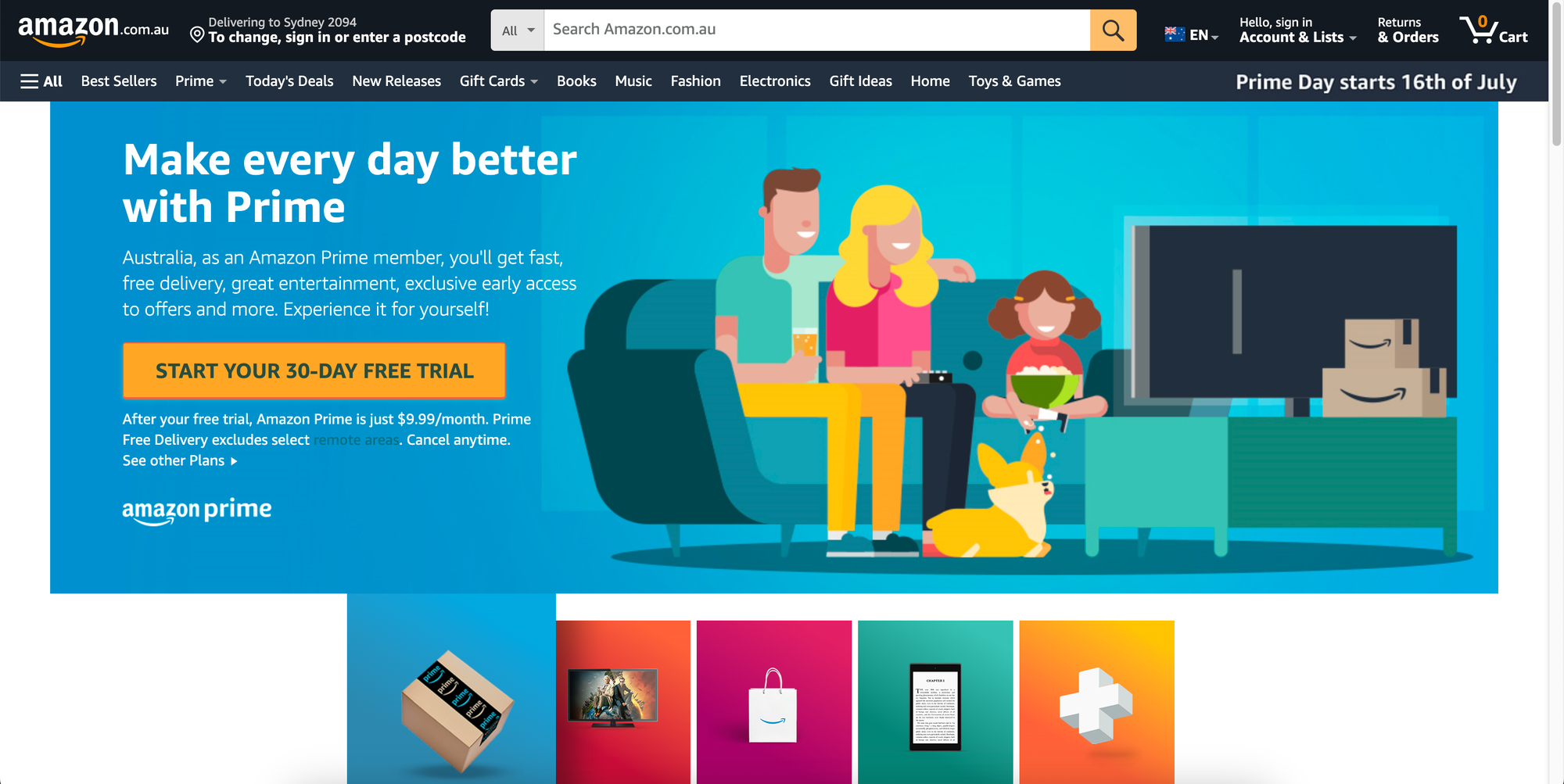
The most common and widely accessible route to a free trial is the standard 30-day offer. This is typically available to new customers who have not had a Prime membership or free trial in the past 12 months. To access it, you simply visit the Amazon Prime sign-up page, look for the “Start your 30-day free trial” option, and follow the prompts. You will be required to provide a valid payment method, but rest assured, you won’t be charged until the trial period concludes. This initial registration is a crucial step in managing your financial commitment to Amazon, as it sets the stage for future charges if you don’t cancel.
Student Discounts and Specialized Programs: Extended Savings
For students, Amazon extends an even more generous offer: a six-month free trial of Prime Student. This extended trial is a significant financial boon, providing all the core Prime benefits for half a year, followed by a discounted membership rate. To qualify, students need a valid .edu email address or other proof of enrollment. This program is a prime example of how Amazon targets specific demographics with tailored financial incentives, acknowledging the budget constraints often faced by students. Beyond students, Amazon occasionally offers other specialized programs, such as discounts for those on qualifying government assistance programs, further demonstrating their tiered approach to membership access and affordability. Always check Amazon’s current promotions page to see if you qualify for any extended or discounted trial periods.
Leveraging Household Sharing for Maximum Value
Another often-overlooked financial strategy is Amazon Household. This feature allows two adults and up to four children to share many of the Prime benefits, including free shipping, Prime Video, and Kindle Owners’ Lending Library. While it doesn’t extend your individual free trial, it means that if one person in your household is already a Prime member (or on a free trial), others can potentially piggyback on those benefits without needing their own separate trial or subscription. From a household budget perspective, this is an incredibly efficient way to maximize the value of a single membership, preventing redundant subscriptions and optimizing collective savings. During a free trial, you can experiment with this sharing to see if the household value justifies a full subscription later.
Payment Methods and What to Expect
When signing up for a free trial, Amazon requires a valid credit or debit card. This is standard practice across most subscription services and serves two primary purposes: verifying your identity and ensuring a seamless transition to a paid membership if you choose not to cancel. It’s imperative for the financially conscious consumer to understand that unless you cancel before the trial period ends, you will be automatically charged for the next period (either monthly or annually, depending on your selection). Treat this payment information as a financial commitment pending your explicit decision. During your trial, you can always change your payment method or update billing information through your Amazon account settings.
Maximizing Your Free Trial Period: A Financial Optimization Playbook
A free trial isn’t just a passive period of access; it’s an active opportunity for financial evaluation. To truly maximize the monetary benefits and make an informed decision, you need a strategic approach.
Planning Your Purchases and Service Consumption
Don’t wait until the last minute to utilize your free trial. Strategically plan any anticipated Amazon purchases within this 30-day window to leverage the free expedited shipping. This could mean consolidating multiple smaller purchases or timing a larger item acquisition. Similarly, make an active effort to explore Prime Video, Prime Music, and Prime Reading. Watch a few movies, stream some albums, and download an e-book or two. The goal isn’t just enjoyment; it’s to determine if these services offer enough value to replace existing entertainment subscriptions or if they would genuinely enhance your life in a way you’d be willing to pay for. Quantify how much you might save on shipping or entertainment by using Prime exclusively during this period.
Exploring All Prime Features Without Commitment
Beyond the main attractions, take time to delve into lesser-known Prime benefits. Does Prime Wardrobe appeal to you as a way to try clothes before buying, reducing return shipping hassles? Could Amazon Fresh or Whole Foods Market deliveries save you time and potentially money on groceries? What about Twitch Prime benefits for gamers? Every feature you explore adds data to your personal financial calculation of Prime’s worth. The trial is your chance to experiment freely, identifying which aspects truly align with your needs and which are superfluous. Documenting your usage and perceived value can be a powerful tool for your post-trial assessment.
Setting Reminders and Avoiding Unwanted Charges
This is perhaps the most critical step in financially optimizing your free trial. Many consumers unwittingly transition from a free trial to a paid subscription simply because they forget to cancel. As soon as you sign up, set multiple reminders on your calendar, phone, or preferred task manager a few days before the trial’s expiration date. Amazon typically sends an email notification a few days before charging you, but don’t rely solely on that. The goal is to make a conscious financial decision—either to continue paying or to cancel—rather than letting an automatic charge dictate your spending. This proactive approach ensures you maintain full control over your personal finance budget.
Making an Informed Decision: To Subscribe or Not to Subscribe?
The end of your free trial marks a pivotal moment for a financially sound decision. This is where your diligent exploration and planning pay off.
Calculating Your Personal ROI (Return on Investment)
Before committing to the annual or monthly fee, perform a clear-eyed return on investment (ROI) calculation specific to your usage.
-
Quantify Shipping Savings: Estimate how much you saved on shipping fees during the trial period by using Prime. Project this over a year based on your typical shopping habits.
-
Value Entertainment Replacements: If Prime Video replaced a Netflix subscription, or Prime Music replaced Spotify, factor in those monthly savings. Even if it didn’t fully replace them, consider the monetary value of additional entertainment.
-
Discount Savings: Tally up any savings from Prime-exclusive deals or early access.
-
Other Benefits: Assign a perceived monetary value to benefits like photo storage, Prime Reading, or convenience services if you truly used and valued them.
Compare this total estimated annual savings against the actual annual cost of Amazon Prime. If your estimated savings significantly outweigh the cost, then Prime offers a positive ROI for you. If not, the subscription might be a financial drain rather than a benefit.
Alternative Solutions for Specific Needs (e.g., Shipping, Streaming)
If your ROI calculation suggests Prime isn’t worth the full price, consider alternative solutions for your specific needs. Do you mostly just need free shipping? Many retailers offer free shipping over a certain order threshold, or you might find better deals elsewhere. Is it primarily for streaming? There’s a vast landscape of dedicated streaming services, many offering more specialized content for a lower price than Prime’s overall cost. By pinpointing your core needs, you can often find more cost-effective, standalone services that avoid the bundling “bloat” of a comprehensive subscription like Prime. This granular approach to evaluating services is a hallmark of sophisticated personal finance management.
The Long-Term Financial Impact of Subscription Services
Beyond Amazon Prime, this decision-making process should inform your broader approach to subscription services. Each monthly or annual fee, no matter how small, adds up. Regularly auditing your subscriptions for usage and value is crucial. Are you still using that gym membership? Do you genuinely engage with all your streaming services? Prime serves as an excellent case study for applying critical financial thinking to all recurring expenditures. A single subscription might seem negligible, but collectively, they can form a significant portion of a household budget. The free trial empowers you to make an informed, non-emotional financial choice.
Managing Your Prime Membership Post-Trial
Whether you choose to subscribe or cancel, effectively managing your relationship with Amazon Prime is an ongoing financial task.
Cancelling Your Membership Gracefully
If you decide Prime isn’t for you, cancelling is straightforward. Navigate to “Your Prime Membership” in your Amazon account, and look for the option to “End Membership” or “Cancel Free Trial.” Amazon often presents several options before you fully cancel, such as switching to a monthly plan or receiving an email reminder before renewal. Be firm in your decision if your ROI calculation didn’t justify the cost. Cancelling correctly ensures no unexpected charges appear on your statement, upholding your financial control.
Re-evaluating Your Needs Annually
Even if you subscribe, make it a practice to re-evaluate your Prime membership annually, or at least before each renewal. Have your shopping habits changed? Are you still utilizing the entertainment features? Has Amazon added new benefits that increase its value to you, or have some become redundant? The digital service landscape is fluid, and your needs can evolve. A quick annual review ensures you’re not paying for a service you no longer fully utilize, a common pitfall in personal finance.

Utilizing Gift Memberships as a Financial Strategy
For those who occasionally need Prime but don’t want a full annual commitment, or for gifting purposes, gift memberships offer a unique financial strategy. You can purchase a 3-month or 12-month Prime gift membership, which is a one-time charge. This can be a smart way to get Prime benefits for a specific period (e.g., during holiday shopping season) without linking your payment method to an auto-renewing subscription. It’s a way to enjoy Prime’s financial benefits on your own terms, aligning perfectly with a controlled spending strategy.
In conclusion, the Amazon Prime free trial is far more than just a convenience; it’s a valuable financial tool. By approaching it with a strategic mindset—understanding its true worth, exploring all its facets, and meticulously evaluating its financial return—consumers can transform a simple subscription offer into an insightful lesson in personal finance. Whether you choose to subscribe or not, the experience will empower you to make more informed decisions about your digital expenditures, ensuring every dollar spent, or saved, is intentional and aligned with your financial goals.
aViewFromTheCave is a participant in the Amazon Services LLC Associates Program, an affiliate advertising program designed to provide a means for sites to earn advertising fees by advertising and linking to Amazon.com. Amazon, the Amazon logo, AmazonSupply, and the AmazonSupply logo are trademarks of Amazon.com, Inc. or its affiliates. As an Amazon Associate we earn affiliate commissions from qualifying purchases.