
The Amazon Rainforest, a colossal natural wonder often dubbed the “lungs of the Earth,” spans an area so vast that its ecological significance is matched only by its profound economic implications for the nations it encompasses. Beyond its role as a biodiversity hotspot and a critical regulator of global climate, the Amazon represents an intricate financial ecosystem, offering a wealth of natural capital while simultaneously posing immense economic challenges related to sustainable development, resource management, and conservation. Understanding which countries share this invaluable treasure is merely the first step; a deeper dive reveals the complex financial interplay that shapes their economies and the fate of the rainforest itself.

The Geographic Footprint and Its Economic Significance
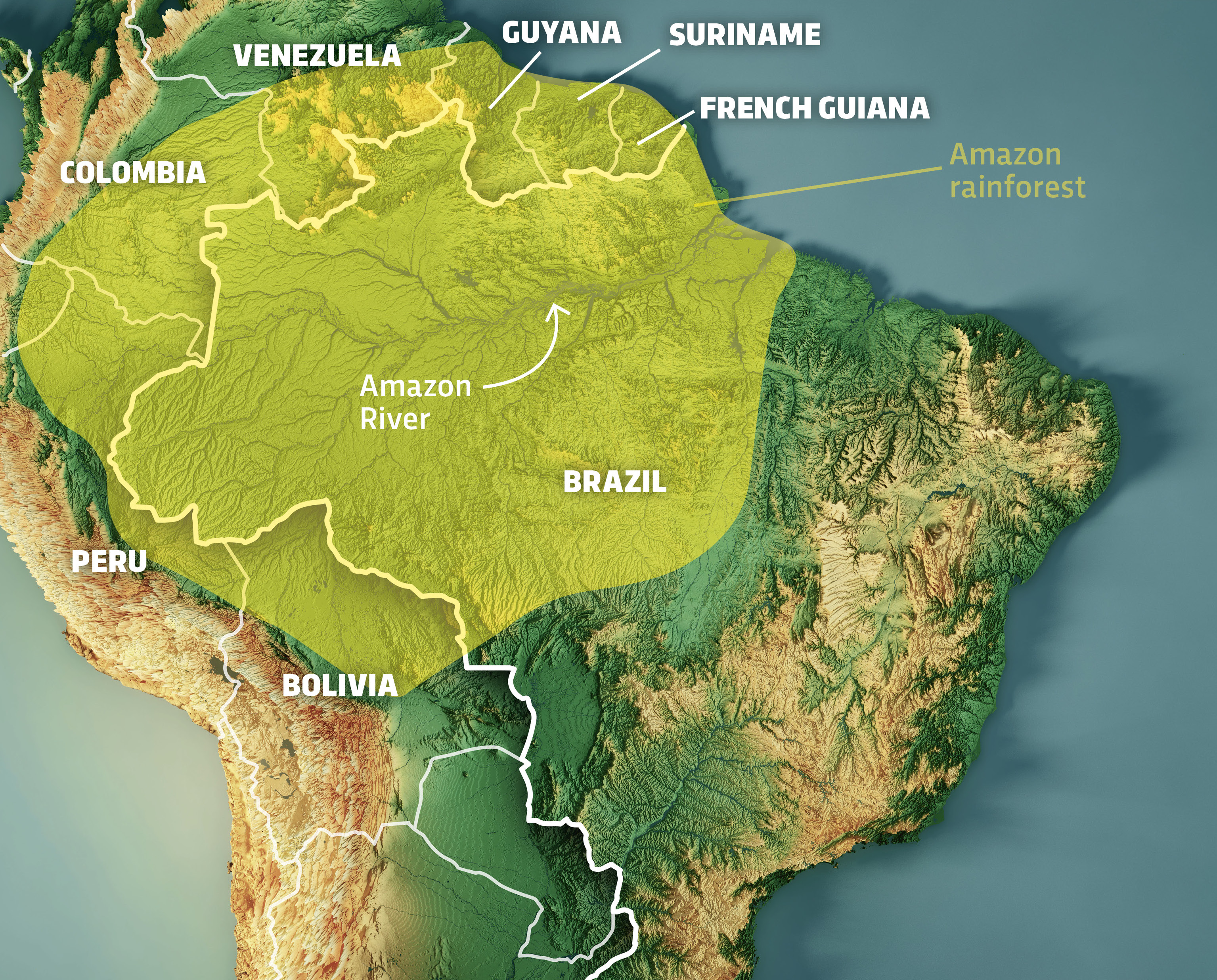
The Amazon Basin covers approximately 6.7 million square kilometers, an area roughly two-thirds the size of the United States. This immense territory is shared among nine South American nations, each with a unique relationship to the forest’s resources, varying economic priorities, and distinct financial challenges in balancing development with preservation.
A Multisectoral Economic Engine
For the countries within its embrace, the Amazon is far more than just a forest; it’s a multisectoral economic engine. Historically, its contribution to national economies has been tied to raw material extraction: timber, minerals (gold, iron ore, bauxite), and oil and gas. However, its economic influence extends much further, encompassing agriculture, hydroelectric power generation, and nascent but growing sectors like sustainable tourism and bio-businesses. The sheer scale of its rivers provides crucial transportation arteries for goods and people, facilitating trade and connectivity across remote regions. The value embedded in its genetic resources for pharmaceuticals and biotechnology represents a frontier yet to be fully capitalized, promising future financial returns if managed sustainably.
The Countries in Focus: A Financial Snapshot
The nine nations sharing the Amazon are Brazil, Peru, Colombia, Ecuador, Bolivia, Guyana, Suriname, Venezuela, and French Guiana (an overseas department of France). Each approaches the economic opportunities and conservation imperative with distinct strategies and financial capacities.
-
Brazil: Home to approximately 60% of the Amazon, Brazil’s economy is heavily influenced by Amazonian resources. Its agricultural frontier (soy, cattle) has driven significant deforestation, reflecting powerful financial incentives. Conversely, it holds immense potential for carbon markets and large-scale sustainable infrastructure projects, requiring substantial foreign direct investment and green finance.
-
Peru: With its Amazonian region rich in biodiversity and indigenous cultures, Peru has a growing focus on ecotourism and sustainable forest products. However, illegal gold mining and oil exploration present significant financial challenges and environmental threats, often operating outside formal economic structures.
-
Colombia: Post-conflict, Colombia faces the dual challenge of reasserting state control and fostering economic development in its Amazonian territories. Sustainable agriculture, carbon sequestration projects, and indigenous-led businesses are crucial for integrating these regions into the national economy and providing alternatives to illicit economies.
-
Ecuador: Oil extraction in its Amazon region has long been a cornerstone of Ecuador’s economy. The financial balancing act between hydrocarbon revenues and the global call for biodiversity preservation is a critical national debate, exemplified by initiatives like the Yasuní-ITT proposal which sought international compensation for not drilling.
-
Bolivia: Bolivia’s Amazonian areas are vital for agriculture and timber, alongside significant gas reserves. The country grapples with ensuring equitable distribution of resource wealth while protecting indigenous territories and forest integrity, often relying on international funding for sustainable development projects.
-
Guyana & Suriname: These smaller, high-forest, low-deforestation (HFLD) countries possess pristine Amazonian forests. Their economies are transitioning from reliance on mining and timber towards leveraging their natural capital for carbon credits and sustainable forestry, attracting significant international climate finance.
-
Venezuela: The Amazonian part of Venezuela holds vast mineral resources (e.g., gold in the Orinoco Mining Arc) and is ecologically sensitive. Economic instability and governance challenges make sustainable management and financial investment in the region particularly complex and high-risk.
-
French Guiana: As part of France, French Guiana benefits from European Union funding and environmental regulations. Its Amazonian forest is largely protected, and its economy is driven by the European Spaceport, tourism, and sustainable resource management, showcasing a different financial model for conservation within the Amazon.
Valuing the Unseen: The Amazon’s Financial Ecosystem
The true economic value of the Amazon extends far beyond the commodities extracted from it. Its natural capital provides irreplaceable ecosystem services that underpin global economies, making its preservation a financial imperative, not just an environmental ideal.
Natural Capital and Ecosystem Services
Natural capital refers to the world’s stocks of natural assets which include geology, soil, air, water and all living things. From this natural capital, humans derive a wide range of services, often called ecosystem services. In the Amazon, these services include:
-
Climate Regulation: The rainforest acts as a massive carbon sink, absorbing vast quantities of atmospheric CO2 and mitigating global warming. The financial cost of replacing this service, or the economic damage from climate change exacerbated by deforestation, is staggering.
-
Water Cycling: The Amazon basin generates its own rainfall, influencing precipitation patterns across South America and beyond, impacting agriculture and water security in distant regions. The economic value of this water provisioning service for agriculture, industry, and human consumption is immense.
-
Biodiversity: The genetic library of the Amazon holds untold potential for new medicines, agricultural crops, and industrial processes. The financial return on future discoveries could be colossal, making biodiversity a critical, albeit often unquantified, financial asset.
-
Soil Fertility: The forest contributes to soil health, vital for both natural ecosystems and agricultural productivity.
These services, though often unpriced in traditional markets, represent an enormous financial value. Their degradation through deforestation and unsustainable practices imposes significant economic costs, both locally and globally, in terms of lost productivity, increased disaster risks, and public health impacts.
The Promise of Carbon Markets and Sustainable Finance
The recognition of the Amazon’s global environmental services has given rise to innovative financial mechanisms aimed at valuing and preserving its natural capital.
-
Carbon Markets: Initiatives like REDD+ (Reducing Emissions from Deforestation and Forest Degradation) seek to create financial value for standing forests by allowing countries or projects that reduce deforestation to sell carbon credits. This offers a direct economic incentive for conservation, turning a previously externalized environmental benefit into a tradable asset. The potential for Amazonian countries to earn significant revenues from robust, transparent carbon markets is substantial, attracting both public and private sector investment.
-
Green Bonds and Impact Investing: There’s a growing appetite among investors for financial products that generate both financial returns and positive environmental or social impact. Green bonds are increasingly used by Amazonian nations or entities within them to fund sustainable projects, such as renewable energy, sustainable agriculture, or ecotourism infrastructure. Impact investors are channeling capital into bio-businesses, sustainable supply chains, and conservation enterprises that protect the rainforest while empowering local communities.
Economic Pressures and Financial Solutions for Sustainability
The Amazon faces constant economic pressures stemming from development demands, poverty, and global commodity markets. Addressing these requires a multi-faceted financial approach that promotes sustainable alternatives and strengthens governance.
The Dual Edge of Resource Extraction
Industries like logging, mining, and oil & gas extraction have historically been major contributors to the GDPs of Amazonian nations, generating employment and export revenues. However, the short-term financial gains often come at immense long-term environmental and social costs. Illegal logging and mining, in particular, represent significant financial losses for national treasuries (due to unpaid taxes and royalties) while fueling environmental destruction and social conflict. The challenge lies in developing financial frameworks that disincentivize destructive extraction and internalize its true costs, while simultaneously supporting legitimate, responsible operations that adhere to stringent environmental and social safeguards. This often involves innovative financing for restoration and reclamation of degraded lands.
Diversifying Amazonian Economies: Ecotourism and Bio-businesses
To move beyond destructive resource extraction, Amazonian countries are exploring sustainable economic diversification.
-
Ecotourism: The unparalleled biodiversity and cultural richness of the Amazon present a significant opportunity for high-value, low-impact ecotourism. Investment in responsible lodges, trained local guides, and community-based tourism initiatives can generate substantial revenues, create jobs, and provide direct financial incentives for local communities to protect their natural assets. Financial tools like micro-loans for small tourism enterprises and partnerships with international tour operators are crucial for scaling this sector.
-
Bio-businesses: The sustainable harvesting and processing of non-timber forest products, such as açaí, Brazil nuts, rubber, and medicinal plants, offer pathways to generate income while preserving the forest. Developing value chains, securing market access, and providing financial and technical support to smallholder farmers and indigenous communities are key to unlocking the full economic potential of these bio-businesses. This often requires investment in processing facilities, certification, and marketing.
International Financial Aid and Investment for Conservation
The global significance of the Amazon has prompted considerable international financial aid and investment. Multilateral development banks (e.g., World Bank, Inter-American Development Bank), bilateral aid agencies, and large philanthropic foundations provide grants, concessional loans, and technical assistance for conservation programs, sustainable development projects, and capacity building. These financial flows are crucial for bridging funding gaps, catalyzing local initiatives, and supporting policy reforms aimed at sustainable land use and economic development within the Amazon basin. Mechanisms like debt-for-nature swaps, where a portion of a country’s foreign debt is forgiven in exchange for commitments to environmental protection, also play a role in freeing up financial resources for conservation.
Navigating the Future: Financial Strategies for Preservation and Prosperity
The future of the Amazon and its constituent countries hinges on the ability to develop and implement robust financial strategies that ensure both ecological preservation and economic prosperity.
Policy Frameworks for Economic Sustainability
Strong policy frameworks are fundamental. This includes clear land tenure rights, effective enforcement against illegal activities, fiscal incentives for sustainable practices (e.g., tax breaks for certified sustainable agriculture, reduced royalties for responsible mining), and disincentives for deforestation (e.g., carbon taxes, fines). Crucially, these policies must be backed by transparent governance and adequate financial resources for monitoring, compliance, and enforcement, often requiring international technical and financial support. Creating national and regional development banks with a mandate for green financing can further channel capital towards sustainable Amazonian economies.

Empowering Local Communities Economically
Indigenous communities and traditional populations are often the most effective stewards of the Amazon. Financially empowering them through land titling, direct payments for ecosystem services, and support for their self-governed sustainable economic activities is paramount. This includes providing access to capital, training in business management, and market linkages for their products. Their economic well-being is intrinsically linked to the health of the forest, creating a powerful financial incentive for conservation at the grassroots level.
In conclusion, the question “which countries are in the Amazon Rainforest” opens a gateway to understanding a complex tapestry of economic realities and financial opportunities. The Amazon is not just a geographical entity but a vast reservoir of natural capital whose services are of immense, often unquantified, financial value. For the nations sharing this treasure, the challenge is to move beyond short-term extractive gains towards innovative financial models that value ecosystem services, promote sustainable economic diversification, and channel investments into solutions that secure both the rainforest’s future and the prosperity of its people. The global community, through sustainable finance and international cooperation, plays a vital role in supporting these Amazonian nations in their pursuit of a greener, more equitable economic future.
aViewFromTheCave is a participant in the Amazon Services LLC Associates Program, an affiliate advertising program designed to provide a means for sites to earn advertising fees by advertising and linking to Amazon.com. Amazon, the Amazon logo, AmazonSupply, and the AmazonSupply logo are trademarks of Amazon.com, Inc. or its affiliates. As an Amazon Associate we earn affiliate commissions from qualifying purchases.