
In the realm of modern commerce, Amazon stands as an undisputed titan, offering an unparalleled selection of products delivered directly to our doorsteps. However, the convenience often comes with an implicit cost: shipping fees. For many consumers, these seemingly minor charges can accumulate quickly, silently eroding budgets and diminishing the perceived value of online bargains. Understanding how to navigate Amazon’s shipping policies and consistently secure free delivery is not just a trick; it’s a fundamental strategy for savvy personal finance, transforming casual shopping into a meticulously planned exercise in cost optimization. This guide delves into the various methods available to consumers, both Prime and non-Prime members, to ensure that the only price you pay is for the item itself.

Understanding Amazon’s Shipping Landscape
Before diving into strategies, it’s crucial to grasp the mechanics of Amazon’s shipping operations. The company’s vast logistical network is a marvel, but its cost structure is designed to encourage certain purchasing behaviors. Dissecting these elements reveals the financial levers at play for both Amazon and its customers.
The Cost of Convenience: Why Shipping Matters
For many, the allure of online shopping is rooted in convenience. A few clicks replace a trip to multiple stores, saving time, gas, and effort. Yet, this convenience isn’t free. Shipping and handling charges represent the cost of that logistical chain, from warehouse picking to final delivery. While individually small, these fees can quickly add up, especially for frequent shoppers. A $5 shipping fee on a $20 item represents a 25% surcharge – a significant percentage that can negate any perceived discount. Over the course of a year, even a few such charges can amount to hundreds of dollars, money that could otherwise be saved, invested, or allocated to other financial goals. From a personal finance perspective, minimizing these avoidable costs is paramount to effective budget management.
Amazon’s Standard Shipping Policies Explained
Amazon primarily offers two tiers of shipping: Prime and non-Prime. For non-Prime members, free shipping is typically contingent on meeting a minimum order threshold. This threshold varies by product category and region, but historically it has hovered around $25 for eligible items. Items must be “fulfilled by Amazon” or “sold by Amazon.com” to qualify. Third-party sellers on the Amazon marketplace often have their own shipping policies, which may or may not align with Amazon’s free shipping thresholds. Understanding these nuances is key to avoiding unexpected charges. The default “Standard Shipping” for non-Prime members can take 5-8 business days, a trade-off for the cost savings. For Prime members, the landscape is dramatically different, offering expedited shipping at no additional per-order cost.
The Hidden Costs of Not Optimizing Shipping
Beyond the direct shipping fee, there are hidden financial costs associated with not optimizing your Amazon purchases. Impulse buying to hit a free shipping threshold with unwanted items is a common trap. Paying for shipping on items that could have qualified for free delivery is another. Furthermore, the psychological impact of seeing shipping charges can lead to buyer’s remorse, influencing future purchasing decisions or creating a perception of poor value. Strategically planning purchases to consolidate orders or meet minimums helps avoid these pitfalls, ensuring every dollar spent goes directly towards desired products rather than logistical overheads.
Leveraging Amazon Prime for Consistent Savings
For frequent Amazon shoppers, Amazon Prime often presents the most straightforward path to consistent free shipping. However, the decision to subscribe should always be rooted in a sound financial analysis, weighing the annual fee against the tangible and intangible benefits.
Is Amazon Prime Worth the Investment? A Financial Analysis
Amazon Prime comes with an annual or monthly subscription fee. For this fee, members receive unlimited free two-day shipping on millions of eligible items, along with various other perks. To determine if Prime is a financially sound investment, a simple calculation is required. Estimate how many times you anticipate ordering from Amazon in a year, and what the average shipping cost would be per order if you weren’t a Prime member. If the total hypothetical shipping costs (plus the value you assign to other Prime benefits like streaming or discounts) exceed the Prime membership fee, then it’s a worthwhile investment. For example, if you typically pay $5 per shipment and order more than 20 times a year, the shipping savings alone could justify the cost. Furthermore, Prime often removes the mental barrier of small purchases, enabling consumers to buy single, low-cost items without fretting over shipping fees, which can paradoxically lead to greater overall savings by preventing larger, consolidated impulse buys.
Beyond Free Two-Day Shipping: Additional Prime Perks
While free expedited shipping is the headline benefit, Prime offers a suite of additional services that can enhance its financial value proposition. These include:
-
Prime Video: Access to a vast library of movies and TV shows, potentially replacing other streaming subscriptions.
-
Prime Music: Ad-free access to millions of songs.
-
Prime Reading: A rotating selection of free ebooks, magazines, and comics.
-
Whole Foods Market Discounts: Exclusive savings at Whole Foods and 5% back with the Amazon Prime Rewards Visa Card.
-
Amazon Photos: Unlimited full-resolution photo storage.
-
Early Access to Deals: Prime members often get a head start on Amazon’s lightning deals and Prime Day sales, which can lead to significant savings on specific items.
Each of these benefits, if utilized, adds incremental value to the Prime membership, making the annual fee more justifiable from a holistic financial perspective.
Maximizing Your Prime Membership for Everyday Purchases
To truly maximize the financial return on a Prime membership, integrate it into your everyday purchasing habits. Think beyond large purchases. For example, subscribe and save options on recurring household items (toiletries, pet food, cleaning supplies) often come with additional discounts and free shipping, further compounding savings. Use Prime for pantry staples or last-minute needs that would otherwise incur a separate trip to a physical store, saving on gas and impulse buys. Be mindful of Prime-exclusive deals and leverage your membership to compare prices effectively, knowing that the shipping cost variable has been eliminated.
Strategies for Non-Prime Members to Secure Free Shipping
Even without a Prime subscription, free shipping from Amazon is entirely attainable. It requires a more strategic approach to shopping, focusing on meeting specific criteria and leveraging available programs.
Reaching the Minimum Purchase Threshold
The most common method for non-Prime members to get free shipping is by meeting Amazon’s minimum order value, typically around $25 for eligible items. This requires a shift in purchasing habits. Instead of buying a single item when needed, consider consolidating your purchases. Make a shopping list of non-urgent items you’ll need over the next few weeks or months. When your accumulated list reaches or exceeds the threshold, place a single order. This method demands foresight and planning, aligning perfectly with sound personal finance principles of budgeting and thoughtful spending.
Utilizing Amazon’s Add-on Items Program

Amazon’s Add-on Items are typically small, low-priced items that would be uneconomical to ship on their own. They can only be purchased as part of an order that includes at least $25 of “fulfilled by Amazon” items. These items are clearly marked and can be an excellent way to push your cart value just over the free shipping threshold without buying something you don’t genuinely need. Stock up on frequently used, inexpensive items like pens, small snacks, or specific cleaning supplies that qualify as Add-on Items, thereby leveraging them to secure free shipping on your primary purchases.
Exploring Free Shipping Offers and Promotions
Amazon regularly runs promotions that include free shipping on specific categories, brands, or individual items, regardless of Prime status or order value. Keep an eye out for these banners on the Amazon homepage or within product listings. Subscribing to Amazon’s promotional emails can also alert you to such opportunities. During major sales events like Black Friday or Cyber Monday, free shipping without a minimum is often a featured perk. Taking advantage of these limited-time offers requires vigilance but can yield significant savings.
The “Slower Shipping” Incentive: Trading Time for Savings
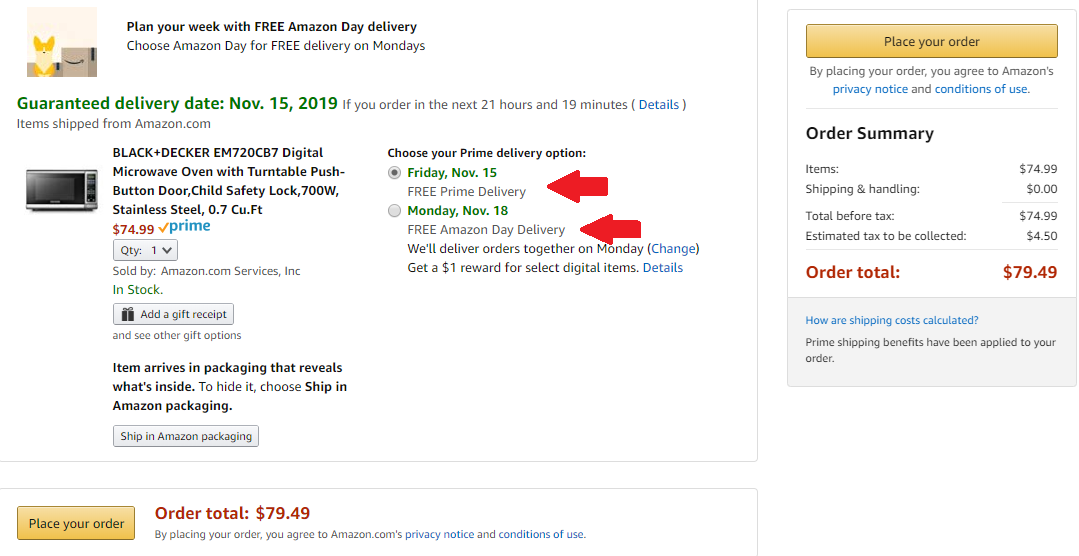
Occasionally, Amazon offers a small discount or a digital credit (e.g., for Prime Video or digital music) if Prime members choose a slower shipping option instead of their standard two-day delivery. While this doesn’t directly offer “free shipping” in the traditional sense, it monetizes the choice of slower delivery, essentially giving you a financial kickback for being patient. For non-urgent purchases, this is a smart way to squeeze additional value out of your orders. Non-Prime members already typically receive slower shipping, but Prime members can leverage this to gain small, cumulative financial benefits.
Creative Approaches and Advanced Tips for Shipping Optimization
Beyond the standard methods, several advanced strategies can help both Prime and non-Prime members further optimize their shipping costs and enhance their overall financial experience with Amazon.
Consolidating Orders for Maximum Efficiency
This tip is a cornerstone of smart Amazon shopping. Whether you’re a Prime member looking to reduce package waste or a non-Prime member trying to hit a threshold, consolidating orders is key. Maintain an “Amazon Wishlist” or “Save for Later” cart throughout the month. When you have multiple items ready, combine them into a single order. This not only guarantees free shipping for non-Prime users but also simplifies package tracking and reduces the environmental footprint of multiple deliveries. For Prime members, while shipping is “free,” consolidation minimizes potential delivery issues and simplifies receiving.
Leveraging Amazon Credit Cards for Shipping Benefits
The Amazon Prime Rewards Visa Signature Card offers 5% back on Amazon.com and Whole Foods Market purchases for Prime members. While this doesn’t directly grant free shipping, the cashback effectively reduces the net cost of your purchases, including any shipping fees you might incur (though Prime members typically won’t pay shipping). For non-Prime members, other Amazon credit cards might offer similar, albeit lower, cashback rates. The accumulation of cashback points acts as a subtle financial tool, offsetting expenses and rewarding loyalty, further optimizing your spending on the platform.
Utilizing Amazon Locker and Pick-up Options (Where Applicable)
In many urban and suburban areas, Amazon offers secure locker pick-up points or counter pick-up services at partner locations. While these options don’t typically change the free shipping eligibility, they offer a secure and convenient alternative to home delivery, especially for those with package theft concerns or who are frequently away from home. Ensuring secure delivery indirectly protects your financial investment in the items themselves, preventing the cost of replacement due to loss or theft.
The Art of Timing: When to Place Your Orders
Strategic timing can sometimes unlock unexpected shipping benefits. During major sales events (Prime Day, Black Friday, Cyber Monday, seasonal sales), Amazon often relaxes its shipping policies, offering free shipping on all orders or significantly lowering thresholds. Planning larger or non-urgent purchases around these periods can result in substantial savings. Additionally, being aware of “deal of the day” or “lightning deals” often means that items will be shipped for free, regardless of the usual criteria, encouraging swift action.
Long-Term Financial Benefits of Smart Amazon Shopping
Implementing these strategies for free shipping from Amazon isn’t just about saving a few dollars on a single order; it’s about cultivating a financially disciplined approach to online shopping that yields significant long-term benefits.
Cumulative Savings: Small Wins Add Up
The power of compound interest isn’t just for investments; it applies to savings too. Consistently avoiding shipping fees, even if they are just $5-$10 per order, can result in hundreds of dollars saved over a year. This cumulative saving directly impacts your disposable income. That extra money can be reallocated to debt reduction, emergency funds, investment accounts, or meaningful experiences, thus improving your overall financial health. Viewing each instance of free shipping as a small financial win encourages more conscious spending habits.
Budgeting and Planning Your Amazon Purchases
The most effective free shipping strategies—consolidating orders, reaching thresholds, leveraging Prime—all demand a degree of planning and foresight. This naturally leads to better budgeting practices. Instead of impulse buying and incurring immediate shipping costs, you learn to prioritize needs, track upcoming purchases, and align them with your financial goals. This structured approach to spending on Amazon translates into greater control over your personal finances across the board, reducing wasteful spending and promoting intentional consumption.
The Broader Impact on Personal Finance
Mastering free shipping from Amazon is more than just a consumer hack; it’s a demonstration of astute personal finance management. It signifies an awareness of costs, a willingness to plan, and an ability to leverage available resources effectively. These are precisely the skills that underpin successful budgeting, saving, and investing. By consciously choosing to eliminate avoidable shipping costs, you reinforce a mindset of financial prudence that extends far beyond your Amazon cart, contributing to a stronger, more secure financial future.
In conclusion, free shipping from Amazon is not a myth but a tangible reality for every shopper, provided they adopt a strategic and financially aware approach. Whether through the comprehensive benefits of Amazon Prime or the meticulous planning required as a non-Prime member, the tools and tactics are available to transform shipping fees from an unavoidable expense into an entirely optional one. Embrace these strategies, and watch as your Amazon purchases become not just convenient, but also consistently cost-effective.
aViewFromTheCave is a participant in the Amazon Services LLC Associates Program, an affiliate advertising program designed to provide a means for sites to earn advertising fees by advertising and linking to Amazon.com. Amazon, the Amazon logo, AmazonSupply, and the AmazonSupply logo are trademarks of Amazon.com, Inc. or its affiliates. As an Amazon Associate we earn affiliate commissions from qualifying purchases.