
In the vast landscape of online retail, Amazon stands as a titan, offering an unparalleled selection of products ranging from everyday essentials to high-tech gadgets. For the astute consumer, Amazon is not merely a marketplace; it’s a fertile ground for significant savings. Navigating the sheer volume of options and ever-shifting prices can be daunting, but with a strategic approach rooted in sound financial principles, securing substantial discounts on Amazon is entirely achievable. This guide delves into the multi-faceted world of Amazon discounts, offering professional insights and actionable strategies to help you stretch your budget further and make every purchase a financially savvy decision.

Unlocking Amazon’s Intrinsic Discount Mechanisms
Amazon itself provides a robust ecosystem of tools and programs designed to offer price reductions. Understanding and actively utilizing these internal mechanisms is the first step towards becoming a master of Amazon discounts. These aren’t hidden secrets but often underutilized features that, when applied diligently, can lead to substantial savings over time.
Navigating Amazon Coupons and Promotional Codes
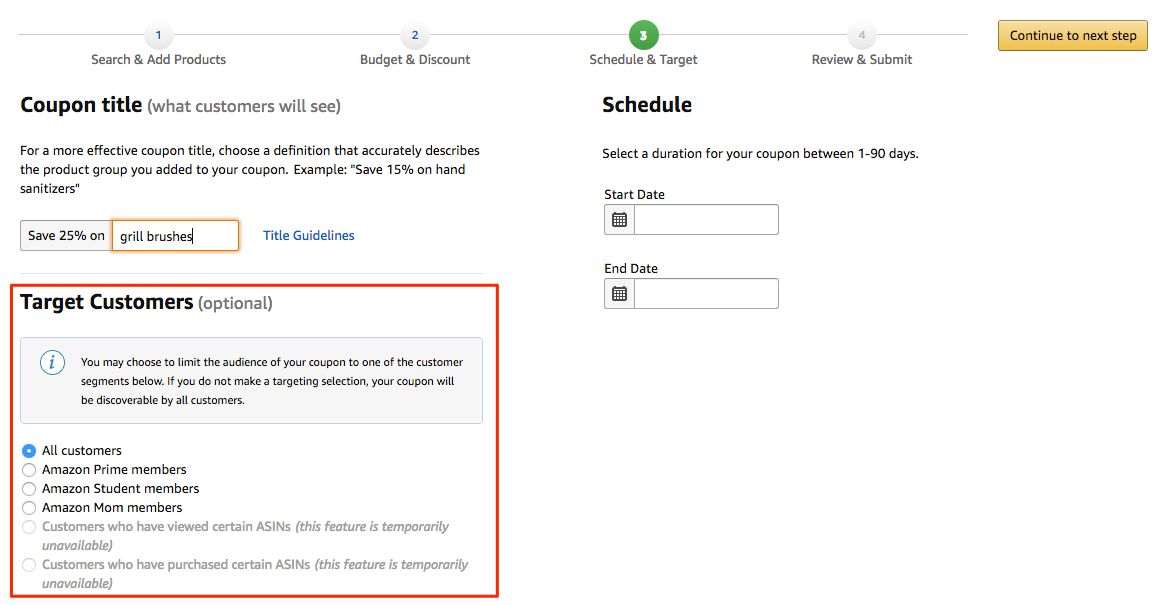
One of the most straightforward ways to save on Amazon is through its integrated coupon system. Amazon coupons are digital clips that apply discounts directly at checkout. You’ll find them scattered across product pages, on a dedicated “Amazon Coupons” page, or sometimes emailed directly to you. These can range from a few cents off to significant percentages, often for specific brands, product categories, or even everyday household items. Beyond the click-to-apply coupons, Amazon frequently releases promotional codes, often tied to specific events, new product launches, or partnerships. These codes require manual entry at checkout and can be found through various channels, including Amazon’s social media, email newsletters, or partner websites. Keeping an eye out for these, especially during major shopping seasons, can yield impressive savings.
The Value Proposition of Amazon Warehouse Deals and Renewed Products
For those comfortable with items that might have minor cosmetic imperfections, open-box status, or are factory refurbished, Amazon Warehouse Deals and Amazon Renewed offer excellent opportunities. Amazon Warehouse sells quality used, refurbished, or open-box items that have been returned, often at a significant discount. Each listing details the item’s condition (e.g., “Used – Like New,” “Used – Very Good,” “Used – Good,” “Used – Acceptable”), allowing you to make an informed decision. Similarly, Amazon Renewed focuses specifically on refurbished products, often electronics, that have been professionally inspected and tested to work and look like new, backed by a 90-day guarantee. These avenues are perfect for finding premium items – from electronics to home goods – at a fraction of their original price, provided you’re willing to accept a slight imperfection or a prior owner. This directly translates to more value for your money, a cornerstone of personal finance.
Maximizing Savings with Subscribe & Save
For frequently purchased consumables like groceries, pet supplies, personal care items, and household goods, Amazon’s Subscribe & Save program is a powerful financial tool. By committing to regular deliveries (monthly, bi-monthly, etc.), you automatically receive a discount on each item, typically 5% to 15%. The savings escalate further if you have five or more subscriptions arriving in the same month, often reaching the higher end of that percentage range. This not only offers consistent savings but also the convenience of automated delivery, ensuring you never run out of essentials while adhering to a predictable budget for these items. It’s a prime example of how a simple commitment can lead to compound savings over time, reinforcing prudent financial planning.
Discovering Bargains in Amazon Outlet and Daily Deals
Amazon Outlet is a lesser-known section of Amazon that specializes in overstock and clearance items. Think of it as Amazon’s digital bargain bin, offering significant discounts on items that are new but simply need to be moved out of inventory. From electronics and clothing to home decor and toys, the discounts here can be substantial. Complementing the Outlet are Amazon’s Daily Deals and Lightning Deals. Daily Deals typically last for 24 hours, featuring a single product or a small collection at a steep discount. Lightning Deals are time-sensitive promotions with a limited quantity, often lasting just a few hours or until all units are claimed. Monitoring these sections, especially during peak shopping events like Prime Day or Black Friday, can unearth incredible, fleeting opportunities for savings.
Leveraging Amazon Prime Member Exclusives
For millions worldwide, an Amazon Prime membership is an integral part of their online shopping experience. Beyond expedited shipping and entertainment, Prime offers exclusive financial benefits that savvy shoppers can leverage. Prime members gain early access to Lightning Deals, increasing their chances of snagging popular items before they sell out. The annual Prime Day sales event is exclusively for Prime members, featuring millions of deals across virtually all categories, often rivaling Black Friday in scope. Prime also offers special discounts on groceries at Whole Foods Market, credit card rewards programs that yield higher cashback on Amazon purchases, and even special discounts for students or SNAP EBT recipients, making the membership a significant value proposition for those who shop frequently on the platform.
Employing Savvy Shopping Strategies for Price Optimization
While Amazon’s internal features are a great starting point, a truly effective discount strategy involves proactive shopping behaviors and the intelligent use of external resources. These strategies go beyond simply clicking a coupon, empowering you to make data-driven decisions that ensure you’re getting the best possible price.
The Indispensable Role of Price Tracking Tools and Alerts
Amazon’s prices are notoriously dynamic, changing multiple times a day. Relying solely on the current displayed price is a common mistake. Enter price tracking tools like Keepa and Camelcamelcamel. These browser extensions and websites monitor Amazon product prices over time, displaying historical price charts that reveal trends, average prices, and peak discounts. By analyzing this data, you can discern whether a “deal” is genuinely good or if the item frequently drops to an even lower price. Crucially, these tools also allow you to set price alerts. You input your desired price, and when the item drops to or below that threshold, you receive an email notification, enabling you to act swiftly and secure the item at your budget-friendly price point. This proactive monitoring is a cornerstone of smart financial shopping.
Timing Your Purchases: Seasonal Sales and Event-Driven Discounts
Understanding Amazon’s sales cycle is paramount for maximizing discounts. Major events like Prime Day (typically July), Black Friday and Cyber Monday (November), and holiday sales (December) offer the deepest cuts across a wide array of products. Beyond these tentpole events, consider seasonal patterns: electronics often see discounts after new models are released, patio furniture goes on sale in late summer/early fall, and clothing often follows seasonal transitions. Even smaller, less publicized events like “Back to School” or “Spring Cleaning” sales can offer targeted discounts. Patience and strategic timing are virtues in the world of Amazon discounts, allowing you to align your purchases with the periods of maximum savings.
Strategic Bundling and Quantity Discounts
While individual product discounts are common, looking for bundling opportunities can yield even greater value. Sometimes, purchasing multiple related items together (e.g., a camera body with a lens, or a gaming console with a game) can result in a combined discount that wouldn’t be available on individual purchases. Similarly, some items, particularly household essentials or office supplies, offer “quantity discounts” where buying more units (even if not part of a formal “bundle”) reduces the per-unit cost. Always compare the per-unit price when considering larger quantities to ensure it truly represents a saving. This strategy aligns with bulk buying principles often employed in household budget management.
Exploiting Amazon Gift Card Opportunities
Amazon gift cards aren’t just for presents; they can be a shrewd financial tool. Often, retailers or loyalty programs offer discounted Amazon gift cards or bonus gift cards with other purchases. For instance, you might buy a $100 gift card for $90, immediately securing a 10% discount on your future Amazon purchases. Some credit card rewards programs allow you to redeem points for Amazon gift cards at a favorable rate, effectively converting your reward points into a discount. Additionally, Amazon itself occasionally runs promotions where buying a gift card (for yourself or others) yields a small bonus credit. Keeping an eye on these opportunities can provide a consistent, if modest, discount on every single item you purchase on the platform.
Harnessing Amazon Trade-In Programs
If you’re looking to upgrade certain electronics, Amazon’s Trade-In program offers a unique way to reduce the cost of your new purchase. You can trade in eligible devices like Kindle e-readers, Fire tablets, smart home devices, and even video games. In return, Amazon provides an Amazon Gift Card equal to the appraised value of your item, plus often an additional promotional discount towards a new device. This effectively lowers your out-of-pocket expense for an upgrade and responsibly recycles old electronics, combining financial prudence with environmental consciousness.
Integrating External Resources for Enhanced Savings
Beyond Amazon’s internal offerings and your strategic shopping habits, a wealth of external resources exists to further amplify your discount-finding prowess. These tools and programs leverage third-party partnerships and financial incentives to put more money back in your wallet.
Capitalizing on Cashback Portals and Browser Extensions
Cashback portals like Rakuten (formerly Ebates), TopCashback, or Swagbucks are invaluable for adding an extra layer of savings. Before making an Amazon purchase, visit one of these portals, click through to Amazon from their site, and you’ll earn a percentage of your purchase back as cashback. While the rates for Amazon can vary and sometimes be category-specific, these small percentages accumulate over time, adding up to significant savings. Complementing these are browser extensions like Honey, Capital One Shopping, or WikiBuy. These extensions automatically scan the internet for applicable coupon codes at checkout and compare prices with other retailers, ensuring you’re not missing out on a better deal elsewhere. Some even track price history directly on product pages. Integrating these simple tools into your shopping routine is a “set it and forget it” way to boost your savings without extra effort.
Leveraging Credit Card Rewards and Bank Offers
Your choice of payment method can significantly impact your overall savings. Many credit cards offer enhanced cashback or reward points for purchases made on Amazon. For example, the Amazon Prime Rewards Visa Signature Card offers 5% back on Amazon.com and Whole Foods Market purchases for Prime members. Other cards might offer rotating bonus categories that include online retailers, yielding 3-5% cashback during specific quarters. Beyond dedicated Amazon cards, many banks and credit card issuers have “card-linked offers” programs where you activate specific discounts (e.g., “10% back at Amazon, up to $15”) directly on your card before making a purchase. Carefully selecting and utilizing the right credit card for your Amazon transactions is a passive yet powerful way to generate continuous discounts and enhance your financial return on spending.
Exploring Discounted Gift Card Marketplaces
As mentioned earlier, purchasing discounted Amazon gift cards is a clever strategy. Websites like Raise, CardCash, or Gift Card Granny specialize in selling unwanted gift cards at a discount. You can often find Amazon gift cards ranging from 2% to 10% off their face value. While not always readily available for Amazon’s direct gift cards due to their high demand, these marketplaces are worth checking regularly. The key is to purchase these discounted cards and then use them for your Amazon purchases, effectively securing an instant percentage discount on your entire shopping cart. This requires a bit of planning, but the savings can be immediate and tangible.
Price Comparison Beyond Amazon: Ensuring the Best Deal
Even with Amazon’s vast inventory and competitive pricing, it’s a mistake to assume they always have the absolute lowest price. Before making a significant purchase, always perform a quick price comparison across other major retailers like Walmart, Target, Best Buy, or directly from the manufacturer’s website. Tools like Google Shopping, PriceGrabber, or the aforementioned browser extensions can automate much of this process. Sometimes, another retailer will offer a better price, a superior warranty, or free shipping without a membership. A true financially responsible shopper prioritizes the best overall value, regardless of the platform, ensuring every dollar spent achieves its maximum potential.
Cultivating a Fiscally Responsible Amazon Shopping Mindset
Ultimately, the most profound discount you can secure is the one you achieve through disciplined spending and mindful consumption. While external tools and internal mechanisms are powerful, they are most effective when paired with a thoughtful approach to your personal finances.
Budgeting and Mindful Consumption: Avoiding “Phantom Savings”
The allure of a discount can sometimes lead to impulse purchases of items you don’t genuinely need, creating “phantom savings.” Buying something at 50% off is not a saving if you wouldn’t have bought it otherwise. True savings come from purchasing necessary items at a reduced cost. A robust personal budget is your best defense against this trap. Allocate specific funds for discretionary spending, and stick to it. Before clicking “Add to Cart,” pause and ask yourself if the item aligns with your needs, your budget, and your long-term financial goals. This self-discipline is the most crucial discount strategy of all.
Diligence in Product Research: Reviews, History, and Value
A “good deal” on a poor-quality product is no deal at all. Before committing to a purchase, especially one driven by a discount, conduct thorough research. Read multiple customer reviews (paying attention to recent ones and critical feedback), check the seller’s rating, and verify the product’s specifications. Utilize those price tracking tools not just for current price alerts, but also to understand the product’s historical price fluctuations. A product that is always on sale might indicate an inflated original price. Understanding the true value and quality of an item ensures your discounted purchase will stand the test of time and truly serve its purpose, preventing the need for costly replacements.
Understanding Return Policies and Warranties: Protecting Your Investment
Even with the best intentions, a purchase might not meet expectations. Familiarize yourself with Amazon’s return policy and the specific return windows for different product categories. Understanding how to initiate a return, the conditions for free returns, and any potential restocking fees is critical. Furthermore, for electronics and higher-value items, always check the manufacturer’s warranty and whether Amazon or a third-party seller offers an extended warranty option. A good warranty provides peace of mind and protects your financial investment against defects or premature failure, ensuring your discounted item remains a cost-effective choice in the long run.
The Long-Term Financial Impact of Disciplined Discount Hunting
Mastering Amazon discounts isn’t just about saving a few dollars on a single purchase; it’s about embedding a financially savvy mindset into your overall spending habits. By consistently applying these strategies – from leveraging Amazon’s features and external tools to practicing mindful budgeting and diligent research – you cultivate a disciplined approach to consumerism. Over months and years, these consistent savings compound, freeing up funds for other financial goals, whether it’s building an emergency fund, investing for retirement, or saving for a significant life event. The journey to smart Amazon shopping is a microcosm of effective personal finance: it requires knowledge, planning, patience, and unwavering discipline. By embracing these principles, you transform every Amazon order into an opportunity for intelligent financial growth.
aViewFromTheCave is a participant in the Amazon Services LLC Associates Program, an affiliate advertising program designed to provide a means for sites to earn advertising fees by advertising and linking to Amazon.com. Amazon, the Amazon logo, AmazonSupply, and the AmazonSupply logo are trademarks of Amazon.com, Inc. or its affiliates. As an Amazon Associate we earn affiliate commissions from qualifying purchases.