
The question “how much for an Amazon account?” is far more nuanced than it appears at first glance. It delves deep into the financial ecosystem of one of the world’s largest online retailers, touching upon direct costs, intrinsic values, illicit markets, and legitimate monetization strategies. An Amazon account is not merely a digital login; it’s a gateway to a vast marketplace, a content library, cloud services, and potentially, a significant source of income or a substantial financial liability. Understanding its true worth requires dissecting its various financial dimensions, from the subscriptions you pay to the data it stores, and even the illicit prices it might fetch on the dark web.
This article will explore the multifaceted financial landscape surrounding an Amazon account, providing insights into its legitimate costs, its often-overlooked value, the financial risks associated with unauthorized transactions, and the legitimate avenues for financial gain it offers.
The Tangible Costs of Maintaining an Amazon Account
While creating a basic Amazon account is free, unlocking its full potential, or using it for business, often comes with clear, tangible costs. These expenditures are investments that unlock a broader range of services, benefits, and opportunities.
Amazon Prime: A Subscription’s Value Proposition
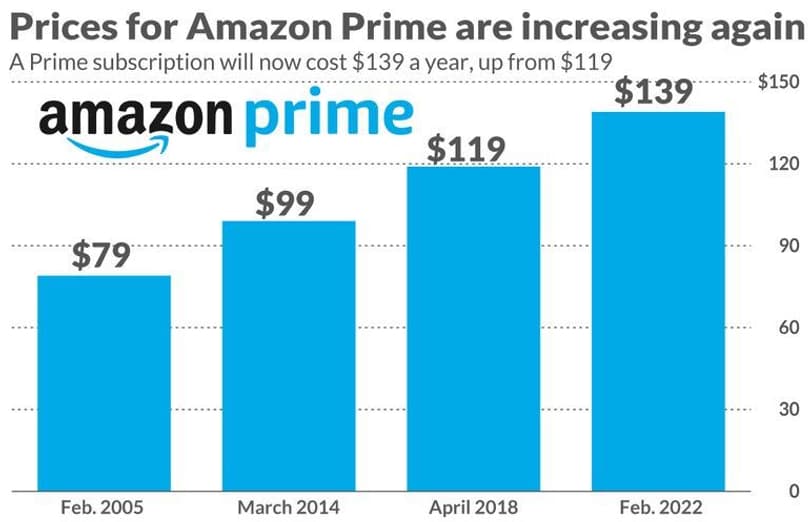
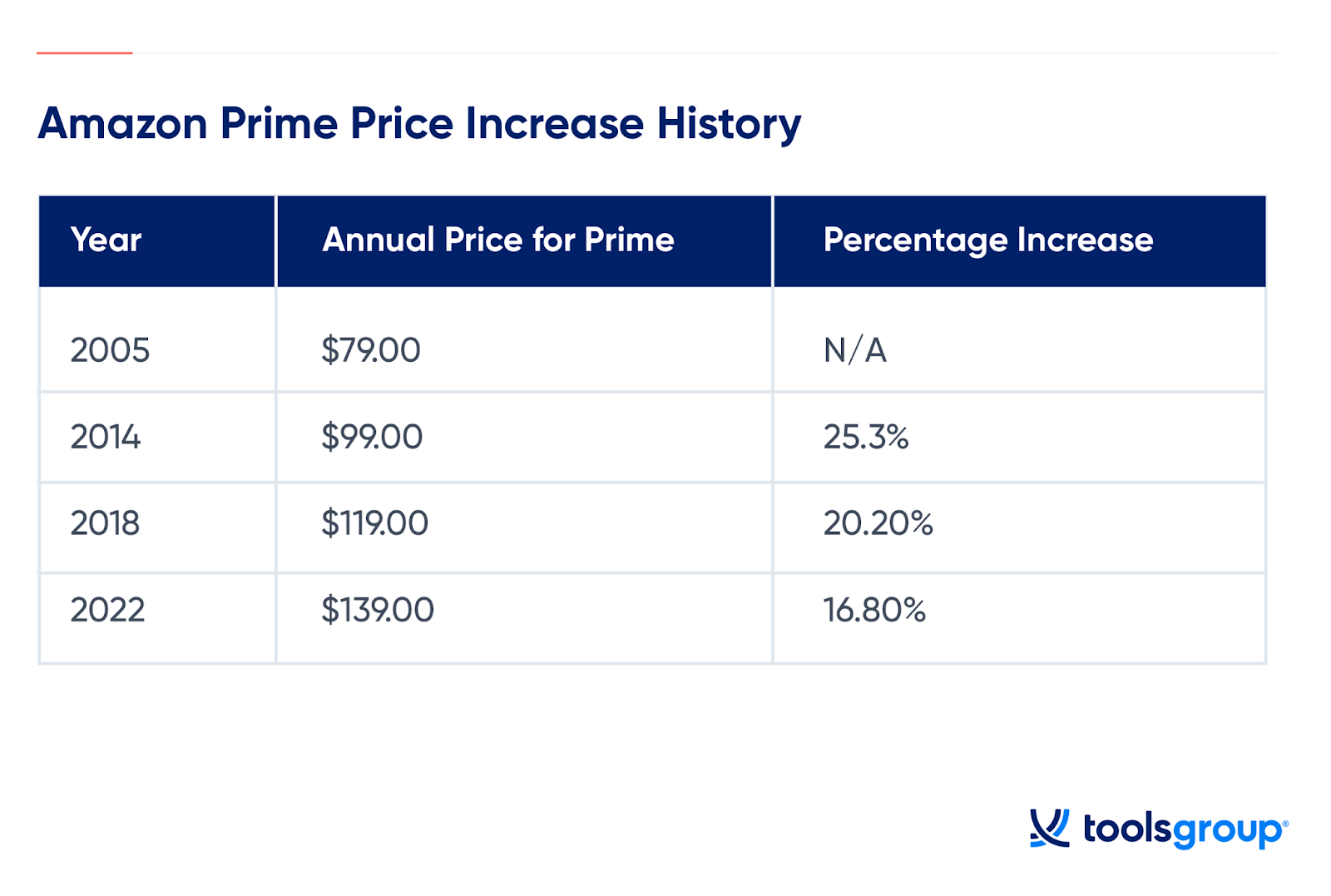
For many, the first significant financial outlay associated with an Amazon account is the Amazon Prime membership. Priced as a monthly or annual subscription, Prime offers a compelling bundle of benefits designed to enhance the consumer experience and encourage greater engagement with the Amazon ecosystem. The core benefit, expedited free shipping, directly impacts personal finance by reducing delivery costs and often influencing purchasing decisions towards Amazon.
Beyond shipping, Prime’s financial value extends to Amazon Prime Video, offering a vast library of movies and TV shows, potentially offsetting costs for other streaming services. Prime Music provides ad-free access to millions of songs, while Prime Gaming (formerly Twitch Prime) offers free games and in-game content. Other perks like exclusive deals, unlimited photo storage, and early access to Lightning Deals further consolidate its financial appeal. For a household, the aggregate savings and entertainment value can quickly surpass the subscription fee, making it a sound financial decision for frequent Amazon shoppers and digital content consumers. However, for infrequent users, the cost might outweigh the benefits, necessitating a financial review of its utility.
Seller Account Fees: The Business Investment
For entrepreneurs and businesses looking to leverage Amazon’s immense customer base, an Amazon Seller account is an indispensable tool. This, however, comes with its own set of financial commitments, transforming the account from a consumer utility into a core business asset. Amazon offers two primary selling plans: Individual and Professional.
The Individual plan incurs a per-item selling fee (plus referral fees and variable closing fees), making it suitable for those selling fewer than 40 items per month. It’s a lower-cost entry point, but the per-item charge can accumulate quickly. The Professional plan, on the other hand, charges a fixed monthly subscription fee, regardless of the number of items sold, in addition to referral fees and other potential charges. For high-volume sellers, the Professional plan is a more financially viable option, as the fixed monthly fee offers greater predictability and often includes access to advanced selling tools, reporting, and API integrations that are crucial for scaling an e-commerce operation.
Beyond these direct fees, sellers must also factor in costs related to Fulfillment by Amazon (FBA) – storage fees, fulfillment fees, and potentially long-term storage fees. These expenses are critical for inventory management and order fulfillment but add to the overall financial outlay of running an Amazon-centric business. Understanding these costs is paramount for setting competitive prices, managing profit margins, and ensuring the financial health of an Amazon-based venture.
Digital Services and Subscriptions: Beyond the Basic Account
An Amazon account can also be a hub for numerous other digital services and subscriptions, each carrying its own financial implication. From Kindle Unlimited, offering vast e-book and audiobook access, to Audible memberships for premium audio content, and various Amazon Channels that allow subscribers to add premium video content à la carte, these services expand the utility of the account while adding to monthly expenditures.
Furthermore, cloud services like Amazon Web Services (AWS) often start with free tiers but can scale to significant costs for businesses utilizing their computing power, storage, and networking solutions. Even seemingly minor purchases, such as digital movie rentals, app purchases, or in-game content, contribute to the cumulative financial value—or cost—associated with an Amazon account. Tracking these numerous, often auto-renewing, subscriptions and purchases is a critical aspect of personal financial management, preventing unnoticed drains on one’s budget.
Unpacking the Intrinsic Value of an Established Amazon Account
Beyond the direct costs, an Amazon account accrues significant intrinsic value over time, not always reflected in a simple dollar amount. This value is derived from the data it collects, the history it establishes, and the digital assets it houses.
The Equity of a Consumer Profile: Data, Recommendations, and Loyalty
Every interaction with an Amazon account — searches, purchases, reviews, wish lists — contributes to a rich, personalized consumer profile. This data, while owned by Amazon, creates a unique equity for the account holder. Amazon uses this profile to offer highly relevant product recommendations, personalized deals, and a streamlined shopping experience, which translates into convenience and potential savings for the user. The trust and loyalty built through years of positive experiences are invaluable, making the account a primary conduit for online shopping.
For businesses, this consumer profile also holds a different kind of financial significance. Understanding the buying patterns and preferences of an established account can inform marketing strategies and product development. While this data isn’t directly transferable or saleable by the consumer, its presence makes the account profoundly valuable to the account holder and to Amazon itself.
Seller Reputation and Performance History: A Business Asset
For businesses operating on Amazon Seller Central, an established account with a strong reputation is an enormous financial asset. A seller’s performance metrics—such as order defect rate, valid tracking rate, on-time delivery, and customer service feedback—collectively build a performance history that directly impacts visibility, buyer trust, and ultimately, sales volume. Accounts with excellent metrics, numerous positive reviews, and a long history of reliable service are highly prized.
This reputation reduces the cost of customer acquisition, increases conversion rates, and allows sellers to compete more effectively. The financial value of such an account is tied directly to its earning potential and the stability it offers an e-commerce business. Building this reputation takes time, effort, and consistent performance, making a well-established seller account a valuable intangible asset in the realm of business finance.
The Hidden Value of Digital Content and Licenses
Many users accumulate substantial digital assets tied to their Amazon accounts over the years. This includes Kindle e-books, Audible audiobooks, digital movie purchases via Prime Video, app licenses, and even music libraries. While these aren’t physical goods that can be resold, they represent a significant financial investment and provide ongoing utility. The cumulative cost of building such a digital library can run into hundreds or even thousands of dollars.
The value here is in access and ownership. Losing access to an account means losing access to these purchased digital goods, highlighting the importance of account security. For many, this digital collection is an integral part of their entertainment and educational consumption, making the account’s continuity financially significant.
The Illicit Market: Understanding the Risks and Realities of Account Sales
The phrase “how much for an Amazon account” can also inadvertently refer to the illicit market for compromised or fraudulently obtained accounts. This dark corner of the internet carries severe financial and legal repercussions for all involved.
Black Market Pricing: What Drives the Value of Compromised Accounts?
On the black market, the price of an Amazon account varies wildly based on several factors:
-
Presence of Gift Card Balances: Accounts with unspent gift card balances are highly coveted, as they represent immediate, liquid funds.
-
Prime Membership Status: A live Prime membership adds value due to the associated benefits (free shipping, video, music).
-
Attached Payment Methods: Accounts with saved credit card details, even if not immediately usable, are prized for potential fraud.
-
Account Age and Purchase History: Older accounts with extensive purchase histories appear more legitimate, making them valuable for larger-scale fraud operations or for accessing specific services that require a verified history.
-
Geographic Location: Accounts from certain regions may fetch higher prices depending on demand for specific goods or services.
These prices can range from a few dollars for basic, compromised accounts to hundreds or even thousands for high-value accounts with large balances or active payment information. However, this trade is illegal and fraught with risk.
The Financial and Legal Repercussions of Buying or Selling Accounts
Engaging in the unauthorized buying or selling of Amazon accounts, whether compromised or legitimate, is a direct violation of Amazon’s Terms of Service and often constitutes illegal activity.
-
For Sellers (of compromised accounts): This constitutes theft, fraud, and potentially cybercrime, leading to severe legal penalties including heavy fines and imprisonment.
-
For Buyers (of compromised accounts): Acquiring such an account means participation in illicit activities, risking legal action for receiving stolen property or engaging in fraud. Furthermore, the purchased account is likely to be shut down quickly by Amazon, resulting in a total financial loss for the buyer.
-
For Legitimate Account Holders: If an account is compromised and sold, the original owner faces financial losses from unauthorized purchases, identity theft, damage to their credit, and the time and effort required to recover their financial security.
Amazon actively monitors for suspicious activity and employs sophisticated security measures to detect and shut down such accounts, minimizing their lifespan on the black market and protecting legitimate users.
Protecting Your Financial Identity: Security Best Practices
Given the inherent financial risks, protecting your Amazon account is paramount.
-
Strong, Unique Passwords: Use complex passwords that are not reused on other sites.
-
Two-Factor Authentication (2FA): Enable 2FA immediately. This adds an extra layer of security, requiring a code from your phone in addition to your password.
-
Regular Monitoring: Periodically review your order history, digital content library, and payment methods for any unauthorized activity.
-
Beware of Phishing: Be vigilant against phishing emails and scams designed to trick you into revealing your login credentials. Amazon will never ask for your password via email.
-
Secure Payment Information: Only store payment methods you actively use and consider removing older, inactive cards.
These practices safeguard not just your Amazon account, but your broader financial identity from malicious actors.
Monetizing Your Amazon Presence: Legitimate Avenues for Income
Beyond merely spending money, an Amazon account can serve as a legitimate and powerful platform for generating income, transforming it into a true financial asset.
Amazon Seller Central: Building an E-commerce Business
As discussed, Seller Central is the cornerstone for e-commerce entrepreneurs. By setting up a Professional Seller account, individuals and businesses can list products, manage inventory, process orders, and leverage Amazon’s vast logistics network (FBA). This platform provides access to millions of potential customers, allowing for significant scaling opportunities. The income potential is directly tied to market demand, product strategy, pricing, and effective marketing within the Amazon ecosystem. Successfully building an Amazon FBA business can lead to substantial passive income streams or even become a primary source of livelihood.
Affiliate Marketing: Leveraging Amazon’s Vast Product Catalog
The Amazon Associates program offers a lucrative opportunity for content creators, bloggers, and influencers to earn commissions by referring customers to Amazon products. By signing up for an Associates account (linked to a standard Amazon account), individuals can generate unique tracking links for millions of products. When a customer clicks through and makes a qualifying purchase within a specific timeframe, the associate earns a percentage of the sale. This is a powerful form of online income, requiring no inventory or direct customer service, making it an excellent side hustle or a significant income stream for those with established online audiences.
Content Creation and Self-Publishing: Kindle Direct Publishing
For writers and authors, Kindle Direct Publishing (KDP) allows them to self-publish e-books and paperbacks directly to Amazon’s global audience. Authors retain full control over their content, pricing, and rights, while earning royalties on every sale. KDP eliminates traditional publishing gatekeepers, offering a direct path to monetize literary works. Similarly, musicians can distribute their music through Amazon Music, and artists can sell their designs on various print-on-demand products through Merch by Amazon. These avenues transform creative outputs into tangible income streams, all facilitated through an Amazon account.
Assessing the Long-Term Financial Impact and Strategic Value
Ultimately, the “how much” for an Amazon account extends beyond transactional costs and into its long-term strategic value within an individual’s or business’s financial planning.
Amazon’s Ecosystem: A Gateway to Financial Opportunities
Amazon is more than a store; it’s an ecosystem. For consumers, it optimizes spending, offers unparalleled convenience, and provides access to a broad range of digital entertainment. For businesses, it is a robust platform for sales, marketing, and logistics. Understanding how to leverage this ecosystem – whether by optimizing Prime benefits, running a profitable seller business, or engaging in affiliate marketing – can unlock significant financial opportunities and efficiencies. The strategic value lies in its integration into daily life and commerce, making it a critical component of many modern financial landscapes.
The Cost of Inaction: Missing Out on Benefits
For those who choose not to engage with Amazon, or only partially utilize its services, there can be a “cost of inaction.” Businesses might miss out on a vast customer base, leading to lost sales and growth opportunities. Individuals might forgo the convenience, savings, and entertainment value offered by Prime and other services. While not a direct monetary cost, this represents a missed opportunity to optimize personal finance and business growth in an increasingly digital world.

Making Informed Financial Decisions with Your Amazon Account
The question “how much for an Amazon account?” is a prompt for introspection into its total economic footprint. From the direct costs of subscriptions and seller fees to the hidden value of digital assets and reputation, and the potential for legitimate income generation, an Amazon account is deeply intertwined with personal and business finance. By understanding these various dimensions, individuals and businesses can make informed decisions, maximize their financial benefits, mitigate risks, and truly appreciate the multifaceted financial value of their Amazon presence. It’s not just a free login; it’s a financial instrument that requires careful management and strategic utilization.
aViewFromTheCave is a participant in the Amazon Services LLC Associates Program, an affiliate advertising program designed to provide a means for sites to earn advertising fees by advertising and linking to Amazon.com. Amazon, the Amazon logo, AmazonSupply, and the AmazonSupply logo are trademarks of Amazon.com, Inc. or its affiliates. As an Amazon Associate we earn affiliate commissions from qualifying purchases.