
In the landscape of modern consumerism, Amazon Prime has become an almost ubiquitous subscription service, deeply embedding itself into the shopping habits and digital lifestyles of millions. More than just a convenience, it represents a recurring financial commitment, and understanding its true cost – both the direct membership fee and the broader financial implications – is crucial for any financially savvy individual. This article delves into Amazon Prime from a purely monetary perspective, examining its pricing structures, the economic value it offers, and strategic approaches to ensure it aligns with your personal finance goals. For many, the question isn’t just “What does it cost?” but “Is it worth the money for me?”
Unpacking the Amazon Prime Membership Tiers and Their Price Tags
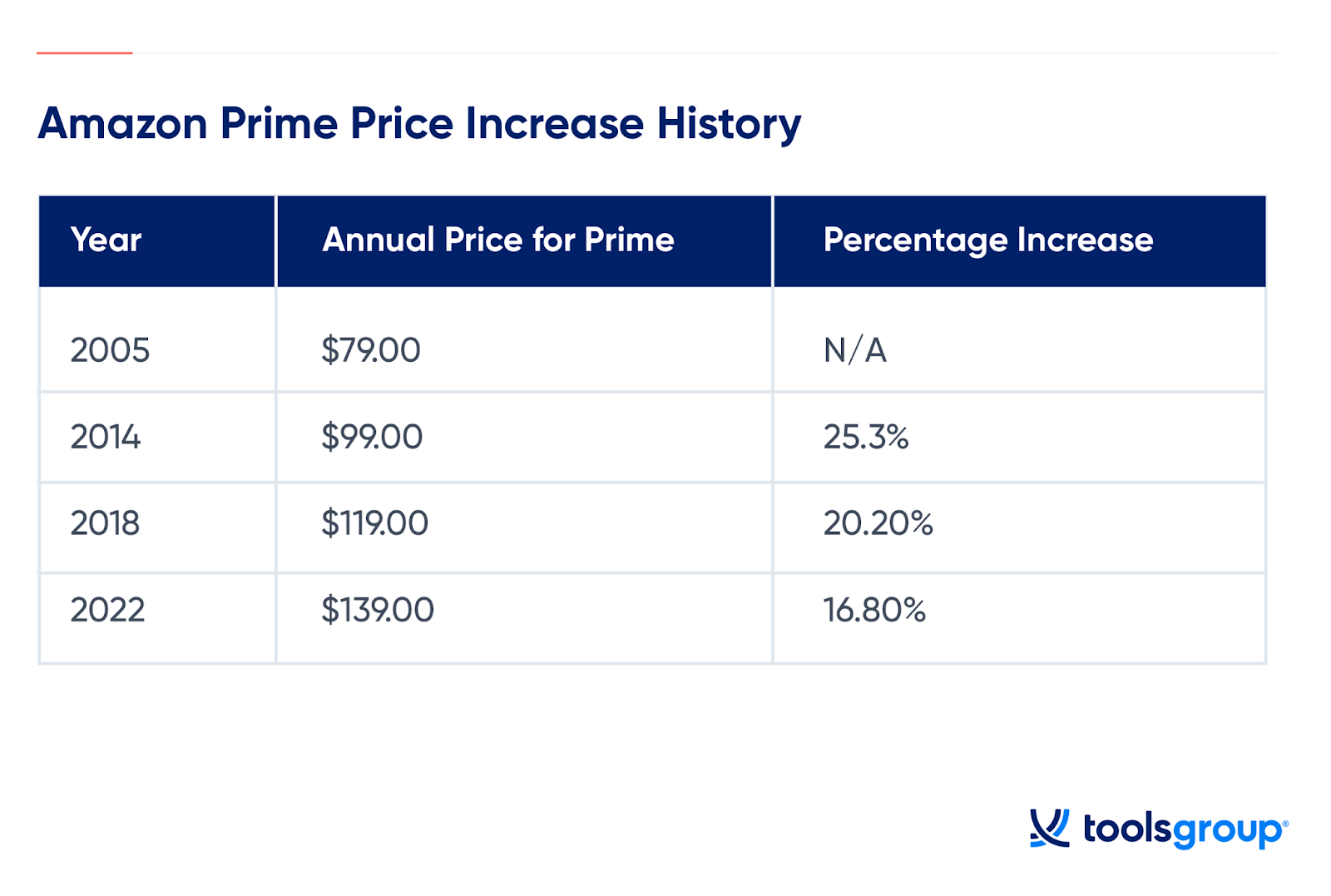
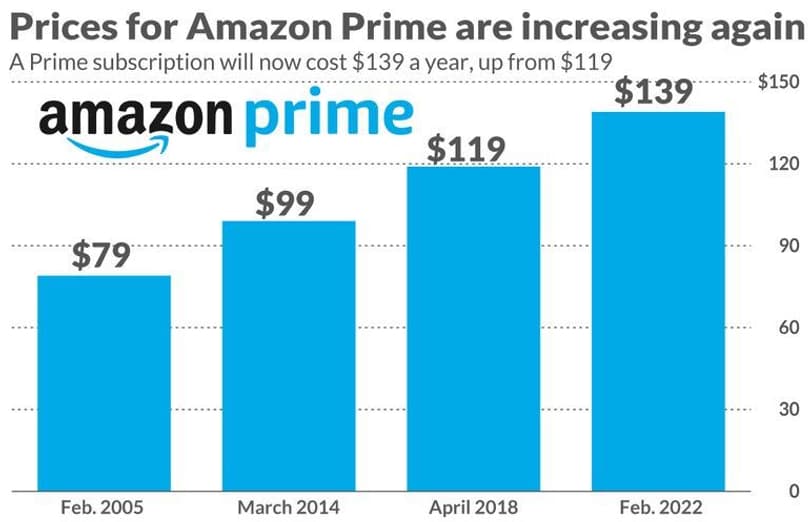
Understanding the direct cost of Amazon Prime is the first step in any financial evaluation. Amazon offers several membership options, each designed to cater to different segments of its vast customer base, with varying price points that can significantly impact your annual expenditure.
Standard Monthly and Annual Subscriptions
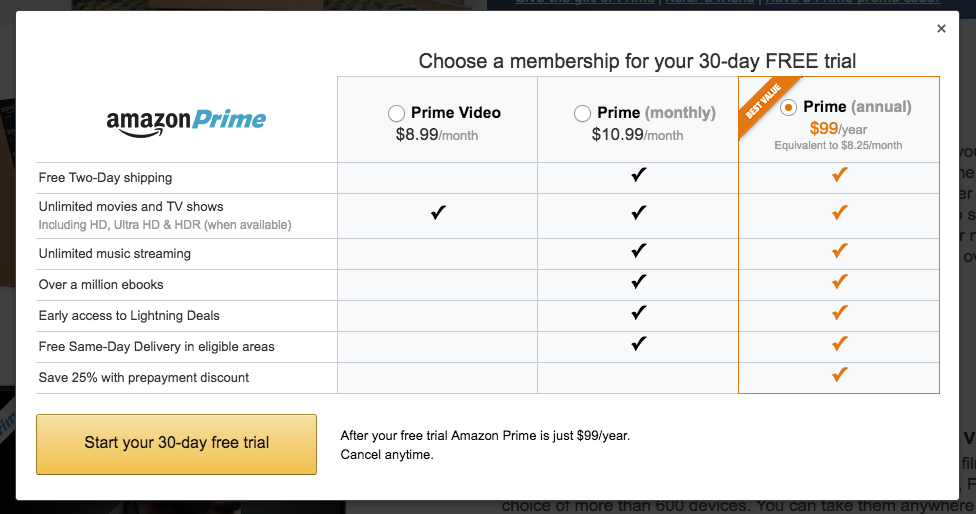
The most common way to subscribe to Amazon Prime is through its standard monthly or annual plans. The annual membership typically offers the most significant savings over the long term, presenting a discounted rate compared to paying month-to-month. For instance, if the annual fee is, say, $139, and the monthly fee is $14.99, an annual subscription immediately saves you over $40 per year. This upfront payment requires a larger single outlay but locks in a lower effective monthly cost, making it a preferred choice for consistent users. The monthly option, while more expensive annually, provides greater flexibility, allowing subscribers to cancel at any time. This can be financially advantageous for those who only need Prime for specific periods, such as during holiday shopping seasons or for a limited-time streaming event.
Discounted Rates: Prime for Students and Qualifying Beneficiaries
Amazon recognizes that not all financial situations are equal and extends discounted Prime memberships to specific groups. Prime Student is a heavily subsidized program designed for college students, often offering a generous extended free trial period followed by a significant discount on the regular annual membership fee. This makes Prime far more accessible for those on tighter student budgets, providing access to essential shipping benefits, study aids, and entertainment. Similarly, individuals receiving qualifying government assistance, such as EBT or Medicaid benefits, can often access Prime at a reduced monthly rate. These programs underscore Amazon’s effort to broaden its market reach while also acknowledging socio-economic disparities, turning Prime from a luxury into a more affordable convenience for a wider demographic.
Regional Variations and Add-Ons
It’s important to note that the cost of Amazon Prime can vary geographically. Prices are typically localized to reflect economic conditions and market dynamics in different countries. For example, Prime in the UK, Canada, or Australia will have different price points than in the United States, usually denominated in local currency. Beyond the core membership, Amazon also offers various “add-ons” that, while not strictly part of the Prime membership fee, can contribute to a user’s overall spending on the platform. These include subscriptions to premium channels through Prime Video Channels (e.g., HBO, Showtime), Audible subscriptions, or Kindle Unlimited. While these are separate services, their integration with the Prime ecosystem means they are often considered alongside the core membership when evaluating total digital entertainment and shopping expenditures. Understanding these variations and potential extra costs is key to a holistic financial assessment.
Beyond the Sticker Price: Evaluating the Financial Value Proposition of Prime
The direct cost of Amazon Prime is just one side of the financial equation. To truly understand its worth, one must consider the monetary value of the benefits it confers. For many, Prime is not merely an expense but a strategic investment that can lead to significant savings and conveniences that might otherwise incur higher costs.
The Core Financial Benefit: Free and Fast Shipping
The most celebrated and often-cited benefit of Amazon Prime is its expedited, “free” shipping on millions of eligible items. For frequent online shoppers, this translates directly into tangible monetary savings. Consider the cost of standard or expedited shipping fees on individual orders from other retailers or even Amazon itself for non-Prime members. These charges can quickly accumulate, often ranging from $5 to $15 per order. If you place more than, say, 10-15 orders a year, the shipping savings alone could easily outweigh the annual Prime membership fee. Furthermore, the convenience of 2-day, 1-day, or even same-day delivery reduces the need for costly last-minute trips to brick-and-mortar stores, saving on gas, time, and impulse purchases that might occur during such outings. This efficiency contributes significantly to your overall financial well-being by optimizing both direct costs and the value of your time.
Digital Entertainment as a Value-Add: Prime Video, Music, and Gaming
Amazon Prime bundles an impressive suite of digital entertainment services that, if purchased separately, would constitute substantial recurring expenses. Prime Video offers an extensive library of movies and TV shows, including Amazon Originals. For households that might otherwise subscribe to multiple streaming services, Prime Video can serve as a primary entertainment hub, potentially replacing or reducing the need for other paid subscriptions like Netflix, Hulu, or HBO Max. Similarly, Amazon Music Prime provides ad-free access to millions of songs and podcasts, offering a credible alternative to services like Spotify or Apple Music, which carry their own monthly fees. Prime Gaming (formerly Twitch Prime) offers free games, in-game content, and a free monthly Twitch channel subscription, providing monetary value for gamers. When evaluating the cost of Prime, it’s financially prudent to calculate how much you would spend on comparable standalone services and then subtract that from the Prime membership cost to arrive at its effective price. For many, the entertainment bundle alone justifies a significant portion, if not all, of the annual fee.
Exclusive Deals and Shopping Perks: Maximizing Savings
Beyond shipping and entertainment, Prime offers a host of exclusive shopping benefits designed to save members money. The annual Prime Day sales event provides steep discounts across a vast range of products, often presenting opportunities for substantial savings on big-ticket items or everyday necessities. Furthermore, Prime members often get early access to Lightning Deals, exclusive coupons, and specific discounts throughout the year. For groceries, Amazon Fresh and Whole Foods Market benefits for Prime members can include free delivery on eligible orders and exclusive discounts on selected items, directly reducing household food budgets. The Amazon Prime Rewards Visa Signature Card offers cashback percentages that are significantly higher for Prime members, turning regular Amazon purchases into a source of savings. By strategically utilizing these perks, members can offset a considerable portion of their annual fee, transforming the subscription from a cost into a savings mechanism.
The Hidden Costs and Opportunity Costs
While Prime offers many benefits, it’s crucial to acknowledge potential hidden costs and opportunity costs. The “convenience tax” of Prime might subtly encourage more frequent or impulsive purchasing habits, leading to increased overall spending on Amazon that might not have occurred otherwise. The ease of “buy now” can undermine disciplined budgeting. Moreover, while Prime Video or Music might replace other subscriptions, if you rarely use these services, their included value becomes negligible, and you are effectively paying for benefits you don’t utilize. The opportunity cost refers to what else that annual or monthly fee could be used for: invested in a high-yield savings account, contributed to a retirement fund, or used to pay down high-interest debt. For some, the comfort of Prime may outweigh these considerations, but for a rigorous financial analysis, they must be part of the equation.
Strategic Financial Approaches to Amazon Prime Membership
Maximizing the financial utility of your Amazon Prime membership involves more than just signing up. It requires a strategic approach to how you pay for and utilize the service to ensure you’re getting the best return on your investment.
Annual vs. Monthly: The Obvious Savings
As highlighted earlier, opting for the annual Prime membership is almost always the more financially sound decision if you anticipate using the service consistently for 12 months. The difference in cost between paying monthly for a year and paying for an annual subscription upfront can be substantial, often representing a savings of 20-30% on the yearly total. This is a straightforward financial calculation: if you know you’ll be a Prime member for the foreseeable future, commit to the annual plan. The monthly option only makes financial sense if your usage is truly sporadic, or if cash flow constraints prevent a larger one-time payment, in which case the flexibility may justify the higher cumulative cost.
Maximizing Benefits to Justify the Expenditure
Simply having Prime isn’t enough; actively leveraging its myriad benefits is key to justifying the expense. Regularly review the services included:
-
Shipping: Consolidate your purchases where possible to make fewer, larger orders that benefit from free shipping, rather than making small, frequent purchases.
-
Entertainment: Make Prime Video your default streaming service. Explore the Amazon Music Prime library. Engage with Prime Gaming if you’re a gamer. If you’re paying for another service that duplicates Prime’s offerings, consider canceling the redundant subscription.
-
Shopping: Keep an eye out for Prime-exclusive deals, especially during Prime Day and other major sales events. Utilize Whole Foods discounts if you shop there. Ensure you’re linking any Amazon credit cards to your account to maximize cashback rewards.
The goal is to extract as much value as possible, making the membership a cost-saving tool rather than just a recurring bill.
Leveraging Trial Periods and Promotions
Amazon frequently offers free trial periods, particularly for new customers or specific events. This is an excellent financial strategy to test the waters without commitment. A 30-day free trial, or even longer for Prime Student, allows you to gauge your usage patterns and determine if the benefits genuinely align with your needs before incurring any cost. Furthermore, Amazon occasionally runs promotional deals for Prime membership, such as discounted annual rates during specific periods or special bundles. Keeping an eye on these opportunities can lead to significant upfront savings. Always set a reminder to cancel your membership before the trial period ends if you decide it’s not a good financial fit to avoid unwanted charges.
Splitting Costs and Family Sharing
Amazon Prime often allows for household sharing, where two adults and up to four children can share certain Prime benefits under one membership. This is a powerful financial optimization tool. By splitting the annual cost with another adult in your household, the effective individual expense is halved, making the service significantly more affordable for both parties. While not all benefits (like certain digital content access) are fully shareable, core benefits like free shipping are typically included. For families, this means multiple individuals can enjoy the convenience and savings from a single annual fee, dramatically increasing the financial efficiency of the subscription.
Is Amazon Prime a Financially Sound Investment for You? A Decision Framework
Ultimately, the decision of whether Amazon Prime is a financially sound investment is deeply personal. It hinges on individual consumption habits, financial priorities, and lifestyle. A structured approach can help you make an informed choice.
Assessing Your Usage Patterns
The first step is a frank assessment of how you actually use Amazon.
-
Shopping Frequency: How often do you make purchases on Amazon? Do these purchases typically incur shipping fees without Prime? If you only buy a few items a year, the shipping savings might not justify the annual fee.
-
Digital Content Consumption: Do you regularly watch Prime Video, listen to Amazon Music Prime, or utilize Prime Gaming? If these services largely go untouched, their embedded value is lost, and you’re essentially paying for shipping alone.
-
Other Prime Perks: Do you use Whole Foods or Amazon Fresh delivery? Do you frequently access Prime Day deals? If these benefits are marginal to your life, their contribution to the overall value diminishes.
Honestly evaluating your past and projected usage will provide a clear picture of how much of Prime’s potential value you’re actually capturing.
Comparing Prime’s Value to Alternative Services
To understand Prime’s financial worth, compare its components to standalone alternatives.
-
Shipping Alternatives: Could you get similar shipping benefits from other retailers (e.g., Walmart+)? Are there other ways to qualify for free shipping elsewhere?
-
Streaming Alternatives: If you primarily use Netflix or another streaming service, is Prime Video a true complement or a redundancy? Could you swap one for the other and save?
-
Music Alternatives: Is Amazon Music Prime sufficient for your needs, or do you require a more robust service like Spotify Premium?
By comparing the cumulative cost of separate services that mirror Prime’s offerings, you can determine if the bundled value truly offers a discount or if you’re paying for services you don’t need simply because they’re included.
Budgeting for Prime: Integrating it into Your Personal Finance Plan
If you decide Prime is worth it, integrate its cost into your personal budget.
-
Allocate Funds: Treat the annual fee as a fixed expense. If paying monthly, ensure it fits comfortably within your entertainment or shopping budget category.
-
Review Annually: At renewal time, conduct a brief financial review. Have your usage patterns changed? Are the benefits still as valuable? This is a prime opportunity to re-evaluate your commitment.
-
Opportunity Cost: Consider what other financial goals that money could serve. Is funding Prime more important than saving for a down payment, paying off debt, or investing?
The ‘Convenience Tax’ vs. Actual Savings
Finally, weigh the intangible “convenience tax” against the tangible financial savings. Prime undoubtedly offers immense convenience – faster delivery, instant access to entertainment, seamless shopping. For some, this convenience is worth a premium, even if the direct monetary savings don’t fully offset the cost. However, be mindful that excessive convenience can lead to overspending. The ultimate decision requires balancing the quantifiable financial benefits with the qualitative aspects of time-saving and ease, ensuring that the former genuinely justifies the latter.
Conclusion: Making an Informed Financial Decision
The question “How much is the cost of Amazon Prime?” is more complex than its simple phrasing suggests. It encompasses not just the explicit membership fee but also the vast array of benefits, potential savings, and subtle financial influences it exerts on a consumer’s budget. From the tiered pricing structures and valuable discounts for students and eligible beneficiaries to the core financial advantage of expedited shipping and a bundled entertainment suite, Prime presents a compelling economic proposition for many.
However, a truly informed financial decision demands a meticulous assessment of individual usage patterns, a strategic approach to leveraging its benefits, and a clear understanding of both its direct and indirect costs. By comparing annual versus monthly plans, maximizing shared accounts, and actively utilizing the included services, consumers can significantly enhance Prime’s financial value. Ultimately, integrating Prime’s cost into a disciplined personal finance plan and periodically re-evaluating its worth against alternative services and personal financial goals will ensure that this popular subscription remains a sound investment rather than an overlooked expenditure. For the financially astute, Amazon Prime isn’t just a service; it’s a financial instrument that, when wielded wisely, can contribute positively to their economic landscape.
aViewFromTheCave is a participant in the Amazon Services LLC Associates Program, an affiliate advertising program designed to provide a means for sites to earn advertising fees by advertising and linking to Amazon.com. Amazon, the Amazon logo, AmazonSupply, and the AmazonSupply logo are trademarks of Amazon.com, Inc. or its affiliates. As an Amazon Associate we earn affiliate commissions from qualifying purchases.