
In an increasingly digital world, entertainment has largely migrated from physical media to streaming services, offering unparalleled convenience and a seemingly endless array of content. Among the titans of this industry, Amazon Prime Video stands out, not just for its vast library of movies and TV shows, but also for its unique integration within the broader Amazon ecosystem. For many consumers, the question isn’t just “What can I watch?” but more critically, “How much will this cost me?” Understanding the financial implications of an Amazon Video subscription, whether as a standalone service or bundled with Amazon Prime, is crucial for effective personal finance management in the digital age. This article delves into the various pricing structures of Amazon Video, exploring direct and indirect costs, and offering insights into how to integrate this popular streaming service smartly into your entertainment budget, ensuring you get maximum value without overspending.
Deconstructing the Cost: Amazon Prime vs. Standalone Prime Video
The first step in understanding the cost of an Amazon Video subscription is to recognize that it typically comes in two primary forms: as part of an Amazon Prime membership or as a standalone Prime Video subscription. Each option caters to different consumer needs and comes with distinct financial considerations.
The All-Inclusive Amazon Prime Membership
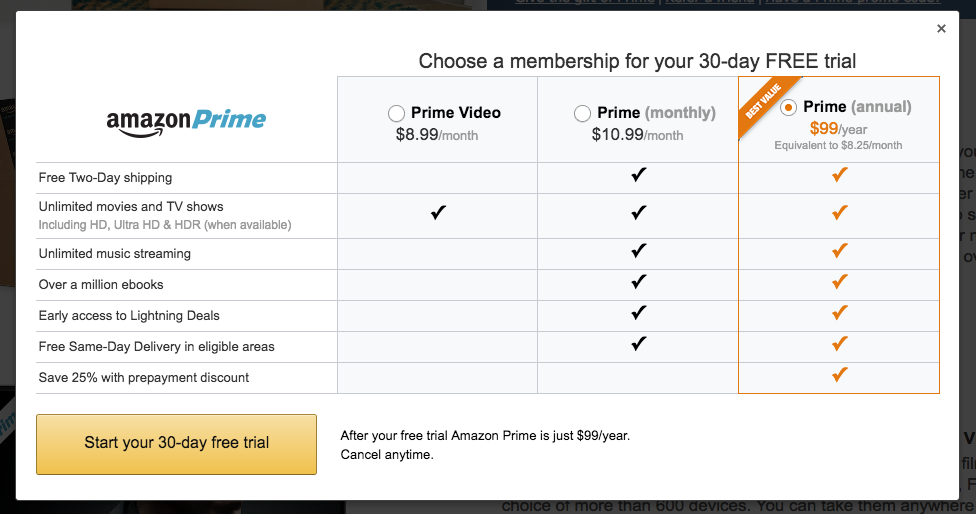
For a vast number of users, access to Amazon Prime Video is an included perk of their Amazon Prime membership. This comprehensive subscription service, designed primarily around expedited shipping benefits, has evolved into a sprawling digital ecosystem offering a multitude of advantages beyond just video. A standard Amazon Prime membership in the United States, for instance, typically costs around $14.99 per month or $139 per year (prices can vary by region and may change over time).
When you subscribe to Amazon Prime, you’re not just paying for video streaming. You’re also gaining access to:
-
Fast, free shipping: Two-day, one-day, and even same-day delivery on eligible items. This alone can represent significant savings for frequent Amazon shoppers by eliminating shipping fees.
-
Amazon Music Prime: Ad-free access to a curated selection of millions of songs and thousands of stations and playlists.
-
Prime Reading: A rotating selection of free eBooks, magazines, and comics.
-
Prime Gaming: Free games, in-game content, and a free channel subscription on Twitch.tv.
-
Prime Photo: Unlimited full-resolution photo storage.
-
Exclusive deals and early access: Special discounts and early access to Lightning Deals.
From a financial perspective, if you regularly utilize even a few of these benefits, the cost of a full Amazon Prime membership can often be justified, making the Prime Video component feel like an extremely valuable bonus rather than an isolated expense. For families or individuals who frequently shop on Amazon and consume digital content, the bundled approach can offer considerable perceived value for money, spreading the overall cost across multiple useful services.
Opting for Standalone Prime Video
Recognizing that not every consumer needs or wants the full suite of Amazon Prime benefits, Amazon also offers a standalone Prime Video subscription. This option is designed for those whose primary interest is accessing Amazon’s extensive video library without the added cost of shipping, music, or other Prime perks. In the U.S., a standalone Prime Video subscription typically costs around $8.99 per month.
For individuals who rarely shop on Amazon, already have other music streaming services, or simply don’t utilize the other Prime benefits, the standalone Prime Video subscription can represent a more cost-effective choice. Financially, it allows for a more focused allocation of your entertainment budget, paying only for the streaming content you desire. Comparing the standalone cost to the full Prime membership highlights the financial premium you pay for the additional benefits. If you’re paying $14.99 for full Prime but only using Prime Video, you’re effectively paying an extra $6 per month for benefits you don’t use—money that could be better spent elsewhere or saved.
Regional Price Variations and Trials
It’s important to note that the prices mentioned are representative of the U.S. market and are subject to change. Amazon operates globally, and subscription costs can vary significantly by country due to local market conditions, currency exchange rates, and regional content licensing agreements. Always check the official Amazon website for the most accurate pricing in your specific region.
Another financial benefit to consider is the free trial period. Amazon frequently offers a 30-day free trial for its Prime membership (which includes Prime Video) or sometimes even specific trials for standalone Prime Video. This allows potential subscribers to thoroughly evaluate the service and its benefits before committing any money, providing a risk-free way to assess whether the value justifies the financial outlay. It’s a smart financial move to utilize these trials to determine if the service genuinely fits your entertainment needs and budget.
Beyond the Basic Subscription: Hidden Costs and Premium Content
While the base subscription fee for Amazon Prime or standalone Prime Video covers a significant portion of its content, it’s crucial for budget-conscious consumers to be aware of additional costs that can quickly accumulate and inflate their overall entertainment spending. Amazon Video acts as a comprehensive media hub, meaning not everything is included with your subscription.
Renting and Buying Digital Content
Unlike some other streaming services that maintain a strictly “all-inclusive” library (aside from add-ons), Amazon Prime Video operates on a hybrid model. While a vast selection of movies and TV shows are included with your Prime or Prime Video subscription, many new releases, older catalog titles, and specific high-demand content are only available for rent or purchase.
Renting a movie typically costs between $3.99 and $5.99, while purchasing a digital copy can range from $9.99 to $19.99 or more, especially for new releases. For TV shows, individual episodes can be $1.99-$3.99, and full seasons can cost upwards of $19.99 to $49.99. These individual transactions, while offering access to specific content not otherwise available, represent a direct additional expenditure outside of your monthly or annual subscription fee. From a financial planning perspective, it’s essential to factor these potential impulse purchases into your entertainment budget, or consciously choose to avoid them if your goal is strict cost control. Over-reliance on renting and buying can quickly make Amazon Video a far more expensive proposition than initially anticipated based on the base subscription cost.
Amazon Channels: Expanding Your Viewing Options (and Spending)
One of Amazon’s unique offerings is Amazon Channels, which allows users to subscribe to dozens of third-party streaming services directly through the Prime Video interface. These include popular premium networks like Max (formerly HBO Max), Paramount+, Starz, Showtime, Discovery+, and many niche channels catering to specific interests. Each Amazon Channel comes with its own separate monthly subscription fee, typically ranging from $4.99 to $15.99 per month, which is billed directly through your Amazon account.
While Amazon Channels offers unparalleled convenience by consolidating your billing and viewing experience within a single platform, it’s a significant area where costs can rapidly escalate. Subscribing to multiple channels can easily add tens or even hundreds of dollars to your monthly entertainment bill on top of your Prime or Prime Video subscription. For example, if you subscribe to Prime Video ($8.99/month) plus Max ($15.99/month) and Starz ($9.99/month), your total monthly cost for these services through Amazon would be nearly $35.
Financially, it’s crucial to regularly review your active Amazon Channels subscriptions. Many users subscribe for a specific show or movie and then forget to cancel, leading to recurring charges for services they no longer actively use. This “subscription creep” is a common pitfall in personal finance, and managing Amazon Channels effectively requires diligent tracking and cancellation when services are no longer needed.

Maximizing Value and Minimizing Expenditure on Amazon Video
Given the various cost structures associated with Amazon Video, strategic financial planning is essential to ensure you’re getting the most entertainment for your money without falling into common spending traps.
Budgeting for Entertainment: A Financial Strategy
Integrating streaming services into your personal budget is a critical step for financial control. Treat your Amazon Video subscription, along with any other streaming services, as a fixed monthly expense. Determine a realistic overall budget for entertainment each month, and then allocate funds accordingly. If your total entertainment budget is, for example, $50 per month, and your Amazon Prime membership consumes $14.99, you have approximately $35 left for other streaming services, rented/purchased content, or other forms of entertainment.
Periodically review all your subscriptions. Ask yourself:
-
Am I actively using this service?
-
Am I getting enough value for the money I’m spending?
-
Could I temporarily pause or cancel a service until a new season of a show I want to watch is released?
Being proactive about managing your subscriptions can prevent unnecessary financial drain and help redirect funds towards more impactful savings or investments.
Leveraging Prime Benefits Beyond Video
For those with a full Amazon Prime membership, understanding and utilizing all its benefits is key to maximizing its financial value. If you’re paying the higher fee for Prime, ensure you’re taking advantage of more than just Prime Video. Are you using the fast, free shipping for your regular Amazon purchases, thereby saving on shipping fees? Do you listen to Amazon Music Prime instead of paying for another music service? Do you borrow books from Prime Reading?
By consciously integrating these other Prime benefits into your daily life, the effective “cost” of Prime Video within the bundled package significantly diminishes. The more value you extract from the holistic Prime membership, the more justified the annual or monthly fee becomes in your personal budget. If you find yourself only using Prime Video, it might be a financially sound decision to downgrade to the standalone Prime Video subscription to save money.
Alternative Streaming Strategies for Cost Savings
While Amazon Video offers a comprehensive library, it’s not the only game in town. For truly cost-conscious consumers, exploring alternative streaming strategies can lead to significant savings. Consider the following:
-
Free ad-supported streaming services: Platforms like Tubi, Pluto TV, Freevee (owned by Amazon!), and The Roku Channel offer a vast array of movies and TV shows for free, albeit with advertisements. These can be excellent complements to a paid subscription or even replacements for certain types of content.
-
Public library resources: Many public libraries offer digital movie and TV show rentals through apps like Kanopy or Hoopla, completely free with a library card.
-
Rotating subscriptions: Instead of subscribing to multiple paid services simultaneously, consider subscribing to one for a month or two, binging the content you want, and then canceling and switching to another. This “subscription hopping” can dramatically reduce your overall monthly streaming expenditure.
-
Content sharing: If permissible by the service’s terms of service and practical within your household or with trusted individuals, sharing an account (e.g., family plans) can dilute the cost per user, making premium services more affordable.
The Financial Landscape of Streaming: A Broader Perspective
Understanding the cost of an Amazon Video subscription is just one piece of the larger financial puzzle that streaming services present to modern consumers. The cumulative impact of multiple subscriptions warrants a broader financial perspective.
The “Subscription Fatigue” and Your Wallet
The proliferation of streaming services has led to a phenomenon known as “subscription fatigue.” Consumers are increasingly feeling overwhelmed by the sheer number of services available and the associated recurring charges. What might seem like a small monthly fee for one service can quickly add up when combined with Netflix, Disney+, Hulu, Max, Spotify, gym memberships, software subscriptions, and more. Individually, $8.99 or $14.99 might not seem like much, but a collection of 5-7 such subscriptions can easily total $50-$100 or even more per month – a significant portion of many household budgets.
From a financial standpoint, subscription fatigue translates into potential overspending. Many subscribers lose track of what they’re paying for, leading to forgotten subscriptions that continue to drain funds unnecessarily. This underscores the importance of a comprehensive financial overview, perhaps using a budgeting app or a simple spreadsheet, to track all recurring payments and ensure every dollar spent aligns with your financial priorities and entertainment needs.
Comparative Cost Analysis: Amazon Video vs. Competitors
When evaluating the cost of an Amazon Video subscription, it’s often helpful to compare it to other major players in the streaming market. This comparative financial analysis can highlight where Amazon offers unique value or potential pitfalls.
-
Netflix: Offers various tiers, typically ranging from $6.99 (ad-supported) to $22.99 per month (premium, no ads). Its strength is its vast original content and global reach. Financially, it’s a straightforward subscription with no added rental/purchase options or external channels.
-
Disney+: Often bundled with Hulu and ESPN+, with standalone pricing around $7.99-$13.99 per month. Focuses on family-friendly content and major franchises. Like Netflix, it’s a mostly all-inclusive library.
-
Hulu: Offers various plans, including ad-supported and ad-free, often bundled with Disney+ and ESPN+. Standalone prices range from $7.99 to $17.99 per month. Known for current TV shows.
Amazon Video’s unique financial position stems from its hybrid model:
-
Bundled Value: For Amazon Prime members, the video component feels like a bonus, offering high value if other Prime benefits are used. Its all-in-one platform for shopping, music, and video can be financially efficient for specific users.
-
Flexibility with Standalone: The standalone Prime Video option offers a competitive price point similar to basic tiers of other services, appealing to those who only want the video content.
-
Potential for High Costs: The ease of renting/buying content and subscribing to Amazon Channels means that Amazon Video has the highest potential for hidden or rapidly escalating costs compared to services with simpler, all-inclusive pricing models.
Financially, the “best” service isn’t always the cheapest but the one that offers the most value for your specific needs and fits comfortably within your budget, considering all its potential costs and benefits.
Conclusion
Understanding “how much an Amazon Video subscription is” goes far beyond a simple dollar figure. It involves navigating a multifaceted pricing structure that can range from a cost-effective perk within a broader Prime membership to a standalone service, potentially augmented by additional rental fees and separate Amazon Channel subscriptions. For the financially savvy consumer, recognizing these various cost components is paramount.
Whether you opt for the all-encompassing Amazon Prime, choose the focused standalone Prime Video, or delve into the world of Amazon Channels, the key lies in informed decision-making. Budgeting for entertainment, regularly reviewing your subscriptions, and consciously leveraging all available benefits are critical strategies to ensure your digital consumption aligns with your financial goals. In the landscape of modern streaming, a mindful approach to managing your Amazon Video subscription means enjoying a world of entertainment without inadvertently straining your personal finances, striking a perfect balance between content access and fiscal responsibility.
aViewFromTheCave is a participant in the Amazon Services LLC Associates Program, an affiliate advertising program designed to provide a means for sites to earn advertising fees by advertising and linking to Amazon.com. Amazon, the Amazon logo, AmazonSupply, and the AmazonSupply logo are trademarks of Amazon.com, Inc. or its affiliates. As an Amazon Associate we earn affiliate commissions from qualifying purchases.