
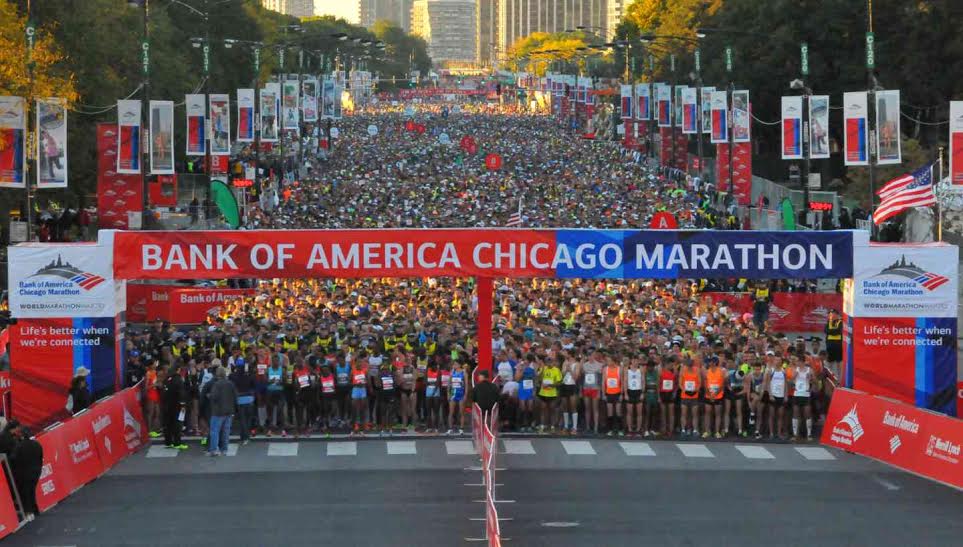
The Bank of America Chicago Marathon stands as one of the world’s most iconic road races, drawing tens of thousands of runners annually to conquer its fast, flat course through the heart of the Windy City. For both seasoned veterans and first-time marathoners, the journey to the finish line is a monumental undertaking, demanding meticulous planning, rigorous training, and unwavering dedication. In today’s digital age, technology has emerged not merely as a supplementary aid but as an indispensable partner in every aspect of this challenging endeavor. From the moment you contemplate registration to the exhilarating final strides and post-race recovery, leveraging the right technological tools can significantly enhance your performance, optimize your training, and transform your entire marathon experience. This article delves into how runners can harness the power of modern tech to not just run, but truly excel at the Chicago Marathon.
Smart Training: Data-Driven Preparation
Gone are the days when a simple stopwatch and a paper logbook were the apex of a runner’s training arsenal. The current landscape of endurance sports is dominated by data, precision, and personalized insights delivered through an array of sophisticated gadgets and software. Employing these tools allows for a scientific approach to training, reducing guesswork and maximizing efficiency.
GPS Running Watches & Wearables
At the core of any tech-savvy runner’s kit is the GPS running watch. Brands like Garmin, Apple Watch, and Coros have revolutionized how runners track their progress, offering real-time data on pace, distance, elevation, heart rate zones, cadence, and even advanced running dynamics like ground contact time and vertical oscillation. These devices not only provide immediate feedback during a run but also store vast amounts of data that can be synced to companion apps and platforms for in-depth analysis. Understanding your heart rate variability (HRV), for instance, can provide critical insights into your body’s stress levels and recovery status, helping you avoid overtraining and peak effectively for race day. The integration of contactless payment features on many high-end watches also adds a layer of convenience for mid-run hydration or emergencies.
AI-Powered Training Apps & Platforms
Beyond basic tracking, artificial intelligence and advanced algorithms are now at the forefront of personalized training. Platforms such as TrainingPeaks, Stryd, and even popular apps like Nike Run Club and Peloton’s outdoor running features leverage your accumulated data – from past performances and training logs to sleep patterns and stress levels – to create dynamic, adaptive training plans. These AI coaches can adjust your daily workouts based on your recovery, predicted race pace, and even weather conditions, ensuring you’re training optimally without risking burnout. Some tools offer virtual coaching, providing personalized feedback on your form and efficiency, predicting your race-day performance with surprising accuracy, and guiding you through specific workouts tailored to the Chicago Marathon’s unique characteristics. This data-driven approach removes much of the guesswork from traditional training methodologies, allowing for highly individualized and effective preparation.
Biometric Monitoring & Recovery Tech
The adage “you don’t get stronger from training, but from recovering from training” holds profound truth for marathon runners. Modern technology provides unprecedented insight into recovery, ensuring that your body is adequately prepared for the next session. Wearable devices like the Oura Ring and WHOOP strap specialize in biometric monitoring, tracking sleep quality, duration, and stages, along with HRV, skin temperature, and respiratory rate. These metrics collectively paint a comprehensive picture of your physiological readiness. By identifying patterns of insufficient sleep or elevated stress, these devices can alert you to potential overtraining risks, prompting you to prioritize rest or adjust your training load. Furthermore, smart scales that measure body composition, hydration levels, and bone density provide additional layers of data, ensuring your body is a well-oiled machine heading into 26.2 miles.
Race Day Edge: Technology on the Course
The Chicago Marathon course is flat, fast, and renowned for its enthusiastic spectators. While the atmosphere provides an undeniable boost, technology offers a crucial edge in executing your race plan flawlessly and navigating the demands of the course.
Pacing Strategy with Real-time Data
Executing a consistent and effective pacing strategy is paramount for marathon success. Your GPS running watch becomes your most critical tool on race day. Pre-loading the Chicago Marathon course map into your device allows for precise distance tracking and elevation profiles, even if the GPS signal momentarily falters between skyscrapers. Utilizing real-time pace alerts and projected finish times keeps you honest and prevents the common pitfall of starting too fast. Many watches offer a “virtual partner” feature, allowing you to race against a predefined pace or even your own previous best time, providing immediate visual feedback on whether you’re ahead or behind your target. This data empowers you to make informed decisions on the fly, adjusting your effort based on how your body feels, the prevailing weather conditions, and the crowd’s energy, ensuring you cross the finish line strong.
Communication & Safety Apps
While the Chicago Marathon is a well-supported event, maintaining communication and ensuring safety are still critical. Apps like “Find My Friends” or event-specific tracking apps allow family and friends to monitor your progress in real-time, receiving updates as you pass timing mats. This not only provides peace of mind for your support crew but also helps them strategically position themselves along the course for maximum encouragement. For personal safety, especially during long training runs, apps like Strava’s Beacon or Garmin’s incident detection feature can automatically send your location to emergency contacts if an unusual event occurs. Additionally, checking weather apps on race morning for temperature, humidity, and wind conditions can inform last-minute adjustments to your clothing, hydration, and pacing strategy.
Smart Footwear & Gear

While the primary function of running shoes remains cushioning and support, technological advancements in footwear have become a game-changer. Carbon-plated racing shoes, pioneered by brands like Nike, Hoka, and Adidas, utilize stiff carbon fiber plates embedded within lightweight, highly responsive foam. This innovative design provides an energy return that can significantly improve running economy, potentially shaving precious minutes off your marathon time. Beyond shoes, performance fabrics incorporating moisture-wicking technology, compression gear designed to improve circulation and reduce muscle vibration, and hydration packs with integrated smart features (like bite valves for easy access to fluids) all contribute to a more comfortable and efficient race. Investing in tech-forward gear can provide that marginal gain needed to optimize performance on such a demanding day.
Post-Race Analysis & Future Planning
The finish line isn’t the end of your technological journey; it’s the beginning of a new phase of insights and planning. Post-race analysis is crucial for understanding your performance, learning from the experience, and setting new goals.
Performance Metrics Deep Dive
After the exhilaration subsides, your technology allows for a detailed post-mortem of your race. Syncing your watch data to platforms like Strava, Garmin Connect, or TrainingPeaks enables a comprehensive review of every mile. You can scrutinize your splits, analyze your average heart rate in different race segments, examine changes in your cadence and running power (if tracked), and even correlate these metrics with your perceived effort or challenges faced on the course. Identifying specific mile markers where your pace dropped significantly, or where your heart rate spiked, can pinpoint areas for improvement in future training or pacing strategies. This objective data provides invaluable feedback that subjective memory alone cannot.
Digital Race Photos & Videos
Marathon events like Chicago increasingly leverage advanced photography and videography technology. Through partnerships with companies like MarathonFoto, participants can access vast libraries of high-quality digital photos and sometimes even personalized video clips of their race experience. Using facial recognition and bib number scanning, these platforms make it easy to find and share your moments of triumph. While not directly performance-related, these digital keepsakes are an integral part of the modern marathon experience, allowing you to relive and share your achievement with friends, family, and your online community, creating lasting memories that tech helps preserve.
Community & Social Sharing Platforms
Platforms like Strava, RunKeeper, and even Instagram have transformed the solitary act of running into a vibrant social experience. After tackling the Chicago Marathon, sharing your race activities, photos, and reflections with your online community is a powerful way to celebrate your achievement, receive encouragement, and inspire others. These platforms foster a sense of belonging, allowing you to connect with fellow runners, congratulate friends on their efforts, and find motivation for your next challenge. You can compare your performance with training partners, join clubs, and participate in virtual challenges, maintaining momentum and accountability long after the Chicago Marathon crowds have dispersed.
The Evolving Landscape of Marathon Tech
The pace of technological innovation is relentless, and the future promises even more sophisticated tools for endurance athletes. Staying abreast of these developments will allow runners to continuously refine their training and race strategies.
Augmented Reality & Virtual Training
Imagine running the Chicago Marathon course from the comfort of your living room, complete with interactive visuals and real-time feedback that simulates the actual race day experience. Augmented reality (AR) and virtual reality (VR) are set to revolutionize indoor training, offering immersive experiences that can replicate specific race courses, allowing runners to mentally and physically prepare for every turn, hill (or lack thereof), and landmark. This could prove invaluable for runners who cannot physically access the course for practice runs or for those who thrive on simulated environments.
Advanced Sensor Integration
The next generation of wearables will likely integrate an even broader array of sophisticated sensors directly into apparel, footwear, and even patches applied to the skin. Continuous glucose monitors (CGMs), for example, are already being explored by elite athletes to optimize race-day nutrition strategies by providing real-time data on blood sugar levels. Biosensors embedded in socks could offer more accurate biomechanical analysis than current watch-based systems, providing detailed insights into foot strike, pronation, and ground contact forces, which are critical for injury prevention and efficiency.

Cybersecurity for Athletes
As runners increasingly rely on interconnected devices and share personal health data across multiple platforms, the importance of cybersecurity grows. Protecting sensitive biometric data, training logs, and location information from potential breaches will become a critical consideration. Developers of running apps and wearable technology will need to bolster their security protocols, and runners themselves will need to be diligent in managing their privacy settings and understanding how their data is being used. Ensuring the integrity and confidentiality of personal performance data is paramount in this increasingly digital athletic ecosystem.
In conclusion, the journey to successfully run the Chicago Marathon is a testament to human endurance and spirit. While dedication and physical preparation remain foundational, the strategic integration of technology can elevate every aspect of this challenging endeavor. From data-driven training plans and real-time race day insights to comprehensive post-race analysis and future-gazing innovations, technology empowers runners to train smarter, perform better, and truly savor the experience. The digital tools available today are not just gadgets; they are intelligent partners, guiding you through the miles, helping you understand your body, and ultimately, bringing you closer to your marathon goals on the streets of Chicago.
aViewFromTheCave is a participant in the Amazon Services LLC Associates Program, an affiliate advertising program designed to provide a means for sites to earn advertising fees by advertising and linking to Amazon.com. Amazon, the Amazon logo, AmazonSupply, and the AmazonSupply logo are trademarks of Amazon.com, Inc. or its affiliates. As an Amazon Associate we earn affiliate commissions from qualifying purchases.