
Understanding the current price of Bank of America (BAC) stock is far more complex and insightful than simply looking up a real-time quote. For investors, financial analysts, and even casual observers, a stock price represents a dynamic interplay of macroeconomic forces, industry trends, company-specific performance, and market sentiment. It’s a snapshot, albeit a constantly shifting one, of how the market values one of the largest and most influential financial institutions in the world. This article delves into the various facets of Bank of America’s stock price, exploring how it’s determined, the factors that influence its movements, and what investors should consider when evaluating this financial giant.

Decoding Bank of America’s Stock Price: More Than Just a Quote
At its most basic level, the price of Bank of America stock refers to the last traded price per share on a given exchange, typically the New York Stock Exchange (NYSE). However, this single number is merely the tip of the iceberg. To truly understand BAC’s valuation, one must look deeper into the mechanisms of its trading and the fundamental metrics that underpin its perceived worth.
The Dynamics of Real-Time Stock Quotes
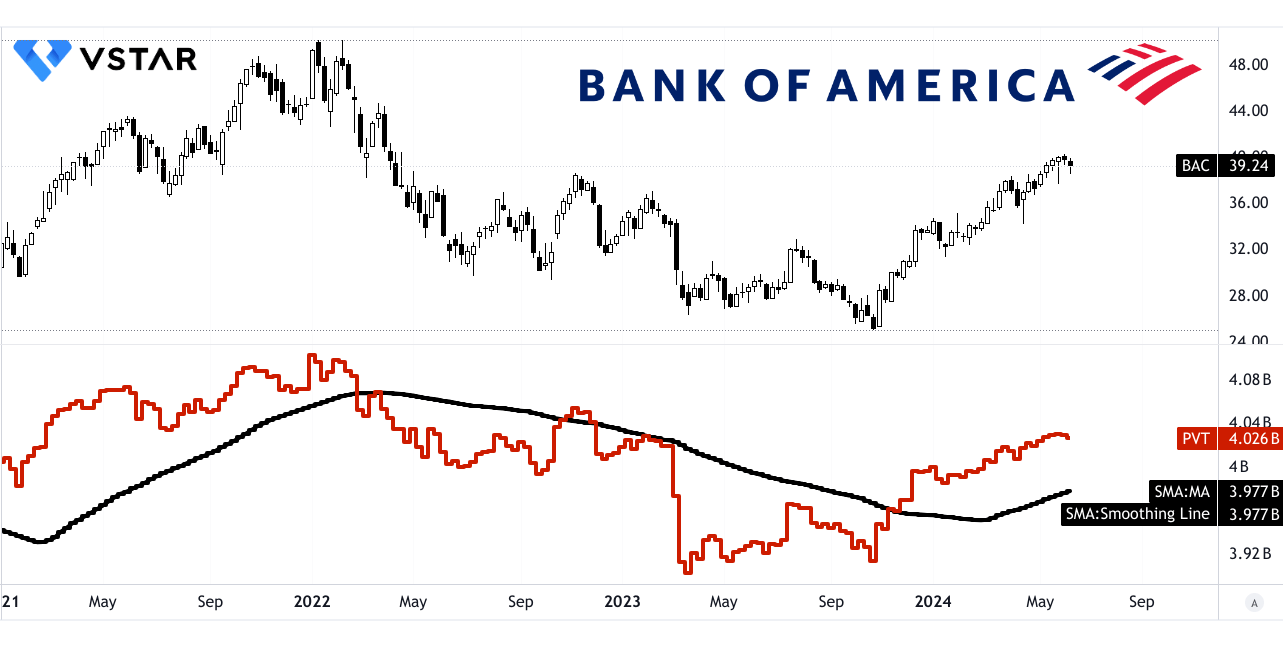
Bank of America’s stock price, like that of any publicly traded company, fluctuates throughout the trading day based on supply and demand. Every buy and sell order executed on the exchange contributes to this constant movement. Investors can access real-time or delayed stock quotes through various platforms, including financial news websites (e.g., Yahoo Finance, Google Finance, Bloomberg), brokerage accounts, and dedicated market data terminals. These platforms typically display the last trade price, along with crucial information such as the day’s open, high, low, closing price (for historical data), trading volume, and the bid/ask spread. The bid price is the highest price a buyer is willing to pay for BAC stock, while the ask price is the lowest price a seller is willing to accept. The difference between these two indicates market liquidity and can influence the execution price for trades. Understanding these dynamics is the first step in appreciating the fluid nature of stock valuation.
Key Metrics for Understanding Value Beyond the Price
While the dollar amount per share is important, it doesn’t tell the whole story. A stock trading at $100 could be cheaper or more expensive than a stock trading at $10, depending on the underlying company’s fundamentals. For Bank of America, several key financial metrics provide a more comprehensive view of its valuation:
-
Market Capitalization: This is the total value of all outstanding shares, calculated by multiplying the current stock price by the number of shares outstanding. It gives an idea of the company’s overall size and market influence. A larger market cap generally indicates a more stable, established company.
-
Price-to-Earnings (P/E) Ratio: This widely used valuation metric compares the stock price to the company’s earnings per share (EPS). A lower P/E ratio might suggest the stock is undervalued or that investors expect slower growth, while a higher P/E could indicate growth expectations or overvaluation. For banks, P/E ratios are often compared to industry averages and historical trends.
-
Price-to-Book (P/B) Ratio: Particularly relevant for financial institutions, the P/B ratio compares the stock price to the company’s book value per share (assets minus liabilities). A P/B ratio below 1 might suggest undervaluation, though it’s crucial to understand the quality of the bank’s assets.
-
Dividend Yield: Bank of America is known for paying dividends, which are distributions of a portion of the company’s earnings to shareholders. The dividend yield (annual dividend per share divided by the stock price) indicates the percentage return an investor receives in dividends relative to the share price. This is a significant factor for income-focused investors.
-
Earnings Per Share (EPS): This represents the portion of a company’s profit allocated to each outstanding share of common stock. Consistent and growing EPS is a strong indicator of a healthy and profitable business, often correlating with stock price appreciation.
By analyzing these metrics in conjunction with the current stock price, investors gain a much clearer picture of Bank of America’s true market valuation and financial health.
Factors Influencing Bank of America’s Stock Price
The stock price of a colossal institution like Bank of America is not static; it’s a living entity constantly reacting to a multitude of internal and external forces. These forces can be broadly categorized into macroeconomic conditions, industry-specific trends, and company-specific performance.
Macroeconomic Environment
The broader economic landscape plays a paramount role in shaping the fortunes of all financial institutions, including Bank of America.
-
Interest Rates: Perhaps the most critical factor for banks, changes in interest rates (especially those set by central banks like the Federal Reserve) directly impact a bank’s net interest margin – the difference between the interest it earns on loans and pays on deposits. Rising rates generally benefit banks like BAC by allowing them to charge more for loans, while falling rates can squeeze profitability.
-
Inflation: High inflation can lead central banks to raise rates, but it can also erode consumer purchasing power and increase the cost of doing business. Banks must navigate the delicate balance of inflation’s impact on lending and borrowing.
-
GDP Growth: A strong economy, characterized by robust Gross Domestic Product (GDP) growth, typically translates to increased loan demand, lower defaults, and higher consumer spending, all of which benefit banks. Conversely, an economic slowdown or recession can significantly impair loan performance and reduce banking activity.
-
Unemployment Rates: Low unemployment generally means more people are earning and spending, reducing the risk of loan defaults and boosting economic activity. High unemployment has the opposite effect.
Industry-Specific Trends
Beyond the overall economy, the banking sector itself faces unique challenges and opportunities that influence BAC’s stock.
-
Regulatory Changes: The financial industry is heavily regulated. New laws or amendments (e.g., changes in capital requirements, consumer protection laws, or stress testing mandates) can impact a bank’s profitability, risk profile, and operational costs. For example, post-2008 financial crisis regulations significantly reshaped how banks operate.
-
Competition: Bank of America operates in an intensely competitive landscape, facing rivals from traditional banks, credit unions, and increasingly, FinTech companies. Innovation in digital banking, payments, and lending can put pressure on established players to adapt and invest.
-
Credit Quality: The overall quality of a bank’s loan portfolio is crucial. A deterioration in credit quality, leading to higher loan loss provisions, can severely impact earnings and investor confidence. This is often tied to the economic cycle and specific industry risks (e.g., commercial real estate exposure).
-
Technological Disruption: The rise of FinTech has forced banks to invest heavily in digital transformation, mobile banking, and cybersecurity. While these investments can enhance efficiency and customer experience, they also come with significant costs and the risk of falling behind innovative competitors.
Company-Specific Performance
Ultimately, Bank of America’s own performance and strategic decisions are paramount to its stock valuation.
-
Earnings Reports: Quarterly and annual earnings reports are critical events. Investors scrutinize revenue, net income, EPS, net interest income, non-interest income, and expense management. Beat or miss expectations can cause significant stock price movements.
-
Balance Sheet Health: A strong balance sheet, characterized by robust capital ratios (e.g., Common Equity Tier 1 ratio), ample liquidity, and manageable debt, instills investor confidence. Conversely, weaknesses can raise concerns about stability.
-
Asset Quality: The quality of the bank’s assets, primarily its loan book, is continually assessed. Provisions for loan losses indicate management’s outlook on potential defaults.
-
Management Effectiveness: Investor confidence in the executive leadership team’s ability to navigate challenges, execute strategy, and drive growth is vital. Shareholder-friendly actions, such as share buybacks and dividend increases, can also positively impact the stock price.
-
Strategic Initiatives: Acquisitions, divestitures, new product launches, or major cost-cutting programs can all be catalysts for stock price movement, reflecting market perception of their potential impact on future profitability.
Investing in Bank of America Stock: Considerations for Investors
Deciding whether to invest in Bank of America stock requires a thorough understanding of both its potential rewards and inherent risks, along with how it fits into one’s personal financial strategy.
Understanding the Risks
Like any investment, BAC stock comes with risks that investors must acknowledge:
-
Market Volatility: Stock prices are inherently volatile, influenced by broader market movements, investor sentiment, and global events.
-
Economic Downturns: Banks are highly cyclical. Recessions can lead to increased loan defaults, reduced lending activity, and lower profitability.
-
Regulatory Scrutiny: As a large financial institution, Bank of America is subject to ongoing government oversight and potential fines or penalties for non-compliance.
-
Interest Rate Risk: While rising rates generally benefit banks, a sudden and sharp increase can lead to bond portfolio losses or dampen loan demand. Conversely, prolonged low rates can squeeze margins.
-
Competition: Intense competition from both traditional and new-age financial players can erode market share and profitability.
Potential Rewards
Despite the risks, investing in BAC can offer attractive rewards for long-term investors:
-
Capital Appreciation: If Bank of America continues to grow and perform well, its stock price can appreciate over time, leading to capital gains for shareholders.
-
Dividend Income: Bank of America has a history of paying regular dividends, providing a consistent stream of income to investors, which can be particularly appealing to retirees or income-focused portfolios.
-
Diversification Benefits: As a large-cap financial stock, BAC can offer diversification benefits within a broader investment portfolio, balancing exposure to other sectors.
-
Exposure to the Financial Sector: Investing in BAC provides direct exposure to the performance of the U.S. financial sector, which often correlates with the overall health of the American economy.
Different Investment Approaches
Investors approach BAC stock with varying strategies:
-
Long-Term Hold: Many investors buy BAC with the intention of holding it for many years, benefiting from capital appreciation and dividend reinvestment.
-
Dividend Investing: Some focus primarily on the dividend yield, seeking a steady income stream.
-
Value Investing: Value investors might look for periods where the stock appears undervalued relative to its intrinsic worth, buying when others are pessimistic.
-
Growth Investing: While not typically considered a high-growth stock, BAC’s strategic initiatives and market position can still appeal to growth-oriented investors looking for consistent, albeit more moderate, expansion.
Due Diligence and Research
Before investing, rigorous due diligence is paramount. This involves not just looking at the current price, but delving into the company’s financial statements, reading analyst reports, understanding management commentary, and staying abreast of economic indicators and industry news. Personal financial goals, risk tolerance, and investment horizon should always guide investment decisions.
How to Access and Interpret Bank of America’s Financial Data
For serious investors, reliable access to comprehensive financial data is non-negotiable. Understanding where to find this information and how to interpret it is key to making informed decisions about Bank of America stock.
Official Investor Relations
The most authoritative source for Bank of America’s financial information is its official Investor Relations website. Here, you’ll find:
-
SEC Filings: Access to mandatory reports filed with the U.S. Securities and Exchange Commission, such as 10-K (annual report), 10-Q (quarterly report), and 8-K (current events). These documents provide detailed financial statements, risk factors, and management’s discussion and analysis.
-
Earnings Call Transcripts and Webcasts: Listen to or read the transcripts of quarterly earnings calls where management discusses results and answers analyst questions. This provides direct insight into the company’s outlook.
-
Investor Presentations: Often, BAC provides supplementary investor presentations with key highlights, strategic updates, and operational data.
Financial News and Data Platforms
Numerous third-party platforms aggregate and present financial data in user-friendly formats:
-
Brokerage Platforms: Most online brokerage accounts offer research tools, real-time quotes, charts, and often analyst ratings.
-
Financial News Websites: Major outlets like Bloomberg, Reuters, The Wall Street Journal, Yahoo Finance, and Google Finance provide news, stock quotes, historical data, and often analytical articles.
-
Specialized Data Terminals: Professional investors often use advanced terminals like Bloomberg Terminal or Refinitiv Eikon for in-depth data, analytics, and news.

The Role of Financial Advisors
For those who find the complexity of financial analysis daunting, engaging with a qualified financial advisor can be invaluable. An advisor can help assess an investor’s risk tolerance, understand their financial goals, and integrate BAC stock (or other investments) into a well-diversified portfolio that aligns with their overall financial plan. They can also help interpret complex financial data and market trends.
In conclusion, while “what is the price of Bank of America stock?” is a simple question, its answer is multifaceted. It’s not just a number on a screen but a culmination of intricate financial dynamics, economic forces, and strategic corporate decisions. For investors, understanding these layers is crucial for making an informed choice about one of the world’s most significant financial institutions.
aViewFromTheCave is a participant in the Amazon Services LLC Associates Program, an affiliate advertising program designed to provide a means for sites to earn advertising fees by advertising and linking to Amazon.com. Amazon, the Amazon logo, AmazonSupply, and the AmazonSupply logo are trademarks of Amazon.com, Inc. or its affiliates. As an Amazon Associate we earn affiliate commissions from qualifying purchases.