
In the intricate tapestry of personal finance, few resources offer as direct and immediate a form of relief as a local food bank. Often seen purely as a charitable service, understanding “where is the food bank near me” isn’t just about locating sustenance; it’s about identifying a critical component of one’s financial safety net. For individuals and families grappling with budget shortfalls, unexpected expenses, or the harsh realities of inflation, food banks represent a tangible release valve, freeing up precious monetary resources that can then be allocated to other essential needs like rent, utilities, or medical bills. This article delves into the financial implications of food banks, offering a professional and insightful guide to their role in personal finance management and community economic resilience.

The Financial Lifeline: Understanding Food Banks in Your Budget
The decision to seek assistance from a food bank is rarely an easy one, yet it is often a financially savvy move born out of necessity. When a household’s income falls short of covering basic expenses, the most flexible line item, and often the first to be cut, is the grocery budget. This is where food banks step in, not just as providers of food, but as crucial enablers of financial stability, allowing individuals to stretch their dollars further and mitigate deeper financial crises.
Beyond the Emergency: Food Banks as a Budgeting Tool
Viewing food banks solely as a last resort emergency measure underestimates their strategic value in a personal finance toolkit. For many, integrating food bank visits into a household budget can be a deliberate and intelligent financial decision. By reducing or eliminating the weekly grocery bill, individuals can redirect those saved funds towards high-priority debts, such as credit card balances or overdue utility payments, preventing late fees and interest accrual that can snowball into larger problems. This strategic reallocation of funds can prevent eviction, utility shut-offs, or even predatory lending, thus safeguarding assets and credit scores.
Consider a scenario where a sudden job loss or an unexpected medical expense throws a meticulously planned budget into disarray. Accessing a food bank provides a buffer, allowing the individual or family to maintain nutritional intake without draining an already depleted emergency fund or incurring new debt. It effectively acts as an in-kind income supplement, preserving cash flow for unavoidable fixed costs and offering a breathing room vital for regaining financial footing. This perspective destigmatizes the use of food banks, reframing them as a legitimate financial tool for managing cash flow and protecting long-term financial health.
The Economic Realities Driving Food Insecurity
The increasing reliance on food banks is a stark indicator of broader economic pressures impacting households globally. Inflation, stagnant wages, precarious employment, and unforeseen life events such as illness or natural disasters can rapidly erode a family’s financial resilience. When the cost of living outpaces income growth, even households with seemingly stable employment can find themselves in situations where the choice between paying rent and buying groceries becomes a grim reality.
The demand for food bank services often surges during economic downturns, highlighting their critical role as a counter-cyclical financial support mechanism. For businesses, rising costs of goods and services impact their bottom line; for families, these same pressures directly translate to reduced purchasing power for essential items. Food banks act as a community-level shock absorber, mitigating the immediate human impact of these macroeconomic forces and preventing a cascade of related financial problems for vulnerable populations. Understanding these underlying economic realities helps frame food bank utilization not as a personal failing, but as a systemic response to financial challenges faced by a significant portion of the population.
Practical Steps to Locate and Access Food Assistance
Navigating the landscape of community support can seem daunting, especially when one is already under financial stress. However, modern tools and established community networks have made locating and accessing food banks more streamlined than ever. The key is knowing where to look and understanding the most efficient pathways to assistance.
Leveraging Digital Tools for Local Discovery
In today’s digital age, the answer to “where is the food bank near me?” is often just a few clicks or taps away. Numerous online resources and applications are designed to connect individuals with local food assistance programs, providing a discreet and efficient way to find help.
-
Search Engines: A simple Google search for “food bank near me,” “food pantry [your city/zip code],” or “food assistance programs [your city]” will yield a wealth of local results. Look for official websites of food banks, non-profits, or government agencies.
-
National Food Bank Networks: Organizations like Feeding America (in the U.S.) or The Trussell Trust (in the UK) have extensive online locators on their websites, allowing you to enter your zip code or postcode to find affiliated food banks. These networks often provide comprehensive details, including operating hours, contact information, and specific requirements.
-
Local Government and Social Services Websites: Many city, county, or state government websites have sections dedicated to social services, listing local food assistance programs alongside other forms of aid.
-
Community Apps and Websites: Some communities have developed dedicated apps or online portals to consolidate local resources, including food banks. These can be particularly useful for finding smaller, grassroots initiatives.
-
211 Services: In North America, dialing 211 connects you to a free, confidential service that helps people find local community services, including food banks, emergency housing, and other financial aid. This service is an invaluable human-powered search engine for local resources.
When using these digital tools, always verify information, especially operating hours and specific requirements, by checking official websites or making a phone call. This proactive step saves time and ensures a smooth experience.
Connecting with Community and Support Networks
While digital tools are powerful, human connections and established community networks remain vital. For those who may not have immediate access to the internet or prefer direct interaction, or for those seeking broader financial guidance alongside food assistance, these networks are indispensable.
-
Local Community Centers: These hubs often house information about various local support services, including food banks. Staff members can provide direct referrals, explain eligibility criteria, and sometimes even assist with application processes for various aid programs.
-
Religious Institutions: Churches, synagogues, mosques, temples, and other faith-based organizations frequently operate their own food pantries or have strong connections to local food banks. They are often deeply embedded in the community and can provide compassionate assistance.
-
Schools: School counselors or social workers are often aware of family support resources in the area, including food banks, and can offer discreet referrals. This is particularly helpful for families with children.
-
Public Libraries: Beyond offering free internet access to utilize digital search tools, many public libraries serve as community information centers and can direct patrons to local food assistance.
-
Healthcare Providers and Social Workers: Doctors’ offices, clinics, and hospitals often have social workers on staff who can connect patients experiencing food insecurity with appropriate resources, recognizing the link between nutrition and health.
-
Friends, Family, and Neighbors: Sometimes, the most direct route to finding help is through one’s existing social network. Community word-of-mouth can quickly identify local, lesser-known food pantries or informal support groups.
Engaging with these networks not only helps locate food banks but can also open doors to other forms of financial counseling, budgeting workshops, or job placement services, fostering a more holistic approach to financial recovery.

Maximizing Your Resources: Beyond Just Food
Accessing a food bank is a significant step towards managing financial strain. However, its effectiveness can be amplified by understanding eligibility, integrating it into a broader financial strategy, and being aware of other concurrent support systems.
Understanding Eligibility and Requirements
Food banks, while charitable, operate with specific guidelines to ensure equitable distribution and compliance with donor intent. Understanding these requirements from a financial perspective means approaching the process prepared, much like applying for a loan or a financial assistance program.
-
Proof of Residency: Most food banks serve specific geographic areas, so proof of address (e.g., utility bill, lease agreement) is often required. This ensures resources are directed to the local community.
-
Identification: Photo ID for adults and sometimes birth certificates for children help confirm household size and identity. This data can also be used for reporting to funding bodies, underscoring the financial accountability of the food bank.
-
Income Verification: While not universally required, some food banks or programs within food banks may ask for proof of income (e.g., pay stubs, unemployment letters, benefit statements) to verify that a household meets certain poverty guidelines. This is crucial for their funding and demonstrating need to their financial supporters.
-
Household Size: Knowing the number of people in your household helps the food bank allocate appropriate quantities of food, ensuring fair distribution and maximizing the financial benefit for your family.
-
Appointments or Specific Hours: Many food banks operate on an appointment basis or have specific distribution days and hours. Planning ahead and confirming these details saves time and ensures access to the resource when needed most.
Approaching these requirements with a mindset of professionalism and preparedness, much like any other financial transaction, facilitates a smoother process and maximizes the benefit derived from the assistance.
Integrating Food Bank Use with Broader Financial Planning
The financial relief provided by a food bank should not be an isolated event but rather a component of a larger, proactive financial strategy. When basic food needs are met, the money saved can be strategically deployed to improve overall financial health.
-
Debt Reduction: Use the savings from grocery bills to make extra payments on high-interest debts, accelerating the path to becoming debt-free and reducing long-term interest costs.
-
Emergency Fund Building: Reallocate grocery money to start or bolster an emergency fund. Even small, consistent contributions can create a crucial buffer against future financial shocks.
-
Skill Development and Education: Invest in courses, certifications, or workshops that can enhance job prospects or increase earning potential. This is a strategic long-term investment in human capital.
-
Budget Optimization: Take the opportunity to review and adjust your entire household budget. Identify other areas where expenses can be reduced or where income can be increased. The food bank provides the immediate relief, but the deeper financial work is up to the individual.
-
Accessing Other Benefits: Often, individuals eligible for food bank assistance may also qualify for other government benefits like SNAP (Supplemental Nutrition Assistance Program), utility assistance programs, or healthcare subsidies. Food bank staff or associated social workers can often provide guidance on these parallel financial support systems.
By consciously integrating food bank usage into a comprehensive financial plan, individuals can transform a temporary relief measure into a stepping stone towards lasting financial stability and independence.
Contributing to Financial Resilience: Supporting Food Banks
Food banks are not self-sustaining; they rely heavily on community support, both financial and through volunteer efforts. For those in a position to give, contributing to food banks is a powerful way to invest in the financial resilience of the wider community, fostering an ecosystem where fewer individuals face the stark choice between food and other necessities.
The Economic Impact of Community Giving
Every donation, whether a monetary contribution or a food item, has a ripple effect on the local economy and the financial well-being of its residents.
-
Direct Financial Relief: Monetary donations allow food banks to purchase specific items, often at bulk discounts, filling gaps in inventory and ensuring a balanced nutritional offering. This direct financial injection helps them operate more efficiently, extending their reach to more individuals.
-
Reduced Healthcare Costs: By ensuring access to nutritious food, food banks contribute to better public health outcomes. A healthy population is more productive, less reliant on expensive emergency medical services, and less prone to chronic diseases linked to poor nutrition. This indirectly saves taxpayer money and reduces the financial burden on individuals.
-
Strengthening Local Supply Chains: Many food banks partner with local farms and businesses, either purchasing surplus food or receiving donations. This supports local agricultural economies and reduces food waste, creating a more sustainable and financially robust local food system.
-
Empowering Financial Stability: By providing food, food banks enable recipients to allocate their limited funds to other critical areas, preventing evictions, utility shut-offs, and other financial crises. This collective stability helps prevent further economic decline in vulnerable households.
Donating to a food bank is more than an act of charity; it’s an investment in community financial health, promoting a more equitable and resilient economic environment for all.
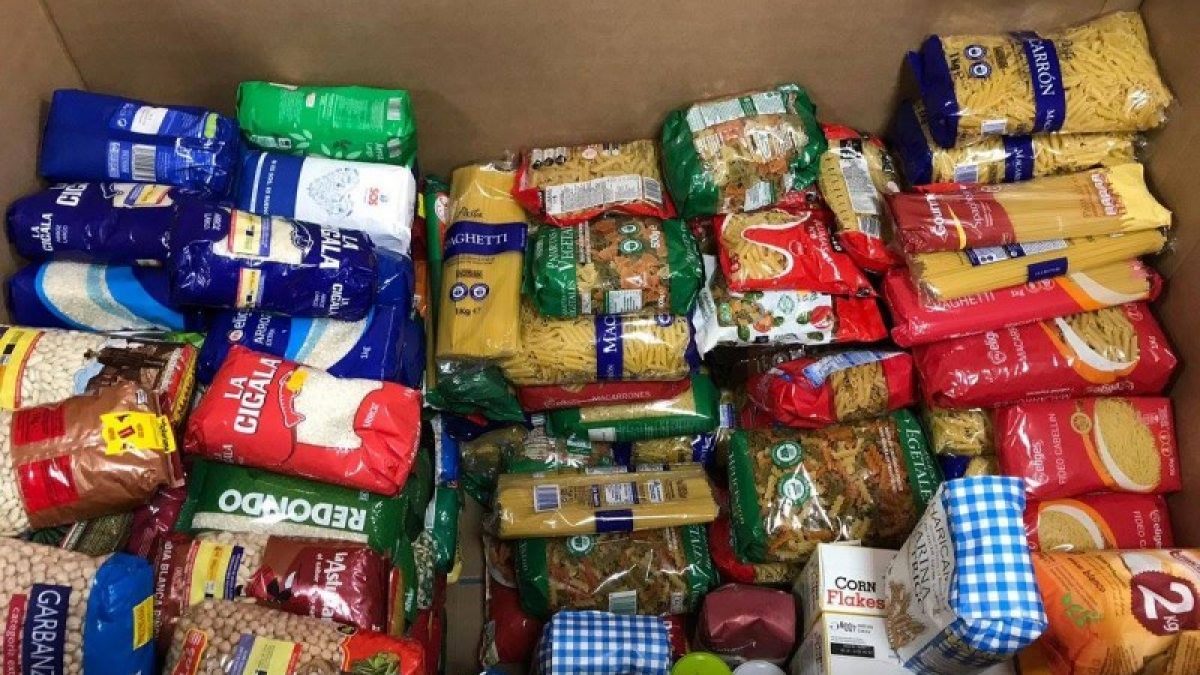
Volunteering: An Investment in Community Capital
Time is a valuable asset, and volunteering at a food bank is a direct contribution to its operational efficiency and effectiveness. Beyond the direct impact of sorting food or packing boxes, volunteers play a crucial role in the financial viability of these organizations.
-
Operational Cost Savings: Every hour contributed by a volunteer reduces the need for paid staff, directly lowering the food bank’s operational expenses. This financial saving means more resources can be directed towards food acquisition and distribution programs.
-
Increased Capacity and Reach: A strong volunteer base allows food banks to process more donations, manage larger distributions, and potentially expand their services. This increased capacity translates into more people being served, thus extending financial relief to a wider segment of the population.
-
Skill Transfer and Innovation: Volunteers often bring diverse professional skills, from logistics and marketing to finance and technology. Applying these skills can lead to process improvements, fundraising innovations, and more efficient management of resources, boosting the food bank’s overall financial effectiveness.
-
Building Social Capital: Volunteering fosters stronger community ties and a shared sense of responsibility. This social capital is invaluable, creating networks of support that can rally resources during times of crisis and build long-term resilience against financial hardship.
In essence, volunteering at a food bank is an investment in community capital, turning human effort into tangible financial and social benefits that underpin the economic stability of countless individuals and families.
The question “where is the food bank near me?” is more than a query for a location; it’s an entry point into a broader understanding of personal finance, community support, and economic resilience. For those facing financial challenges, food banks offer immediate, vital relief, allowing for strategic resource reallocation and preventing deeper financial distress. For those able to contribute, supporting food banks, through donations of food, money, or time, is a powerful way to invest in the financial health and stability of the entire community. Recognizing food banks not just as charities but as essential components of our collective financial infrastructure is crucial for fostering a society where everyone has the opportunity to achieve economic well-being.
aViewFromTheCave is a participant in the Amazon Services LLC Associates Program, an affiliate advertising program designed to provide a means for sites to earn advertising fees by advertising and linking to Amazon.com. Amazon, the Amazon logo, AmazonSupply, and the AmazonSupply logo are trademarks of Amazon.com, Inc. or its affiliates. As an Amazon Associate we earn affiliate commissions from qualifying purchases.