
The seemingly simple question, “When does PNC Bank open?” opens a much broader dialogue about the evolving landscape of personal finance and the crucial role financial institutions play in our daily lives. In an era defined by instant gratification and digital convenience, the traditional concept of banking hours has been fundamentally transformed. For the astute individual managing their personal finances, understanding bank accessibility goes far beyond merely knowing when the physical branch doors swing open; it encompasses a holistic view of financial services available at any time, from any place. This article delves into how modern banking, exemplified by institutions like PNC, facilitates effective personal finance management, emphasizing that “open” now signifies a continuous state of financial support and opportunity.
The Evolving Landscape of Banking Access for Personal Finance
The financial world has undergone a seismic shift, moving from a primarily brick-and-mortar model to a sophisticated digital ecosystem. This transformation has profound implications for how individuals interact with their money and manage their financial futures.
Beyond Branch Hours: Digital Banking and 24/7 Access
For many, the question “when does the bank open” has become largely rhetorical. The advent of digital banking platforms has rendered traditional opening hours almost obsolete for a vast array of common transactions. Mobile banking apps, online portals, and a sprawling network of ATMs collectively create a perpetually “open” financial environment. With a smartphone or computer, an individual can check balances, transfer funds between accounts, pay bills, deposit checks (via mobile deposit), review transaction history, and even apply for loans or credit cards at any hour of the day or night, irrespective of time zones or holidays.
This 24/7 accessibility is not merely a convenience; it’s a cornerstone of modern personal finance. It empowers individuals to manage their money on their own terms, fitting financial tasks into busy schedules rather than bending their lives around bank hours. The ability to monitor accounts constantly helps in real-time budgeting, immediate fraud detection, and timely bill payments, all critical components of sound financial health. For instance, noticing an unusual transaction at 10 PM on a Sunday can be addressed immediately, rather than waiting until Monday morning, potentially mitigating larger issues. This constant vigilance, enabled by digital access, is an invaluable tool for maintaining financial security and control.
The Role of Physical Branches in a Digital Age
While digital channels have undoubtedly taken center stage, the physical bank branch, including those operated by PNC, retains a vital, albeit redefined, role. Branch hours, when considered in this context, are still important for specific, often more complex, financial interactions that benefit from human guidance and direct interaction.
Physical branches serve as hubs for personalized financial advice. For significant life events such as planning for retirement, setting up complex investment portfolios, discussing mortgage options, or navigating estate planning, face-to-face consultations with financial advisors are often preferred. These interactions provide a level of nuanced discussion, trust, and tailored strategy that digital platforms, while powerful, cannot fully replicate. Furthermore, certain transactions, like obtaining cashier’s checks, large cash withdrawals or deposits, notarization services, or resolving intricate account issues, often still require a visit to a branch. The human touch also plays a significant role in fostering customer loyalty and providing reassurance, especially during times of financial uncertainty or when dealing with sensitive personal information. Thus, while the digital realm offers perpetual access for transactional needs, the branch provides crucial access to expertise and personalized service, rounding out a comprehensive approach to personal finance.
Leveraging PNC’s Services for Strategic Personal Finance Management
Beyond the immediate question of access, understanding how a bank like PNC can be leveraged for strategic financial planning is paramount. Its diverse offerings extend well beyond basic transactions, providing tools for growth, protection, and long-term security.
Core Banking Services and Their Financial Planning Implications
At its foundation, PNC, like other full-service banks, offers essential checking and savings accounts. However, their utility in personal finance extends far beyond simple storage. Checking accounts, often linked with debit cards and online bill pay, are the operational hubs for daily expenses and income. Strategic use involves monitoring these accounts diligently to prevent overdrafts, tracking spending for budgeting purposes, and ensuring timely bill payments to maintain a strong credit history. Savings accounts are crucial for building an emergency fund, a financial safety net that covers unexpected expenses without resorting to high-interest debt. High-yield savings options, or money market accounts, offered by banks can enhance this strategy by providing better returns, making your savings work harder for you. Understanding the different types of accounts, their fee structures, and interest rates is a fundamental step in optimizing personal cash flow and liquidity.
Moreover, credit cards offered by banks like PNC play a dual role. While providing convenient access to credit and facilitating purchases, they are also powerful tools for building a credit score, which is vital for future borrowing needs like mortgages or car loans. Responsible use—paying balances in full and on time—is key to harnessing their benefits without falling into debt traps.
Investment and Wealth Management Tools
For individuals looking beyond basic banking to grow their wealth, PNC often provides a suite of investment and wealth management services. This moves the discussion from merely managing money to actively growing it. Services can include brokerage accounts for buying stocks, bonds, and mutual funds, as well as specialized retirement accounts like IRAs (Individual Retirement Accounts) and 401(k) rollovers. These tools are indispensable for long-term financial planning, allowing individuals to save and invest for retirement, college education, or other significant life goals.

Many banks also offer access to financial advisors who can provide personalized guidance on investment strategies, risk tolerance, and portfolio diversification. This expert advice can be invaluable for navigating complex market conditions and making informed decisions aligned with one’s financial objectives, illustrating another vital aspect of banking “access” – access to expertise.
Specialized Solutions for Diverse Financial Needs
Life is full of major milestones, and banks like PNC offer specialized products to support them. For instance, purchasing a home is often the largest financial commitment an individual makes, and PNC provides various mortgage options, including fixed-rate, adjustable-rate, and FHA loans. Similarly, personal loans can help finance large purchases, consolidate debt, or cover unexpected expenses.
For entrepreneurs or individuals with side hustles, some banks also bridge into small business banking services, which, while distinct, often interlace with personal finance, particularly for sole proprietors or small business owners whose personal and business finances are closely tied. Understanding how these specialized solutions fit into an overarching personal financial strategy, from eligibility requirements to repayment terms, is crucial for making informed decisions at different life stages.
Optimizing Your Banking Relationship for Financial Growth
To truly benefit from a banking relationship, one must move beyond passive account holding to proactive engagement and strategic utilization of available resources.
Proactive Engagement: Maximizing Bank Resources
Maximizing the value of your banking relationship involves more than just transactional activities. It requires proactive engagement. Regularly reviewing account statements for accuracy, understanding all associated fees, and comparing interest rates on savings or loan products are essential habits. Many banks, including PNC, offer online budgeting tools, financial calculators, and educational resources designed to enhance financial literacy. Utilizing these tools can help individuals set realistic financial goals, track progress, and make more informed decisions about saving, spending, and investing. Scheduling periodic financial reviews with a bank advisor, especially during significant life changes like marriage, a new job, or starting a family, can ensure that your financial strategy remains aligned with your evolving needs and goals. This proactive approach transforms the bank from a mere service provider into a strategic partner in your financial journey.
Security and Trust in a Digital Banking Environment
In an increasingly digital world, the question of “when does the bank open” also implies a need for constant security vigilance. Financial institutions invest heavily in cybersecurity measures to protect customer data and assets. This includes sophisticated encryption, multi-factor authentication, fraud monitoring systems, and secure online portals. However, personal responsibility is equally crucial. Individuals must adopt best practices like using strong, unique passwords, being wary of phishing attempts, regularly checking credit reports, and promptly reporting any suspicious activity. The trust relationship with a bank hinges on both the institution’s commitment to security and the customer’s diligence in protecting their personal information. Understanding the bank’s security protocols and adhering to personal security measures ensures that the convenience of 24/7 digital access does not come at the cost of financial vulnerability.
The Future of Banking and Its Impact on Personal Financial Accessibility
The landscape of banking is far from static. Continuous innovation promises even greater accessibility and personalization in how individuals manage their money.
AI, Personalization, and Predictive Financial Insights
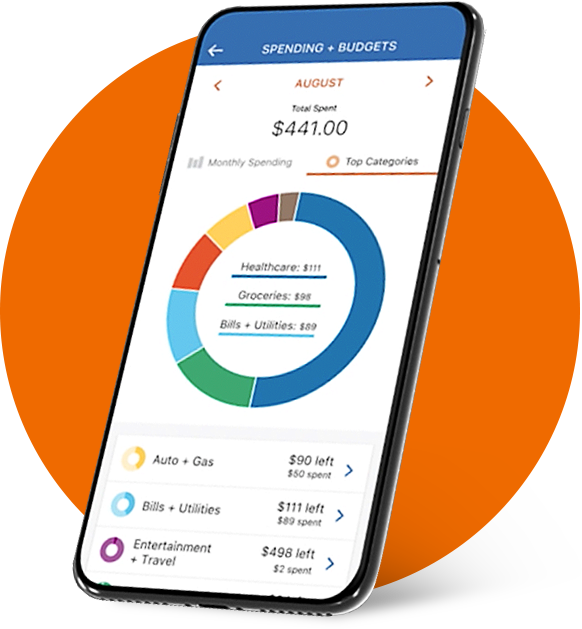
The future of banking is heavily influenced by artificial intelligence (AI) and machine learning. These technologies are poised to revolutionize personal finance by offering highly personalized experiences and predictive insights. AI-powered tools can analyze spending patterns, identify opportunities for savings, suggest optimal investment strategies based on individual risk profiles, and even predict potential financial shortfalls, proactively alerting users. Imagine a bank app that not only shows you your balance but also advises you to transfer funds to savings because it predicts you’ll have extra cash this month, or alerts you to a potential budget overrun before it happens. This level of personalized, proactive guidance will transform financial management from a reactive task to a seamlessly integrated, anticipatory process, making financial well-being more attainable for everyone.
The Blurring Lines: Fintech Partnerships and Integrated Financial Ecosystems
The traditional boundaries between banks and financial technology (Fintech) companies are increasingly blurring. Many established banks are partnering with or acquiring fintech startups to integrate cutting-edge solutions into their offerings. This trend is leading to the creation of integrated financial ecosystems where various services—from budgeting apps and investment platforms to payment solutions and lending services—are seamlessly connected and accessible from a single interface. This convergence will further enhance financial accessibility, offering a comprehensive suite of tools that cater to every aspect of an individual’s financial life, often in a more intuitive and user-friendly manner. The “open” concept will expand to encompass not just the bank’s own services but a broader network of interconnected financial tools, creating a truly holistic approach to personal finance management.
In conclusion, the question “When does PNC Bank open?” has evolved dramatically beyond its literal interpretation. It now encapsulates a rich discussion about perpetual digital access, strategic financial tools, personalized expert guidance, robust security, and an exciting future shaped by technological innovation. For anyone committed to sound personal finance, understanding and leveraging this comprehensive accessibility is no longer a luxury but a fundamental necessity for navigating and thriving in the modern financial world. The bank, in its modern iteration, is always “open” to support your financial journey, offering a continuous stream of resources designed to help you save, invest, and secure your financial future.
aViewFromTheCave is a participant in the Amazon Services LLC Associates Program, an affiliate advertising program designed to provide a means for sites to earn advertising fees by advertising and linking to Amazon.com. Amazon, the Amazon logo, AmazonSupply, and the AmazonSupply logo are trademarks of Amazon.com, Inc. or its affiliates. As an Amazon Associate we earn affiliate commissions from qualifying purchases.