
In the intricate world of modern finance, understanding the mechanisms by which your money moves—and sometimes doesn’t—is paramount. For Bank of America customers, encountering an “ACH hold” can be a moment of confusion and frustration, particularly when access to vital funds is delayed. This article aims to demystify ACH holds, specifically within the context of Bank of America, providing a professional, insightful, and engaging guide to understanding why they happen, what their implications are, and how to navigate them effectively.
The Automated Clearing House (ACH) network is the backbone of electronic payments in the United States, facilitating everything from direct deposits and bill payments to person-to-person transfers. While highly efficient, the system, along with individual bank policies, sometimes necessitates temporary holds on funds. Understanding these holds isn’t just about avoiding inconvenience; it’s about gaining a deeper financial literacy that empowers you to manage your money more effectively.

Understanding ACH Transactions and Holds
To fully grasp what an ACH hold entails, it’s essential to first understand the underlying technology and processes that govern electronic fund transfers. The ACH network is a critical component of the U.S. financial infrastructure, and its rules directly influence how and when your funds become available.
What is ACH?
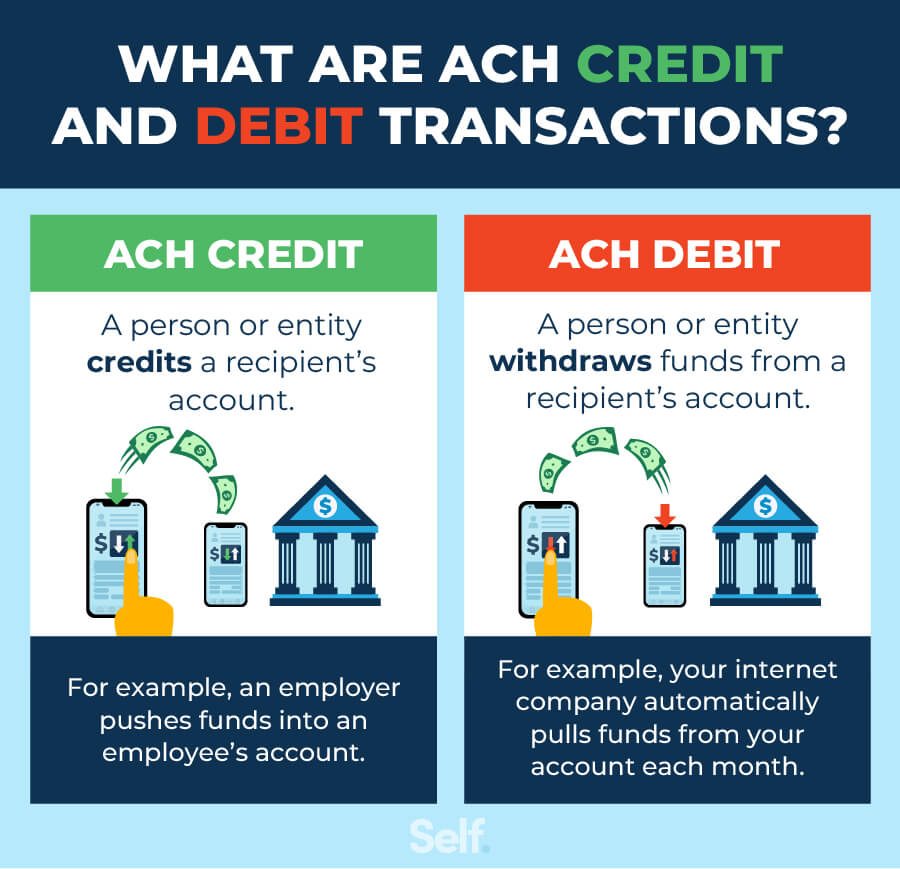
ACH stands for Automated Clearing House. It’s an electronic network for financial transactions in the United States, managing a vast volume of credit and debit transactions. Governed by Nacha (formerly the National Automated Clearing House Association), the ACH network facilitates direct deposits of paychecks and government benefits, automatic bill payments, business-to-business payments, and even person-to-person payments through apps like Zelle (which often routes through ACH). Unlike wire transfers, which are immediate and costly, ACH transactions are typically processed in batches, making them more economical but not instantaneous.
How ACH Transactions Work
When you initiate an ACH transaction, such as paying a bill online or receiving a direct deposit, the request doesn’t instantly move money from one account to another. Instead, banks collect these requests throughout the day. At specific times, these batched transactions are sent to an ACH operator (either the Federal Reserve or The Clearing House), which then sorts and forwards them to the receiving banks. The receiving bank processes the transactions, either crediting or debiting the relevant accounts. This batch processing model typically results in a settlement period of 1 to 3 business days for transactions to fully clear. While the money might appear in your account quickly, it often takes a few days for the transaction to be fully settled and irreversible, and for the funds to be truly “available.”
The Concept of a “Hold” in Banking
A “hold” in banking refers to a temporary restriction placed on funds in your account, preventing you from withdrawing, transferring, or otherwise using them. Banks implement holds for various reasons, primarily to mitigate risk. When a bank places a hold on an ACH deposit, it’s because they need to ensure the funds are legitimate and that the initiating bank has sufficient funds to cover the transaction. This protective measure is standard practice across the banking industry, allowing financial institutions to comply with regulations, prevent fraud, and manage their own liquidity risks. While often frustrating for the customer, holds are designed to protect both the bank and its account holders from potential losses due to fraudulent or unfunded transactions.
Specific Scenarios Leading to an ACH Hold at Bank of America
Bank of America, like other financial institutions, applies ACH holds based on a combination of regulatory requirements, internal risk assessment policies, and the specific nature of the transaction. Understanding these common scenarios can help you anticipate and potentially avoid delays in accessing your funds.
Initial Deposits and Large Transfers
One of the most frequent reasons for an ACH hold, particularly at Bank of America, involves initial deposits into new accounts or unusually large transfers into established accounts. When a new account is opened, banks often exercise greater caution until a consistent pattern of deposits and withdrawals is established. A substantial initial ACH deposit might be held longer to verify its source and ensure its authenticity. Similarly, an exceptionally large ACH transfer, even into a long-standing account, can trigger an automatic hold. This is not necessarily an indication of suspicion but rather a standard risk management practice to confirm the legitimacy of a significant movement of money and to protect both the customer and the bank from potential fraud or errors.
Suspicious Activity and Fraud Prevention
Bank of America employs sophisticated systems to monitor for suspicious activity as part of its robust fraud prevention measures. If an incoming ACH transaction triggers any red flags within these systems, a hold will likely be placed. Red flags might include transfers from unknown or unusual sources, transactions involving high-risk geographies, or patterns of activity that deviate significantly from a customer’s typical banking behavior. These holds are critical for protecting customers from scams, identity theft, and money laundering. While inconvenient, they serve as a vital layer of security designed to safeguard your financial assets and comply with federal regulations like the Bank Secrecy Act.
Insufficient Funds and Returned ACH Items
An ACH hold can also arise when a previously initiated ACH debit, such as an automatic bill payment, is returned due to insufficient funds in the payer’s account. If you attempt to initiate a payment and there isn’t enough money in your Bank of America account to cover it, the ACH debit will be returned unpaid. Bank of America may then place a hold on subsequent incoming ACH deposits or even freeze funds to cover potential fees or to ensure that future debits can be processed. This scenario can create a cascading effect, leading to late payment fees from creditors and additional fees from Bank of America for returned items. Understanding your account balance and ensuring sufficient funds before initiating payments is crucial to avoid this particular type of hold.
New Accounts and Unverified Payees
For new Bank of America accounts, or when receiving funds from an unverified or recently added payee via ACH, holds are more common. Banks need time to establish the legitimacy of both the account holder and the source of funds. This might involve verifying the identity of the person or entity sending the money, confirming that the account sending the funds is in good standing, or simply observing a period of regular, predictable activity before waiving certain hold policies. This protective measure helps Bank of America mitigate the risk associated with unknown parties and ensures that funds are genuinely available before they are released for withdrawal or transfer.
The Impact of an ACH Hold on Your Finances
An ACH hold, while a necessary security measure, can have significant repercussions on a customer’s personal and business finances. Understanding these impacts is crucial for effective financial planning and for mitigating potential negative outcomes.
Delayed Access to Funds
The most immediate and obvious impact of an ACH hold is the delayed access to your money. Even if your online banking portal shows a deposit, the “available balance” might be lower than your “current balance” if a portion of the funds is on hold. This means you cannot withdraw cash, make purchases with your debit card against those held funds, or initiate transfers until the hold is lifted. For individuals relying on direct deposit for their paychecks or for critical bill payments, such delays can be extremely disruptive, potentially leading to missed payments, overdrafts, and significant stress. The duration of the hold can vary, from a few business days to sometimes longer, depending on the reason for the hold and the bank’s investigation process.
Potential Fees and Consequences
Beyond the inconvenience, ACH holds can lead to a cascade of financial penalties. If you’ve scheduled automatic bill payments or other debits that coincide with a held deposit, those payments might bounce due to insufficient available funds. This can result in:
-
Overdraft Fees: Bank of America may charge you an overdraft fee if a transaction attempts to draw from held funds, causing your available balance to go negative.
-
Returned Item Fees: If an outgoing payment bounces, you might incur a “returned item fee” from Bank of America.
-
Late Payment Fees from Creditors: The merchant or service provider you were trying to pay will likely charge you a late fee for the missed payment, and repeated instances could negatively impact your credit score.
-
Service Disruptions: Utilities or other services might be temporarily suspended if payments are consistently missed due to held funds.
These accumulated fees can quickly diminish your financial stability and create a cycle of debt and penalties, making it harder to catch up.
Managing Bills and Payments
When an ACH hold impacts your ability to access funds, carefully managing your bills and payments becomes critical. It’s essential to monitor your “available balance” closely, not just your “current balance,” to determine what funds you can actually use. If you anticipate a hold or are experiencing one, you might need to:
-
Adjust Payment Schedules: If possible, contact your creditors to explain the situation and request a temporary extension or alternative payment method.
-
Prioritize Essential Payments: Allocate available funds to cover the most critical bills (e.g., rent, utilities, loan payments) first to avoid severe consequences.
-
Use Alternative Funds: If you have an emergency fund or access to other liquid assets, you might need to use them to cover immediate expenses.
Proactive communication with Bank of America and your creditors is key to minimizing the negative impact of an ACH hold on your financial obligations.
Navigating and Resolving ACH Holds with Bank of America
While ACH holds can be frustrating, Bank of America provides channels and practices to help customers understand and, where possible, expedite their resolution. Proactive measures and effective communication are your best tools.
Proactive Measures to Minimize Holds
Minimizing the likelihood and duration of ACH holds often starts with good banking habits:
-
Maintain Sufficient Balances: Always ensure you have enough funds in your account to cover anticipated debits, especially around the time of large incoming deposits.
-
Understand Bank Policies: Familiarize yourself with Bank of America’s funds availability policy, which is typically outlined in your account agreement. This policy details standard hold times for different types of deposits.
-
Establish a Banking Relationship: A long-standing, positive relationship with Bank of America, characterized by consistent deposits and responsible account management, can sometimes lead to more favorable treatment regarding hold policies.
-
Utilize Alternative Payment Methods: For time-sensitive large transfers, consider wire transfers (though more expensive) or certified checks, which typically clear faster than ACH.
-
Verify Payees: If receiving a large sum from an unfamiliar source, ensure you have all necessary details and perhaps communicate with the sender to ensure they understand the potential for holds.
-
Direct Deposit Consistency: For regular income, consistent direct deposits are rarely held once established, making them a reliable way to receive funds.
What to Do If Your Funds are Held
If you find that an ACH hold has been placed on your funds at Bank of America, take the following steps:
-
Check Your Online Banking: Log into your Bank of America account online or via the mobile app. Look at your “available balance” versus your “current balance.” Often, the transaction details will indicate the held amount and potentially an estimated release date.
-
Review Transaction Details: Understand the source and amount of the held transaction. This information will be crucial when speaking with the bank.
-
Gather Documentation: If the hold is on a large deposit or from an unfamiliar source, gather any supporting documentation you have (e.g., invoices, transfer confirmations, communication with the sender). This can help substantiate the legitimacy of the funds.
-
Prioritize and Adjust: As discussed, identify immediate financial obligations and determine how to cover them with available funds or alternative means.
Communicating with Bank of America
Effective communication is paramount when dealing with an ACH hold.
-
Contact Customer Service: Call Bank of America’s customer service number or visit a local branch. Be prepared to explain the situation clearly and concisely.
-
Be Specific: Provide the exact date and amount of the deposit, the name of the sender, and any other relevant transaction identifiers.
-
Ask for the Reason: Politely inquire about the specific reason for the hold. Understanding the “why” can often help you address the issue or provide necessary information.
-
Inquire About Expediting: Ask if there’s anything you can do to expedite the release of funds. This might involve providing additional documentation, verifying your identity, or confirming details with the sender. Be aware that not all holds can be expedited, particularly those related to regulatory compliance or suspected fraud.
-
Document Everything: Keep a record of who you spoke with, when, what was discussed, and any reference numbers provided. This documentation can be invaluable if the issue persists.
While Bank of America aims to release funds as quickly as possible, their primary responsibility is to maintain the security and integrity of the financial system. Patience combined with proactive engagement is often the most effective strategy.
Broader Implications and Best Practices
Understanding ACH holds extends beyond simply resolving an immediate issue; it’s about cultivating a more robust approach to your financial management. By adopting best practices, you can navigate the complexities of electronic banking with greater confidence.
Financial Literacy and Account Monitoring
A strong foundation in financial literacy is your best defense against unexpected banking challenges. This includes:
-
Regular Account Monitoring: Make it a habit to check your Bank of America account regularly, not just when you expect a deposit or payment. This allows you to spot holds, unexpected debits, or fraudulent activity early.
-
Understanding Terms and Conditions: While lengthy, your account agreement with Bank of America contains vital information about funds availability, fees, and bank policies. Periodically reviewing key sections can prevent surprises.
-
Learning About Payment Systems: Educate yourself on the differences between ACH, wire transfers, card transactions, and other payment methods. Each has distinct processing times, costs, and security features.
-
Budgeting with Buffer Funds: Always maintain a buffer in your checking account beyond your immediate needs. This “safety net” can absorb minor delays or unexpected fees without causing an overdraft.
By being informed and vigilant, you transform from a passive account holder to an active financial manager, better equipped to anticipate and manage potential issues.
Utilizing Other Bank of America Features
Bank of America offers various features and services that can indirectly help in managing situations where ACH holds might occur:
-
Alerts and Notifications: Set up alerts for low balances, large deposits, or withdrawals. This ensures you’re immediately notified of significant account activity, including when a hold might be impacting your available balance.
-
Bank of America Mobile App: The app provides instant access to your account balances, transaction history, and often includes estimated fund availability dates. It’s a powerful tool for on-the-go account management.
-
Savings Goals and Emergency Funds: Cultivate separate savings accounts, perhaps linked to your primary checking, to build an emergency fund. This fund can serve as a lifeline if a critical payment is due and your primary funds are temporarily held.
-
Customer Support Channels: Beyond phone support, Bank of America offers various digital support options. While complex hold issues often require a call, familiarize yourself with their online help resources.
By leveraging these tools, you enhance your ability to monitor your finances, respond quickly to issues, and maintain financial stability even when unexpected holds occur.

Conclusion
The question “what is an ACH hold at Bank of America?” delves into a fundamental aspect of modern banking: the balance between speed, security, and risk management. While frustrating when experienced, ACH holds are an integral part of the financial system designed to protect both you and the bank from fraud, errors, and illicit activities.
For Bank of America customers, understanding the ‘why’ behind these holds—whether it’s due to new accounts, large transfers, suspicious activity, or insufficient funds—is the first step toward effective management. By adopting proactive banking habits, closely monitoring your account, and knowing how to communicate effectively with Bank of America when a hold occurs, you can significantly mitigate the inconvenience and potential financial repercussions. Ultimately, navigating ACH holds is about empowering yourself with financial knowledge, ensuring smoother and more secure transactions in your banking journey.
aViewFromTheCave is a participant in the Amazon Services LLC Associates Program, an affiliate advertising program designed to provide a means for sites to earn advertising fees by advertising and linking to Amazon.com. Amazon, the Amazon logo, AmazonSupply, and the AmazonSupply logo are trademarks of Amazon.com, Inc. or its affiliates. As an Amazon Associate we earn affiliate commissions from qualifying purchases.