
In the intricate tapestry of modern finance, banks and trust companies stand as two of the most foundational pillars. While often mentioned in the same breath, particularly in the context of comprehensive financial services, they fulfill distinct yet often complementary roles. Understanding “what is a bank and trust” goes beyond mere definitions; it delves into the core mechanisms that facilitate economic activity, protect assets, and manage wealth across generations. This exploration will dissect the unique functions of each entity, highlight their synergistic potential, and illuminate their collective importance in today’s complex financial world.

Understanding the Core Functions of a Bank
At its essence, a bank is a financial institution licensed to accept deposits and make loans. For centuries, banks have served as the central conduits for capital, enabling individuals and businesses to save, borrow, and transact securely. Their operations are critical for economic stability and growth, facilitating everything from daily purchases to large-scale infrastructure projects.
Deposit-Taking and Lending: The Traditional Pillars
The most recognizable functions of a bank are deposit-taking and lending. When individuals and businesses deposit money into checking or savings accounts, banks pool these funds. This aggregated capital then becomes the primary source for the bank to issue loans—mortgages for homes, personal loans for consumer needs, and business loans for enterprises of all sizes. This intermediary role is vital: depositors earn interest on their savings, while borrowers gain access to capital they need, stimulating economic activity. The difference between the interest banks pay on deposits and the interest they charge on loans forms a significant portion of their revenue. This process, known as financial intermediation, efficiently allocates capital throughout the economy, ensuring that surplus funds from savers are channeled to those who need to invest or spend.
Payment Processing and Transaction Facilitation
Beyond traditional deposit and loan activities, banks are the backbone of the global payment system. They facilitate an enormous volume of transactions daily, from simple debit card purchases and ATM withdrawals to complex international wire transfers and automated bill payments. Through various technologies and networks, banks ensure the secure and efficient movement of money, making commerce and personal finance seamless. This includes providing services like checking accounts, debit cards, credit cards, online banking portals, and mobile payment apps. Without the robust infrastructure provided by banks, the speed and convenience of modern financial transactions would be impossible, severely hindering both individual convenience and the pace of global trade.
Financial Advisory and Wealth Management Services
Many contemporary banks have expanded their offerings to include a wide array of financial advisory and wealth management services. For individuals, this might involve retirement planning, investment guidance, and estate planning support. For businesses, banks often provide treasury management services, foreign exchange services, and corporate finance advice. These services move beyond simple transactions to offer strategic guidance on managing and growing wealth, leveraging the bank’s extensive financial expertise and access to various financial products. The integration of these services allows banks to serve as comprehensive financial partners, addressing a broader spectrum of client needs, from basic banking to sophisticated financial planning.
The Role of Regulation in Banking
Given their critical role in the economy, banks are heavily regulated by governmental authorities. Regulators establish rules pertaining to capital adequacy, lending practices, consumer protection, and anti-money laundering (AML) measures. The goal is to maintain the stability and integrity of the financial system, protect depositors’ funds, and prevent systemic risks that could lead to economic crises. Adherence to these regulations is paramount for banks, influencing everything from their operational procedures to their strategic decision-making. These regulatory frameworks are constantly evolving in response to market changes and emerging risks, ensuring that banks operate within strict parameters designed for public trust and financial health.
Delving into the Concept of a Trust Company
A trust company, sometimes operating as a trust department within a larger bank, specializes in acting as a fiduciary. This means it holds and manages assets for the benefit of another party, known as the beneficiary, according to the instructions of the grantor (the person who established the trust). Trust companies are distinct from traditional banks in their primary focus: rather than primarily taking deposits and lending, their core business revolves around managing assets and fulfilling fiduciary duties.
What is a Trust? Defining the Fiduciary Relationship
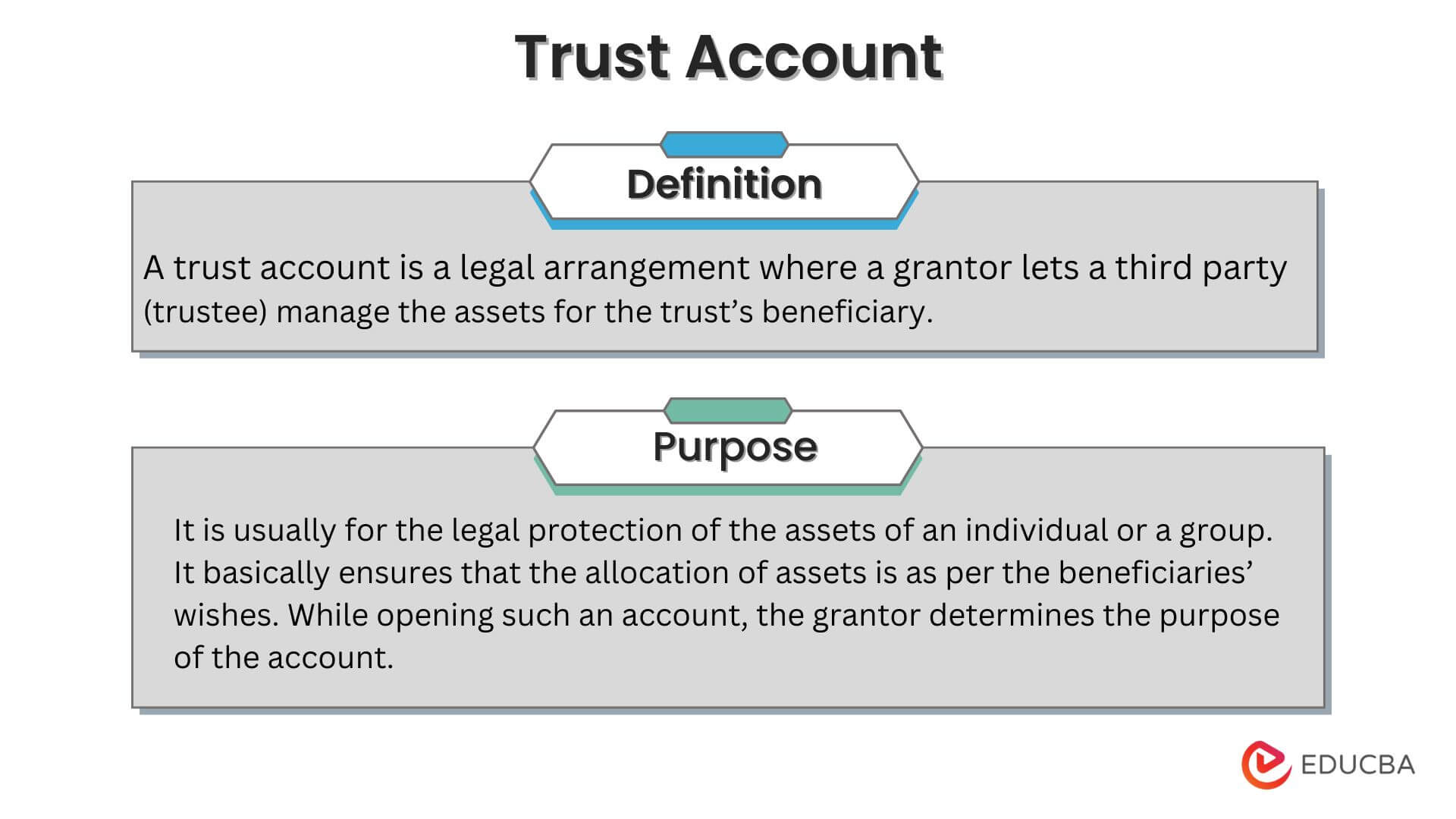
At its heart, a trust is a legal arrangement where one party (the grantor) transfers assets to another party (the trustee, which is often a trust company) to hold and manage for the benefit of a third party (the beneficiary). The trustee has a fiduciary duty, a legal and ethical obligation to act solely in the best interests of the beneficiaries, exercising prudence and diligence in managing the trust assets. This duty is the highest standard of care recognized by law, demanding unwavering loyalty and transparency. A trust can be established for various reasons, including wealth preservation, philanthropic endeavors, or ensuring the financial well-being of future generations or individuals who may not be able to manage assets themselves. The trust document specifies the terms and conditions under which the assets are to be managed and distributed.
Key Services Offered by Trust Companies
Trust companies offer a specialized suite of services centered around fiduciary responsibilities. These include acting as executor of estates, administering various types of trusts (such as revocable living trusts, irrevocable trusts, charitable trusts, and special needs trusts), and providing asset custody. They also offer corporate trust services, suchating as bond trustee for municipal and corporate bonds or acting as transfer agent for publicly traded companies. Their expertise lies in understanding complex legal and tax implications associated with asset ownership and transfer, ensuring compliance and optimal management. They manage investment portfolios within the trust, handle distributions to beneficiaries, prepare tax filings, and navigate legal requirements.
Estate Planning and Wealth Preservation
One of the most significant roles of a trust company is in estate planning and wealth preservation. By establishing a trust, individuals can dictate how their assets will be managed and distributed after their death or incapacitation, often avoiding the lengthy and public probate process. Trust companies provide continuity and professional management, ensuring that assets are preserved and distributed according to the grantor’s wishes, even across multiple generations. This is particularly valuable for complex estates, families with special needs members, or those wishing to make significant charitable contributions. They help clients structure their assets in a way that can minimize estate taxes, protect assets from creditors, and provide for the long-term financial security of their heirs.
Investment Management and Fiduciary Oversight
Trust companies are often responsible for the investment management of the assets held within the trusts they administer. This involves making investment decisions that align with the trust’s objectives, the grantor’s instructions, and the beneficiaries’ best interests, always adhering to the fiduciary standard. They conduct due diligence, monitor market performance, and adjust portfolios as needed, balancing risk and return to achieve the trust’s financial goals. Their oversight extends beyond mere investment performance; it encompasses ensuring all actions are compliant with the trust document and applicable laws, thereby providing a layer of professional governance and protection for the trust assets. This diligent management is crucial for maintaining the value of the trust over extended periods.
Key Differences and Synergies Between Banks and Trust Companies
While both banks and trust companies are integral to the financial ecosystem, their primary focuses, regulatory frameworks, and client relationships often differ significantly. However, in many modern financial institutions, these two functions are integrated, leading to powerful synergies.
Primary Business Focus: Commercial vs. Fiduciary
The fundamental difference lies in their primary business models. Banks primarily engage in commercial activities: accepting deposits, making loans, and facilitating transactions to generate profit. Their relationship with clients is generally transactional, although it can evolve into advisory. Trust companies, conversely, are primarily engaged in fiduciary activities: managing assets for others, acting as a trustee, executor, or guardian. Their relationship with clients is defined by a deep, long-term legal and ethical responsibility—a fiduciary duty—to act in the client’s best interest according to specific legal instruments. This distinction shapes everything from their operational structures to their risk management strategies. While a bank’s core revenue comes from net interest margin and fees for services, a trust company’s revenue primarily derives from fees charged for asset management and fiduciary services.
Risk Profiles and Regulatory Frameworks
Given their differing functions, banks and trust companies also face distinct risk profiles and operate under different regulatory regimes. Banks are exposed to credit risk (borrowers defaulting), liquidity risk (not having enough cash to meet obligations), and interest rate risk. Their regulation focuses heavily on capital adequacy, consumer protection, and systemic stability. Trust companies, while also facing investment risk within portfolios, are primarily concerned with operational risk, compliance risk (adhering to trust documents and laws), and reputational risk stemming from their fiduciary duties. Their regulation emphasizes the proper execution of fiduciary responsibilities, protection of beneficiaries, and ethical conduct. While there can be overlaps, the specific mandates and oversight bodies often reflect these distinct risk exposures.
Integrated Financial Services: The Evolution of “Bank and Trust”
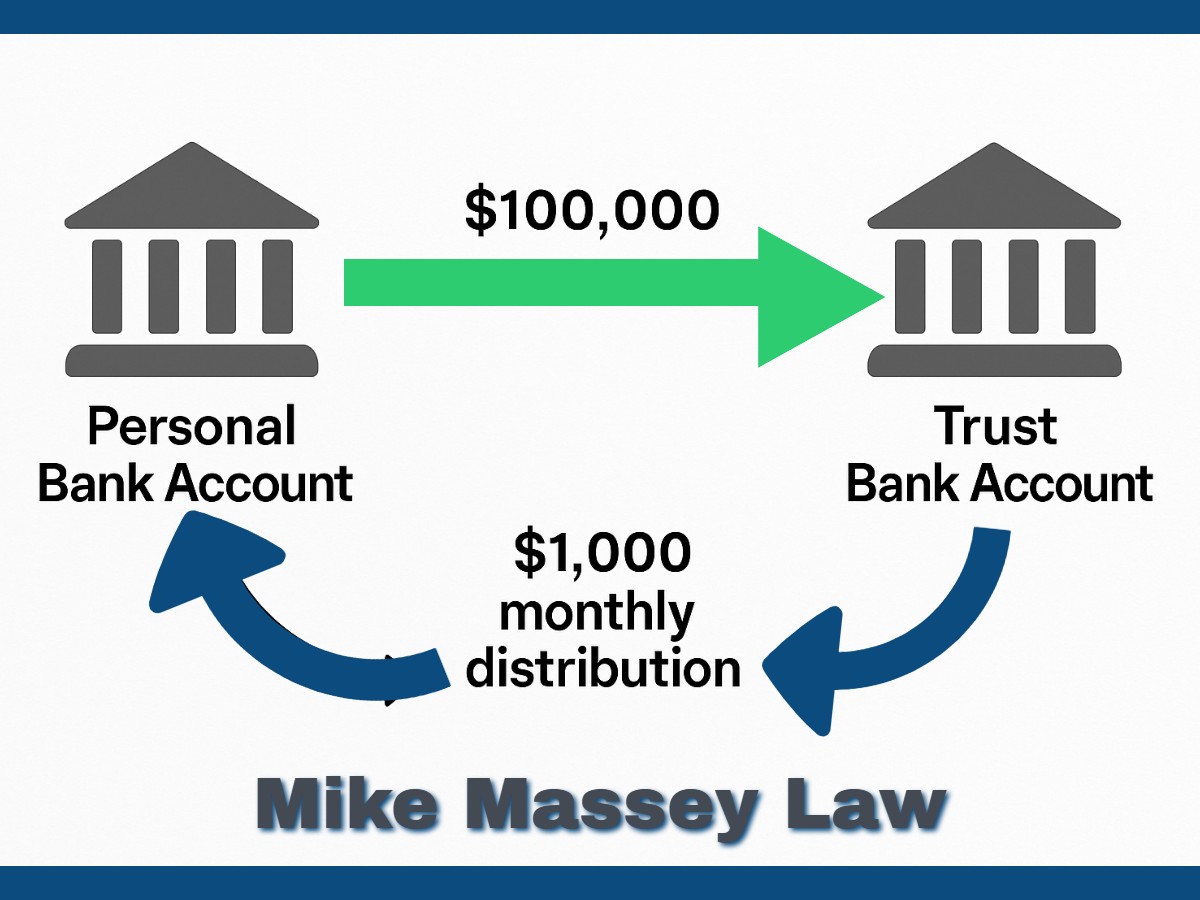
Increasingly, clients seek comprehensive financial solutions rather than fragmented services. This demand has led many institutions to offer integrated “bank and trust” services. This model combines the transactional ease and lending power of a traditional bank with the specialized asset management and fiduciary expertise of a trust company under one roof. For clients, this means a single point of contact for their checking account, mortgage, investment portfolio, and estate plan. The synergy allows for more holistic financial planning, where banking activities support trust objectives (e.g., trust distributions deposited directly into a beneficiary’s bank account), and trust services provide sophisticated wealth management beyond standard banking offerings. This integration simplifies financial life for high-net-worth individuals, families with complex needs, and businesses, offering convenience, efficiency, and coordinated advice.
The Evolving Landscape: Why “Bank and Trust” Matters Today
In an era of rapid financial innovation and increasing wealth complexity, the integrated “bank and trust” model remains profoundly relevant. As individuals accumulate more sophisticated assets and face increasingly intricate financial decisions, the need for robust, reliable, and integrated financial partners grows exponentially.
Navigating Complex Financial Needs
Modern life presents a myriad of financial complexities. From managing global investment portfolios and sophisticated business finances to planning for long-term care, philanthropic endeavors, or the succession of family wealth, individuals and families often require more than just basic banking services. An integrated bank and trust institution is uniquely positioned to address these multifaceted needs. It can provide a unified strategy that considers cash flow management, credit solutions, investment growth, and intergenerational wealth transfer, all within a coherent framework. This holistic approach ensures that different aspects of a client’s financial life are not managed in isolation but are harmonized to achieve overarching financial goals.
Security, Stability, and Expert Guidance
The security and stability offered by established banks and trust companies are invaluable. In a world characterized by economic fluctuations and evolving cyber threats, relying on regulated institutions for asset custody and management provides peace of mind. Furthermore, the expert guidance provided by professionals within these organizations—from financial advisors to trust officers—is critical. These experts bring deep knowledge of financial markets, tax laws, estate planning strategies, and fiduciary responsibilities, helping clients make informed decisions and navigate potential pitfalls. The combined institutional strength and specialized human capital ensure that assets are protected, investments are managed prudently, and legal obligations are met with precision.
The Future of Integrated Financial Solutions
The trend towards integrated financial solutions is set to continue, driven by technological advancements and client demand for personalized, seamless experiences. While fintech companies and specialized advisors address specific niches, the comprehensive nature of a “bank and trust” entity remains compelling for those seeking a one-stop solution for their entire financial lifecycle. The future will likely see these institutions leveraging advanced analytics and digital platforms to offer even more tailored advice, proactive planning, and efficient service delivery, further solidifying their role as indispensable partners in wealth management and financial stewardship. Their ability to adapt while upholding their core principles of trust and financial prudence will be key to their enduring relevance.
In conclusion, banks and trust companies, whether operating independently or as integrated entities, form the bedrock of financial stability and wealth management. While banks focus on commercial transactions and capital allocation, trust companies excel in fiduciary asset management and estate planning. Together, they offer a powerful combination of services, enabling individuals and businesses to navigate the complexities of money management, secure their financial future, and ensure their legacy. Understanding their distinct roles and synergistic potential is essential for anyone seeking to build, preserve, and transfer wealth effectively in the modern age.
aViewFromTheCave is a participant in the Amazon Services LLC Associates Program, an affiliate advertising program designed to provide a means for sites to earn advertising fees by advertising and linking to Amazon.com. Amazon, the Amazon logo, AmazonSupply, and the AmazonSupply logo are trademarks of Amazon.com, Inc. or its affiliates. As an Amazon Associate we earn affiliate commissions from qualifying purchases.