
In an increasingly digital world, managing personal finances has largely shifted from brick-and-mortar interactions to the convenience of online platforms. While opening new accounts or transferring funds online has become commonplace, the thought of closing a bank account, especially with a major institution like Bank of America (BofA), can still evoke a degree of apprehension. Many wonder if such a significant step can truly be completed without a visit to a branch or a lengthy phone call. The good news is that for many, closing a Bank of America account online is indeed a feasible and straightforward process, provided you understand the steps involved and prepare accordingly.
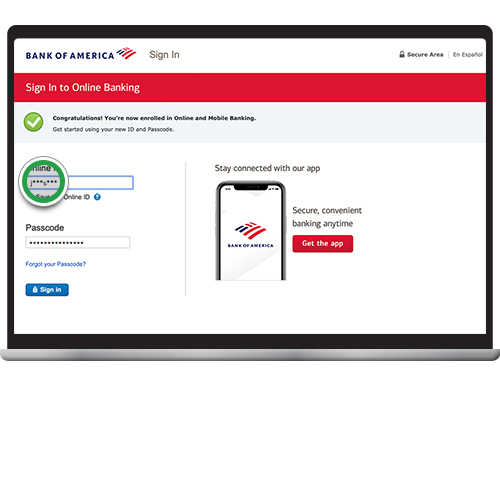
This comprehensive guide will demystify the online account closure process for Bank of America. We’ll delve into the reasons one might choose to close an account, the preparatory steps required, the specific actions to take online, and crucial considerations for ensuring a smooth transition. Our aim is to empower you with the knowledge to navigate this financial task with confidence and ease, ensuring that your banking relationship concludes on your terms and without unnecessary complications.
Understanding When and Why to Close an Account
Before diving into the mechanics of online closure, it’s essential to understand the rationale behind closing a bank account and to ensure it’s the right move for your financial situation. Closing an account isn’t merely about convenience; it’s often a strategic decision driven by evolving personal finance goals or changing banking needs.
Common Reasons for Account Closure
Individuals opt to close bank accounts for a variety of valid reasons, each stemming from a desire to optimize their financial management or adapt to new circumstances. One prevalent reason is the search for better banking terms. This could include seeking accounts with higher interest rates, lower (or no) monthly fees, or more favorable ATM networks elsewhere. As financial needs evolve, so too might the suitability of existing accounts. For instance, a student checking account may no longer serve the needs of a working professional.
Another significant motivator is streamlining financial management. Many people accumulate multiple bank accounts over time, some of which may become dormant or infrequently used. Consolidating these accounts can simplify budgeting, reduce the risk of forgotten fees, and provide a clearer overview of one’s financial landscape. Furthermore, negative experiences or dissatisfaction with customer service can prompt a move to a competitor. Whether it’s a persistent issue with an online banking feature, a dispute over fees, or simply a feeling of being undervalued, such experiences can be a strong catalyst for change. Finally, a significant life event, such as moving to a new region or country, might necessitate closing an account if the bank’s services are not easily accessible in the new location.
Prerequisites for a Smooth Closure Process
Regardless of your reason, preparing for account closure is paramount to avoid potential pitfalls. The most critical step is to ensure a zero balance in the account you intend to close. Any outstanding funds or negative balances can complicate the process, potentially incurring fees or delaying closure. It’s advisable to withdraw all funds or transfer them to another account, leaving a nominal amount (e.g., a few cents) to cover any final interest accruals or minor adjustments before reaching zero.
Equally important is to update all recurring payments and direct deposits. Before closing the account, create a comprehensive list of all automatic bill payments, subscriptions, and direct deposits linked to it. This includes your salary, government benefits, utility bills, loan payments, and streaming services. Failing to update these can lead to missed payments, late fees, or disruption to your income stream. Proactively shifting these to your new or preferred account well in advance of closure is crucial. Lastly, if you have a debit card or checkbook associated with the account, be prepared to destroy them once the account is officially closed to prevent unauthorized use.
The Digital Pathway: Initiating Closure Online
Bank of America, like many modern financial institutions, offers several avenues for account management, including closure. While visiting a branch is always an option, many simple closures can be initiated or completed through their digital channels. Understanding the specifics of Bank of America’s online capabilities is key.
Navigating Bank of America’s Online Platform
For eligible accounts, Bank of America provides tools within its online banking portal that can facilitate the closure process. Start by logging into your Bank of America online banking account using your credentials. Once logged in, navigate to the section that deals with account management. This is typically found under “Customer Service,” “Help & Support,” or within the details section of the specific account you wish to close. Look for options such as “Close Account,” “Manage Account,” or a secure messaging feature to communicate your intent.
While some basic checking or savings accounts might have a direct online closure button, more complex accounts or those with specific conditions may require initiating the process online but completing it with a representative. If a direct closure option isn’t immediately visible, the online secure message center is your next best bet. Here, you can send a formal request to close your account, providing all necessary details. A Bank of America representative will then review your request and guide you through the next steps, which may involve a follow-up call or further online instructions.
Essential Information and Documentation for Online Closure
When communicating your intent to close an account online, whether through a form or secure message, providing accurate and complete information will expedite the process. You will typically need your account number, your full legal name as it appears on the account, and possibly the last four digits of your Social Security Number (SSN) or another form of identification for verification purposes.
Clearly state your intention to close the account and, if applicable, specify how you wish to receive any remaining funds (e.g., transfer to another BofA account, transfer to an external bank, or a cashier’s check mailed to your address). Ensure your contact information (phone number, email, and mailing address) on file with Bank of America is current, as they may need to reach you for verification or to send final documentation. While physical documents aren’t usually required for online initiation, having digital copies of recent statements can be helpful for cross-referencing account details.
Key Considerations for Joint or Specialized Accounts
Closing joint accounts online can be more intricate than closing individual accounts. Typically, all account holders must consent to the closure. Bank of America’s online system might require verification from both parties, or it might direct you to a joint account closure form that needs to be signed by all parties. In some cases, a visit to a branch with all account holders present might be the most straightforward path to ensure all legal requirements are met.
Specialized accounts, such as brokerage accounts linked to Merrill Lynch (a Bank of America subsidiary), business accounts, or trust accounts, usually have distinct closure procedures that might not be fully available online. These often involve specific forms, tax implications, or regulatory requirements. For such accounts, it’s always best to contact Bank of America directly through their specialized support lines or speak with a financial advisor to understand the exact steps and documentation needed. Attempting to close these complex accounts through a generic online portal may lead to delays or errors.
Beyond the Click: Post-Closure Essentials

The act of clicking ‘submit’ or sending a secure message isn’t the final step in the account closure journey. A diligent follow-up and careful management of your financial ecosystem post-closure are crucial to ensure a clean break and prevent unforeseen issues.
Verifying Account Closure
Once you’ve initiated the closure process, it’s vital to confirm that the account has indeed been officially closed. Bank of America will typically send a confirmation notice via email or postal mail once the closure is complete. This notice serves as official documentation that your relationship with that specific account has ended. If you do not receive a confirmation within a reasonable timeframe (usually 5-10 business days after your request), proactively follow up with Bank of America. You can do this by calling their customer service line or sending another secure message through your online banking portal (if you still have access to your overall profile). It’s also wise to check your online banking periodically for a few weeks to ensure the account no longer appears or is marked as closed. This final verification step provides peace of mind and prevents any lingering doubts.
Updating Direct Deposits and Automatic Payments
Even if you’ve meticulously updated all direct deposits and automatic payments before initiating closure, a final cross-check is indispensable. Review statements from your new account for a month or two to confirm that all expected deposits (e.g., salary, pension, social security) are arriving as planned and that all bills (utilities, credit cards, loans) are being paid from the correct new source. Sometimes, despite your best efforts, a single payment or deposit might be overlooked. Missing a payment can lead to late fees, service interruptions, or even damage to your credit score. If you find any discrepancies, immediately contact the originating institution (e.g., your employer’s payroll department, utility company) to correct the information.
Handling Remaining Funds and Statements
Any residual funds that were transferred out or requested via cashier’s check should be accounted for. If you requested a check, ensure you receive and deposit it promptly. If funds were transferred to another account, verify their arrival in the destination account. Furthermore, consider your need for historical statements. While physical statements will cease, you might want to download or print several years’ worth of statements for tax purposes, record-keeping, or future reference before you completely lose online access to the closed account’s history. Bank of America generally keeps digital records accessible for a certain period even after closure, but it’s always safer to secure your own copies. This proactive step ensures you have a complete financial archive, should you ever need to refer back to past transactions.
Potential Pitfalls and Proactive Solutions
While closing an account online with Bank of America is designed to be user-friendly, certain challenges can arise. Being aware of these common pitfalls and understanding how to address them proactively can save you time, frustration, and potential financial headaches.
Common Challenges in Online Account Closure
One of the most frequent issues is incomplete information or outstanding balances. If there’s even a small balance, pending transactions, or a forgotten fee, the system might reject your online closure request or place the account in a holding pattern. Another challenge can be difficulty navigating the online portal to find the specific closure option, especially if the feature is not prominently displayed or requires several clicks through menus. For accounts with overdraft protection linked to another account, closing one might inadvertently impact the other, leading to unexpected overdrafts if not properly disconnected. Finally, system glitches or technical errors can occasionally occur, disrupting the process and requiring manual intervention.
Strategies for a Seamless Transition
To mitigate these challenges, meticulous preparation is key. As mentioned, ensure a true zero balance (or a slight positive balance to cover potential final small debits) and confirm all recurring transactions have been rerouted well in advance. If you encounter difficulty finding the online closure option, utilize the search function within Bank of America’s online banking or use their secure messaging system to directly request assistance from a customer service representative. Document everything: take screenshots of your request, note down dates and times of interactions, and save any confirmation numbers. This documentation will be invaluable if you need to dispute an issue later. If you have linked accounts, proactively inquire with Bank of America’s support about the implications of closing one on the other, ensuring you sever all connections properly.
When to Seek Direct Assistance
There will be instances where online closure simply isn’t feasible or advisable. If you have a complex financial situation, such as significant investments tied to the account, a pending lawsuit, or unusual account conditions, it’s always best to speak directly with a Bank of America financial specialist. Similarly, if you’ve made multiple attempts to close the account online without success, or if you’re dealing with a joint account where one party is unavailable, direct assistance (via phone or in-branch) becomes necessary. Don’t hesitate to leverage their customer service lines or schedule an appointment at a local branch when the online path becomes overly complicated or when you require personalized guidance. Sometimes, the peace of mind that comes from a face-to-face interaction or a direct conversation outweighs the convenience of an online process.
The Broader Context: Optimizing Your Financial Ecosystem
Closing a Bank of America account online isn’t merely a transactional event; it’s an opportunity to reflect on your broader financial landscape and make proactive choices that align with your long-term monetary goals. This process can serve as a catalyst for optimizing your banking relationships and overall financial health.
Reviewing Your Banking Needs
The decision to close an account often stems from a realization that your current banking solutions no longer meet your requirements. Use this opportunity to conduct a thorough review of your current and future banking needs. Consider what features are most important to you: competitive interest rates, low or no fees, robust online and mobile banking tools, convenient ATM access, strong customer service, or specialized financial advice. Are you looking for a checking account that offers cashback, a savings account with high yield, or a bank that integrates well with other financial tools you use? By clearly defining your priorities, you can make informed decisions about where to place your financial trust in the future. This review process helps ensure that you’re not just moving from one suboptimal situation to another.
Exploring Alternatives and New Opportunities
Once you’ve identified your ideal banking features, actively explore alternative financial institutions. The market is rich with options, from traditional large banks to credit unions, and increasingly, online-only banks that often offer superior interest rates and lower fees due to reduced overheads. Research different banks, compare their offerings, read reviews, and understand their fee structures. Look for banks that provide the specific tools and services that enhance your financial management, whether it’s advanced budgeting apps, seamless integration with investment platforms, or specialized loan products. Don’t be afraid to embrace newer financial technologies if they offer better value and convenience. This exploration phase is critical for finding a banking partner that truly supports your financial journey.
The Long-Term Benefits of Proactive Account Management
Proactive account management, exemplified by the thoughtful closure of an old account, yields significant long-term benefits. Firstly, it fosters greater financial clarity and control. By consolidating accounts and ensuring each serves a specific purpose, you gain a clearer picture of your money, making budgeting and tracking expenses much simpler. Secondly, it can lead to cost savings. Eliminating accounts with dormant fees, minimum balance requirements you can’t meet, or unnecessary charges directly contributes to keeping more of your hard-earned money.
Finally, actively managing your accounts cultivates a habit of financial vigilance and adaptability. The financial landscape is constantly evolving, and your needs will change over time. By regularly reviewing your banking relationships and being prepared to make adjustments, you position yourself to always take advantage of the best available financial tools and services. Closing an account online, while a seemingly small task, is a testament to your commitment to informed and intentional personal finance management, ultimately contributing to a more secure and optimized financial future.
aViewFromTheCave is a participant in the Amazon Services LLC Associates Program, an affiliate advertising program designed to provide a means for sites to earn advertising fees by advertising and linking to Amazon.com. Amazon, the Amazon logo, AmazonSupply, and the AmazonSupply logo are trademarks of Amazon.com, Inc. or its affiliates. As an Amazon Associate we earn affiliate commissions from qualifying purchases.