
Life is a journey marked by significant milestones, and often, these milestones bring about changes to our identity – most notably, our name. Whether due to marriage, divorce, a legal name change, or even a simple correction, updating your name on official documents is a critical administrative task. Among these, changing the name associated with your bank account is paramount, as it underpins your entire financial identity and ensures the smooth functioning of your personal finance ecosystem. This process, while seemingly straightforward, requires meticulous attention to detail, proper documentation, and an understanding of your financial institution’s specific protocols.
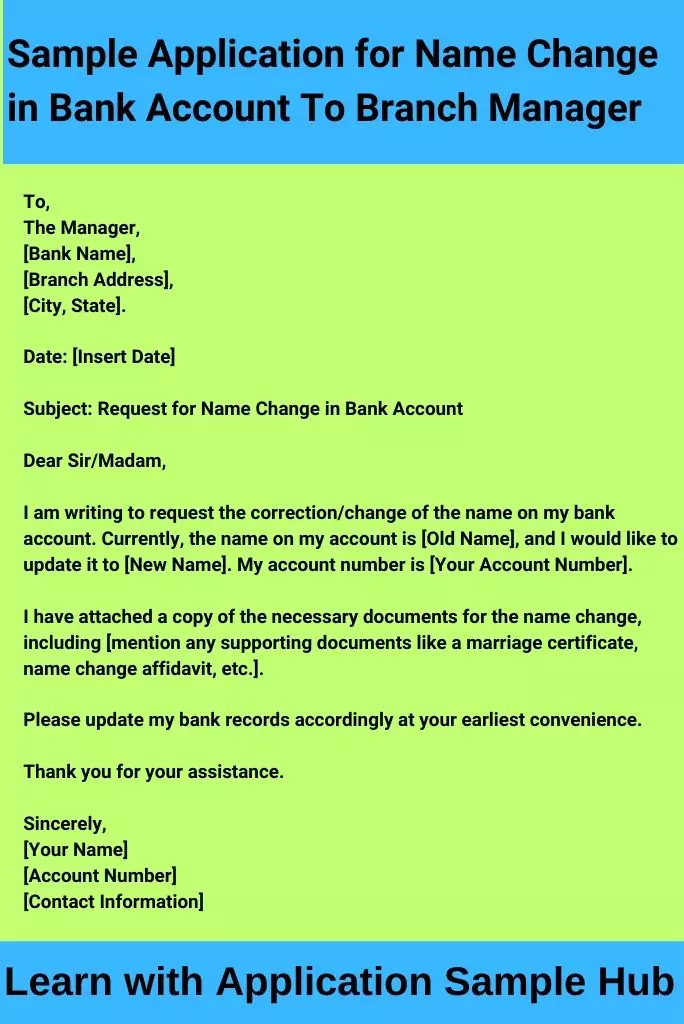
Navigating a name change within the banking system is more than just a bureaucratic hurdle; it’s a vital step in maintaining financial security, accessibility, and legal compliance. An outdated name on your bank account can lead to a myriad of complications, from difficulties in cashing checks and receiving payments to issues with credit applications and even potential fraud risks. This comprehensive guide will walk you through the necessity, preparation, process, and subsequent steps involved in seamlessly updating your name in your bank account, ensuring your financial records accurately reflect your current legal identity.
Why You Might Need to Change Your Bank Account Name
Understanding the impetus behind a name change is the first step in appreciating its significance within the financial realm. Various life events trigger the need for this update, each with its own set of legal implications and required documentation. Failing to align your bank account name with your legal identity can create substantial discrepancies that ripple through your financial life, causing inconvenience and potentially more serious problems.
Life Events Triggering Name Changes
The most common reasons for changing a name in a bank account stem from major personal life events. Marriage is perhaps the most frequent catalyst, where one spouse typically adopts the surname of the other. Similarly, divorce often necessitates a return to a maiden name or a prior surname. Beyond these, a legal name change, pursued through a court order, can occur for various personal reasons, such as correcting misspellings, adopting a new family name, or for gender transition purposes. Each of these events legally alters your identity, making it imperative that your financial records reflect this new reality to avoid future complications.
Correcting Errors or Discrepancies
Sometimes, the need for a name change isn’t due to a life event but rather the rectification of an error. This could be a simple typo made during the initial account setup, an incorrect spelling on an old document, or a discrepancy between your bank records and other official identification. Even minor inconsistencies can cause significant headaches, as banks are legally obligated to verify identity with a high degree of precision. Addressing these errors promptly is crucial for maintaining the integrity of your financial profile and preventing delays in transactions or access to services.
Impact on Financial Identity and Security
Your bank account is the cornerstone of your financial identity. It links you to income, expenses, investments, and credit. An outdated or incorrect name can severely compromise this identity. Imagine trying to cash a large check issued in your new name when your bank account still bears your old one, or applying for a mortgage where your bank statements don’t match your current legal ID. These discrepancies can trigger fraud alerts, necessitate lengthy verification processes, and in extreme cases, lead to frozen accounts or denied services. Moreover, an accurate name is fundamental for complying with anti-money laundering (AML) and know-your-customer (KYC) regulations, protecting both you and the bank from illicit activities. Proactively updating your name is a powerful measure in safeguarding your financial security and ensuring seamless operations.
Essential Documents and Preparation
Embarking on the name change process without adequate preparation can lead to frustration and repeated visits to your bank. The cornerstone of a successful name change lies in gathering the correct documentation, which serves as irrefutable proof of your identity and the legality of your name modification. Banks are highly regulated institutions, and their requirements for identity verification are stringent for good reason – to protect both their customers and the broader financial system.
Primary Identification (Passport, Driver’s License)
Your primary form of identification is the first and most critical document required. This must be a government-issued photo ID that displays your new legal name. Common examples include an updated passport, a driver’s license, or a state-issued identification card. Ensure that the ID is current, valid, and clearly shows your photograph and signature. If your primary ID still bears your old name, you will typically need to update that first before you can proceed with changing your bank account name. This is a crucial step that many overlook, leading to delays.
Proof of Name Change (Marriage Certificate, Divorce Decree, Court Order)
This is arguably the most important piece of documentation, as it legally substantiates why your name has changed. Depending on the reason, you will need to provide an original or certified copy of the relevant legal document:
-
Marriage Certificate: For changes due to marriage, this document proves the union and the adoption of a new surname.
-
Divorce Decree: If returning to a maiden name or previous surname after divorce, the divorce decree (specifically the portion detailing the name restoration) is required.
-
Court Order: For any other legal name change, a court order from a judge formally granting the change is indispensable.
-
Deed Poll (UK/some Commonwealth countries): A legal document by which a person declares a change of name.
These documents must be official, government-issued originals or certified copies, not photocopies. Banks will often verify their authenticity.
Additional Supporting Documents (Utility Bills, Signature Proof)
While less frequently required, some banks may ask for additional supporting documents to further confirm your identity and residency under your new name. These could include:
-
Utility Bills: Recent utility bills (electricity, water, gas) in your new name and address.
-
Bank Statements: Statements from another bank account already updated with your new name.
-
Updated Social Security Card/National ID: While not always primary proof, these can serve as supporting documents showing your new name.
-
Signature Proof: Sometimes, banks may ask for multiple signature samples, especially if your signature has changed along with your name.
It’s wise to bring more documents than you think you’ll need, as bank policies can vary.
The Importance of Gathering Everything Beforehand
The adage “prepare for the worst, hope for the best” rings true here. Before you even contact your bank, ensure all necessary documents are gathered, organized, and confirmed to be current and valid. A quick call to your bank’s customer service or a check of their website for their specific name change policy can save you immense time and effort. Incomplete documentation is the leading cause of delays and repeat visits. Having everything in order ensures a smooth, single-visit process, allowing you to quickly move on to updating other essential financial records.
The Step-by-Step Process with Your Bank
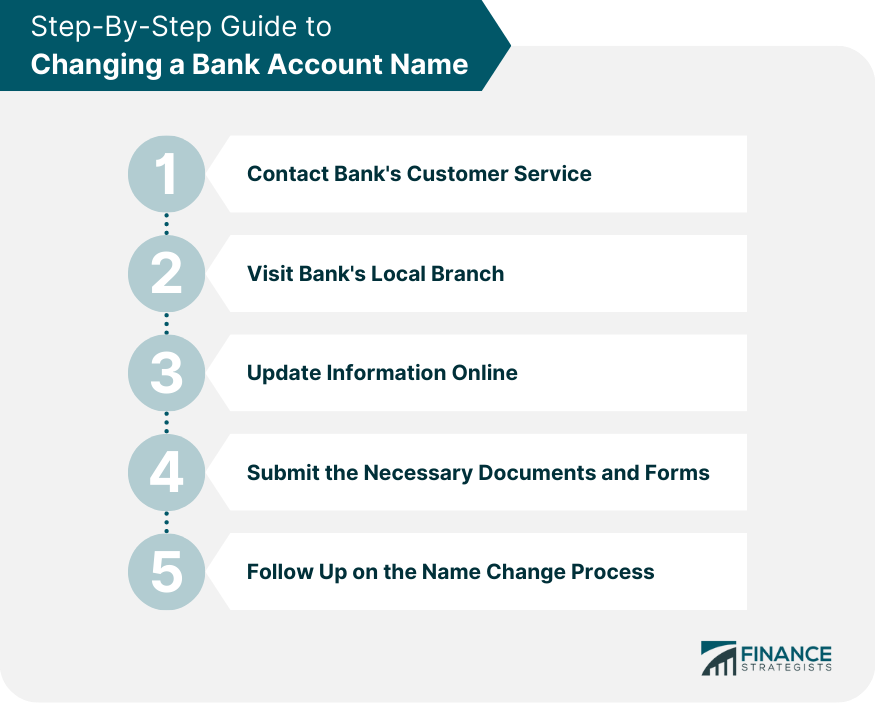
Once you have meticulously gathered all your required documentation, the next phase involves directly engaging with your financial institution. While the core requirements are generally consistent across banks, the specific procedures can vary. Understanding these steps will help you navigate the process efficiently and successfully.
Contacting Your Bank (Online, Branch Visit, Phone)
Different banks offer various channels for initiating a name change.
-
In-person Branch Visit: This is often the most recommended method, especially for the initial name change, as it allows bank staff to directly verify your original documents, make certified copies, and guide you through any necessary forms. It also provides an opportunity to ask questions and clarify any uncertainties on the spot.
-
Online Portal/Secure Message: Some modern banks or fintech platforms may allow you to upload scanned copies of documents through a secure online portal or via a secure message system. However, even with this option, you might still need to mail original certified copies or make a brief in-person appearance for final verification.
-
Phone Call: A phone call is generally best for initial inquiries about the process and required documents, rather than for actually submitting the change. Banks rarely process name changes solely over the phone due to the need for physical document verification.
Always confirm the preferred method with your specific bank before proceeding.
Understanding Bank-Specific Procedures
Each bank, while adhering to national regulations, will have its own internal policies and forms for a name change. Some banks may require you to fill out a “Change of Particulars” form, while others might have a dedicated “Name Change Request” form. Be prepared for slightly different requirements regarding witnesses, notary services, or specific types of identification. Online resources or a direct conversation with a bank representative will clarify these nuances. It is crucial to follow their instructions precisely to avoid rejections or delays.
Filling Out Necessary Forms
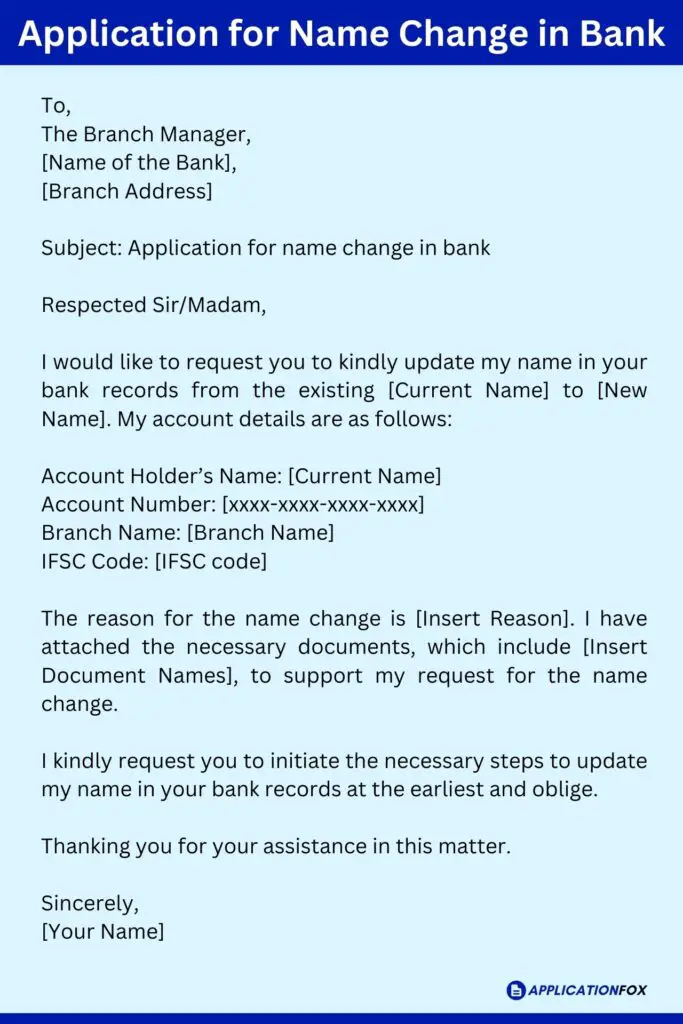
When you present your documents, you will typically be asked to complete and sign a form provided by the bank. This form will request your old name, your new legal name, the reason for the change, and details about the supporting documentation you are providing. Read the form carefully, ensure all information is accurate and legible, and sign where required. If you have joint accounts, your spouse or co-account holder might also need to be present or provide their consent and signature, depending on the bank’s policy and account type.
Verification and Processing Timeframes
After submitting your documents and forms, the bank will undertake an internal verification process. They will review your submitted documents, cross-reference them with their records, and often send them to a back-office team for approval. The processing time can vary significantly, from a few business days to a couple of weeks, depending on the bank’s internal workload and the complexity of your case. It’s advisable to inquire about the estimated timeframe during your visit and ask for a reference number or confirmation of your request. You should also confirm how you will be notified once the change is complete – via mail, email, or an update to your online banking profile.
Beyond the Bank: Updating Related Financial Services
Changing your name in your primary bank account is a critical first step, but it is by no means the only one. Your financial identity extends far beyond your checking and savings accounts. A seamless transition requires updating your new legal name across all related financial services and accounts to ensure consistency, prevent future issues, and maintain a unified financial profile. Neglecting these updates can lead to significant headaches, including bounced payments, rejected applications, and even identity verification problems.
Credit Cards and Loan Accounts
One of the most immediate and important areas to update is your credit cards and any outstanding loan accounts (mortgages, auto loans, personal loans). Your credit cards are often linked directly to your bank account for payments, and a mismatch can cause payment failures and impact your credit score. For loans, it’s a legal necessity to have your name accurately reflected on all documentation. Contact each credit card issuer and loan provider separately. They will typically require similar proof of name change (e.g., marriage certificate, court order) and may ask for updated photo ID. Be prepared to fill out individual forms for each institution.
Investment Accounts and Brokerages
If you hold investments such as brokerage accounts, retirement accounts (401k, IRA), or mutual funds, these also need to be updated. Investment firms, like banks, have strict KYC requirements. An outdated name can complicate transactions, distributions, and beneficiary designations. Contact your financial advisor or the investment firm directly. They will guide you through their specific procedures, which often involve submitting a name change form, a copy of your legal name change document, and an updated photo ID. Ensure beneficiary information on all investment and retirement accounts is also reviewed and updated, as a name change may necessitate changes there too.
Government Benefits and Tax Records
Government entities also play a crucial role in your financial life. If you receive any government benefits (e.g., Social Security, veteran benefits, unemployment), you must notify the relevant agencies. The Social Security Administration (SSA) in the US, for instance, is a critical starting point, as an updated Social Security card with your new name will often be required by other institutions. Similarly, your tax records with the IRS (or your country’s tax authority) must reflect your current legal name to ensure accurate tax filings and refunds. A mismatch can lead to delays in processing tax returns or receiving correspondence.
Utilities, Subscriptions, and Other Recurring Payments
While not strictly “financial services,” your utilities (electricity, water, internet) and various subscriptions (streaming services, gym memberships) often have recurring payments linked to your bank account or credit cards. A name change on these payment methods could cause direct debits or automated payments to fail if the name on the account doesn’t match. Take the time to log into each service provider’s portal or contact their customer service to update your name on file, ensuring uninterrupted service and avoiding late payment fees. This also applies to any insurance policies (health, auto, home) you may hold.
Potential Pitfalls and Best Practices
Navigating a name change across various financial institutions can feel overwhelming. However, by being aware of common pitfalls and adopting best practices, you can streamline the process, minimize stress, and ensure your financial life remains undisturbed.
Avoiding Delays and Complications
The primary pitfall is incomplete or incorrect documentation. Always verify with each institution precisely what they require. Another common issue is not updating all related accounts promptly, leading to discrepancies and potential service interruptions. Keep a meticulous record of every institution you need to contact, the date you contacted them, the documents you provided, and the expected resolution date. Proactive follow-ups can prevent requests from falling through the cracks. If a bank encounters issues, respond quickly and provide any additional information requested.
Maintaining Financial Continuity
Throughout the name change process, it’s essential to maintain uninterrupted financial continuity. This means ensuring that direct deposits, automatic bill payments, and standing orders continue to function correctly. If possible, avoid making major financial transactions or applying for new credit during the peak of your name change transition, as discrepancies can cause delays. Keep old and new documents accessible, and temporarily maintain both forms of identification if necessary, until all updates are confirmed. Consider keeping a small buffer in your accounts to cover any potential payment glitches.
Digital Security and Privacy Considerations
As you update your name across various online portals, be acutely aware of digital security. Use strong, unique passwords for each account. Only use secure, encrypted channels (like a bank’s official online portal or secure messaging system) to submit personal information and documents. Be wary of phishing attempts or unsolicited requests for personal information via email or phone. Confirm the legitimacy of any communication before sharing sensitive data. After all updates are complete, consider monitoring your credit report for any unusual activity that might indicate an oversight or a security breach.
The Cost of Inaction: Why Promptness Matters
Delaying the update of your name in your bank account and other financial services can incur significant “costs” – not just in terms of time and frustration, but also potentially financial penalties. Unmatched names can lead to:
-
Payment failures: Bounced checks, missed loan payments, utility disconnections.
-
Denied services: Inability to open new accounts, secure loans, or even access existing funds.
-
Fraud risks: Discrepancies can make it harder to detect or resolve identity theft.
-
Legal complications: Issues with tax authorities, inheritance, or legal proceedings.
Prompt action not only streamlines your administrative tasks but also protects your financial standing and peace of mind. Your financial identity is a critical asset; ensuring it is accurate and consistent across all platforms is an investment in your future financial health and security.
In conclusion, changing the name on your bank account is a fundamental administrative task that underscores the importance of an accurate financial identity. By understanding the reasons, preparing diligently, following your bank’s procedures, and extending the update to all related financial services, you can navigate this process with confidence and ease. This meticulous approach ensures financial continuity, enhances security, and reinforces the stability of your personal finance ecosystem, allowing you to focus on your life’s next significant milestone.
aViewFromTheCave is a participant in the Amazon Services LLC Associates Program, an affiliate advertising program designed to provide a means for sites to earn advertising fees by advertising and linking to Amazon.com. Amazon, the Amazon logo, AmazonSupply, and the AmazonSupply logo are trademarks of Amazon.com, Inc. or its affiliates. As an Amazon Associate we earn affiliate commissions from qualifying purchases.