
In the fast-paced world of digital finance, managing your bank account and tracking transactions has become both easier and, at times, more complex. Whether it’s a mistaken transfer, an unauthorized charge, or buyer’s remorse, the need to cancel a transaction can arise unexpectedly. While the immediate impulse might be to panic, understanding the proper steps and procedures can significantly increase your chances of successfully reversing a charge. This guide delves deep into the mechanisms of transaction cancellations, disputes, and reversals, providing you with the knowledge to navigate these situations effectively within the realm of personal finance.
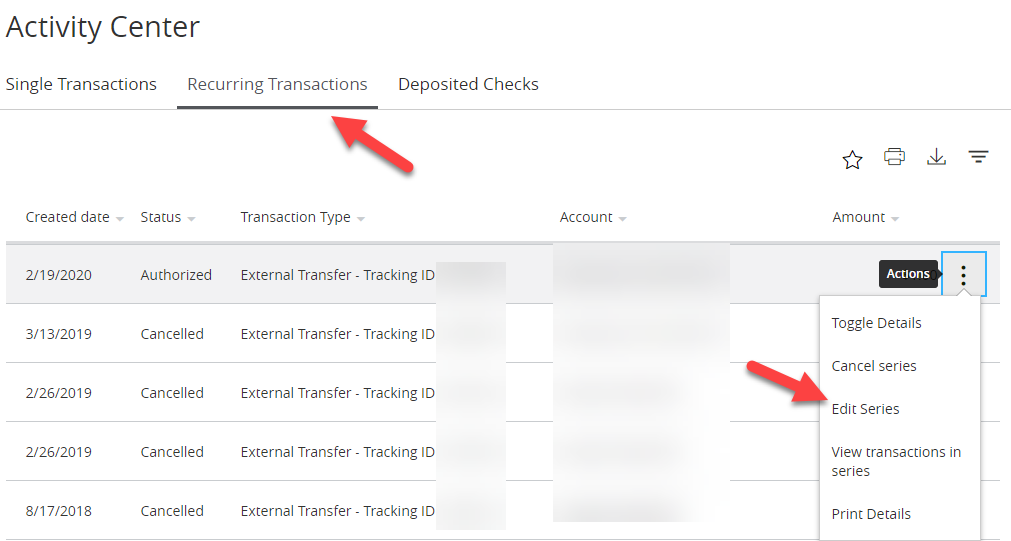
Understanding Bank Transactions and Reversal Possibilities
The ability to “cancel” a transaction isn’t always straightforward. The feasibility of reversing a charge depends heavily on several factors: the type of transaction, its status (pending or posted), and the payment method used. It’s crucial to understand these distinctions before taking action.
Differentiating Between Pending and Posted Transactions
The first critical distinction lies between pending and posted transactions.
-
Pending Transactions are those that have been authorized by your bank but have not yet fully cleared or settled. They appear on your account statement but haven’t been finalized. These are often the easiest to cancel, as the funds may not have left your bank’s control or reached the recipient’s account yet. Examples include a debit card swipe at a gas station that hasn’t fully processed or an online purchase awaiting final merchant confirmation.
-
Posted Transactions, also known as cleared or settled transactions, are those that have been fully processed and the funds have been transferred from your account. Once a transaction is posted, “cancelling” it in the traditional sense is usually not possible. Instead, you’ll typically need to initiate a “dispute” or a “chargeback,” which is a more formal process to reclaim your funds.
The window for cancelling a pending transaction can be very small, sometimes just a few hours. This emphasizes the need for immediate action if you spot an error.
The Nuances of Different Payment Methods (ACH, Wire, Debit, P2P)
The method by which money leaves your account significantly impacts the cancellation or reversal process.
-
ACH Transfers (Automated Clearing House): These are common for direct deposits, bill payments, and transfers between bank accounts. ACH transfers typically take 1-3 business days to process. If you initiate an ACH transfer and realize an error, you might be able to stop it if you act quickly, usually within the same business day, before the batch processing cut-off time. Once an ACH transfer has processed, reversing it usually requires the recipient’s cooperation or a formal dispute process if it was unauthorized.
-
Wire Transfers: Wire transfers are designed for rapid, irrevocable movement of funds, often for large sums. Once a wire transfer is sent and confirmed, it is extremely difficult, if not impossible, to cancel or reverse it without the recipient’s explicit consent. This is why wire transfers are frequently targeted by scammers – once the money is gone, it’s very hard to get back. Banks will generally advise extreme caution with wire transfers due to their finality.
-
Debit Card Transactions: When you use your debit card, funds are immediately deducted or placed on hold. If it’s a pending transaction, your bank might be able to reverse it. For posted transactions, especially those involving goods or services, you would typically need to contact the merchant first. If the merchant is uncooperative or unresponsive, you can then dispute the charge with your bank, often leading to a chargeback process under consumer protection laws.
-
P2P (Peer-to-Peer) Payments (Zelle, Venmo, PayPal, Cash App): These services offer instant or near-instant transfers between individuals. The ability to cancel depends on the specific platform and whether the recipient has claimed the funds. For Zelle, if the recipient isn’t enrolled, you might be able to cancel. If they are enrolled, the payment is typically instant and irreversible. Venmo and PayPal have their own dispute resolution processes, which often involve contacting the recipient first. These services generally emphasize sending money only to trusted individuals due to the difficulty of reversal.
When “Cancelling” Becomes “Disputing” or “Reversing”
It’s important to use the correct terminology when communicating with your bank.
-
Cancellation: Primarily refers to stopping a pending transaction before it fully processes or revoking an authorization for a future payment (like a recurring subscription).
-
Dispute: This is the formal process you initiate with your bank when a posted transaction is incorrect, unauthorized, or you did not receive the goods/services as agreed. Your bank then investigates the claim, potentially leading to a chargeback.
-
Reversal: This term can be used broadly, but often refers to the bank effectively pulling funds back from the recipient’s account, either due to a cancellation request for a pending item or as the result of a successful dispute/chargeback.
Understanding these distinctions will help you frame your request correctly when speaking with your bank, ensuring they can assist you most efficiently.
Immediate Action: Steps for Timely Transaction Reversal
Time is of the essence when trying to reverse a bank transaction. The sooner you act, the higher your chances of success.
Direct Contact with Your Bank: The Critical First Step
Regardless of the transaction type, your very first step should always be to contact your bank immediately. Do not delay.
-
Gather Information: Before calling, have all relevant details ready: your account number, the date and time of the transaction, the exact amount, the merchant/recipient name, and a clear explanation of why you want to cancel or dispute it.
-
Use Official Channels: Call your bank’s official customer service line (usually found on your debit card, bank statements, or the bank’s official website). Avoid calling numbers found in suspicious emails or texts.
-
Speak to a Specialist: Clearly state your intention. You might need to be transferred to a disputes department or a fraud specialist, depending on the nature of the transaction.
-
Document Everything: Note down the date and time of your call, the name of the representative you spoke with, and any reference numbers provided. This documentation is crucial if further action is required.
Specific Protocols for Different Transaction Types (Debit Card, ACH, Wire Transfer)
Your bank will guide you, but knowing what to expect for different transaction types can be helpful.
-
For Debit Card Transactions:
-
Pending: The bank might be able to void the transaction.
-
Posted: You’ll likely need to first attempt to resolve it with the merchant. If unsuccessful, your bank will guide you through filing a dispute. You might need to fill out an affidavit or a dispute form.
-
-
For ACH Transfers:
-
Pending: If you catch it before the bank’s daily cut-off time, the bank might be able to stop it. This is rare for outgoing initiated payments but possible for recurring pre-authorized payments.
-
Posted: If it was an error on your part (e.g., wrong account number for a transfer you initiated), you typically need the recipient’s cooperation. If it was an unauthorized debit (someone pulled money from your account without permission), your bank can help you dispute it under NACHA rules and Regulation E, often reversing it.
-
-
For Wire Transfers: As mentioned, these are nearly irreversible. Your bank’s only recourse is usually to attempt to contact the receiving bank and request the funds back, which almost always requires the recipient’s permission. Do not expect success unless the recipient is cooperative or the receiving bank identifies it as fraudulent activity on their end.
Handling P2P Payments (Zelle, Venmo, PayPal) and Merchant Errors
-
P2P Payments:
-
Zelle: If the recipient isn’t enrolled, look for a “Cancel Payment” option in your banking app. If they are enrolled, the payment is typically instant and final. You’ll need to contact the recipient directly and ask them to return the funds. If it was a scam, report it to Zelle and your bank, but expectations for recovery should be low.
-
Venmo/PayPal/Cash App: Check if there’s an option to cancel within the app. Often, if the money hasn’t been claimed or transferred to a bank, you might have a window. Otherwise, message the recipient asking for a refund. For unauthorized transactions, these platforms have their own dispute resolution processes you must follow.
-
-
Merchant Errors: If a merchant overcharged you, charged you twice, or sent the wrong item, your first step should always be to contact the merchant directly. Most reputable businesses will rectify their own mistakes. Only if the merchant is unresponsive or unwilling to resolve the issue should you escalate to disputing the charge with your bank.
Navigating the Dispute Process for Unauthorized or Fraudulent Charges
When a transaction is posted and you suspect fraud or an unauthorized charge, “cancelling” shifts to “disputing.” This formal process is protected by consumer laws designed to safeguard your financial interests.
Recognizing and Reporting Fraudulent Activity
Fraudulent activity can take many forms:
-
Unauthorized Transactions: Charges you did not make or approve.
-
Identity Theft: Someone using your bank account details or identity to make purchases.
-
Phishing Scams: Providing your details unknowingly to criminals.
-
Merchant Non-Delivery: You paid for a product or service but never received it.

If you suspect any of these, report it immediately to your bank. The faster you report, the less liability you might incur under consumer protection laws. Most banks have dedicated fraud departments available 24/7. Your bank will likely cancel your existing card and issue a new one to prevent further unauthorized use.
The Chargeback Mechanism: Your Consumer Right
A chargeback is a reversal of a credit or debit card transaction initiated by the cardholder through their issuing bank. It’s a powerful consumer protection tool. When you dispute a charge, your bank (the issuing bank) contacts the merchant’s bank (the acquiring bank) to request the funds be returned to your account. The merchant then has an opportunity to respond with evidence to justify the charge.
Common reasons for chargebacks include:
-
Fraud: The transaction was unauthorized.
-
Services Not Provided/Goods Not Received: You paid but didn’t get what you were promised.
-
Defective or Misrepresented Goods: The item was significantly different from its description.
-
Duplicate Charges: You were charged twice for the same transaction.
-
Billing Errors: Incorrect amount charged.
It’s important to remember that chargebacks should be used as a last resort, after attempting to resolve the issue directly with the merchant. Excessive or unjustified chargebacks can sometimes lead to issues with your bank or future transactions.
Gathering Evidence and Documenting Your Claim
To support your dispute, your bank will require evidence. Be prepared to provide:
-
Dates and Amounts: Specifics of the disputed transaction(s).
-
Communications with the Merchant: Emails, chat logs, phone call records (date, time, person spoken to) showing your attempts to resolve the issue.
-
Receipts or Invoices: For legitimate transactions, or lack thereof for unauthorized ones.
-
Tracking Information: If goods were supposed to be shipped.
-
Screenshots: Of product descriptions, non-delivery notifications, or fraudulent messages.
-
Police Reports: For significant fraud or identity theft.
Thorough documentation significantly strengthens your claim and speeds up the investigation process.
Preventing Future Issues: Best Practices for Financial Security
While knowing how to cancel or dispute a transaction is vital, prevention is always better than cure. Adopting robust financial security habits can minimize your risk of encountering such issues.
Proactive Account Monitoring and Alert Systems
-
Regularly Review Statements: Don’t just glance at your bank statements; scrutinize every transaction. Look for unfamiliar merchants, incorrect amounts, or duplicate charges.
-
Enable Transaction Alerts: Most banks offer free SMS or email alerts for transactions above a certain amount, international transactions, or even every transaction. Set these up to be notified in near real-time of account activity.
-
Use Online Banking/Mobile Apps: These platforms provide instant access to your transaction history, allowing you to catch suspicious activity quickly.
Understanding Authorization and Recurring Payments
-
Explicit Authorization: Always ensure you explicitly authorize any payment. Be wary of providing your bank details over the phone or to unfamiliar websites unless you are absolutely certain of their legitimacy.
-
Manage Subscriptions: Review your recurring payments regularly. Cancel subscriptions you no longer use. Remember that cancelling a subscription with a merchant might not always stop the charge if the authorization is still active with your bank. You might need to directly inform your bank to block future payments to that merchant.
-
Pre-Authorized Debits: For pre-authorized ACH debits (e.g., gym memberships, utilities), you have the right to revoke authorization by notifying the merchant and your bank in writing. Keep copies of this correspondence.
Secure Online Habits and Password Management
-
Strong, Unique Passwords: Use complex, unique passwords for all your financial accounts. A password manager can help you manage these securely.
-
Two-Factor Authentication (2FA): Enable 2FA wherever possible. This adds an extra layer of security, requiring a second verification method (like a code from your phone) in addition to your password.
-
Be Wary of Phishing: Never click on suspicious links in emails or text messages, and never provide personal or financial information in response to unsolicited requests. Banks will never ask for your password or PIN via email or phone.
-
Secure Wi-Fi: Avoid conducting banking transactions over unsecured public Wi-Fi networks.
-
Shred Documents: Safely dispose of financial documents by shredding them to prevent identity theft.
Legal Protections, Potential Costs, and What to Expect
Understanding your consumer rights and what to anticipate during a dispute can alleviate stress and help you manage expectations.
Consumer Rights Under Regulations (e.g., Regulation E)
In the United States, several federal laws protect consumers regarding electronic fund transfers (EFTs).
-
Regulation E (Electronic Fund Transfer Act): This regulation provides significant protections for consumers using electronic banking services, including debit cards, ATM transactions, and ACH transfers. It limits your liability for unauthorized transactions, provided you report them promptly.
-
If you report an unauthorized transaction within 2 business days of learning about it, your liability is capped at $50.
-
If you report between 3 and 59 calendar days, your liability can be up to $500.
-
If you fail to report within 60 calendar days after your statement showing the unauthorized transaction is sent, you could be liable for all losses occurring after the 60 days.
-
-
Fair Credit Billing Act (FCBA): While primarily for credit cards, some of its principles (like disputing billing errors) can informally influence how banks handle debit card disputes.
Similar consumer protection laws exist in other countries, so it’s always wise to research your local regulations.
The Impact of Successful vs. Unsuccessful Reversals
-
Successful Reversal/Chargeback: The disputed funds are returned to your account. This process can take several weeks or even months to finalize, as the bank investigates and the merchant responds.
-
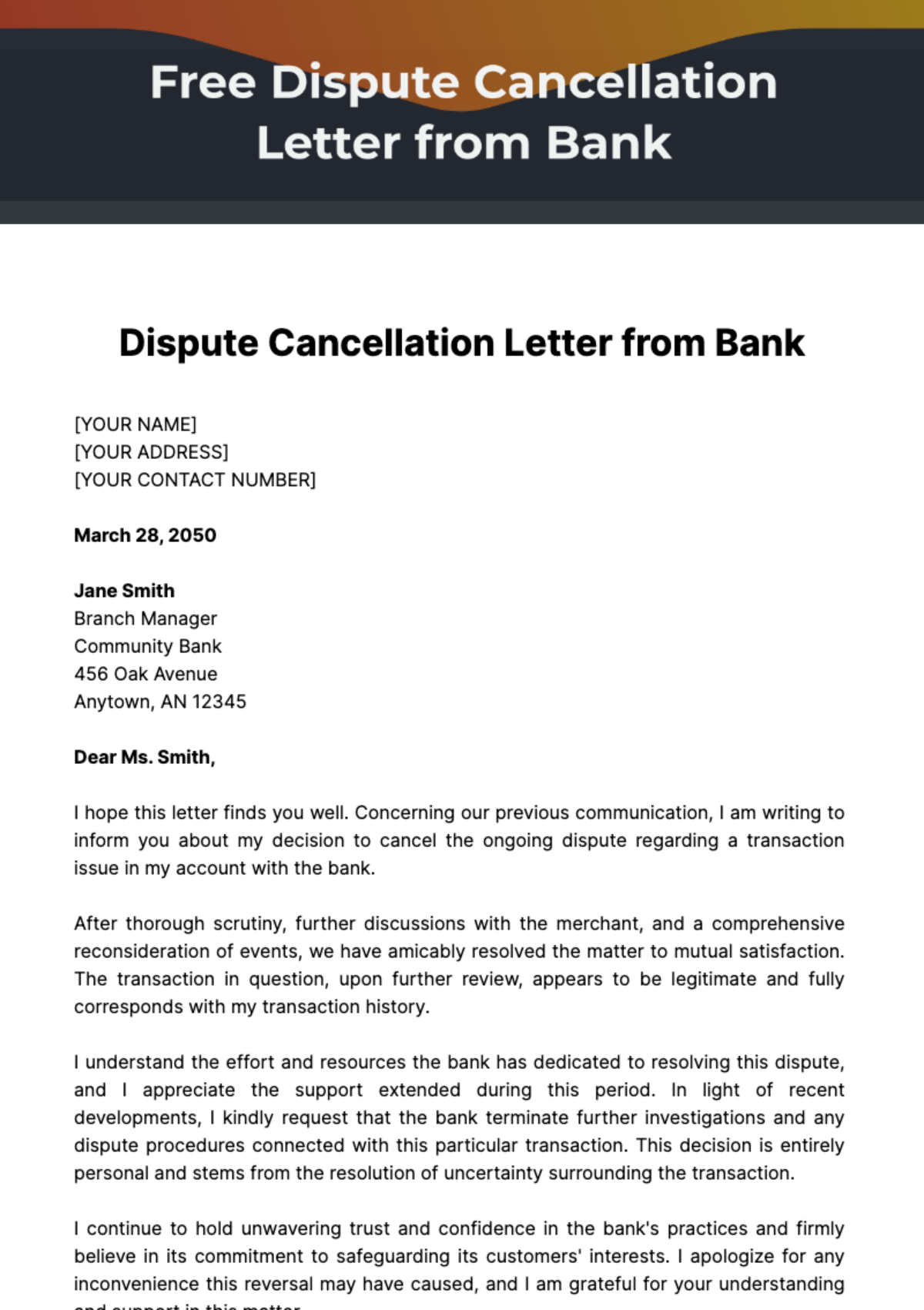
Unsuccessful Dispute: Your bank may determine the charge was legitimate or that you are liable for it. They will provide a reason for their decision. If you disagree, you might have avenues for appeal or further action (e.g., pursuing a small claims court case against the merchant), but these are generally outside the bank’s dispute process.
-
Potential Costs: While your bank typically doesn’t charge you for filing a dispute, some merchants might impose fees for chargebacks if they believe the dispute was unwarranted. Repeated, unjustified chargebacks could also negatively impact your relationship with your bank or with certain merchants, potentially leading to account closures or refusal of service.
Timelines and Patience in the Resolution Process
The resolution of a disputed transaction is rarely instantaneous.
-
Initial Investigation: Your bank will typically conduct an initial investigation, which might take a few days to a couple of weeks.
-
Provisional Credit: For debit card fraud or errors, your bank might issue a provisional credit to your account while the investigation is ongoing, especially if reported quickly under Regulation E. This credit can be revoked if the dispute is ultimately ruled against you.
-
Merchant Response: The merchant has a set period (often 45-90 days, depending on card network rules) to respond to the chargeback.
-
Final Resolution: The entire process, from reporting to final resolution, can take anywhere from a few weeks to several months. Patience is key, and continuous, polite follow-up with your bank is advisable.
In conclusion, while the thought of an unauthorized or erroneous transaction can be alarming, a structured approach grounded in understanding banking processes, consumer rights, and prompt action can lead to a successful resolution. By being vigilant with your finances, understanding the different types of transactions, and knowing when to “cancel” versus “dispute,” you can protect your financial well-being more effectively.
aViewFromTheCave is a participant in the Amazon Services LLC Associates Program, an affiliate advertising program designed to provide a means for sites to earn advertising fees by advertising and linking to Amazon.com. Amazon, the Amazon logo, AmazonSupply, and the AmazonSupply logo are trademarks of Amazon.com, Inc. or its affiliates. As an Amazon Associate we earn affiliate commissions from qualifying purchases.