
To understand the current landscape of the American financial system, one must look at the pillars that have supported it for over a century and a half. When asking “how long has Wells Fargo been around,” the answer takes us back to 1852. For over 170 years, Wells Fargo has transitioned from a frontier express delivery service into one of the “Big Four” banks in the United States. Its history is not just a timeline of a single corporation, but a reflection of the evolution of personal finance, commercial banking, and the global movement of capital.
For modern investors, depositors, and financial enthusiasts, the longevity of an institution like Wells Fargo provides a unique case study in institutional resilience, market adaptation, and the sheer scale of the American banking sector.
The Gold Rush Beginnings: 1852 to the Turn of the Century
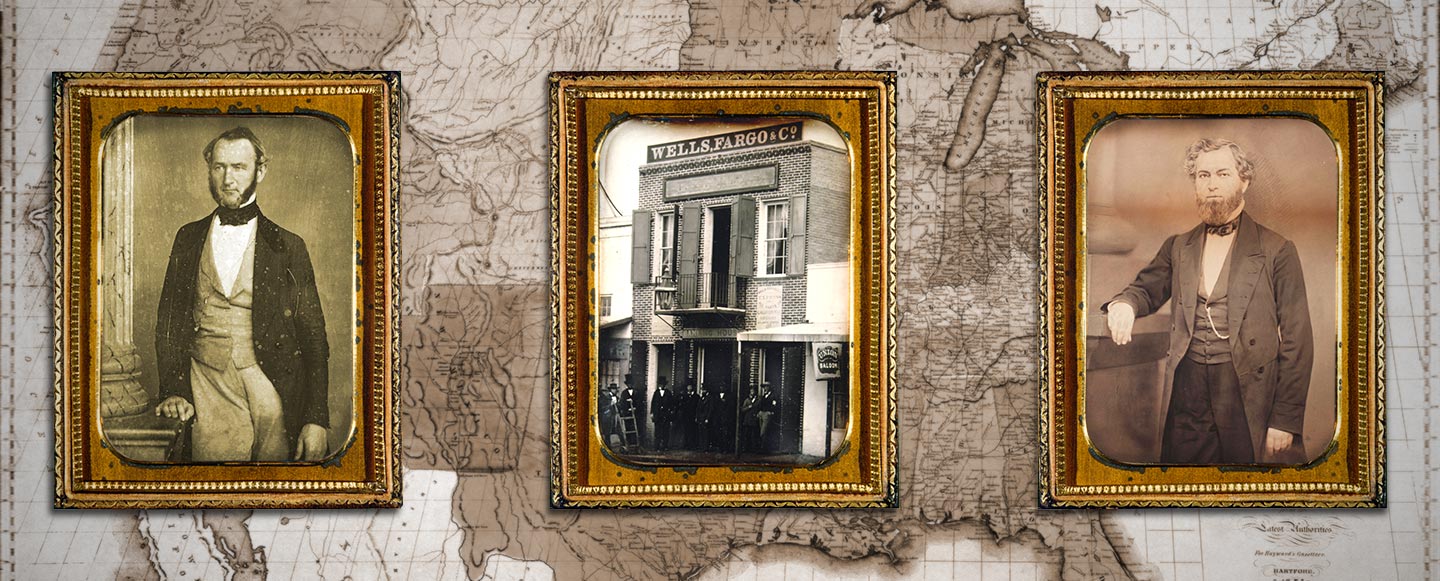
Wells Fargo & Company was founded in 1852 by Henry Wells and William G. Fargo, the same minds behind American Express. The timing was no coincidence; the California Gold Rush was in full swing, and the American West was a chaotic landscape of opportunity and risk. San Francisco was rapidly becoming a global hub, and the miners and entrepreneurs flooding the region needed two things: a way to transport gold and a safe place to keep their earnings.
Henry Wells, William G. Fargo, and the Vision of Trust
The founders recognized that in a lawless frontier, “trust” was the most valuable currency. By establishing a joint-stock company focused on express delivery and banking, they filled a critical void. While many smaller banks failed during the volatile mid-19th century, Wells Fargo thrived because it maintained high liquidity and a reputation for integrity. During the Panic of 1855, when many California banks collapsed, Wells Fargo remained open, cementing its status as a reliable financial harbor.
The Stagecoach Era and Express Banking
The iconic stagecoach, which remains a symbol of the brand today, was the high-tech logistics solution of its era. These coaches carried everything from gold bullion to personal mail and legal documents. However, the “banking” side of the business was equally robust. Wells Fargo acted as a buyer of gold dust, a provider of sight drafts (a precursor to modern checks), and a facilitator of transcontinental commerce. By the time the transcontinental railroad was completed in 1869, the company had already established a dominant footprint across the Western United States, proving that financial services were the backbone of westward expansion.
Weathering Economic Storms: A Century of Resilience
One of the most impressive aspects of Wells Fargo’s 170-year history is its ability to survive systemic collapses that erased many of its competitors. Longevity in the financial sector is often a result of conservative risk management and the ability to pivot during national crises.
The Panic of 1907 and the Great Depression
The early 20th century was a period of extreme financial instability. The Panic of 1907 led to the eventual creation of the Federal Reserve, and Wells Fargo played its part by maintaining stability in the West. However, the true test came during the Great Depression of the 1930s. While thousands of banks across America shuttered their doors, Wells Fargo’s conservative lending practices and strong capital position allowed it to survive.
During this era, the company underwent a significant structural change. In 1905, it had formally separated its banking operations from its express delivery business. This proved to be a masterstroke of business strategy, allowing the banking entity (Wells Fargo Nevada National Bank) to focus strictly on financial growth and stability without the logistical overhead of the shipping industry.
The Post-War Boom and the Rise of Consumer Credit
Following World War II, the American economy shifted toward a consumer-driven model. Personal finance became more sophisticated, moving beyond simple savings accounts into the realms of mortgages, auto loans, and credit cards. Wells Fargo was at the forefront of this shift, expanding its branch network across California and eventually the rest of the country. This era marked the transition from a specialized “business bank” to a ubiquitous “consumer bank,” making it a household name for millions of Americans managing their daily finances.
Modern Expansion and the Evolution of Personal Finance
The Wells Fargo we recognize today—a global financial services company with trillions of dollars in assets—is largely the result of aggressive expansion and strategic mergers in the late 20th and early 21st centuries.

The 1998 Merger and the Wachovia Acquisition
The year 1998 marked a pivotal moment when Norwest Corporation merged with Wells Fargo. Interestingly, although Norwest was the surviving entity from a corporate standpoint, they chose to keep the Wells Fargo name due to its historical prestige and the trust associated with its long legacy. This move significantly expanded the bank’s presence in the Midwest and Eastern United States.
Perhaps the most significant expansion occurred during the 2008 financial crisis. As the global economy teetered on the brink, Wells Fargo acquired Wachovia, a move that instantly transformed it into a truly national powerhouse with a presence on the East Coast. This acquisition was a “too big to fail” moment that solidified Wells Fargo’s position as one of the four largest banks in the U.S., alongside JPMorgan Chase, Bank of America, and Citigroup.
Digital Transformation and the Fintech Challenge
In the last two decades, the nature of banking has changed more than it did in the previous century. Wells Fargo has had to evolve from a brick-and-mortar institution into a digital-first platform. The introduction of mobile banking, online investment portals (like WellsTrade), and integrated peer-to-peer payment systems has become the new standard. For an institution that started with stagecoaches, the shift to instantaneous digital transactions represents a massive technological and cultural leap. Today, the bank serves one in three households in the United States, managing a vast portfolio of personal checking, savings, brokerage, and retirement accounts.
Assessing Wells Fargo’s Current Standing in the Financial Market
To understand Wells Fargo’s longevity, one must look at its current role within the broader economy. It is no longer just a bank; it is an institutional pillar that influences interest rates, mortgage markets, and corporate lending.
Market Position and Institutional Strength
As of the 2020s, Wells Fargo remains a titan in the financial sector. It holds a significant market share in several key areas:
-
Mortgage Origination: For years, Wells Fargo was the leading home lender in the U.S., helping millions of Americans achieve homeownership.
-
Commercial Banking: It provides essential credit and treasury services to small businesses and large corporations alike.
-
Wealth Management: Through its various divisions, it manages the assets of high-net-worth individuals, providing complex investment strategies and estate planning.
From an investment perspective, Wells Fargo is often viewed as a “bellwether” for the American economy. When the bank reports its quarterly earnings, analysts look closely at its loan loss reserves and net interest margins to gauge the health of the average American consumer.
What Long-Term Longevity Means for Modern Investors
For those looking at Wells Fargo through the lens of personal finance and investing, its 170-year history offers a lesson in “durable competitive advantage.” Despite regulatory challenges and periods of internal restructuring, the bank’s massive deposit base and entrenched position in the American financial infrastructure provide a level of stability that few companies can match.
Investors often look for “moats”—qualities that protect a company from competitors. Wells Fargo’s moat is built on its history, its massive physical and digital footprint, and the “stickiness” of consumer banking relationships. Once a customer has their mortgage, checking account, and direct deposit tied to a single institution, they are unlikely to leave, creating a predictable stream of revenue for the bank.

The Future of Banking: Lessons from 170+ Years of History
Looking ahead, the question isn’t just how long Wells Fargo has been around, but how much longer it can maintain its dominance in an era of decentralized finance (DeFi) and agile fintech startups.
The history of Wells Fargo suggests that the institution survives by absorbing change rather than resisting it. From the pony express to the telegraph, from the railroad to the internet, the bank has consistently integrated new technologies to serve its core purpose: the management and movement of money.
As we move deeper into the 21st century, Wells Fargo is focusing on streamlining its operations and modernizing its infrastructure to compete with neo-banks. The emphasis is shifting toward AI-driven personalized financial advice, automated fraud detection, and more seamless cross-border transactions.
The legacy of Wells Fargo is a testament to the fact that while the tools of finance change—from gold dust and stagecoaches to digital ledgers and mobile apps—the fundamental need for a secure, reliable place to manage wealth remains constant. Having been around since 1852, the bank has proven that it can navigate civil wars, depressions, technological revolutions, and global pandemics. For the modern consumer, this history provides a sense of permanence in an often volatile financial world. Wells Fargo’s journey from a small California startup to a global financial powerhouse remains one of the most significant chapters in the history of American money.
aViewFromTheCave is a participant in the Amazon Services LLC Associates Program, an affiliate advertising program designed to provide a means for sites to earn advertising fees by advertising and linking to Amazon.com. Amazon, the Amazon logo, AmazonSupply, and the AmazonSupply logo are trademarks of Amazon.com, Inc. or its affiliates. As an Amazon Associate we earn affiliate commissions from qualifying purchases.