
The seemingly simple question, “What are the bank hours?” belies a complex and evolving landscape that significantly impacts personal finance, business operations, and the very nature of financial accessibility. Far from a mere logistical query, understanding bank hours – both traditional and modern interpretations – is foundational to effective financial management, strategic planning, and leveraging the full spectrum of services offered by financial institutions. In an era where digital convenience increasingly blurs the lines of “when” and “where” we conduct our banking, a comprehensive grasp of these operational timelines remains critically important for both the individual managing their household budget and the entrepreneur overseeing their daily cash flow. This article delves into the intricacies of bank hours, exploring their traditional foundations, the transformative impact of digital banking, and their strategic implications for every financial endeavor.
The Traditional Bank Schedule: A Foundation for Financial Planning
For generations, the concept of “bank hours” has been synonymous with a specific window of opportunity – a defined period when physical branches are open for in-person transactions and consultations. While technology has undeniably reshaped how we interact with our money, the traditional branch schedule continues to serve as a bedrock for countless financial activities, particularly those requiring human interaction or physical handling of assets.
Standard Operating Hours Across Institutions
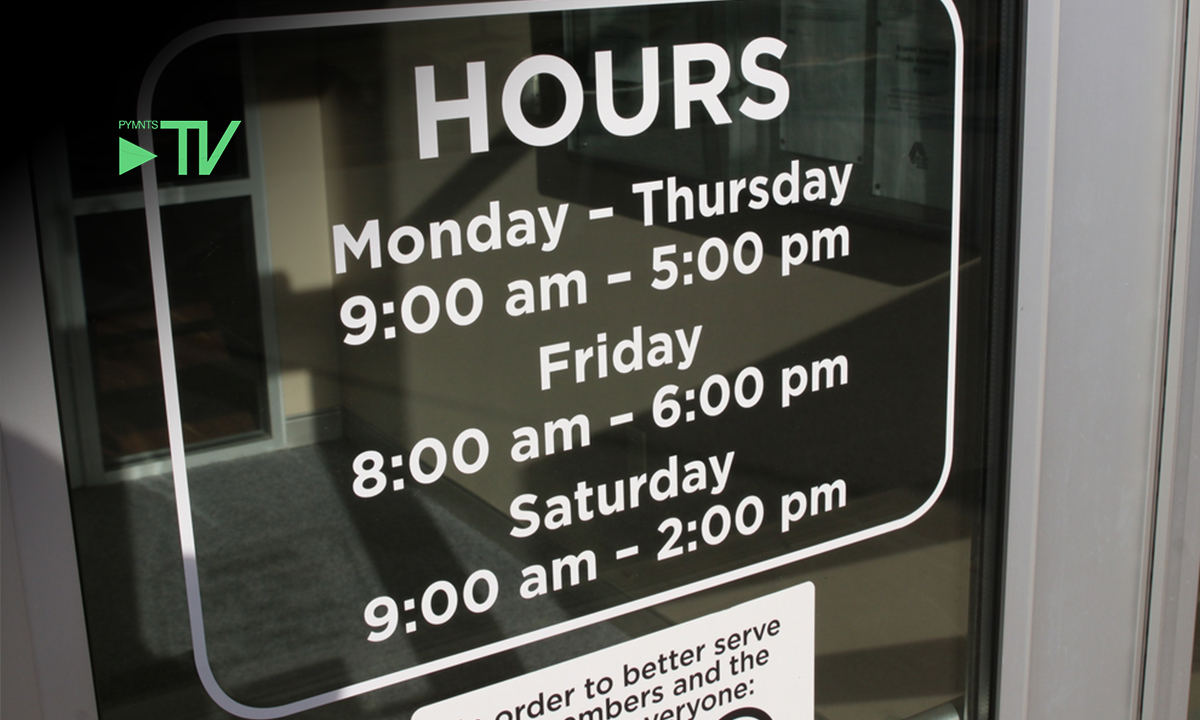
Generally, most full-service bank branches operate on a predictable schedule during weekdays, typically from 9:00 AM to 5:00 PM, or sometimes extending to 4:00 PM or 6:00 PM in certain regions. Saturdays often see reduced hours, perhaps from 9:00 AM to 1:00 PM or 10:00 AM to 2:00 PM, catering to customers who cannot visit during the workweek. Sundays and federal holidays are almost universally observed as closure days for physical branches. These standard hours are not arbitrary; they reflect a delicate balance between providing customer service, managing operational costs, ensuring staff well-being, and maintaining robust security protocols. They also factor in the typical rhythms of the business world, aligning with when most businesses are open and individuals are available outside of their employment.
Factors Influencing Branch Hours
The exact hours of operation can vary significantly based on several key factors. Location plays a crucial role; branches in bustling urban centers or commercial districts might offer extended hours to accommodate business clients or late-working commuters, while those in quieter suburban or rural areas might adhere to more conservative schedules. The type of branch also matters. A standalone, full-service branch typically follows the standard model, whereas an “in-store” branch located within a supermarket or retail outlet might align its hours more closely with the host store, often providing greater weekend or evening accessibility. Furthermore, specific bank policies can differ, with smaller community banks or credit unions sometimes offering more localized or flexible hours compared to larger national or international banking giants, each adapting to the unique needs and competitive pressures of their respective markets.
The Rationale Behind Bank Hours
The historical and ongoing rationale for specific bank hours is multifaceted. From a customer service perspective, these hours aim to be convenient for the majority of the working population, though modern lifestyles increasingly challenge this model. Operational efficiency is another critical driver; banks need a consolidated period for transaction processing, balancing ledgers, and preparing for the next business day without the constant interruption of customer traffic. Staff availability and well-being are paramount; maintaining consistent schedules helps manage employee shifts and ensures adequate staffing levels for various banking roles, from tellers to loan officers. Finally, security concerns historically played a significant role, as limiting physical access to specific times aided in managing cash handling, vault operations, and overall branch safety. While digital security has evolved, the physical security of a branch remains a key consideration for its operational hours.
Beyond the Branch: Expanding Access to Your Finances
The question “what are the bank hours?” has taken on a profoundly different meaning in the digital age. For many routine transactions, the concept of fixed hours is now almost obsolete, thanks to a revolution in how financial services are delivered. This expansion of access has fundamentally changed how individuals and businesses manage their money, offering unparalleled convenience and flexibility.
The Rise of Digital Banking and Mobile Apps
The most significant disruptor to traditional bank hours has been the advent and widespread adoption of digital banking platforms and mobile applications. These tools provide 24/7 access to a vast array of financial services from virtually anywhere with an internet connection. Customers can check account balances, review transaction history, transfer funds between accounts, pay bills, and even apply for loans or credit cards at any time of day or night. Mobile check deposit, a feature that allows users to deposit checks by simply snapping a photo, has largely eliminated the need to visit a branch for one of banking’s most common tasks. This shift has empowered individuals to manage their finances on their own schedules, freeing them from the constraints of a branch’s operating hours and drastically reducing the perceived necessity of in-person visits for routine tasks.
Automated Teller Machines (ATMs): Your 24/7 Teller
Long before the smartphone, Automated Teller Machines (ATMs) began the trend of extending banking access beyond branch hours. ATMs offer a consistent 24/7 service for essential functions such as cash withdrawals, deposits (though sometimes with specific cut-off times for processing), and balance inquiries. With vast networks covering cities, suburbs, and even remote locations, ATMs provide immediate access to cash and basic transactional capabilities, acting as mini-branches available around the clock. The widespread acceptance of debit cards and the interoperability of ATM networks (e.g., Cirrus, Plus) mean that your bank’s hours become almost irrelevant for these immediate cash needs.
Online Customer Service and Chatbots
While complex issues often still require speaking to a human during traditional customer service hours, the rise of online customer service portals and AI-powered chatbots has extended support capabilities. Many banks now offer real-time chat functionality on their websites or within their apps, often staffed or supported by AI agents who can answer frequently asked questions, guide users through processes, or help troubleshoot basic problems outside of standard call center hours. For non-transactional support or initial queries, these digital avenues provide a significant extension of service availability.
Drive-Thru Services and Specialized Branches
Even within the physical banking sphere, some innovations cater to extended access. Many branches offer drive-thru services which might have slightly extended hours compared to the lobby, providing a convenient option for quick deposits or withdrawals without needing to park and enter the building. Furthermore, as mentioned earlier, specialized branches located in high-traffic retail environments often boast hours that align with the retail store, offering evening and expanded weekend availability, effectively bending the traditional banking schedule to meet consumer lifestyles.
Strategic Implications of Bank Hours for Personal and Business Finance
Understanding bank hours extends far beyond mere convenience; it holds significant strategic implications for both personal financial management and the operational success of businesses. Misjudging these timings can lead to missed deadlines, delayed transactions, and even financial penalties.
Planning Key Financial Transactions
For individuals, certain financial transactions inherently require or are greatly facilitated by in-person interaction during specific hours. Loan applications, especially for complex mortgages or business loans, often involve meetings with loan officers, requiring appointments within branch hours. Accessing safe deposit boxes, which store valuables and important documents, is strictly limited to branch operating times. Large cash deposits or withdrawals might also necessitate a visit during business hours, often for security reasons or to obtain specific denominations. Even something as seemingly minor as needing a notary public for legal documents typically means adhering to a bank’s open schedule. Proactive planning for these activities, scheduling appointments, and confirming hours are crucial to avoid delays and frustration.

Impact on Small Businesses and Entrepreneurs
Small businesses and entrepreneurs are particularly sensitive to bank hours. Many businesses operate on a cash basis, requiring daily deposits to manage cash flow and reduce security risks. If a bank closes before a business does, this can necessitate holding cash overnight, posing a security risk. Meeting with business bankers to discuss lines of credit, merchant services, or expansion plans requires adherence to their availability. Cash management strategies often revolve around the ability to quickly deposit funds or access working capital, making bank hours a critical operational consideration. For businesses, timing is often money, and inefficiencies caused by misaligned banking hours can have tangible financial consequences.
Managing Deadlines and Cut-off Times
Beyond simple opening and closing times, understanding cut-off times is paramount. Banks typically have daily cut-off times for processing transactions. A deposit made after 5:00 PM, for instance, might not be processed until the next business day. This has significant implications for payments, particularly those with impending deadlines, transfers to other accounts or institutions, and investment activities where timing can affect market prices. Missing a cut-off could result in late fees, overdraft charges, or missed investment opportunities. For businesses, understanding wire transfer cut-offs is essential for timely vendor payments or international transactions. Accurately anticipating when funds will clear and become available is a critical component of financial liquidity and planning.
Security and Convenience Considerations
While digital banking offers unmatched convenience, physical branches and their hours still play a vital role in security and trust. For highly sensitive transactions, large sums of money, or complex issues requiring in-depth discussion and verification, the ability to speak face-to-face with a financial expert during open hours provides a level of reassurance and security that digital channels cannot always replicate. The presence of physical branches also offers a sense of stability and institutional presence, particularly for customers who prefer traditional methods or lack access to robust digital tools. Thus, the existence and availability of brick-and-mortar locations remain a crucial part of a holistic financial ecosystem, complementing rather than being fully replaced by digital alternatives.
Navigating Exceptions and Special Circumstances
While general bank hours provide a framework, the financial calendar and unforeseen events can introduce significant deviations, necessitating careful attention to avoid financial disruptions.
Holiday Schedules and Federal Reserve Closures
The most common exception to standard bank hours comes during federal holidays. Banks observe a number of holidays throughout the year, such as New Year’s Day, Martin Luther King, Jr. Day, Presidents’ Day, Memorial Day, Juneteenth National Independence Day, Independence Day, Labor Day, Columbus Day, Veterans Day, Thanksgiving Day, and Christmas Day. On these days, physical branches are typically closed, and many electronic transactions may experience delays as the Federal Reserve System, which underpins much of the nation’s banking infrastructure, also closes. For individuals and businesses, planning around these closures is essential, especially when dealing with time-sensitive payments, transfers, or payroll processing. Checking a bank’s holiday schedule well in advance is a prudent financial practice.
Emergency Closures and Unforeseen Events
Beyond planned holidays, banks may experience emergency closures due to unforeseen events. These can include severe weather conditions (e.g., snowstorms, hurricanes), natural disasters (e.g., earthquakes, floods), power outages, or local civil emergencies. Such closures are typically announced with little warning and can temporarily disrupt all in-person services. Banks usually communicate these closures through their websites, mobile apps, local news outlets, or social media channels. While digital banking and ATMs often remain operational during these times, complex transactions or those requiring human intervention will be delayed until the branch reopens. Having contingency plans for urgent financial needs during such events is advisable.
Locating Specific Branch Hours
Given the variability across locations, branch types, and special circumstances, knowing how to find accurate, up-to-date hours is crucial. The most reliable sources are:
-
The bank’s official website: Most banks have a “Locations” or “Find a Branch” section where you can search by ZIP code or city to find specific branch hours and contact information.
-
The bank’s mobile app: Many banking apps include a branch locator feature with real-time hours, and sometimes even wait times.
-
A direct phone call: For absolute certainty, especially regarding specialized services or holiday hours, calling the specific branch or the bank’s general customer service line is the best approach.
-
Online search engines (e.g., Google Maps): While often accurate, it’s always wise to cross-reference with the official bank sources, as third-party sites might not always have the most current information.
Relying on outdated information can lead to wasted trips and missed financial opportunities.
The Future of Banking Hours: A Hybrid Model
The trajectory of banking suggests a future where the concept of “bank hours” continues to evolve, embracing a sophisticated hybrid model that seamlessly blends digital accessibility with strategically deployed physical presence. This evolution is driven by customer demand for convenience, technological advancements, and a renewed focus on personalized financial guidance.
The Blending of Digital and Physical
The future will likely see banks further integrating their digital and physical channels, moving beyond simply offering both. This means a more cohesive customer experience where a transaction started online can be seamlessly completed in a branch, or vice-versa. Branch hours might become less about routine transactions and more about facilitating complex advice, problem-solving, and relationship building. For instance, a customer might complete most of a loan application via an app and then visit a branch by appointment to finalize documents and receive personalized advice during its operational hours. This blending acknowledges that while digital channels handle the bulk of transactional volume, the human element during specific hours remains invaluable for high-value interactions.
Personalized Appointments and Virtual Consultations
A significant shift is towards personalized appointments and virtual consultations. Instead of relying on general branch availability, customers will increasingly schedule specific times to meet with financial advisors, wealth managers, or loan officers, either in person during dedicated branch hours or virtually via video conferencing. This model optimizes both the customer’s time and the bank’s resources, ensuring that expert advice is available when needed, potentially even outside traditional branch hours through virtual channels. These scheduled interactions elevate the importance of the physical branch experience, turning it into a destination for high-touch, consultative services rather than just a place for transactions.

The Role of Technology in Optimizing Staffing and Service
Advanced analytics and artificial intelligence will play a crucial role in optimizing staffing and service delivery. Banks will leverage data on customer traffic patterns, transaction types, and demographic needs to make more informed decisions about branch hours, staffing levels, and even the services offered at particular locations. This data-driven approach could lead to highly localized and dynamic hours, where some branches might open earlier or close later based on specific community needs, while others might specialize in certain services during peak demand. Technology will also enable more efficient self-service options within branches, allowing staff during operating hours to focus on more complex customer needs, further enhancing the value of physical interaction.
In conclusion, the question “What are the bank hours?” has transformed from a straightforward query into a gateway to understanding the multifaceted nature of modern financial access. While the traditional brick-and-mortar branch hours remain relevant for specific transactions and human-centric interactions, the ubiquity of digital banking, ATMs, and evolving service models means that access to financial services is now largely a 24/7 proposition. Strategic financial management, for both individuals and businesses, hinges on recognizing this dynamic blend, leveraging the convenience of digital tools, and respectfully adhering to the schedules of physical institutions when in-person service is required. The future promises an even more integrated experience, where technology and human expertise converge to offer flexible, personalized, and efficient banking services, making the concept of “bank hours” less about restriction and more about opportunity.
aViewFromTheCave is a participant in the Amazon Services LLC Associates Program, an affiliate advertising program designed to provide a means for sites to earn advertising fees by advertising and linking to Amazon.com. Amazon, the Amazon logo, AmazonSupply, and the AmazonSupply logo are trademarks of Amazon.com, Inc. or its affiliates. As an Amazon Associate we earn affiliate commissions from qualifying purchases.