
Applying for a credit card is more than just filling out a form; it’s a significant personal finance decision that can impact your credit health, purchasing power, and long-term financial goals. Bank of America, as one of the largest financial institutions, offers a diverse portfolio of credit cards designed to meet various consumer needs, from building credit to earning premium rewards. This comprehensive guide will walk you through the process of applying for a Bank of America credit card, framed within the broader context of sound financial planning and responsible money management.
Understanding Bank of America Credit Cards: A Strategic Financial Decision
Choosing the right credit card is a pivotal step in your financial journey. It’s not just about getting approved; it’s about selecting a tool that aligns with your spending habits, financial objectives, and current credit standing. Bank of America provides a robust selection, making it crucial to approach your application with a strategic mindset.
Why Choose Bank of America for Your Credit Card Needs?
Bank of America stands out for several reasons, making it a popular choice for millions of consumers. Their extensive range of financial products, including checking and savings accounts, mortgages, and investment services, allows for a holistic banking relationship. For credit cardholders, this can translate into integrated account management, preferred rewards rates for existing customers (especially Preferred Rewards members), and the convenience of a widespread branch and ATM network. From a financial perspective, choosing Bank of America often means tapping into a well-established and reliable banking ecosystem that can simplify your financial life.
Diverse Card Options for Every Financial Need
Before applying, it’s essential to identify which Bank of America credit card best suits your personal finance strategy. Their offerings typically fall into several key categories:
-
Cash Back Cards: Ideal for everyday spending, these cards reward you with a percentage of your purchases back as cash. Financial planning here involves identifying your primary spending categories (e.g., groceries, gas, dining) and selecting a card that offers enhanced rewards in those areas.
-
Travel Rewards Cards: Designed for those who frequently travel, these cards offer points or miles that can be redeemed for flights, hotels, or other travel-related expenses. Strategic use involves understanding point valuation and leveraging travel perks like airport lounge access or travel insurance benefits to maximize financial value.
-
Low APR/Balance Transfer Cards: If your goal is to pay down existing debt or minimize interest charges, these cards offer competitive interest rates or introductory 0% APR periods on balance transfers or purchases. This is a critical financial tool for debt consolidation and management, but requires discipline to pay off the balance before the promotional period ends.
-
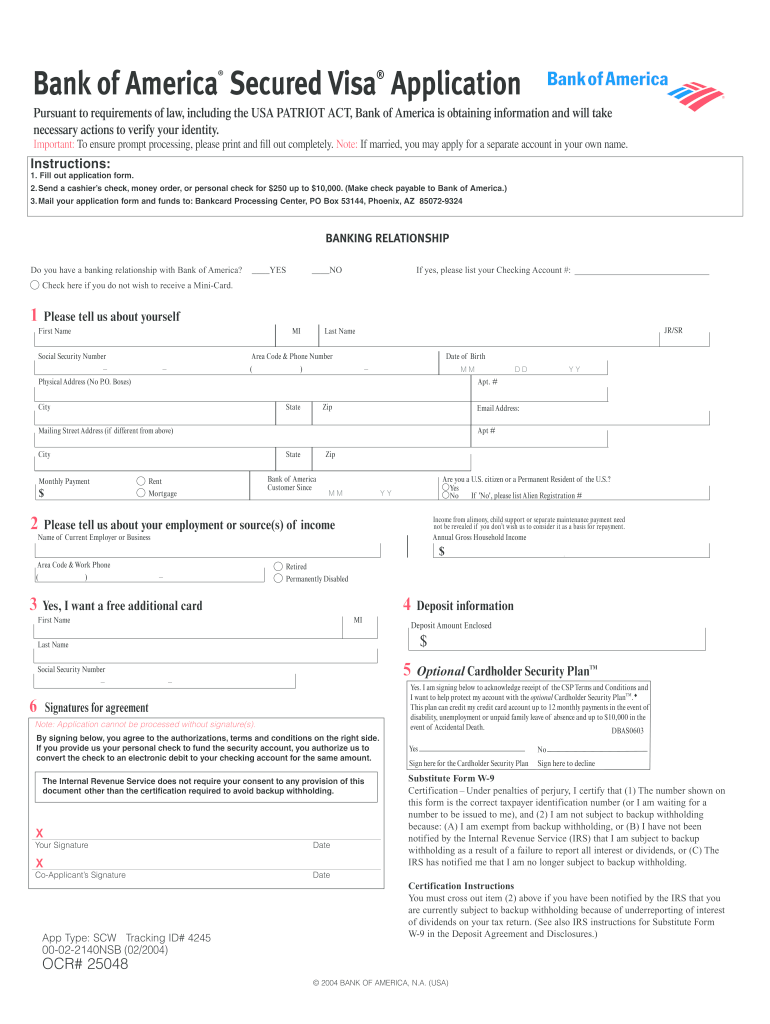
Secured Credit Cards: For individuals looking to build or rebuild their credit history, secured cards require a security deposit, which typically acts as your credit limit. This is an excellent financial stepping stone, demonstrating responsible credit behavior without high risk to the lender.
-
Student Cards: Tailored for college students, these cards often come with lower credit limits and specific rewards that cater to student life, helping them establish credit early.
Your selection should be a deliberate financial choice, not an impulsive one. Consider your monthly budget, spending patterns, and immediate financial goals when evaluating the options.
The Importance of Credit Health in Your Application
A strong credit profile is the bedrock of a successful credit card application. Lenders, including Bank of America, use your credit score and report to assess your creditworthiness – your perceived ability and willingness to repay borrowed money. A higher credit score (typically 670 and above) indicates lower risk, increasing your chances of approval for better card products, higher credit limits, and more favorable interest rates. Conversely, a low score or a history of missed payments can significantly hinder your application. Understanding and proactively managing your credit health is a fundamental aspect of personal finance that directly impacts your access to credit.
Preparing for Your Application: Essential Financial Checklist
A well-prepared application is key to a smooth process and a higher likelihood of approval. This preparation involves more than just knowing what information to provide; it’s about conducting a personal financial audit to ensure you present yourself as a responsible borrower.
Gathering Necessary Personal and Financial Information
Before you begin the application, ensure you have easy access to the following critical financial and personal details:
-
Personal Identification: Full legal name, current address, date of birth, and Social Security Number (SSN) or Individual Taxpayer Identification Number (ITIN). These verify your identity and are crucial for credit checks.
-
Contact Information: Phone number and email address.
-
Employment Details: Employer’s name, phone number, and address.
-
Income Information: Your annual gross income (before taxes). This includes wages, salaries, bonuses, commissions, retirement income, investment income, and any other regular, verifiable sources of funds. For those under 21, you might only include income to which you have a reasonable expectation of access. This is a critical factor in determining your ability to repay.
-
Housing Information: Your monthly housing payment (rent or mortgage), and whether you own or rent.
-
Existing Bank of America Relationship: If you already bank with Bank of America, having your account numbers handy can sometimes streamline the process, though it’s not strictly required for application.
Accuracy and completeness here are paramount. Any discrepancies or missing information can cause delays or even lead to denial.
Checking Your Credit Score: A Prudent First Step
Before applying, take the proactive financial step of checking your credit score. This allows you to understand where you stand and whether you meet the typical credit score requirements for the card you’re interested in. You can obtain a free credit report once a year from each of the three major credit bureaus (Experian, Equifax, and TransUnion) via AnnualCreditReport.com. Many banks and financial apps also offer free credit scores (e.g., through FICO or VantageScore).
Review your credit report for any errors or inaccuracies, which could negatively impact your score. If you find any, dispute them promptly. This self-assessment helps you gauge your chances and potentially allows you to address issues before they affect your application. It’s a smart financial habit that empowers you in any credit-related decision.
Assessing Your Debt-to-Income Ratio
Your debt-to-income (DTI) ratio is a vital financial metric that lenders consider. It compares your total monthly debt payments to your gross monthly income. A low DTI indicates that you have a good balance between what you earn and what you owe, suggesting you have sufficient funds to take on new credit responsibly. A high DTI, on the other hand, might signal that you are overextended and could struggle with additional debt, making lenders hesitant to approve your application. Calculate your DTI by summing your monthly debt payments (credit cards, loans, mortgages, etc.) and dividing that by your gross monthly income. While there’s no universal cutoff, a DTI below 36% is generally considered favorable. This financial assessment helps you understand your financial capacity and manage expectations for credit approval.
The Application Process: Navigating Your Path to Approval
Once your preparations are complete, you’re ready to submit your application. Bank of America offers flexible options to apply, each with its own advantages.
Online vs. In-Person Applications: Weighing Your Options
-
Online Application: This is by far the most common and convenient method. You can apply from anywhere, anytime, through Bank of America’s secure website. The process is typically straightforward, with clear prompts for each piece of information. Many online applications offer instant decisions, providing immediate gratification or clarity on next steps. From a financial management perspective, online applications are efficient and allow for careful review of terms and conditions without pressure.
-
In-Person Application: If you prefer personalized assistance, have questions about specific card features, or want to discuss your financial situation with a banking specialist, applying at a Bank of America branch is an option. A representative can guide you through the process, help you understand the terms, and answer any queries you might have about the card’s financial implications. This can be particularly beneficial if you have a complex financial profile or are unsure which card is best for you.

Step-by-Step Online Application Walkthrough
The online application typically follows these steps:
-
Select Your Card: Navigate to the Bank of America credit card section on their website and choose the card you wish to apply for. Click “Apply Now.”
-
Provide Personal Information: Fill in your full name, date of birth, SSN, current address, and contact details. Ensure all information is accurate and matches your identification documents.
-
Enter Financial Information: Accurately input your employment status, employer details, and annual gross income. This is where your preparedness checklist comes into play.
-
Housing Information: Specify your housing status (own, rent) and monthly housing payment.
-
Review and Consent: Carefully review all the information you’ve entered for any errors. Read the terms and conditions, including the interest rates, fees, and rewards program details. By submitting, you consent to Bank of America pulling your credit report.
-
Submit Application: Click the “Submit” button.
What Happens After You Apply?
After submitting your application, one of three outcomes typically occurs:
-
Instant Approval: Many applicants receive an immediate decision. If approved, you’ll often be provided with your credit limit and an estimated arrival date for your card. This is the ideal financial outcome.
-
Pending Review: If your application requires further verification or a manual review, it may be placed on hold. Bank of America might contact you for additional information or clarification. This doesn’t necessarily mean denial, but it requires patience.
-
Denial: If your application is denied, Bank of America is legally required to send you an Adverse Action Notice explaining the primary reasons for the denial. This notice is a valuable financial tool as it can help you identify areas to improve your creditworthiness for future applications (e.g., high debt-to-income ratio, insufficient credit history, recent delinquencies).
Beyond Approval: Responsible Credit Card Management for Financial Growth
Receiving a new credit card is just the beginning. The true financial benefit comes from responsible usage and strategic management.
Understanding Your Cardholder Agreement and Fees
Upon approval, you’ll receive a cardholder agreement detailing all the terms and conditions. This is a crucial financial document. Pay close attention to:
-
Annual Percentage Rate (APR): The interest rate you’ll pay on balances carried over beyond the grace period. Understand if it’s a fixed or variable rate.
-
Annual Fees: Some premium cards charge an annual fee for their benefits. Weigh the fee against the value of the rewards and perks.
-
Late Payment Fees: Penalties for missing payment due dates.
-
Cash Advance Fees: Costs associated with withdrawing cash using your credit card.
-
Foreign Transaction Fees: Charges for purchases made outside the U.S.
Understanding these fees allows you to avoid unnecessary costs and use your card in a financially prudent manner.
Building and Maintaining Good Credit with Your New Card
Your new Bank of America credit card is a powerful financial instrument for building a robust credit history. To leverage it effectively:
-
Pay On Time, Every Time: This is the single most important factor in your credit score. Set up automatic payments or reminders to ensure you never miss a due date.
-
Keep Your Credit Utilization Low: Aim to use no more than 30% of your available credit limit on any card. High utilization can negatively impact your credit score.
-
Don’t Close Old Accounts: Older accounts with good payment history contribute positively to your credit age, a factor in your score.
-
Monitor Your Statements: Regularly review your statements for any unauthorized charges or errors.
These habits demonstrate financial discipline and will significantly contribute to a strong credit score, opening doors to better financial products and rates in the future.
Leveraging Rewards and Benefits Wisely
If your card offers rewards (cash back, points, miles), develop a strategy to maximize them without overspending. For example, use your cash back card for everyday purchases you’d make anyway, or your travel card for large expenses if you can pay them off immediately. Redeeming rewards effectively can provide tangible financial value, reducing your overall expenses or funding desired experiences. However, never let the pursuit of rewards drive you to spend more than you can comfortably afford to pay off each month. The interest incurred on a carried balance will quickly negate any rewards earned.
Common Pitfalls and How to Avoid Them (A Money-Saving Perspective)
Even with good intentions, several common mistakes can undermine the financial benefits of a credit card.
Applying for Too Many Cards at Once
Each credit card application typically results in a “hard inquiry” on your credit report, which can temporarily lower your credit score by a few points. Applying for multiple cards within a short period can signal financial distress to lenders, making you appear riskier and potentially leading to denials. Be strategic and selective with your applications.
Not Reading the Fine Print
As highlighted earlier, neglecting the cardholder agreement can lead to unexpected fees and high-interest charges. Take the time to understand all the terms before using your card. This simple act of due diligence can save you significant money in the long run.

Overspending and Accumulating Debt
Perhaps the most critical financial pitfall is using a credit card to spend beyond your means. Credit cards are a tool for convenience and credit building, not an extension of your income. Carrying a high balance, especially at high interest rates, can quickly spiral into debt that is difficult to repay, incurring substantial interest charges and negatively impacting your financial well-being and credit score. Always prioritize paying off your statement balance in full each month to avoid interest and maintain financial health.
Applying for a Bank of America credit card, when approached with careful planning and a clear understanding of its financial implications, can be a rewarding step in your personal finance journey. By understanding your options, preparing thoroughly, and committing to responsible usage, you can leverage your credit card to build credit, earn rewards, and achieve your broader financial objectives.
aViewFromTheCave is a participant in the Amazon Services LLC Associates Program, an affiliate advertising program designed to provide a means for sites to earn advertising fees by advertising and linking to Amazon.com. Amazon, the Amazon logo, AmazonSupply, and the AmazonSupply logo are trademarks of Amazon.com, Inc. or its affiliates. As an Amazon Associate we earn affiliate commissions from qualifying purchases.