
In the intricate world of personal and business finance, access to your banking services is paramount. Bank of America, as one of the largest financial institutions globally, plays a crucial role in the financial lives of millions. Understanding “what are Bank of America’s hours” goes far beyond a simple timetable; it delves into the strategic planning, operational efficiency, and customer service dimensions that directly impact your financial management. For individuals and businesses alike, knowing when and how you can access your funds, process transactions, or seek financial advice is a fundamental component of effective money management. This article will explore the multifaceted nature of Bank of America’s accessibility, dissecting various channels and emphasizing their significance within the broader context of personal and business finance.
The Core of Accessibility: Understanding Branch Hours
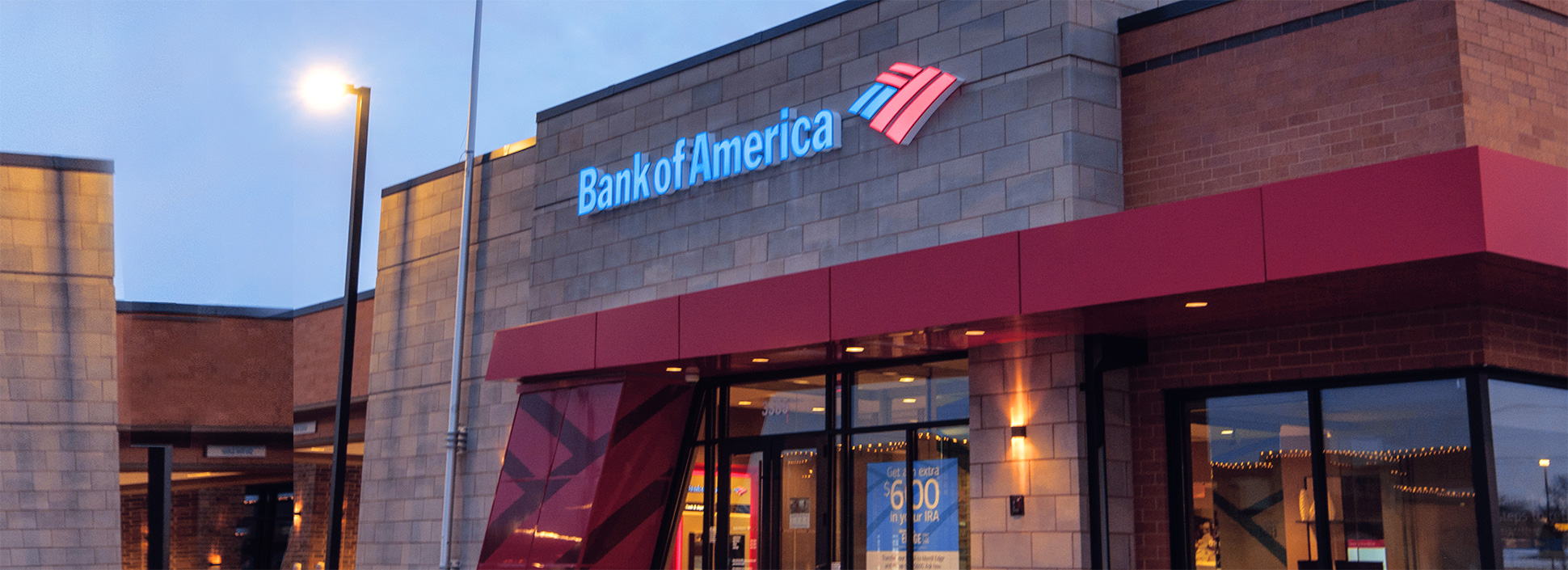
For many, the physical branch remains a vital hub for a wide array of financial services, from complex transactions to face-to-face consultations. The operating hours of Bank of America branches are, therefore, a cornerstone of their customer service and financial accessibility. These hours are not merely administrative details but critical factors in how individuals and businesses structure their financial activities.
Standard Operating Hours Across Locations
Bank of America’s branches typically adhere to standard banking hours, which often involve opening in the morning and closing in the late afternoon, Monday through Friday. While there’s a general pattern, specific hours can vary slightly depending on the branch’s location, local demand, and even the type of services offered at that particular site. For instance, branches in busy urban centers might have slightly extended hours compared to those in quieter suburban or rural areas. Saturdays often see reduced hours, and most branches are closed on Sundays. It is always advisable for customers to verify the specific hours of their preferred branch using Bank of America’s official website or mobile app, as even minor discrepancies can impact urgent financial tasks. These standard hours dictate the window within which customers can conduct in-person deposits, withdrawals, open new accounts, apply for loans, or meet with financial specialists. For small businesses, these hours are crucial for handling cash deposits, making change, or discussing credit lines.
Holiday Schedules and Special Closures
Beyond the regular weekday and weekend schedule, national holidays and other special circumstances can lead to branch closures or altered operating hours. Major federal holidays in the United States, such as New Year’s Day, Martin Luther King, Jr. Day, Presidents’ Day, Memorial Day, Juneteenth, Independence Day, Labor Day, Columbus Day, Veterans Day, Thanksgiving Day, and Christmas Day, typically result in all Bank of America branches being closed. These closures have significant implications for financial planning, especially around payroll cycles for businesses or time-sensitive transactions for individuals. Proactive planning becomes essential during these periods; anticipating holiday schedules allows customers to complete transactions in advance or utilize digital channels that remain operational. Bank of America usually provides clear communication regarding holiday schedules well in advance through their website, online banking portals, and in-branch signage, underscoring their commitment to keeping customers informed for uninterrupted financial management.
Leveraging In-Branch Services Effectively
Understanding branch hours is not just about knowing when the doors are open, but also about strategically leveraging the services available during those times. In-branch visits are invaluable for services that require face-to-face interaction, such as notarization, opening specialized accounts, discussing complex loan products, resolving disputes, or seeking personalized financial advice from a banker or wealth management advisor. For many, the ability to speak directly with a human being provides a level of reassurance and clarity that digital channels cannot always replicate, especially when dealing with significant financial decisions. Therefore, aligning your financial tasks with branch operating hours and, where necessary, scheduling appointments in advance can significantly enhance your banking experience and ensure efficient resolution of your financial needs. This strategic approach ensures that you maximize the utility of your time and the expertise available within the branch.
Beyond the Branch: Digital and Telephonic Banking Access
While physical branches remain important, the modern financial landscape has been revolutionized by digital and telephonic channels, offering unparalleled convenience and extending Bank of America’s “hours” to virtually 24/7 for many services. These expanded access points are critical for effective personal finance management in today’s fast-paced world.
24/7 Access Through Online and Mobile Banking
The advent of online and mobile banking has dramatically transformed how individuals and businesses interact with their finances. Bank of America’s digital platforms provide continuous access to a vast array of services, effectively making banking available “24/7, 365 days a year.” Through the Bank of America website and its award-winning mobile app, customers can:
-
Monitor account activity: View balances, transaction history, and statements in real-time.
-
Transfer funds: Move money between Bank of America accounts, to other banks, or send money to individuals via services like Zelle.
-
Pay bills: Schedule one-time or recurring payments, manage payees, and view payment history.
-
Deposit checks: Utilize mobile check deposit by simply snapping a photo of the check.
-
Manage cards: Activate new cards, report lost or stolen cards, lock/unlock debit/credit cards, and set travel notifications.
-
Apply for financial products: Initiate applications for credit cards, loans, and other services.
-
Access financial insights: Leverage tools and resources for budgeting, saving, and investing.
This constant accessibility is invaluable for personal finance management, allowing individuals to manage their money on their own schedule, from anywhere with an internet connection. For businesses, it facilitates constant oversight of cash flow, enables timely vendor payments, and supports remote financial operations, significantly improving efficiency and responsiveness outside traditional banking hours. The shift to digital channels represents a profound expansion of what “banking hours” truly mean, empowering customers with unprecedented control and flexibility over their financial lives.
ATM Network: Convenient Cash Management
Bank of America’s extensive network of Automated Teller Machines (ATMs) provides another critical layer of accessibility for essential cash management services. While not offering the full suite of branch services, ATMs are available round-the-clock at thousands of locations, including branches, retail stores, and other convenient spots. Through ATMs, customers can:
-
Withdraw cash: Access funds instantly, often with various denomination options.
-
Deposit checks and cash: Many advanced ATMs offer immediate credit for cash deposits and secure processing for checks.
-
Check account balances: Get a quick overview of available funds.
-
Transfer funds: Move money between linked Bank of America accounts.
-
Change PINs: Maintain security by updating personal identification numbers.
The ATM network is particularly vital for those needing cash outside of branch hours or seeking quick, self-service transactions without the wait times associated with teller lines. For businesses that deal heavily in cash, strategically located ATMs can be crucial for after-hours deposits, enhancing security and streamlining cash flow management. This ubiquitous access to cash services complements digital banking, ensuring that physical currency needs are met around the clock, thereby extending the practical “hours” of financial access significantly.

Customer Service and Financial Advisor Availability
Beyond self-service options, Bank of America also extends its “hours” through various customer service channels. The bank’s call centers operate with extended hours, often offering 24/7 support for basic inquiries, technical assistance with online banking, or urgent issues like reporting fraud or lost cards. While complex financial advice might still necessitate a branch visit or a scheduled appointment, the availability of phone support provides a critical safety net and immediate assistance for a wide range of concerns. Additionally, some financial advisors or specialists might offer appointments outside standard branch hours, particularly for high-net-worth clients or complex business accounts, recognizing the need for flexible scheduling to accommodate their clients’ busy lives. These telephonic and virtual consultation options further blur the lines of traditional banking hours, focusing instead on meeting customer needs whenever and wherever they arise.
Strategic Financial Planning Around Banking Accessibility
Understanding Bank of America’s hours and various access points isn’t just about convenience; it’s a strategic imperative for effective financial planning and management. Whether for personal budgeting or business operations, aligning financial activities with available banking hours (or 24/7 digital access) is key to efficiency and avoiding costly delays or oversights.
Optimizing Personal Finance Operations
For individuals, strategic planning around banking accessibility can significantly enhance personal finance management. Knowing branch hours is crucial for scheduling important in-person tasks like opening new accounts, applying for mortgages, discussing investment strategies with an advisor, or resolving complex account issues. By checking hours in advance, individuals can minimize wait times and ensure they have ample time for their transactions. More broadly, leveraging 24/7 digital access allows for constant monitoring of spending, timely bill payments, and immediate fund transfers, which are vital for maintaining budgets and avoiding late fees. For instance, setting up automatic bill payments online means bills are paid on time regardless of bank branch hours. Mobile check deposit facilitates immediate fund availability (subject to bank’s holds), which can be crucial for managing cash flow. Proactive engagement with these varied access points empowers individuals to take charge of their financial well-being more effectively, integrating banking into their daily routines seamlessly.
Business Finance and Operational Timing
For businesses, especially small to medium-sized enterprises, Bank of America’s hours directly influence operational timing and financial stability. Managing payroll, making deposits, paying vendors, and accessing credit lines often require careful synchronization with banking availability. For businesses that deal with significant cash transactions, knowing branch deposit cut-off times or ATM deposit limits is essential for ensuring timely processing and security. Online banking and mobile apps are indispensable for businesses, enabling real-time monitoring of accounts, processing payments, and managing cash flow even outside standard business hours. This digital access is particularly vital for businesses with irregular hours or those operating across different time zones. Strategic scheduling of payroll runs to align with fund availability and understanding when transactions will clear based on banking hours are critical for maintaining employee satisfaction and vendor relationships. Ultimately, a thorough understanding of Bank of America’s hours across all channels allows businesses to optimize their financial operations, reduce risks, and maintain healthy cash flow.
The Role of Timeliness in Financial Transactions
Timeliness is a critical element in financial transactions, with significant implications for both personal and business finance. Deposit cut-off times, for example, determine whether funds become available on the same day or the next business day, impacting liquidity. Similarly, payment deadlines for credit cards, loans, or invoices often necessitate transactions to be processed by a specific time to avoid penalties or interest charges. Bank of America’s digital channels, with their 24/7 accessibility, largely mitigate the constraints of traditional banking hours for many transactions. However, understanding the processing times for transfers, bill payments, and mobile deposits—which can sometimes extend beyond immediate execution—is paramount. For businesses, precise timing is essential for cash flow forecasting, inventory management, and meeting regulatory requirements. For individuals, timely execution of transactions helps manage debt, maximize savings, and avoid unnecessary fees. By strategically utilizing Bank of America’s extended access points and understanding the nuances of transaction processing, individuals and businesses can maintain optimal financial health and avoid common pitfalls associated with delayed or missed financial actions.
The Evolving Landscape of Banking Hours and Customer Expectations
The concept of “banking hours” is not static; it is continually reshaped by technological advancements, shifting consumer behaviors, and an increasingly interconnected global economy. Bank of America, like other leading financial institutions, constantly adapts to these changes, striving to meet evolving customer expectations for convenience, speed, and security.
Technology’s Impact on Traditional Hours
Technology has undeniably been the most significant driver in reshaping banking accessibility. The proliferation of the internet, smartphones, and advanced software has transformed banking from a brick-and-mortar operation with fixed hours into a ubiquitous service available on demand. Online portals and mobile apps have effectively made “banking hours” a 24/7 reality for the vast majority of routine transactions. This digital transformation has not only enhanced customer convenience but has also allowed banks like Bank of America to optimize their physical branch networks, focusing in-person services on more complex or advisory tasks. While some critics might mourn the perceived decline of personalized service, the reality is that technology has freed customers from geographical and temporal constraints, empowering them with unprecedented control over their financial lives. The trend indicates a continued reliance on digital channels, with physical branches evolving into advisory centers rather than mere transaction points.
Balancing Convenience and Security
As Bank of America extends its “hours” through digital channels, the imperative to balance convenience with robust security measures becomes paramount. Providing 24/7 access means also ensuring 24/7 protection against fraud, cyber threats, and unauthorized access. Bank of America invests heavily in advanced encryption, multi-factor authentication, fraud monitoring systems, and secure communication protocols to safeguard customer data and transactions. For customers, understanding and utilizing these security features – such as strong passwords, biometric authentication, and promptly reporting suspicious activity – is a shared responsibility in maintaining financial safety in an always-on banking environment. The constant availability of digital banking services must be underpinned by an equally constant commitment to security, ensuring that the benefits of extended hours do not come at the expense of financial integrity.

Future Trends in Banking Accessibility
Looking ahead, the evolution of banking hours and accessibility is likely to continue at a rapid pace. Emerging technologies like artificial intelligence (AI) and machine learning (ML) are set to further personalize banking experiences, offering proactive financial advice and automating more complex tasks. Chatbots and virtual assistants powered by AI are already extending customer service capabilities beyond human operating hours, providing instant responses to inquiries. The integration of banking services into broader digital ecosystems, such as smart home devices or wearable technology, could create even more seamless and pervasive access points. Furthermore, as global commerce becomes more interconnected, financial institutions might explore further innovations to facilitate cross-border transactions and support businesses operating in diverse time zones. The future of Bank of America’s “hours” will likely be characterized by an even greater emphasis on personalization, predictive analytics, and ubiquitous, secure access, continuously adapting to meet the dynamic financial needs and expectations of a digitally-native generation.
In conclusion, “what are Bank of America’s hours” is a question with a multi-layered answer that reflects the evolution of modern finance. From traditional branch timings to the perpetual availability of digital platforms and ATMs, understanding these various access points is fundamental to effective money management. For individuals and businesses alike, strategically leveraging Bank of America’s diverse channels for financial services is not just about convenience; it’s about optimizing financial health, ensuring timeliness, and adapting to the dynamic landscape of modern banking.
aViewFromTheCave is a participant in the Amazon Services LLC Associates Program, an affiliate advertising program designed to provide a means for sites to earn advertising fees by advertising and linking to Amazon.com. Amazon, the Amazon logo, AmazonSupply, and the AmazonSupply logo are trademarks of Amazon.com, Inc. or its affiliates. As an Amazon Associate we earn affiliate commissions from qualifying purchases.