
The question “when did Amazon launch?” might seem like a simple inquiry into a historical date. But beneath the surface of that date lies the foundational narrative of one of the world’s most influential brands. It marks not just the inception of a company, but the birth of a disruptive force that redefined retail, technology, and consumer expectations. Amazon, as we know it today – a sprawling empire encompassing e-commerce, cloud computing, artificial intelligence, and entertainment – began its journey on July 5, 1994. This precise moment was the genesis of an audacious vision, a strategic pivot, and a brand identity forged in the nascent crucible of the internet.
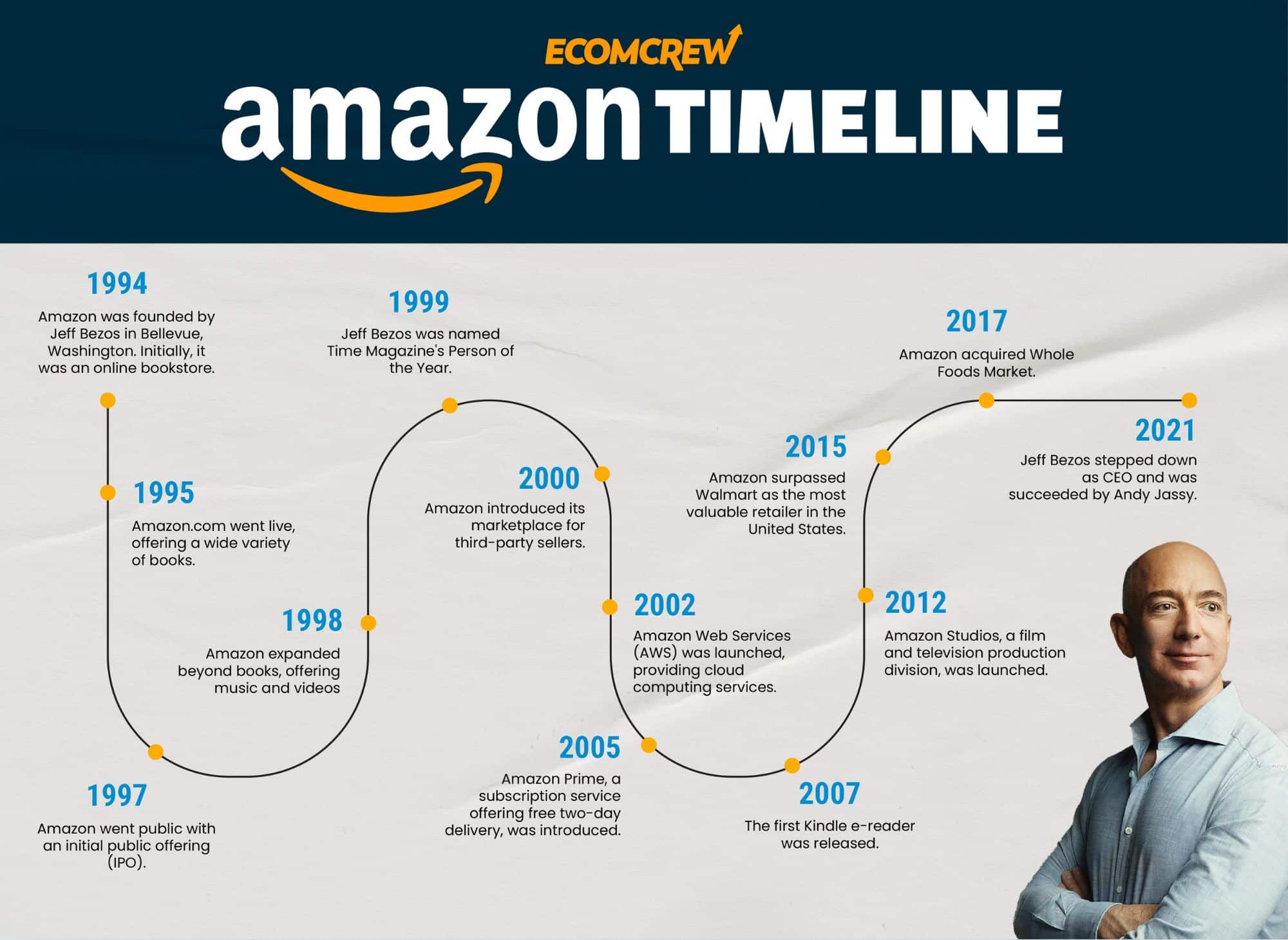
Understanding Amazon’s launch is to understand the deliberate and often audacious branding choices that propelled it from a humble online bookstore to a global behemoth. It’s a case study in brand strategy, corporate identity, and the relentless pursuit of customer obsession that has indelibly shaped its market presence and public perception. From its initial naming to its strategic product choices and unwavering focus on customer experience, Amazon’s origins provide a masterclass in building an enduring brand from the ground up.
The Humble Beginnings: From Cadabra to Amazon.com
Every iconic brand has an origin story, and Amazon’s is a testament to entrepreneurial foresight and strategic branding from its very first breath. Jeff Bezos, the visionary behind Amazon, left a lucrative career on Wall Street to pursue a gamble on the nascent internet, identifying its potential to revolutionize retail. His initial concept was far removed from the diverse marketplace we see today, yet his fundamental branding principles were already taking shape.
A Vision Born in a Garage: Jeff Bezos’s Entrepreneurial Spark
Bezos’s journey began in a garage in Bellevue, Washington, a classic Silicon Valley trope that underscores the raw, innovative spirit of many tech startups. His initial idea was to create an “everything store,” but the practicalities of the early internet demanded a more focused entry point. This decision – to start small but think big – was a critical branding move. It allowed Amazon to establish credibility and a clear value proposition before attempting broader market domination. Bezos’s personal brand, characterized by his intellectual curiosity, long-term thinking, and relentless drive, became inextricably linked with the emerging Amazon brand. He embodied the company’s ambition and its commitment to challenging conventional wisdom, setting a precedent for a brand that would continuously push boundaries.
The Name Game: Crafting an Identity
One of the earliest and most critical branding decisions was the company’s name. Initially, Bezos considered “Cadabra,” a play on “abracadabra,” suggesting magic and transformation. However, his lawyer correctly pointed out its unfortunate phonetic similarity to “cadaver.” This near-miss highlights the immense importance of brand naming – a name must be memorable, pronounceable, evocative, and free from negative connotations.
Bezos then embarked on a meticulous search for a name that would convey scale and impact. He famously scoured the dictionary, seeking a word starting with “A” to appear early in alphabetical listings. He landed on “Amazon,” named after the largest river in the world. This choice was profoundly strategic:
-
Symbolism of Scale: The Amazon River evokes vastness, abundance, and unexplored potential, perfectly aligning with Bezos’s “everything store” vision. It immediately communicated ambition and breadth.
-
Memorability and Global Appeal: It’s a familiar name globally, easy to pronounce in many languages, contributing to universal brand recognition.
-
Positive Connotations: It suggests natural wonder, depth, and a rich ecosystem, all positive attributes that could be extended to a diverse product offering.
The shift from “Cadabra” to “Amazon” was a pivotal moment in its corporate identity, establishing a brand persona that was grand, aspirational, and infinitely scalable – a promise of more to come.
The First Product: Books as a Strategic Entry Point
Despite his ultimate “everything store” ambition, Bezos chose to launch Amazon as an online bookstore. This decision was a masterclass in market entry strategy and brand positioning. Books were an ideal first product for several reasons that directly influenced Amazon’s early brand perception:
-
High Product Variety: Books offer millions of titles, making it impractical for physical stores to stock them all. This immediately highlighted Amazon’s unique selling proposition (USP) – unparalleled selection.
-
Standardized Product: A book is a book, regardless of where it’s purchased. This reduced concerns about quality variation for online buyers.
-
Low Shipping Costs (relatively): Books are relatively easy and inexpensive to ship compared to other goods.
-
Community and Review Potential: Books lend themselves well to customer reviews and community interaction, fostering trust and engagement – a cornerstone of Amazon’s future brand strategy.
By focusing on books, Amazon positioned itself as the definitive online destination for readers, a brand synonymous with choice and convenience. This narrow focus allowed it to build a strong initial brand identity and customer base before expanding into other product categories. It was a clear, digestible brand promise that resonated with early internet users.
Forging a Brand Identity in the Dot-Com Era
The mid-1990s internet was a wild west, a nascent digital frontier where rules were unwritten and opportunities were boundless. In this environment, Amazon didn’t just exist; it aggressively carved out a brand identity rooted in radical customer focus and digital innovation, setting itself apart from traditional retailers.
Customer Obsession as a Core Tenet
From day one, Jeff Bezos instilled a philosophy of “customer obsession” that became the bedrock of Amazon’s brand. This wasn’t just a marketing slogan; it was an operational principle that guided every decision, from website design to logistics. This unwavering focus meant:
-
Easy Shopping Experience: The website was designed for simplicity and efficiency, minimizing friction in the buying process. This contributed to a brand image of convenience and user-friendliness.
-
Personalization: Early algorithms began recommending books based on past purchases, creating a tailored experience that made customers feel understood and valued. This was a pioneering move in personalized branding.
-
Reliable Delivery: Investing in logistics to ensure timely and accurate deliveries built trust and reinforced the brand promise of dependability.
-
Customer Reviews: Empowering customers to leave reviews, even negative ones, fostered transparency and a sense of community. This built a brand reputation for authenticity and peer-driven recommendations.
This relentless focus on the customer experience transformed Amazon from a mere vendor into a trusted partner, establishing a brand that prioritized the buyer above all else. It laid the groundwork for a brand perception centered on convenience, selection, and reliability – values that remain paramount today.
The Online Advantage: Pioneering E-commerce
Amazon didn’t just launch an online store; it pioneered many of the e-commerce practices that are now standard. By embracing the digital medium fully, Amazon’s brand became synonymous with the future of shopping. It wasn’t merely an alternative to brick-and-mortar; it offered a fundamentally different and often superior experience.
-
24/7 Accessibility: The ability to shop anytime, anywhere, was a revolutionary concept that positioned Amazon as the ultimate convenient retailer.
-
Vast Selection without Physical Limits: The internet freed Amazon from the inventory constraints of physical stores, allowing it to offer millions of items, reinforcing its “everything store” promise.
-
Data-Driven Insights: Leveraging customer data to inform product offerings and website improvements allowed Amazon to constantly refine its brand experience, making it more intuitive and personalized.
This pioneering spirit established Amazon as a leader in a new frontier, solidifying its brand as innovative, forward-thinking, and essential for the modern consumer. It wasn’t just selling products; it was selling the future of retail.
Early Marketing & Brand Building
In its nascent stages, Amazon’s marketing was less about flashy campaigns and more about demonstrating value and building trust. Key strategies included:
-
Word-of-Mouth: Satisfied customers became early brand advocates, spreading the word about the convenience and selection.
-
Partnerships: Early affiliations with other websites helped drive traffic and build brand awareness.
-
PR and Media Coverage: As an innovative startup, Amazon naturally attracted media attention, which helped to amplify its brand story and vision.
-
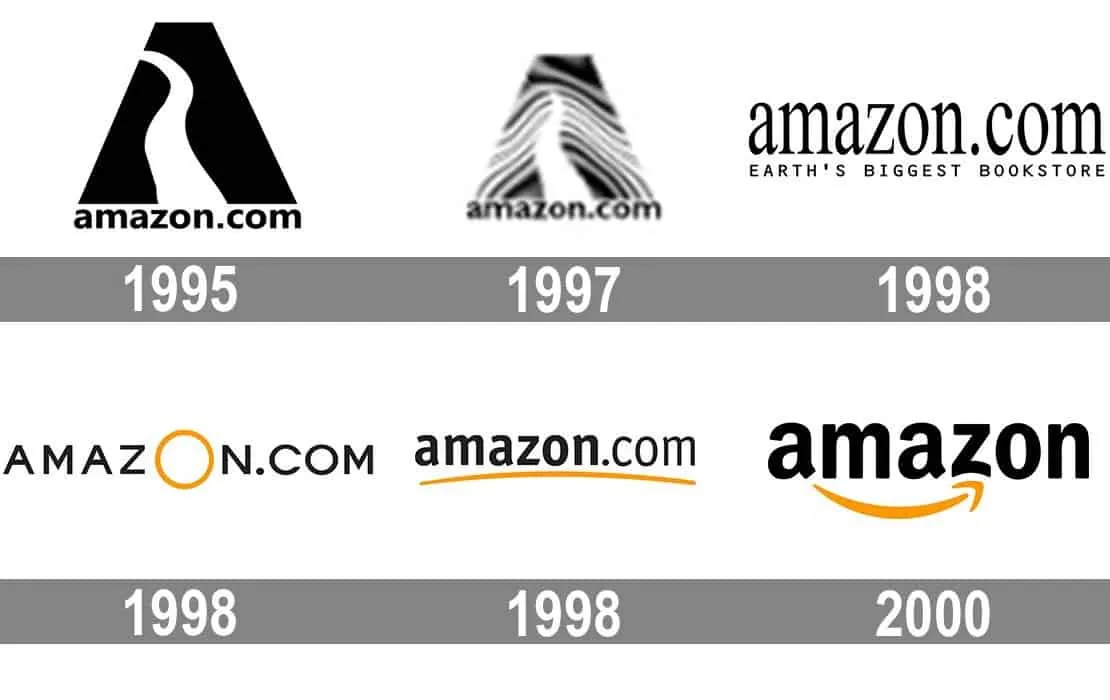
Clear Messaging: The brand consistently communicated its core value proposition: “Earth’s Biggest Bookstore” (and later, “Earth’s Most Customer-Centric Company”). This clear, concise messaging resonated with consumers and defined its initial brand promise.
These early efforts focused on establishing credibility and showcasing the practical benefits of online shopping, transforming skepticism into trust and building a loyal customer base for the fledgling brand.
Scaling the Brand: Beyond Books and Into Everything
The true test of Amazon’s branding genius came as it evolved beyond books, challenging its initial brand identity and expanding into a vast array of product categories and services. This phase required careful brand extension strategies to maintain coherence and trust.
Diversification as a Brand Strategy
Having established itself as the leading online bookseller, Amazon strategically began to diversify. This expansion into music, videos, electronics, toys, and eventually almost every conceivable product category was a calculated risk that could have diluted its brand. Instead, Amazon leveraged its established brand equity in customer trust and convenience.
-
Leveraging Existing Brand Equity: The positive associations customers had with Amazon (selection, convenience, reliability) were transferable to new product categories.
-
Strategic Acquisition: Acquiring companies like IMDb and Zappos not only expanded its offerings but also brought new expertise and customer segments under the Amazon umbrella, subtly extending the brand’s reach and authority.
-
Marketplace Model: Opening its platform to third-party sellers allowed for exponential growth in product selection without Amazon bearing all the inventory risk. This transformed Amazon from a retailer into a brand platform, a marketplace for commerce.
This careful diversification demonstrated Amazon’s ability to evolve its corporate identity from a specialized bookstore to a universal retailer, proving the scalability and adaptability of its core brand values.
The Prime Evolution: Loyalty as a Brand Pillar
Perhaps one of Amazon’s most brilliant branding moves was the introduction of Amazon Prime in 2005. Prime wasn’t just a service; it was a fundamental shift in Amazon’s brand strategy, transforming transactional relationships into deep, recurring loyalty.
-
Elevating Customer Experience: Offering free two-day shipping for an annual fee immediately elevated the customer experience, making Amazon the default choice for millions.
-
Building an Ecosystem: Prime became the gateway to a suite of services (streaming video, music, e-books), creating a sticky ecosystem that increased customer lifetime value and reinforced the brand’s all-encompassing nature.
-
Psychological Impact: Prime members psychologically invest more in the Amazon brand, feeling a sense of exclusivity and value that encourages more frequent purchases. It shifted the brand from a utility to a lifestyle enhancer.
Prime cemented customer loyalty, making the Amazon brand synonymous with unparalleled convenience, value, and a premium digital lifestyle. It turned casual shoppers into devoted brand advocates.
The Amazon Logo: A Smile That Connects
The evolution of Amazon’s visual identity, particularly its logo, is another example of thoughtful branding. While the wordmark itself has remained relatively consistent, the addition of the “A to Z” arrow is iconic.
-
The “A to Z” Arrow: This simple yet brilliant design element serves multiple branding functions:
-
It subtly indicates that Amazon sells “everything from A to Z,” reinforcing its vast selection.
-
It forms a stylized smile, conveying customer satisfaction, friendliness, and approachability – echoing the “customer obsession” philosophy.
-
It creates a distinctive and memorable visual mark, easily recognizable globally.
-
This logo is a powerful, non-verbal communication of Amazon’s brand promise – a friendly, comprehensive shopping experience where you can find anything you need. It’s a testament to how effective visual branding can distill complex brand messages into a single, elegant symbol.
Amazon’s Enduring Brand Legacy and Future Trajectory
Today, Amazon is more than just a company; it is a global institution, a standard-bearer for innovation, and a constant subject of discussion, admiration, and critique. Its launch date of July 5, 1994, wasn’t just a calendar entry; it was the starting gun for a brand journey that continues to redefine industries.
Brand Resilience Through Innovation
Amazon’s brand has remained remarkably resilient and relevant due to its relentless commitment to innovation. It doesn’t just adapt to market changes; it actively drives them.
-
AWS (Amazon Web Services): Diversifying into cloud computing not only created a new revenue stream but also showcased Amazon’s technological prowess, bolstering its brand as a tech leader.
-
Alexa and AI: The development of voice AI and smart home devices positioned Amazon at the forefront of ambient computing, further embedding its brand into daily life.
-
Logistics and Supply Chain: Continuous investment in its fulfillment network and drone delivery initiatives reinforces its brand promise of speed and efficiency.
This continuous cycle of innovation ensures the Amazon brand remains dynamic, forward-looking, and indispensable in an ever-changing world, consistently demonstrating its capacity to disrupt and lead.
The Challenge of Brand Perception
While Amazon’s growth has been phenomenal, its brand journey has not been without challenges. As it grew, so did scrutiny over labor practices, market dominance, and ethical considerations.
-
Antitrust Concerns: Its sheer scale and market power have led to antitrust investigations, forcing Amazon to manage perceptions of its corporate responsibility.
-
Employee Relations: Criticism regarding warehouse working conditions impacts its employer brand and broader corporate image.
-
Sustainability: As a major logistics player, its environmental footprint is a growing concern that requires strategic brand communication and action.
Managing these perceptions is crucial for maintaining brand trust and reputation. Amazon continually invests in public relations, corporate social responsibility initiatives, and transparent communication to address these complex issues, demonstrating that even the most powerful brands must actively work to maintain a positive public image.
A Blueprint for Aspiring Brands
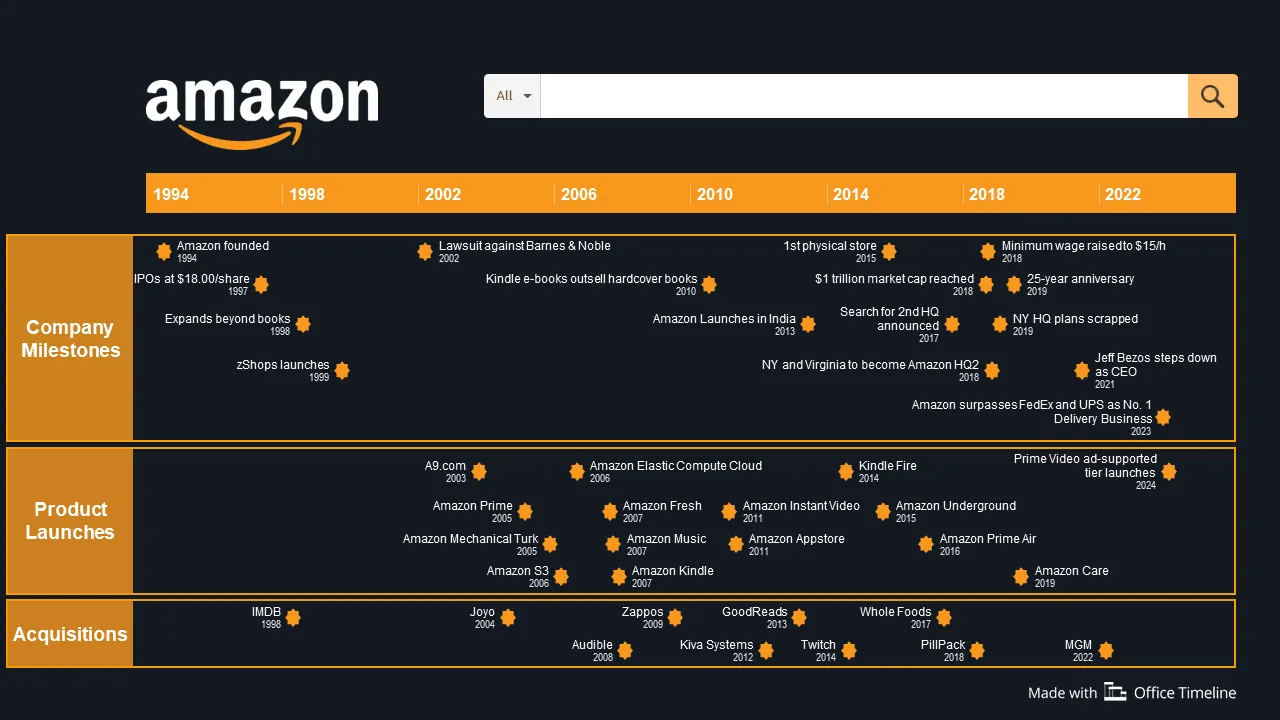
Amazon’s journey from a garage startup to a global powerhouse offers invaluable lessons for aspiring brands:
-
Start with a Clear Vision, but Be Flexible: Bezos’s “everything store” vision was grand, but his initial focus on books was strategic.
-
Customer Obsession is Paramount: Prioritizing the customer experience above all else builds unwavering loyalty.
-
Strategic Naming and Visual Identity: A strong, scalable name and a memorable logo are fundamental.
-
Embrace Innovation and Diversification: Don’t be afraid to evolve and extend your brand, but do so strategically.
-
Build an Ecosystem: Create services that make your brand indispensable to customers’ lives.
-
Be Resilient and Responsive: Address challenges head-on and adapt to changing market and societal expectations.
The launch date of July 5, 1994, is far more than a historical footnote; it is the definitive starting point of a brand that has permanently altered the landscape of commerce and technology. Amazon’s genesis encapsulates the power of a clear vision, a strategic brand identity, and an unyielding focus on the customer – a potent formula that continues to define its legacy and shape its future.
aViewFromTheCave is a participant in the Amazon Services LLC Associates Program, an affiliate advertising program designed to provide a means for sites to earn advertising fees by advertising and linking to Amazon.com. Amazon, the Amazon logo, AmazonSupply, and the AmazonSupply logo are trademarks of Amazon.com, Inc. or its affiliates. As an Amazon Associate we earn affiliate commissions from qualifying purchases.